The guideline: exercise for everyone, any typeStrong evidence
The guideline strongly recommends exercise, alone or with healthy eating, for all women with PCOS, to improve metabolic health, but rates the evidence very low certainty. It finds no type or intensity of exercise better than another and advises activity that suits your own preferences and goals. Exercise and Sports Science Australia's 2024 statement gives the same weekly amounts.
Sources 1, 15
Fitness and waist improveEmerging evidence
In 18 trials, exercise raised fitness by about 4 mL of oxygen per kg a minute and trimmed the waist by 2.6 cm; another review of 18 studies (593 women) found 4.0 mL and 1.5 cm. The gains were consistent but small, at low certainty.
Sources 4, 5
Insulin resistance: probably a little betterEmerging evidence
In 25 studies (1,107 women), exercise lowered insulin resistance by a moderate amount, and in 23 trials (1,192 women) steady moderate exercise lowered it a little, at low to moderate certainty. One review of 18 studies found no change, so the reviews don't fully agree.
Sources 6, 16, 5
Weight changes only a littleEmerging evidence
Lifestyle programmes took off about 1.7 kg on average (9 trials, 353 women, low quality). In 20 trials of aerobic exercise to July 2026, the effect on weight was trivial, and in a network of 19 trials only moderate aerobic exercise lowered body mass index (BMI).
Sources 7, 17, 18
Hormones and periods: small and inconsistentMixed evidence
Testosterone fell a little with exercise in some 2026 reviews but not overall in another. No trial in the Cochrane review reported how regular periods were, and in the largest trial, 64 women, interval training didn't change how often periods came over a year: periods became more frequent in every group, including the women who didn't exercise. A 2026 review of 10 small studies in women at a higher weight reported more regular cycles, without pooling the results.
Sources 17, 19, 20, 7, 8, 21
Mood and quality of lifeEmerging evidence
Across 7 trials, exercise eased symptoms of depression, and quality of life improved in all 11 trials of another review. The trials were few and small, and none was of Pilates.
Sources 22, 23
Strength training builds muscleEmerging evidence
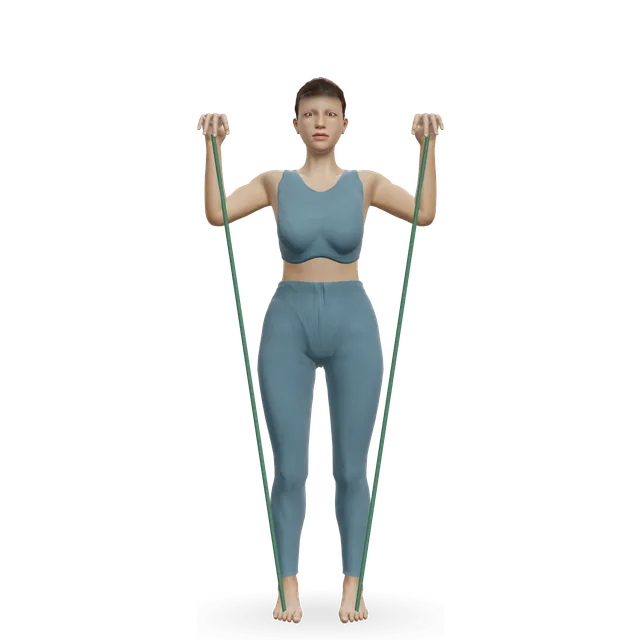
In 10 trials (382 women), strength training increased lean mass and cut body fat, with little effect on hormones. In smaller studies, strength training lowered testosterone and waist size, and body fat fell without weight changing.
Sources 24, 25, 26
Harder or steadier: about the sameEmerging evidence
The guideline's own review of interval training against steady exercise (5 studies, 216 women) found no clear difference, and nor did a 2025 review of 6 trials. A 2020 analysis that included some non-randomised studies found vigorous exercise brought the biggest gains, so harder effort is worth adding if you enjoy it.
Sources 27, 28, 29
The Pilates study in PCOSMixed evidence
In India, 26 women did classical mat Pilates 3 times a week (the paper gives both 8 weeks and 3 months). Period pain fell from about 7.7 to 6.0 out of 10, and cycles shortened. There was no comparison group, ovulation, hormones and weight afterwards weren't measured, and its conclusions go beyond its data. It can't tell us whether Pilates helps PCOS.
Source 2
A trial has been registered
A randomised trial in Pakistan plans to compare mat Pilates, interval training and a control group in 60 women with PCOS for 8 weeks, measuring body size, quality of life and fitness. It was registered in October 2026 and isn't recruiting yet.
Source 3
What Pilates does in other peopleMixed evidence
In 11 trials of adults with overweight or obesity (393 people), Pilates took off about 2.4 kg against no exercise. Pilates lowered blood sugar after meals and cholesterol in people with type 2 diabetes, but had "no significant effect" in people without diabetes, and none of those trials was in PCOS.
Sources 30, 31