Marichi's pose D (Marichyasana D)
A seated twist with a bind: one leg folds into half lotus, the other knee bends upright, and you turn toward the upright knee, wrap the opposite arm round it and clasp the hands behind the back. The fourth Marichi pose of the Ashtanga primary series, it joins the half lotus of Marichyasana B to the twist of C. Yoga Journal says it asks for open hips, open shoulders and a supple spine, and that the knees must never be forced.
Movement guide
Marichi's pose D (Marichyasana D)
Make it easier or harder
Choose a version that fits your control and comfort.
Easier option
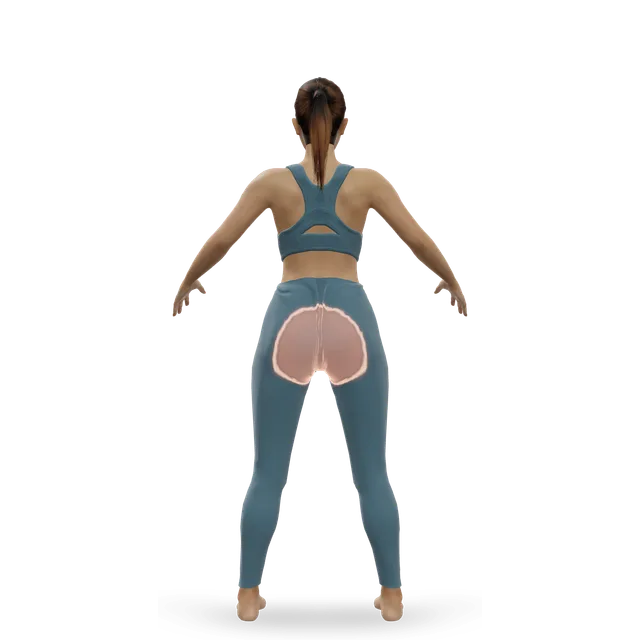 Half lotus pose (Ardha Padmasana)Advanced · Firm cushion
Suggested next step, advanced grade.
Harder option
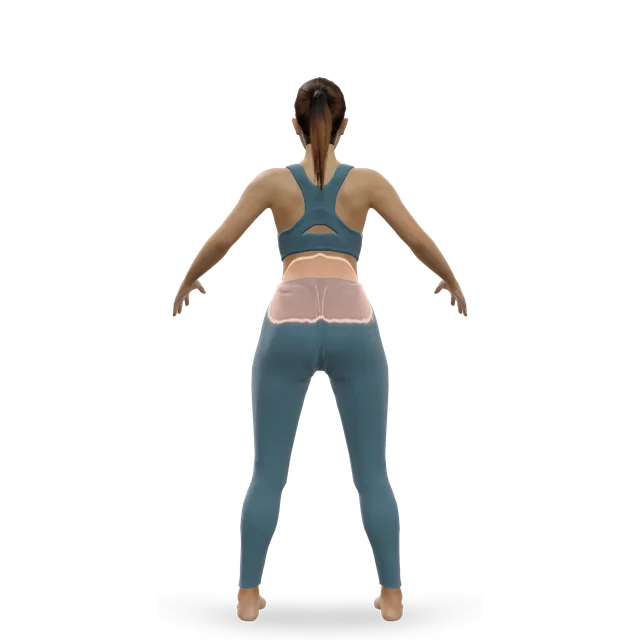 Drop-back to wheel (Urdhva Dhanurasana from standing)Expert · A wall
Similar move, expert grade.
Source-researched guide.
How to move
- Sit in staff pose. Bend the left knee and set the left foot high in the right hip crease in half lotus, folding from the hip rather than pulling on the knee.
- Bend the right knee and place the right foot flat beside the right sitting bone, the shin upright and the thigh close to the chest.
- Sit tall, then turn to the right from the base of the spine upward and bring the left upper arm to the outside of the right knee, sliding it down the shin.
- Wrap the left arm round the right knee and reach the left hand behind your back. Reach the right arm back and clasp the right wrist with the left hand, or hold a strap between the hands.
- Hold with the chest lifted, then unwind, release the half lotus with your hands and change sides.
Form cues
- Length first: lift the chest, then turn.
- Sit on a folded blanket if the low back rounds.
- Avoid: forcing the bind or pushing the lotus knee down with your hand.
Practice and cautions
Hold 5 breaths each side, the count used in the Ashtanga primary series.
If the half-lotus knee hurts, come out and go back to the preparatory poses: lotus variations are among the postures most often named in published yoga injury cases, and one review found more meniscus injuries in people who do yoga, though that rests mainly on one study of knee scans, and in other studies people who often sit in lotus showed no link with meniscus tears or knee arthritis. The bind tempts people to twist past what the spine offers. Use a strap between the hands, and avoid it with disc problems or in pregnancy. This is movement education, not an assessment or treatment prescription. Stop for sharp or increasing pain, dizziness, numbness or tingling; seek individual guidance for symptoms, injury or restrictions.
Sources and review status
Sources support the educational description; they do not establish that this exercise is suitable for you.
- Yoga Journal · Marichyasana D (how-to: half lotus with the other knee bent upright, then the twist and the bind; the knees must never be forced; a strap for the bind) ↗
- AshtangaYoga.info · Marichyasana D in the primary series (the twist toward the bent knee, the far arm round it to the wrist; the gaze held for five breaths) ↗
- Cramer 2013 · 76 published cases of harm linked to yoga; headstand, shoulderstand, feet-behind-the-head postures and lotus variations most often involved (systematic review of case reports, PLoS One) ↗
- Cramer 2018 · Injuries in observational studies of yoga: mostly sprains and strains, and more meniscus injuries than in non-practitioners (systematic review, J Sci Med Sport) ↗
- Zhu 2012 · Yoga and meniscus changes on MRI in Chinese women: 273 cases and 546 controls (nested case-control study, Chin J Traumatol) ↗
- Hwang 2012 · Risk factors for a meniscus root tear: 476 Korean patients (case-control study, Am J Sports Med) ↗
- Tangtrakulwanich 2006 · Floor sitting and knee osteoarthritis in 261 Thai Buddhist monks (cross-sectional study, J Med Assoc Thai) ↗
No variation is labeled clinically validated.
What it works
Muscles
Main: Back, Abs. Also: Glutes, Shoulders, Chest.
Anatomy: Latissimus dorsi, Teres major, Trapezius, Rhomboids, Erector spinae, Multifidus.
Equipment
None: body weight and floor space.
Level
Advanced. See the easier and harder options above.
Similar moves
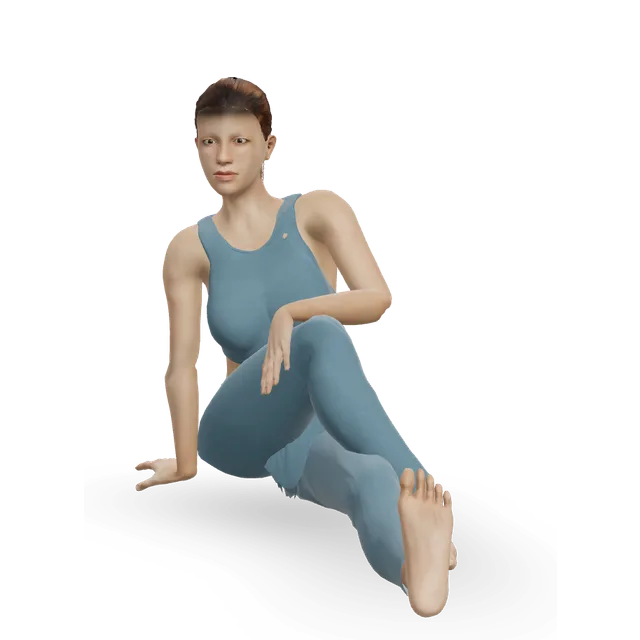 3D demoSeated twist, bottom leg straightBeginner · No equipment
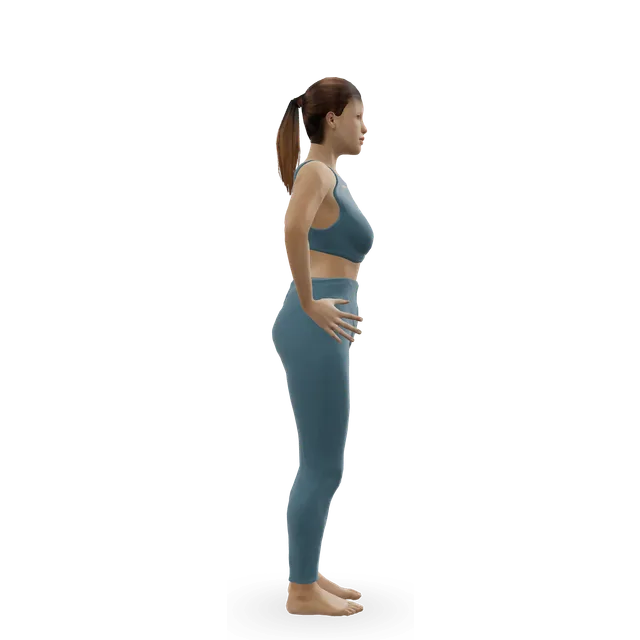 3D demoStanding pelvic tiltBeginner · No equipment
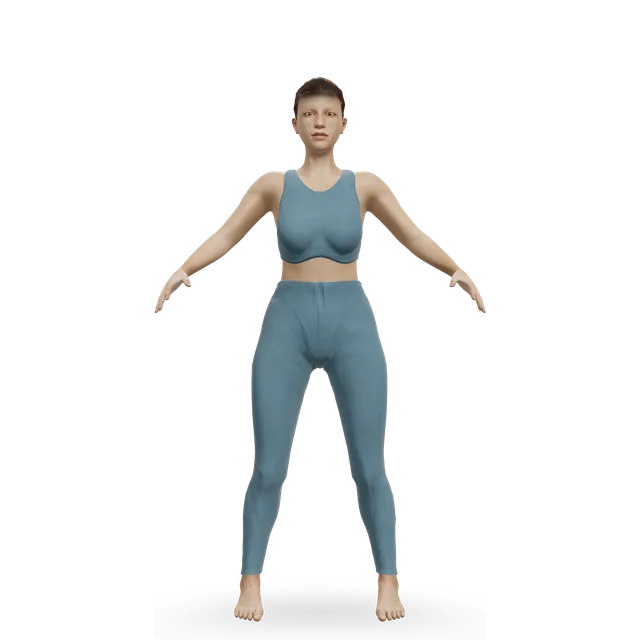 3D demoStanding spiral reachBeginner · No equipmentBharadvaja's twist (Bharadvajasana I)Beginner · No equipment
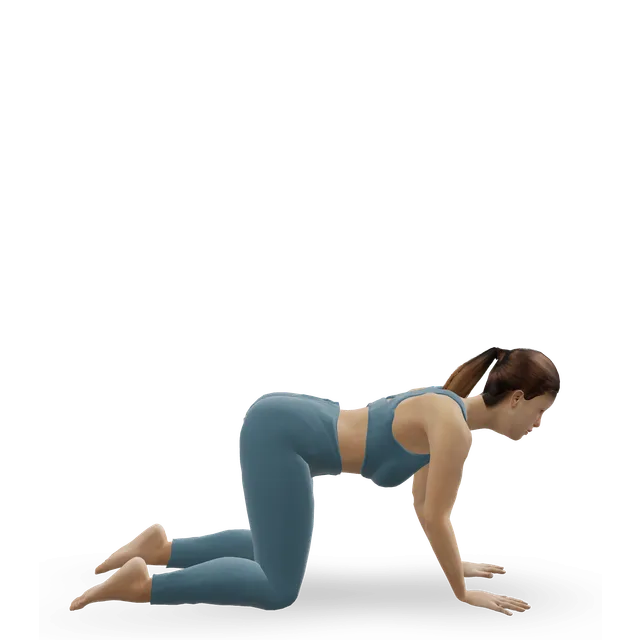 3D demoCat-cowBeginner · No equipment
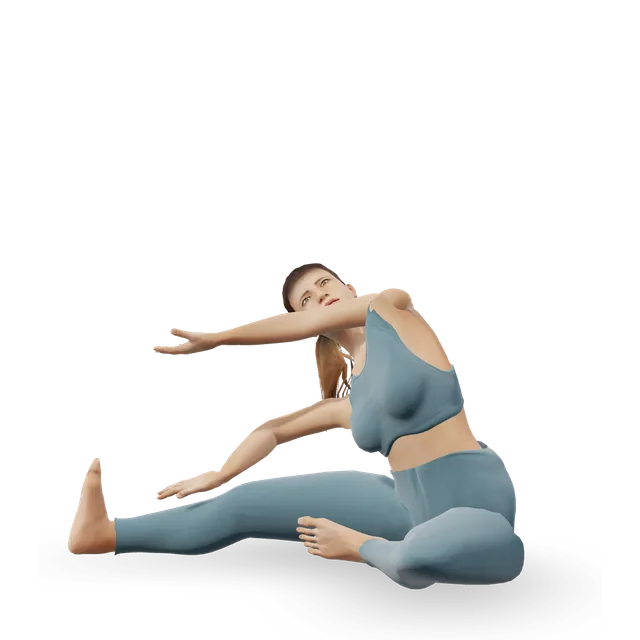 3D demoRevolved head-to-knee pose (Parivrtta Janu Sirsasana)Intermediate · No equipment
Browse more
Questions people ask
What muscles does the Marichi's pose D (Marichyasana D) work?
Mainly the back and abs, with help from the glutes, shoulders and chest.
What equipment do I need for the Marichi's pose D (Marichyasana D)?
No equipment: your body weight and a little floor space.
Is the Marichi's pose D (Marichyasana D) good for beginners?
It is an advanced move. Build up to it with the Half lotus pose (Ardha Padmasana) first.
What is an easier alternative to the Marichi's pose D (Marichyasana D)?
Try the Half lotus pose (Ardha Padmasana) or the Half lord of the fishes (Ardha Matsyendrasana). It is the suggested step down from this move.
How do I make the Marichi's pose D (Marichyasana D) harder?
Progress to the Drop-back to wheel (Urdhva Dhanurasana from standing) or the King dancer pose (full Natarajasana, both hands overhead). Follow that guide’s technique and any stated timing.