Kipping ring muscle-up
The muscle-up on gymnastic rings driven by a swing: from a false-grip hang the legs swing back, then forward and up, and the hip snap helps the pull carry the rings to the armpits, where the elbows turn over into a dip and press up to support. Kipping moved work toward the hips and trunk and away from the biceps in a pull-up study, and ring muscle-ups worked the arms and forearms harder than bar muscle-ups.
Movement guide
Kipping ring muscle-up
Make it easier or harder
Choose a version that fits your control and comfort.
Easier option
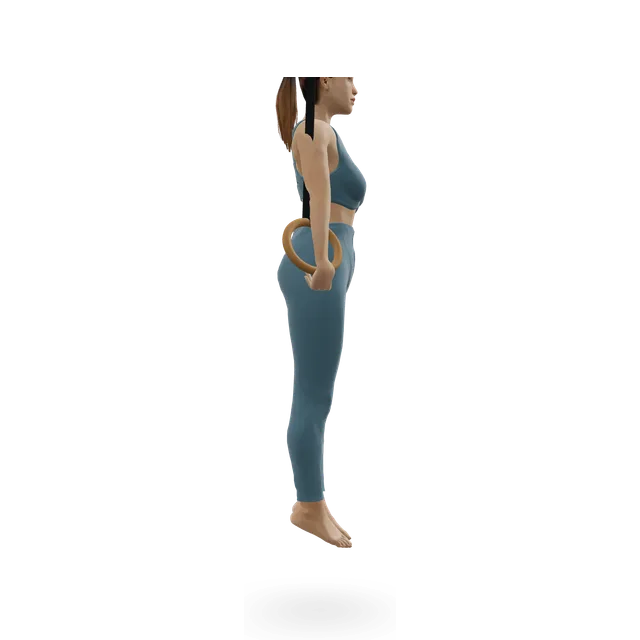 3D demoRing dipAdvanced · Gymnastic rings
Similar move, advanced grade.
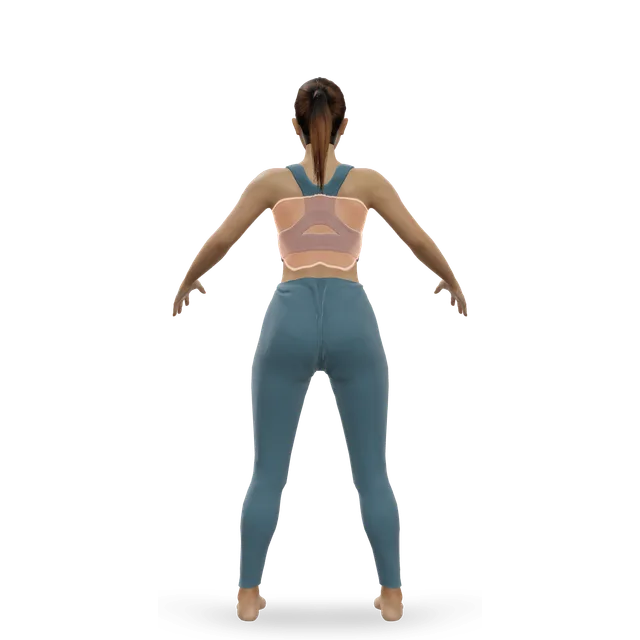
Harder option
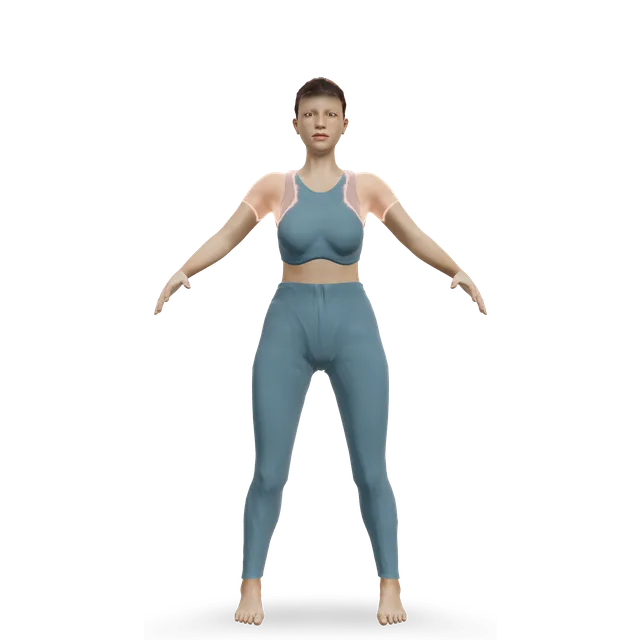 Ring muscle-up (strict)Expert · Gymnastic rings
Suggested next step, expert grade.
Source-researched guide.
How to move
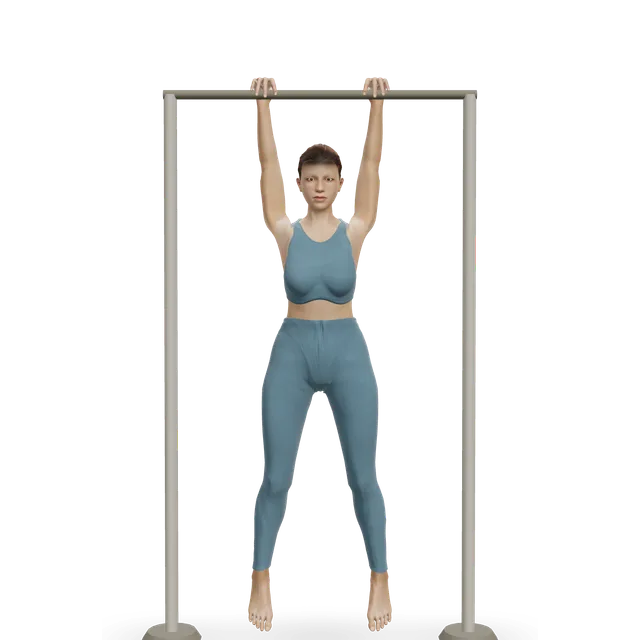
- Hang from the rings in a false grip: the heel of each hand over the top of the ring, the wrist bent over it.
- Swing the legs back a little, then sweep them forward and up while pulling hard, the head and chest going back.
- As the pull peaks, bring the rings to your armpits and roll the shoulders forward over them, the elbows travelling straight back, into the bottom of a dip.
- Press out of the dip to straight arms. Lower back through the dip to a hang with control, or step down onto a box.
Form cues
- Keep the rings close to the body through the pull.
- Avoid: losing the false grip before the turnover.
Practice and cautions
3 to 5 sets of 1 to 3, fresh, stopping when the turnover slows or the grip slips (our editorial starting point).
The kip drives the shoulders and elbows through the turnover faster than strength alone would, near the end of their range, and the shoulder is the joint calisthenics athletes injure most. Own strict pull-ups to the chest, deep ring dips and a false-grip hang first, and practise the swing on low rings. This is movement education, not an assessment or treatment prescription. Stop for sharp or increasing pain, dizziness, numbness or tingling; seek individual guidance for symptoms, injury or restrictions.
Sources and review status
Sources support the educational description; they do not establish that this exercise is suitable for you.
- Walker 2023 · Ring and bar muscle-ups compared: the rings worked the arms and forearms harder, and the bar version may be the one to learn first (EMG, IJES) ↗
- Dinunzio 2019 · The kipping pull-up against the strict pull-up: more hip swing and trunk muscle work, less biceps (EMG and motion analysis, Sports Biomech) ↗
- Ngo 2021 · Injuries in 93 street-workout athletes: the shoulder the most often hurt, tendinopathy the commonest diagnosis (survey, Orthop J Sports Med) ↗
- Free Exercise DB · community text ↗
Unlicense · Free Exercise DB contributors; derived from wrkout/exercises.json. Text import; no photographs or media. · Revision f00c92c7dcf1216a928a52c3706c7ce8e2f71ed5
No variation is labeled clinically validated.
What it works
Muscles
Main: Back, Triceps. Also: Biceps, Shoulders, Chest, Abs, Forearms.
Anatomy: Latissimus dorsi, Teres major, Trapezius, Rhomboids, Erector spinae, Multifidus.
Equipment
Gymnastic rings
Level
Expert. See the easier and harder options above.
Similar moves
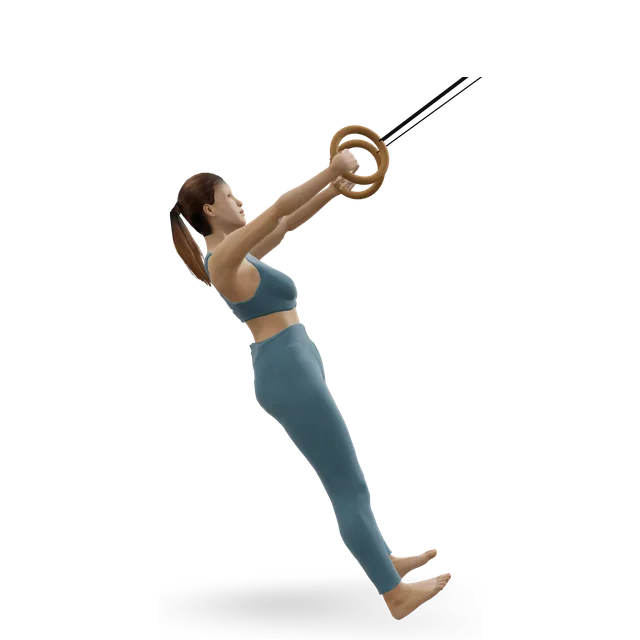
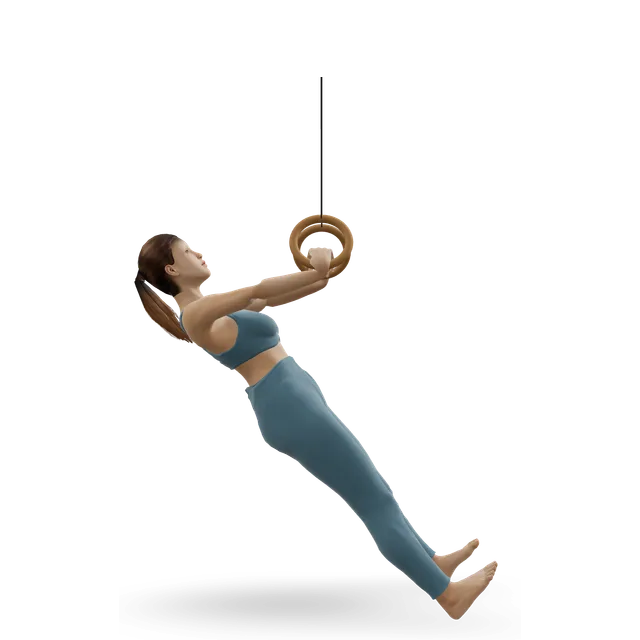
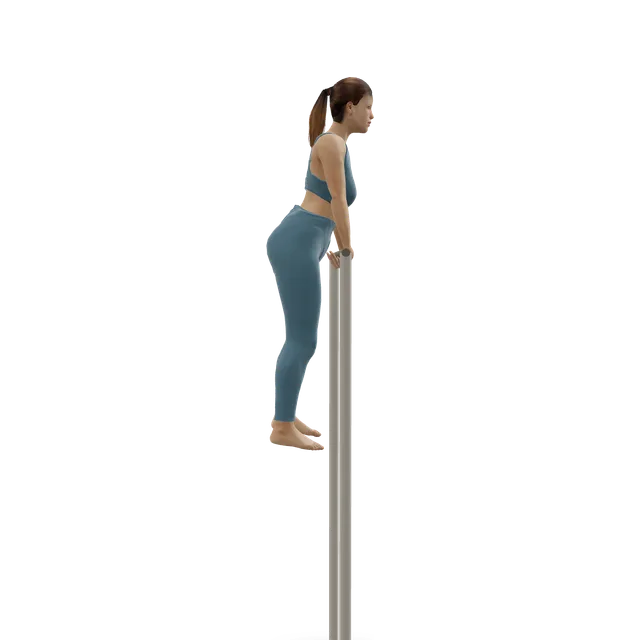
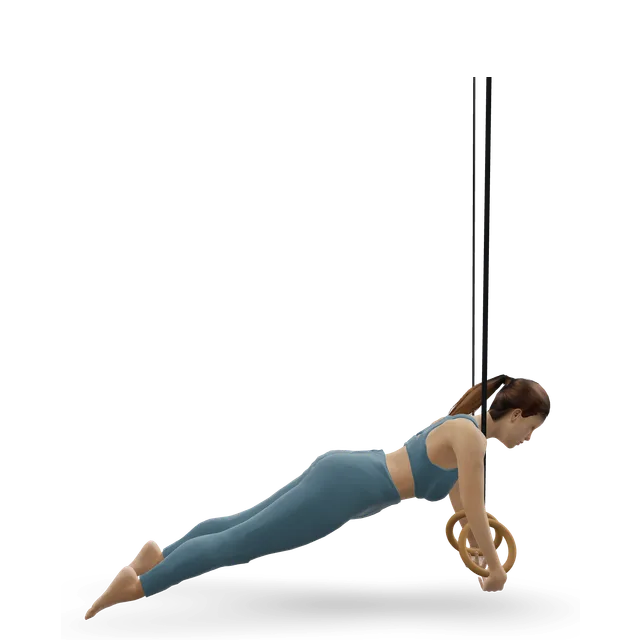
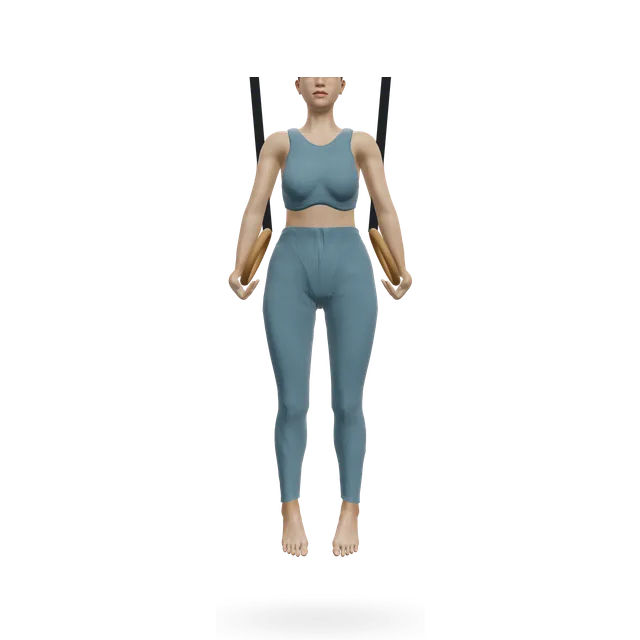
Browse more
Questions people ask
What muscles does the Kipping ring muscle-up work?
Mainly the back and triceps, with help from the biceps, shoulders, chest, abs and forearms.
What equipment do I need for the Kipping ring muscle-up?
Gymnastic rings.
Is the Kipping ring muscle-up good for beginners?
It is an advanced move. Build up to it with the Ring dip first.
What is an easier alternative to the Kipping ring muscle-up?
Try the Ring dip or the Ring dip (jump to support). It works similar muscles at a lower grade.
How do I make the Kipping ring muscle-up harder?
Progress to the Ring muscle-up (strict). Follow that guide’s technique and any stated timing.