Ring muscle-up (strict)
From a false-grip hang on rings, you pull the rings down your midline to your chest, drive your chest forward over your hands into the bottom of a dip, and press out to a straight-arm support. It is the strict version, with no swing, unlike the kipping ring muscle-up. In an EMG study, ring muscle-ups worked the biceps, forearms and triceps harder than bar muscle-ups, and the authors suggested learning the bar version first.
Movement guide
Ring muscle-up (strict)
Make it easier or harder
Choose a version that fits your control and comfort.
Easier option
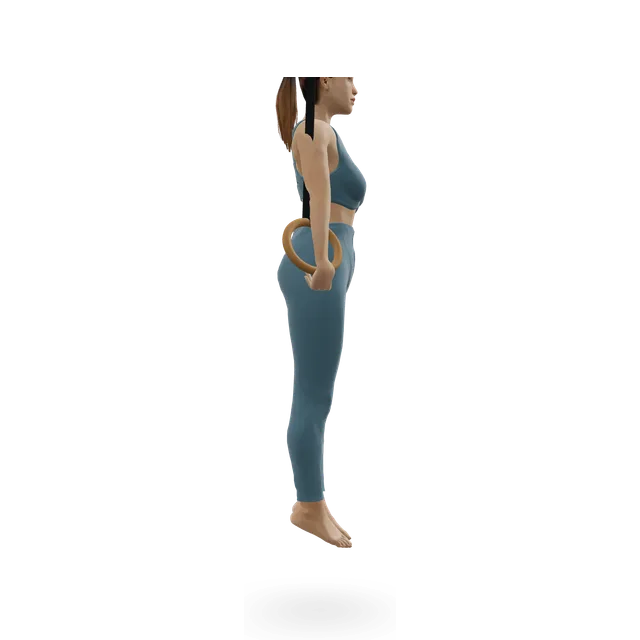 3D demoRing dipAdvanced · Gymnastic rings
Similar move, advanced grade.
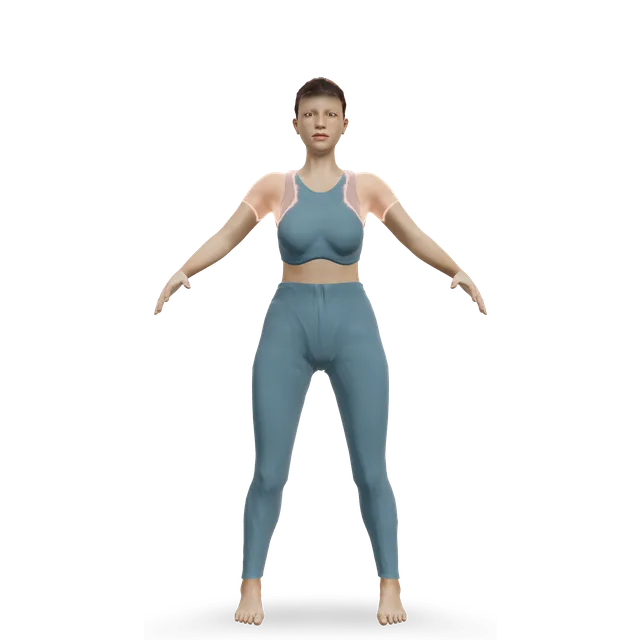
Harder option
Keep this variation and develop the control, repetitions or hold described in its guide before changing skills. ACSM 2026 resistance training position stand
Source-researched guide.
How to move
- Hang from rings set high enough to clear your feet, in a false grip: each ring in the heel of the hand, the wrist bent over it.
- Pull strongly with your elbows close to your sides, bringing the rings down past your face to your lower chest.
- As the pull peaks, lean your chest forward over the rings and turn your elbows back and up, passing into the bottom of a dip with the rings beside your chest.
- Press out of the dip to straight arms, turning the rings out at the top. Lower back down through the dip and the pull with control.
Form cues
- Keep the rings close to your body all the way.
- Think of pulling a T-shirt on over your head through the transition.
- Avoid: losing the false grip before the transition.
Practice and cautions
3 to 5 sets of 1 or 2 on fresh arms (our editorial starting point), with transition practice on low rings, feet on the floor, on other days.
The deep catch loads the shoulder at end range and the false grip loads the elbow and wrist throughout. Kipping through the transition before you own the strict pieces is a well worn route to shoulder and elbow injury. This is movement education, not an assessment or treatment prescription. Stop for sharp or increasing pain, dizziness, numbness or tingling; seek individual guidance for symptoms, injury or restrictions.
Sources and review status
Sources support the educational description; they do not establish that this exercise is suitable for you.
- GMB Fitness · How to do a strict rings muscle-up (the false grip, the pull, the transition and the press; about 5 pull-ups and 5 dips first) ↗
- Walker 2023 · Ring muscle-ups worked the biceps, forearm flexors and triceps harder than bar muscle-ups; the bar may be the one to learn first (EMG of 10 men, IJES) ↗
- Ngo 2021 · Injuries in 93 street workout athletes: the shoulder most often hurt, then the upper back, elbow and wrist; tendinopathy the commonest diagnosis (survey, Orthop J Sports Med) ↗
No variation is labeled clinically validated.
What it works
Muscles
Main: Back, Triceps. Also: Biceps, Chest, Shoulders, Forearms, Abs.
Anatomy: Latissimus dorsi, Teres major, Trapezius, Rhomboids, Erector spinae, Multifidus.
Equipment
Gymnastic rings
Level
Expert. See the easier and harder options above.
Similar moves
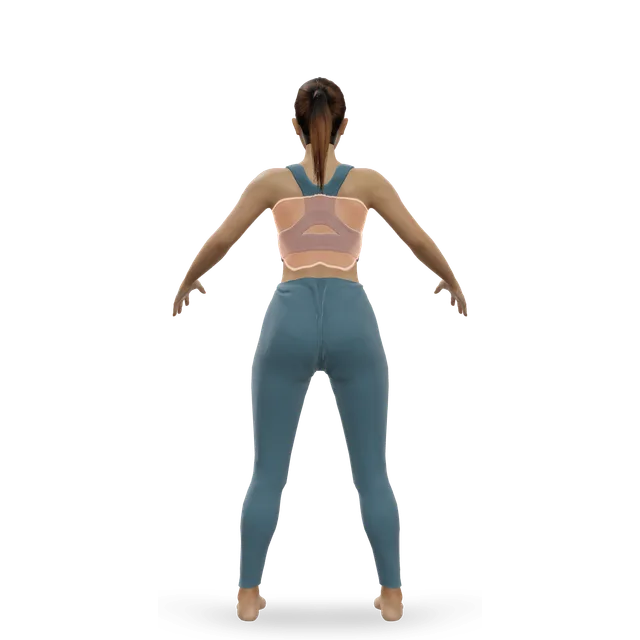
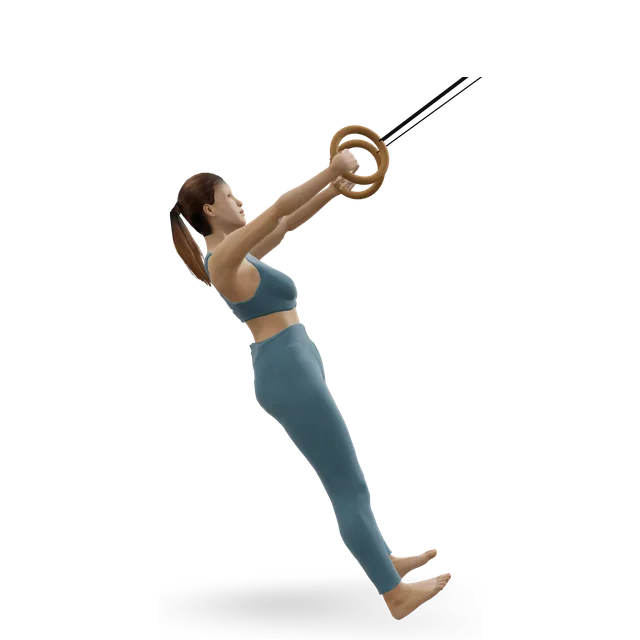
Browse more
Questions people ask
What muscles does the Ring muscle-up (strict) work?
Mainly the back and triceps, with help from the biceps, chest, shoulders, forearms and abs.
What equipment do I need for the Ring muscle-up (strict)?
Gymnastic rings.
Is the Ring muscle-up (strict) good for beginners?
It is an advanced move. Build up to it with the Ring dip first.
What is an easier alternative to the Ring muscle-up (strict)?
Try the Ring dip or the Ring dip (jump to support). It works similar muscles at a lower grade.