Ball back extension
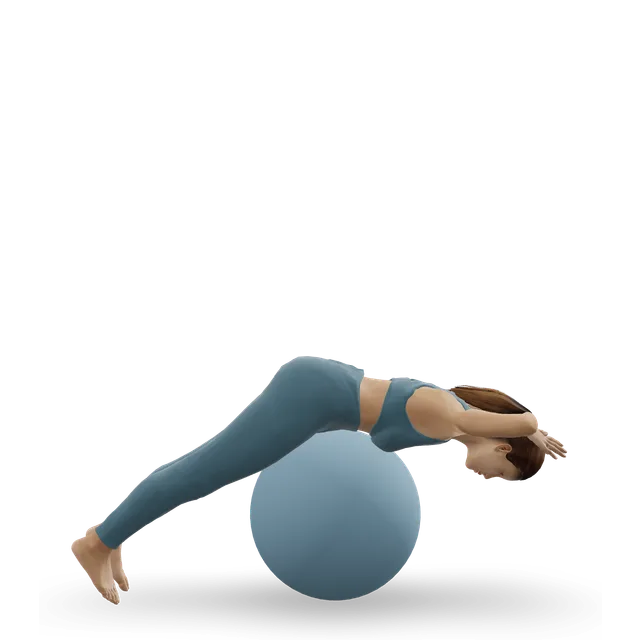
Face down over a stability ball with the feet on the floor, the trunk rises from draped over the ball until it is in line with the legs: the NSCA's beginner back extension, which on the ball worked the extensors no harder and loaded the spine less than on a mat. A plate held at the chest makes it heavier.
Back extension family
Ball back extension
Loading the 3D figure…
Source-researched guide. Clinical review is pending.
How to move
- Lie face down over a stability ball, the hips and lower belly on it and the balls of the feet pressed into the floor behind.
- With the hands behind the head, raise the trunk until it is in line with the legs.
- Hold, then lower slowly over the ball.
Form cues
- Rise only to a straight line, not past it.
- Widen the feet for balance.
Practice and cautions
No universal dose is assigned. Choose a manageable amount for your current capacity, leave room for controlled repetitions, and allow recovery. A clinician’s individual plan takes priority.
With osteoporosis, start with the back flat on the ball rather than draped over it. This is movement education, not an assessment or treatment prescription. Stop for sharp or increasing pain, dizziness, numbness or tingling; seek individual guidance for symptoms, injury or restrictions.
Sources and review status
Sources support the educational description; they do not establish that this exercise is suitable for you.
- NSCA · Foundations of Fitness Programming (sample core progressions: the ball back extension before the hip and back extension, dumbbell lateral flexion after the side planks, the ball jackknife among the advanced moves) ↗
- Drake 2006 · Trunk extensor exercises on and off an exercise ball (on the ball, the same or less extensor activity and less spinal load; JMPT) ↗
- Free Exercise DB · community text ↗
Unlicense · Free Exercise DB contributors; derived from wrkout/exercises.json. Text import; no photographs or media. · Revision f00c92c7dcf1216a928a52c3706c7ce8e2f71ed5
No variation is labeled clinically validated.
What it works
Muscles
Main: Back, Glutes. Also: Hamstrings.
Anatomy: Latissimus dorsi, Teres major, Trapezius, Rhomboids, Erector spinae, Multifidus.
Equipment
Exercise ball
Level
Beginner. See the easier and harder options above.
Workouts that use it
Guides that use it
Similar moves
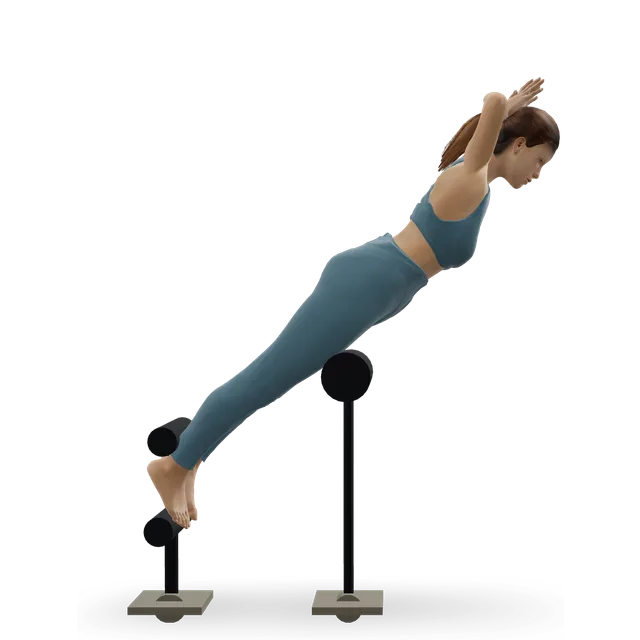 3D demoBack extension on a 45-degree benchIntermediate · A bench or box
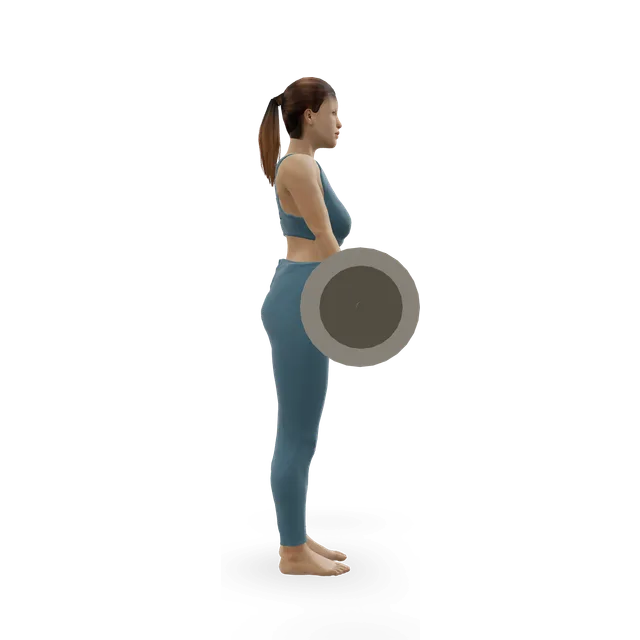 3D demoAxle deadliftAdvanced · Other / check instructions
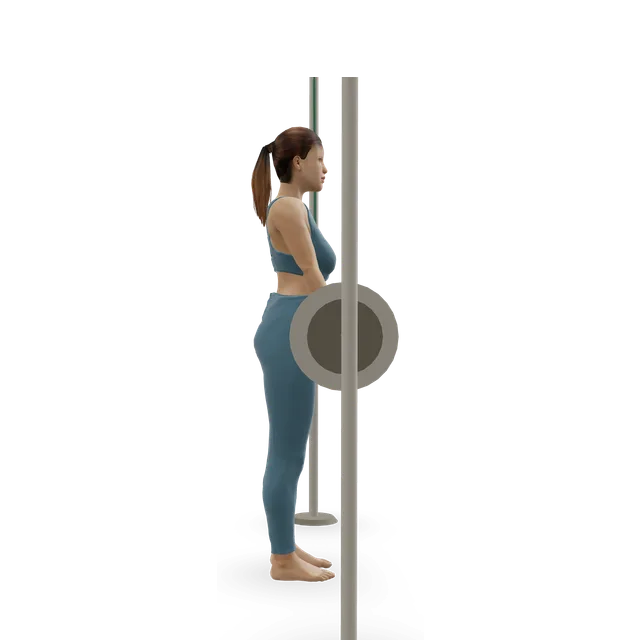 3D demoReverse band deadliftAdvanced · A barbell + A band
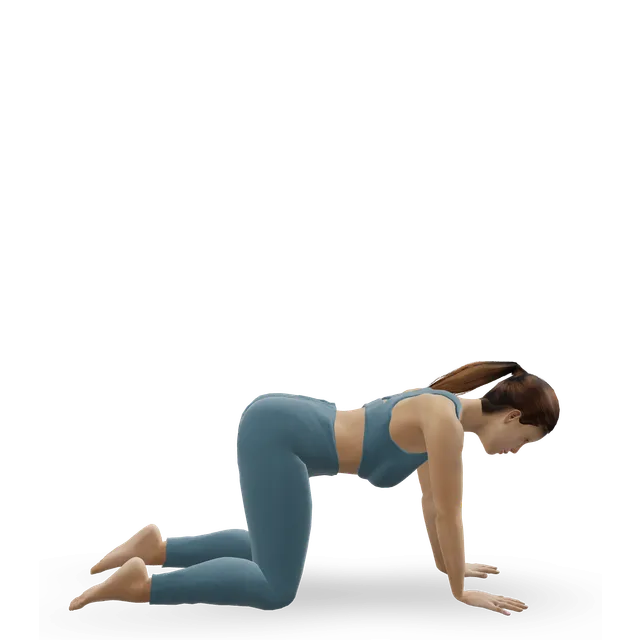 3D demoGlute kickback (quadruped hip extension)Beginner · No equipment
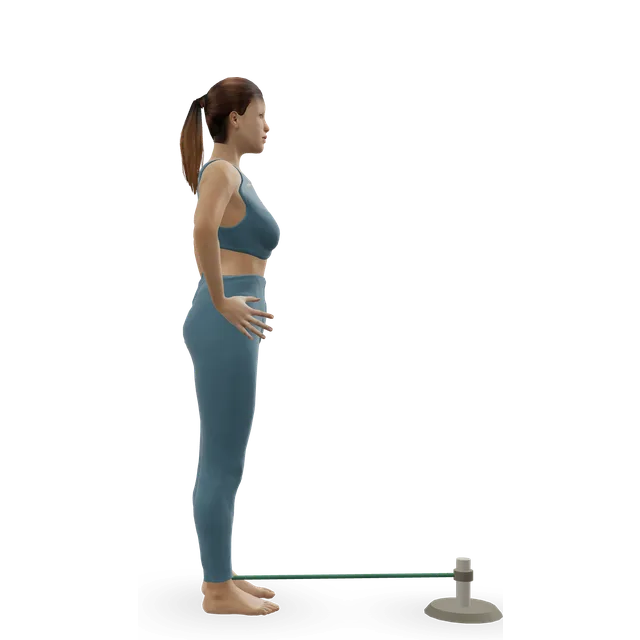 3D demoStanding band hip extensionBeginner · A band + An anchor point
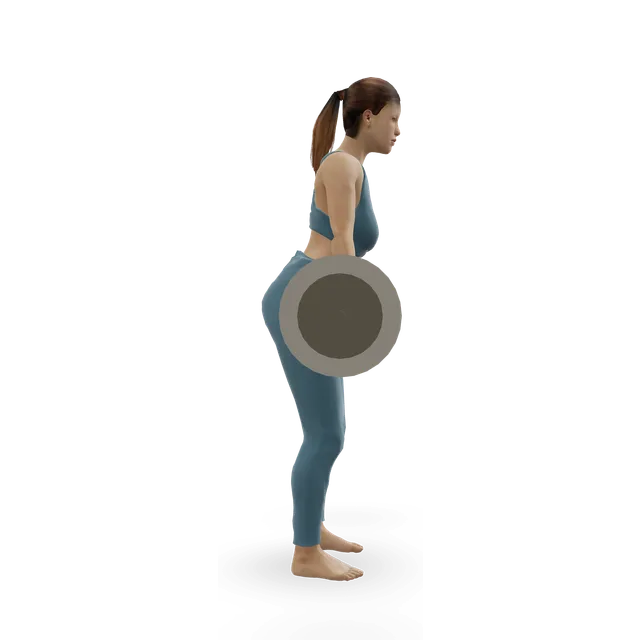 3D demoMuscle snatchIntermediate · A barbell
Browse more
Questions people ask
What muscles does the Ball back extension work?
Mainly the back and glutes, with help from the hamstrings.
What equipment do I need for the Ball back extension?
Exercise ball.
Is the Ball back extension good for beginners?
It is graded beginner, so it suits most people starting out. When it feels easy, try the Horizontal back extension (hyperextension, Roman chair).
What is an easier alternative to the Ball back extension?
Try the Prone back raise, arms out to the sides or the Bird dog. It is the suggested step down from this move.
How do I make the Ball back extension harder?
Progress to the Horizontal back extension (hyperextension, Roman chair) or the Back extension off a flat bench. Follow that guide’s technique and any stated timing.