Reverse hyperextension
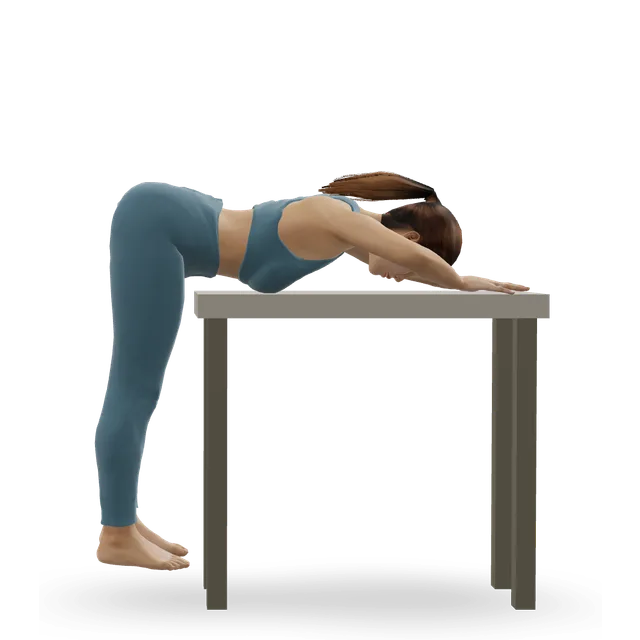
Face down on a high bench or the machine with the hips past its end, the legs swing up from hanging to level with the body and lower. The two studies that compared it with the back extension disagree: one found higher peak activity in the back extensors, glutes and hamstrings, while the other found more total glute and hamstring activity in the back extension, and in the reverse version more hip range and less lower-back bending but a higher low-back load.
Back extension family
Reverse hyperextension
Loading the 3D figure…
Source-researched guide. Clinical review is pending.
How to move
- Lie face down along a high bench with the hips just past its end, the hands holding on.
- Swing the legs up from hanging until they are level with the body, the hips extending.
- Lower them back under control.
Form cues
- Stop at level; don't arch past straight.
- Control the swing on the way down.
Practice and cautions
No universal dose is assigned. Choose a manageable amount for your current capacity, leave room for controlled repetitions, and allow recovery. A clinician’s individual plan takes priority.
This is movement education, not an assessment or treatment prescription. Stop for sharp or increasing pain, dizziness, numbness or tingling; seek individual guidance for symptoms, injury or restrictions.
Sources and review status
Sources support the educational description; they do not establish that this exercise is suitable for you.
- Cuthbert 2021 · Hyperextension and reverse hyperextension compared in 10 adults (the reverse drew higher peak activity in the back extensors, glutes and hamstrings; JSCR) ↗
- Lawrence 2019 · The reverse hyperextension against the back extension in 20 adults (more hip range, less lower-back bending and a higher low-back moment, but less total glute and hamstring activity; JSCR) ↗
- Free Exercise DB · community text ↗
Unlicense · Free Exercise DB contributors; derived from wrkout/exercises.json. Text import; no photographs or media. · Revision f00c92c7dcf1216a928a52c3706c7ce8e2f71ed5
No variation is labeled clinically validated.
What it works
Muscles
Main: Glutes, Hamstrings. Also: Back.
Anatomy: Gluteus maximus, Piriformis, Obturator internus, Hamstrings, Biceps femoris.
Equipment
A bench or box
Level
Advanced. See the easier and harder options above.
Guides that use it
Similar moves
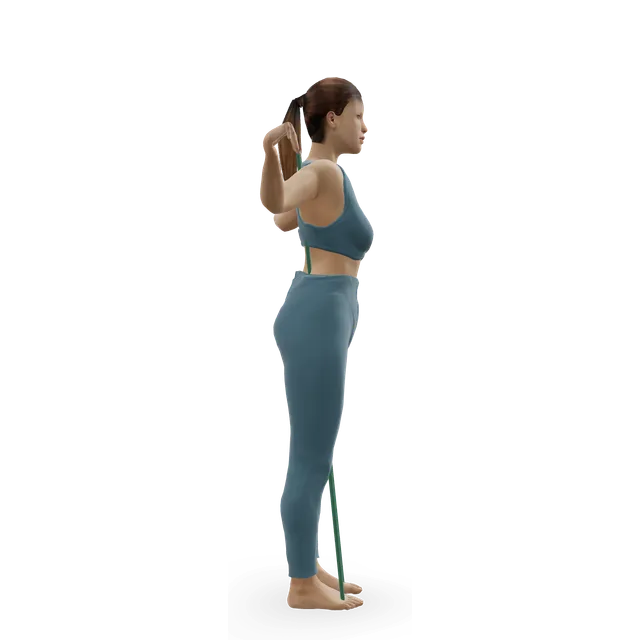 3D demoBand good morningBeginner · A band
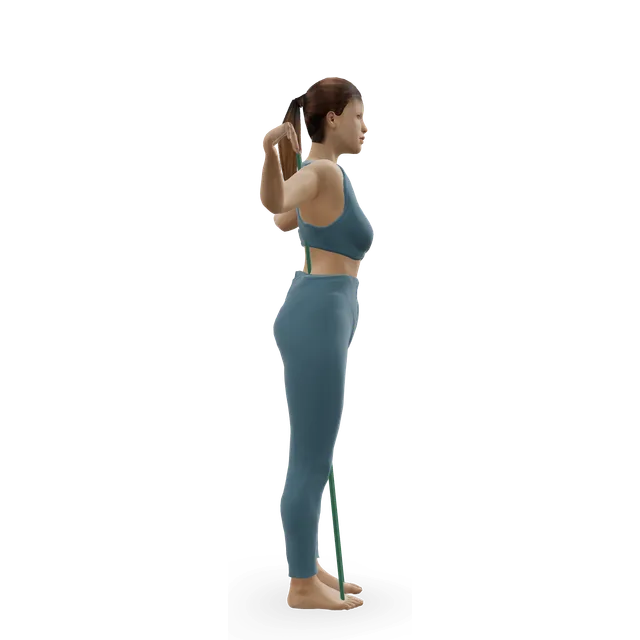 3D demoBand good morning, anchored to a rackBeginner · A band + An anchor point
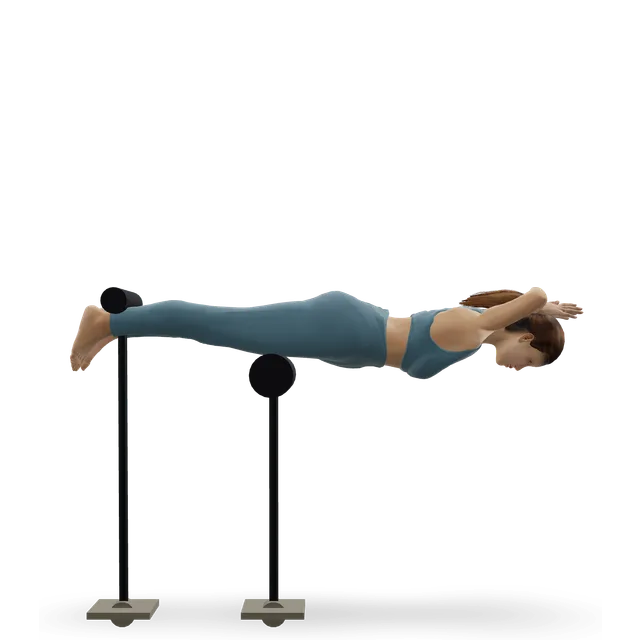 3D demoHorizontal back extension (hyperextension, Roman chair)Advanced · A bench or box
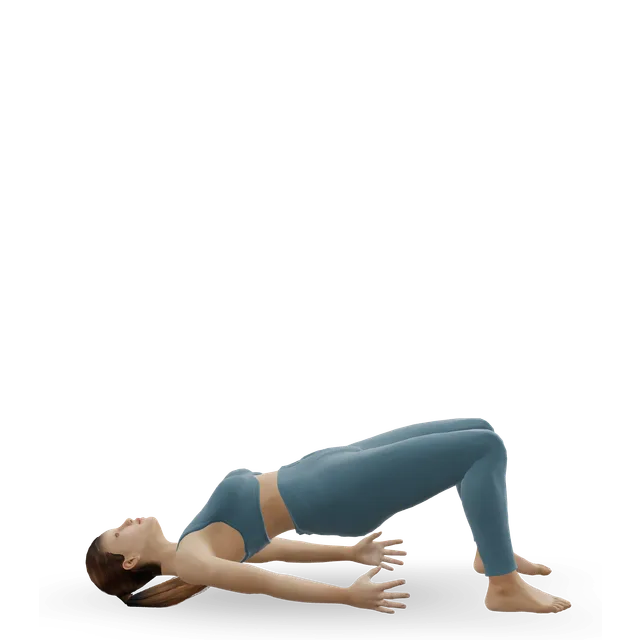 3D demoSlider hamstring curlIntermediate · No equipment
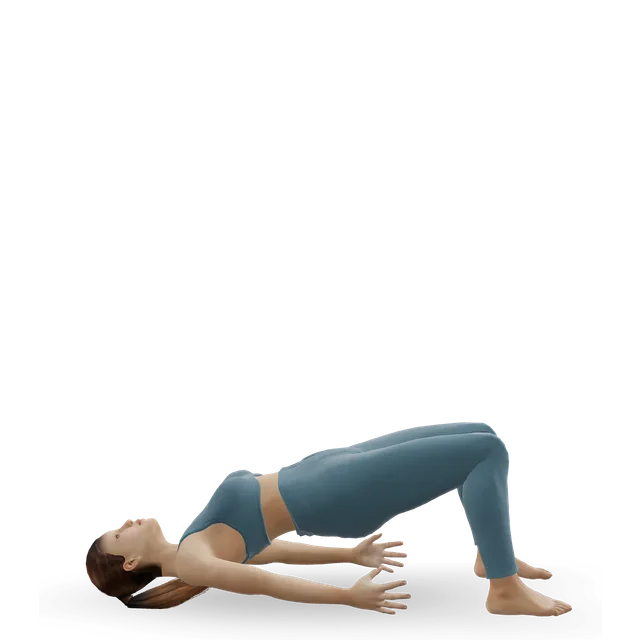 3D demoSlider hamstring curl, lowering onlyBeginner · No equipment
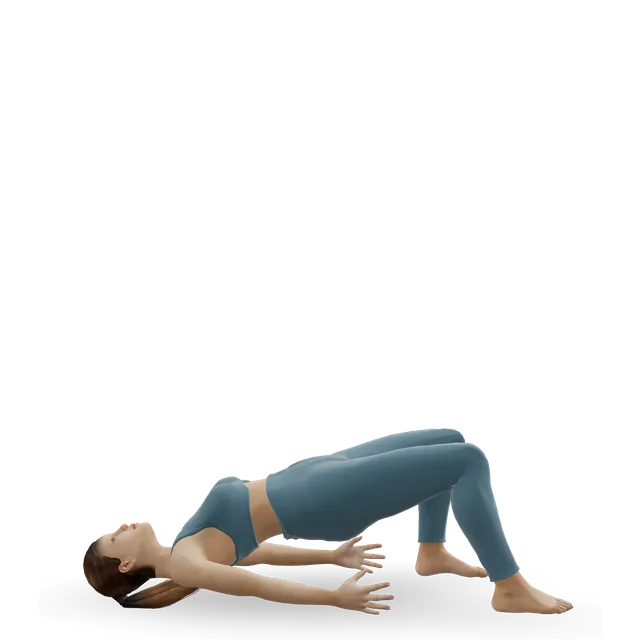 3D demoStaggered-stance bridge (offset bridge)Beginner · No equipment
Browse more
Questions people ask
What muscles does the Reverse hyperextension work?
Mainly the glutes and hamstrings, with help from the back.
What equipment do I need for the Reverse hyperextension?
A bench or box.
Is the Reverse hyperextension good for beginners?
It is an advanced move. Build up to it with the Ball back extension first.
What is an easier alternative to the Reverse hyperextension?
Try the Ball back extension or the Back extension on a 45-degree bench. Both are written steps in the same progression.