Bicycle crunch
Lying with the shoulders curled up, one elbow turns toward the drawing-in opposite knee as the other leg reaches long, in a slow pedalling rhythm: in an ACE-commissioned study of 30 adults, which wasn't peer reviewed, it ranked first of 13 exercises for the rectus abdominis and second for the obliques.
Abdominal curl family
Bicycle crunch
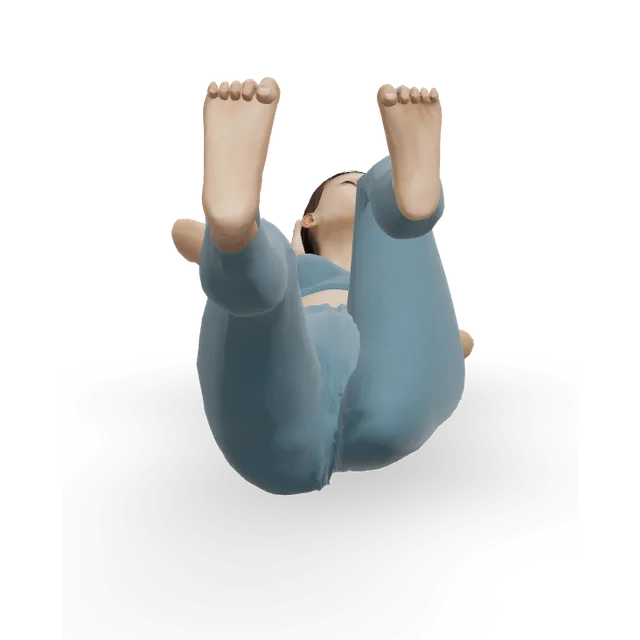
Loading the 3D figure…
Source-researched guide.
How to move
- Lie on the back with the hands lightly beside the head and the shoulders curled up.
- Draw one knee in and turn the opposite elbow toward it as the other leg reaches long.
- Switch sides in a slow pedalling rhythm.
Form cues
- Turn from the ribs; don't pull on the head.
- Keep the low back on the floor.
Practice and cautions
No universal dose is assigned. Choose a manageable amount for your current capacity, leave room for controlled repetitions, and allow recovery. A clinician’s individual plan takes priority.
With osteoporosis, a UK consensus advises modifying or avoiding repeated or end-range rounding of the spine: choose a dead bug, bird dog or plank instead. In pregnancy, after the first trimester, keep time flat on your back to a few minutes: prop your upper body up, or use a side-lying or all-fours version. Roll onto your side if you feel dizzy, sick or unwell. If the middle of your tummy bulges into a ridge, choose an easier move. In the first weeks after giving birth, the NHS advises avoiding sit-ups and planks to start with; build up from gentler tummy exercises. With a prolapse, leave it out: an NHS pelvic health physiotherapy service advises avoiding abdominal crunches, and our prolapse guide suggests the bird dog instead. After abdominal or bowel surgery (including gallbladder or appendix removal, a hernia repair, hysterectomy, caesarean, weight-loss surgery or a kidney or liver transplant), or with a stoma, leave this out while your tummy heals: UK stoma and hospital leaflets advise against sit-ups and double leg raises at first. Build up through gentler core exercises, breathe out on the effort, and stop if you notice bulging around a scar or stoma. This is movement education, not an assessment or treatment prescription. Stop for sharp or increasing pain, dizziness, numbness or tingling; seek individual guidance for symptoms, injury or restrictions.
Sources and review status
Sources support the educational description; they do not establish that this exercise is suitable for you.
- ACE-commissioned study · Top ab exercises (captain's chair knee raise and reverse crunch) ↗
- ACE · Supine bicycle crunches (intermediate; the crunch beginner) ↗
- Free Exercise DB · community text ↗
Unlicense · Free Exercise DB contributors; derived from wrkout/exercises.json. Text import; no photographs or media. · Revision f00c92c7dcf1216a928a52c3706c7ce8e2f71ed5
No variation is labeled clinically validated.
What it works
Equipment
None: body weight and floor space.
Level
Intermediate. See the easier and harder options above.
Guides that use it
Similar moves
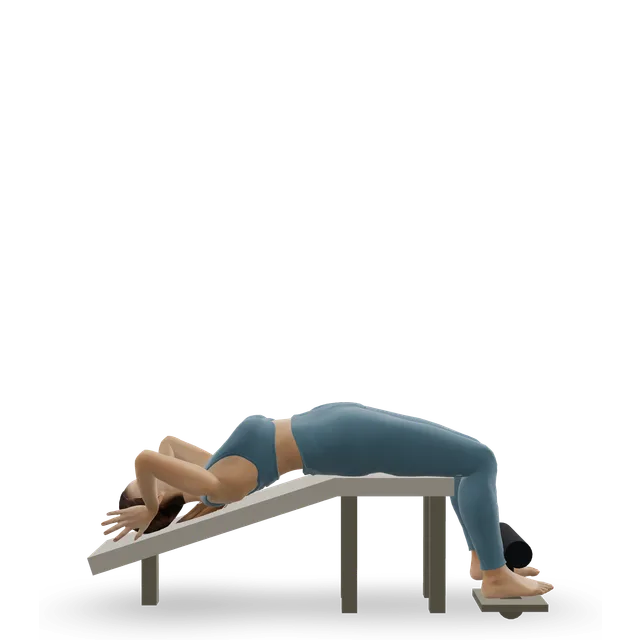 3D demoDecline oblique crunchIntermediate · A bench or box
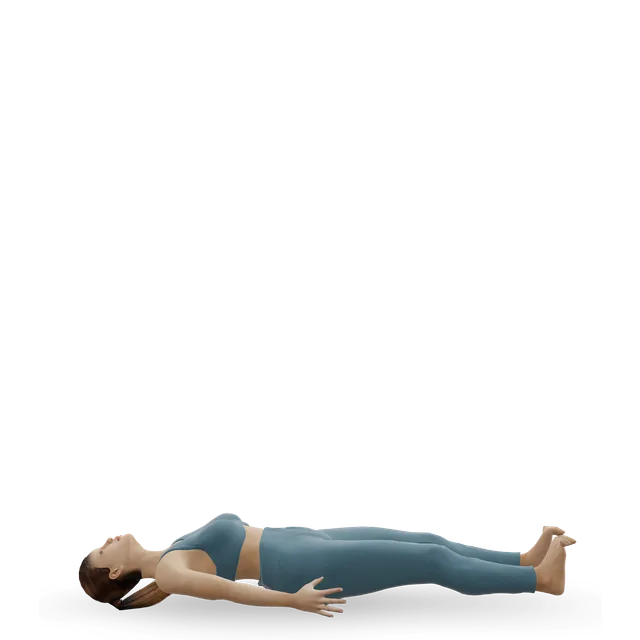 3D demoDecline reverse crunchIntermediate · A bench or box
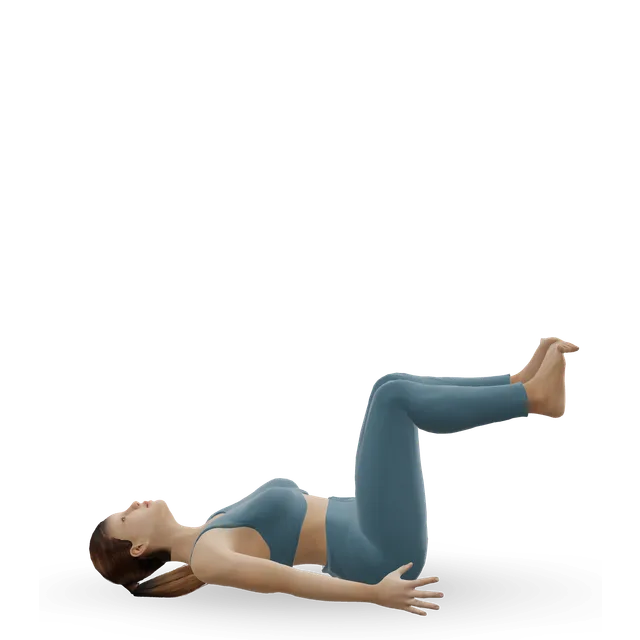 3D demoReverse crunchIntermediate · No equipment
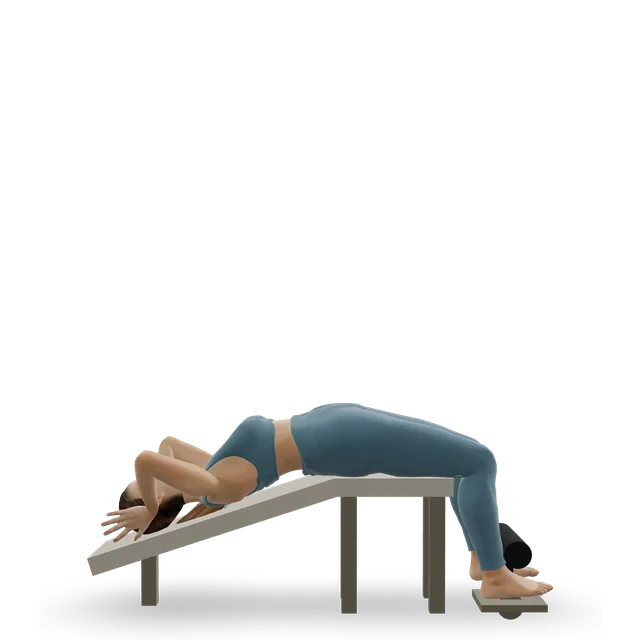 3D demoDecline crunchIntermediate · A bench or box
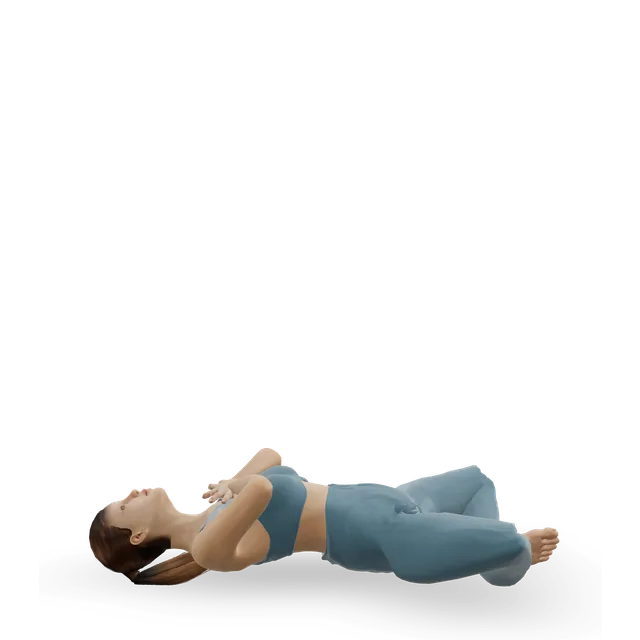 3D demoFrog crunch (soles together)Beginner · No equipment
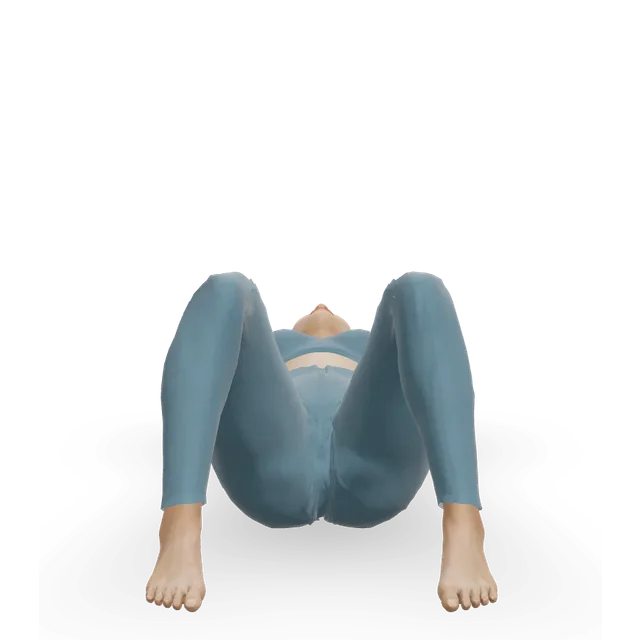 3D demoOblique crunch with the feet on a benchBeginner · A bench or box
Browse more
Questions people ask
What muscles does the Bicycle crunch work?
Mainly the abs, with help from the hip flexors.
What equipment do I need for the Bicycle crunch?
No equipment: your body weight and a little floor space.
Is the Bicycle crunch good for beginners?
It is graded intermediate. If it is too hard right now, start with the Crunch.
What is an easier alternative to the Bicycle crunch?
Try the Crunch or the Crunch with the legs on a ball. Both are written steps in the same progression.
How do I make the Bicycle crunch harder?
Progress to the Ab wheel rollout from the knees or the Chin-up with a knee raise (gorilla chin). Follow that guide’s technique and any stated timing.