McGill curl-up
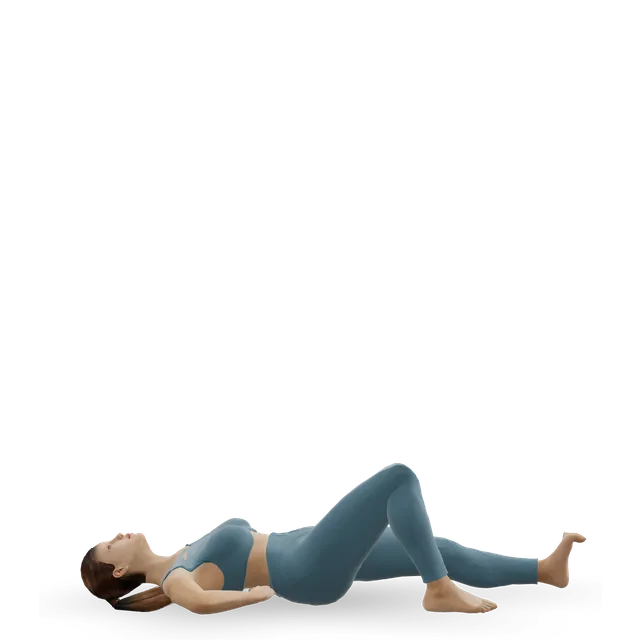
Lying with one knee bent and the hands under the low back to keep its curve, the head and shoulders lift a couple of centimetres as one piece and hold: the abdominal wall works hard while the lumbar spine barely bends.
Abdominal curl family
McGill curl-up
Loading the 3D figure…
Source-researched guide.
How to move
- Lie on your back with one knee bent and that foot flat, the other leg straight, and slide both hands palms down under the hollow of your low back.
- Brace lightly, then lift your head and shoulders a few centimetres as one piece, the chin neither tucked nor poking.
- Hold for 8 to 10 seconds, breathing, then lower; switch the bent leg halfway through.
Form cues
- Lift the chest, not the chin.
- The low back keeps its curve on your hands.
Practice and cautions
No universal dose is assigned. Choose a manageable amount for your current capacity, leave room for controlled repetitions, and allow recovery. A clinician’s individual plan takes priority.
Skip if bending forward reproduces pain down a leg. If you have thinning bones, keep the lift small and check with a clinician. This is movement education, not an assessment or treatment prescription. Stop for sharp or increasing pain, dizziness, numbness or tingling; seek individual guidance for symptoms, injury or restrictions.
Sources and review status
Sources support the educational description; they do not establish that this exercise is suitable for you.
No variation is labeled clinically validated.
What it works
Equipment
None: body weight and floor space.
Level
Beginner. See the easier and harder options above.
Workouts that use it
Pain guides that use it
Part of a staged plan, with when to get help first.
- Herniated, bulging or slipped disc: what the scan means and how to exercise
- Pulled stomach muscle and side strain: tummy pain that isn't a strain, recovery times, and a staged plan
- Back pain in children and teenagers: muscles, sport, school bags, warning signs and staying active
- Lower back pain when doing leg raises: the arch, the hip flexors, the tummy muscles and what helps
- Neck pain when doing sit-ups: pulling on your head, the neck muscles, technique and swaps
- Lower back pain when doing planks: the sag, the hip flexors, holding too long and what helps
- Lower back pain when doing sit-ups: the arch, the hip flexors, the tailbone, crunches and what helps
- Hip flexor pain when doing sit-ups: the front of the hip, anchored feet, the groin and swaps
Show all 17 pain guidesShow fewer pain guides
- Groin pain when doing sit-ups: hooked feet, the inner thigh, the lower tummy, hernias and swaps
- Back pain from jump rope: landings, posture and rope length, young athletes and what helps
- Lower back pain when doing ab wheel rollouts: the sag, how far to roll, the hip flexors and swaps
- Back pain from horse riding: sitting trot, saddle and stirrups, the tailbone, the yard and falls
- Back pain from basketball: jumping, landing, contact, stress fractures in teens and what helps
- Back pain from volleyball: spiking and serving, jumping, stress fractures in teens and what helps
- Back pain after football (soccer): kicking, tackles, young players' stress fractures and what helps
- Back pain after rugby: scrums, rucks and tackles, young players' stress fractures and what helps
- Back pain from hockey: field and ice hockey, the crouch, drag flicks, young players and what helps
Guides that use it
Similar moves
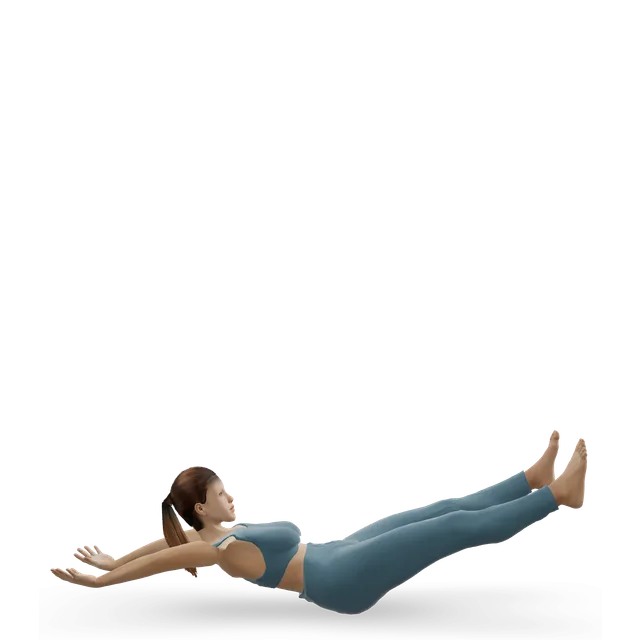
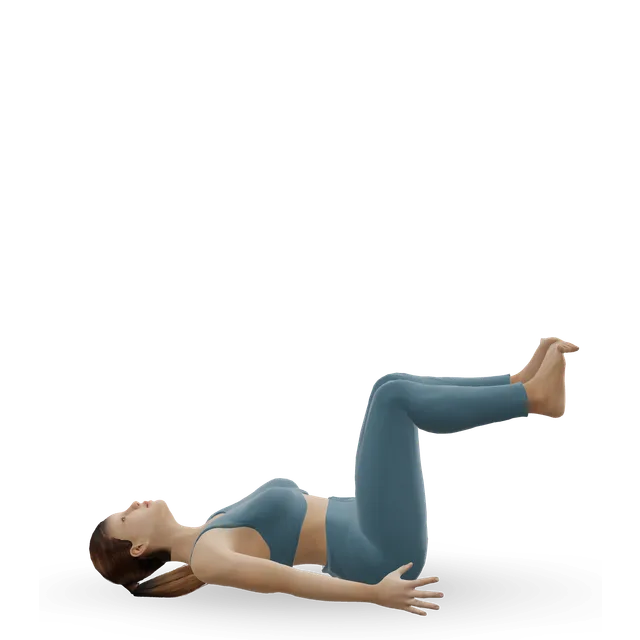
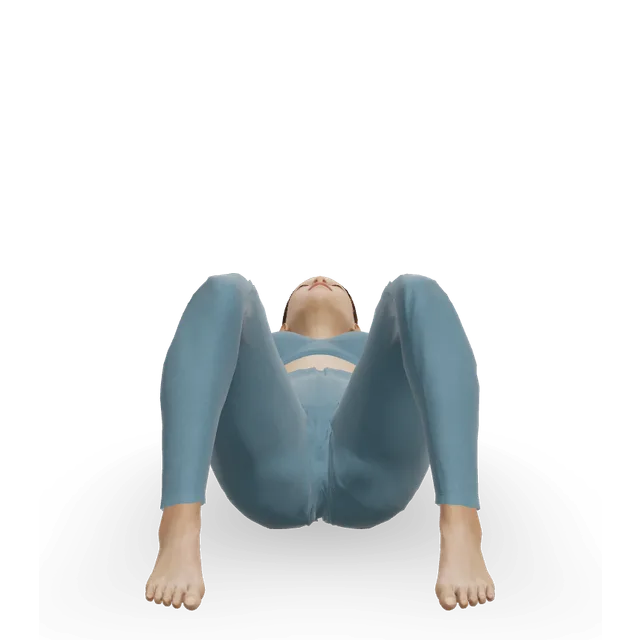
Browse more
Questions people ask
What muscles does the McGill curl-up work?
Mainly the abs.
What equipment do I need for the McGill curl-up?
No equipment: your body weight and a little floor space.
Is the McGill curl-up good for beginners?
It is graded beginner, so it suits most people starting out. When it feels easy, try the Crunch.
How do I make the McGill curl-up harder?
Progress to the Crunch or the Crunch with the legs on a ball. Follow that guide’s technique and any stated timing.