Crunch
Lying with the knees bent and the feet flat, the shoulders curl up off the floor while the low back stays down: more spine flexion than the curl-up, and among the highest rectus abdominis activity measured. In a trial of 70 women with a gap between the tummy muscles 6 to 12 months after birth, 12 weeks of head lifts, curl-ups and twisted curl-ups didn't widen the gap and made the muscles stronger.
Abdominal curl family
Crunch
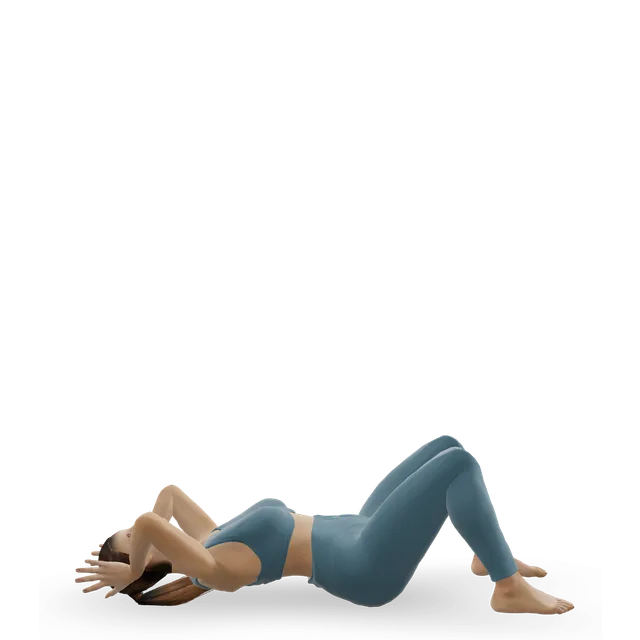
Loading the 3D figure…
Source-researched guide.
How to move
- Lie on your back with the knees bent and the feet flat, hip-width apart, the hands lightly at the sides of your head.
- Breathe out and curl the shoulder blades up off the floor, the ribs drawing toward the pelvis and the low back staying on the floor.
- Pause, then lower slowly to the floor.
Form cues
- Hands at the head only lightly; don't pull on the neck.
- Curl, don't lift: the low back stays down.
Practice and cautions
No universal dose is assigned. Choose a manageable amount for your current capacity, leave room for controlled repetitions, and allow recovery. A clinician’s individual plan takes priority.
Repeated spine bending can aggravate some back problems; choose the curl-up if it does. With osteoporosis, avoid deep or repeated rounding of the spine. In pregnancy, after the first trimester, keep time flat on your back to a few minutes: prop your upper body up, or use a side-lying or all-fours version. Roll onto your side if you feel dizzy, sick or unwell. If the middle of your tummy bulges into a ridge, choose an easier move. In the first weeks after giving birth, the NHS advises avoiding sit-ups and planks to start with; build up from gentler tummy exercises. After abdominal or bowel surgery (including gallbladder or appendix removal, a hernia repair, hysterectomy, caesarean, weight-loss surgery or a kidney or liver transplant), or with a stoma, leave this out while your tummy heals: UK stoma and hospital leaflets advise against sit-ups and double leg raises at first. Build up through gentler core exercises, breathe out on the effort, and stop if you notice bulging around a scar or stoma. This is movement education, not an assessment or treatment prescription. Stop for sharp or increasing pain, dizziness, numbness or tingling; seek individual guidance for symptoms, injury or restrictions.
Sources and review status
Sources support the educational description; they do not establish that this exercise is suitable for you.
- Escamilla 2006 · Abdominal muscle activity in commercial and common exercises (the crunch among the highest for the rectus abdominis; JOSPT) ↗
- Axler and McGill 1997 · Low back loads over 12 abdominal exercises (partial curl-ups gave the most abdominal challenge for the spine's load; sit-ups challenge hard at higher compression; Med Sci Sports Exerc) ↗
- Gluppe 2023 · Curl-ups in 70 women with diastasis recti after birth: stronger muscles, gap not widened (RCT, Journal of Physiotherapy) ↗
- Free Exercise DB · community text ↗
Unlicense · Free Exercise DB contributors; derived from wrkout/exercises.json. Text import; no photographs or media. · Revision f00c92c7dcf1216a928a52c3706c7ce8e2f71ed5
No variation is labeled clinically validated.
What it works
Equipment
None: body weight and floor space.
Level
Beginner. See the easier and harder options above.
Workouts that use it
Pain guides that use it
Part of a staged plan, with when to get help first.
- Neck pain after a workout: soreness or a strain, crunches, shrugs and presses, and training again
- Neck pain when doing sit-ups: pulling on your head, the neck muscles, technique and swaps
- Lower back pain when doing sit-ups: the arch, the hip flexors, the tailbone, crunches and what helps
- Hip flexor pain when doing sit-ups: the front of the hip, anchored feet, the groin and swaps
- Groin pain when doing sit-ups: hooked feet, the inner thigh, the lower tummy, hernias and swaps
Guides that use it
Similar moves
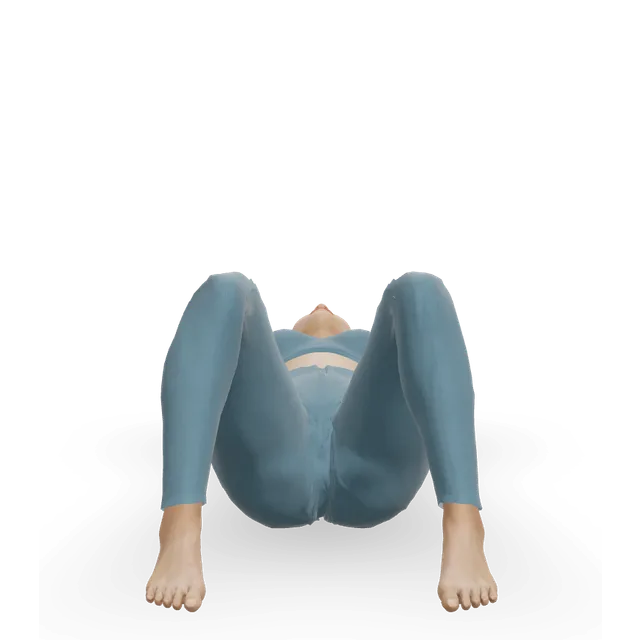 3D demoCross-body crunchBeginner · No equipment
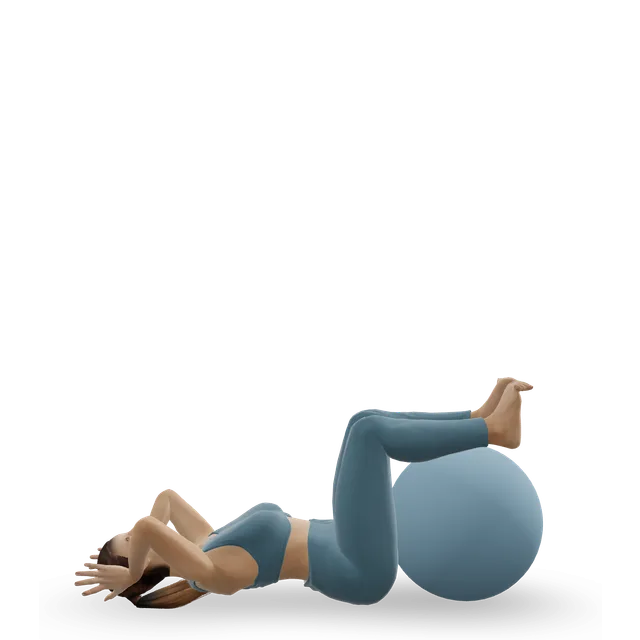 3D demoCrunch with the legs on a ballBeginner · Exercise ball
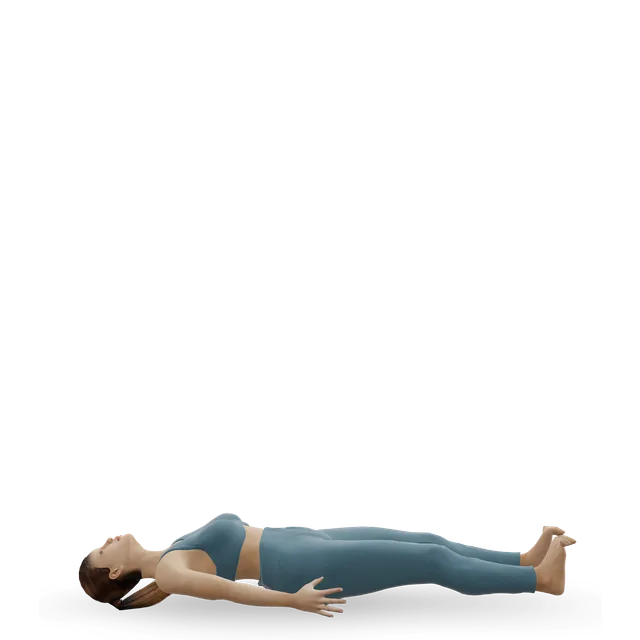 3D demoDecline reverse crunchIntermediate · A bench or box
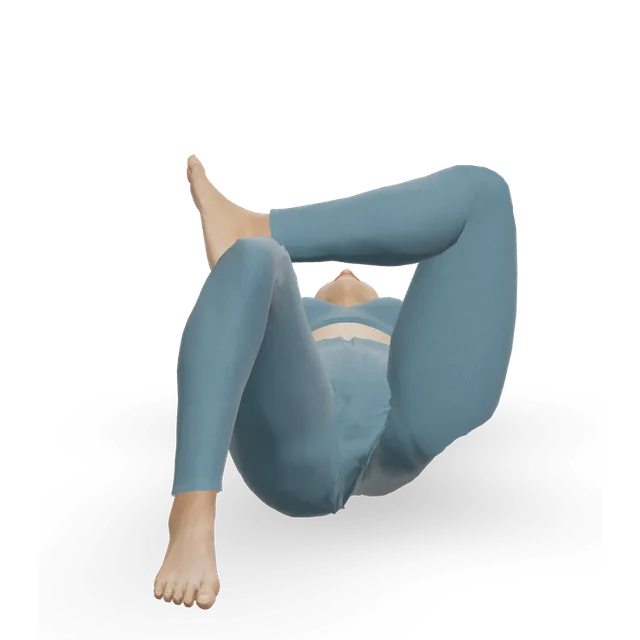 3D demoElbow-to-knee crunchBeginner · No equipment
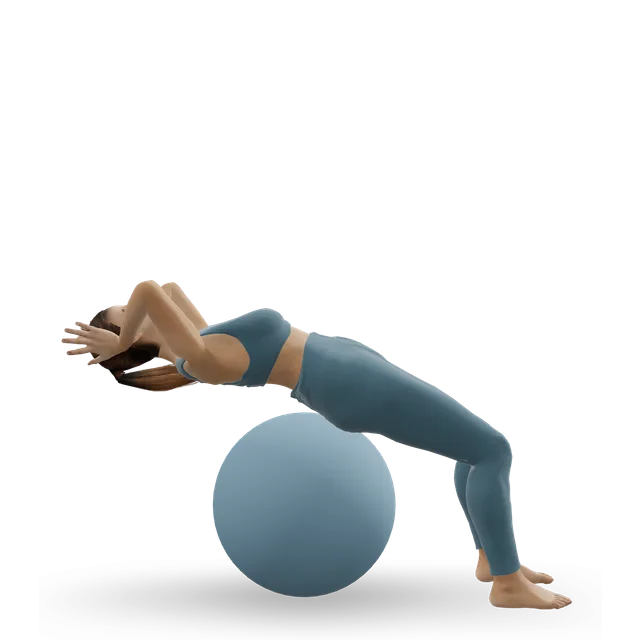 3D demoExercise ball crunchBeginner · Exercise ball
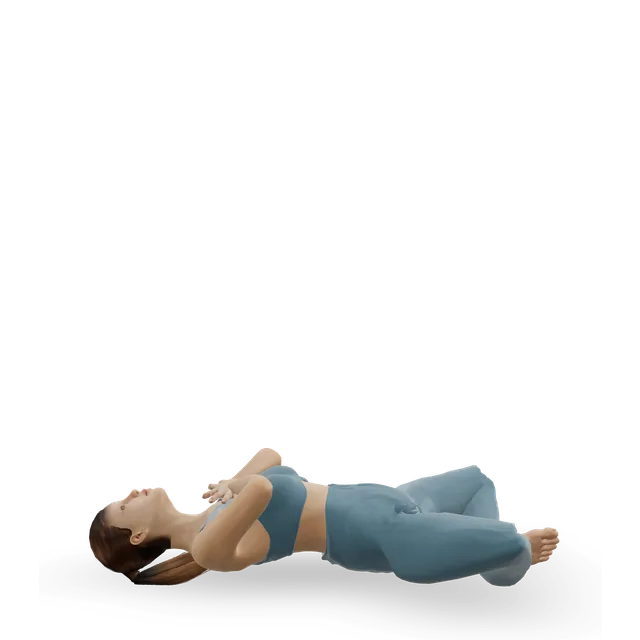 3D demoFrog crunch (soles together)Beginner · No equipment
Browse more
Questions people ask
What muscles does the Crunch work?
Mainly the abs.
What equipment do I need for the Crunch?
No equipment: your body weight and a little floor space.
Is the Crunch good for beginners?
It is graded beginner, so it suits most people starting out. When it feels easy, try the Sit-up (3/4 sit-up).
What is an easier alternative to the Crunch?
Try the McGill curl-up. Both are written steps in the same progression.
How do I make the Crunch harder?
Progress to the Sit-up (3/4 sit-up) or the Vertical toe touch. Follow that guide’s technique and any stated timing.