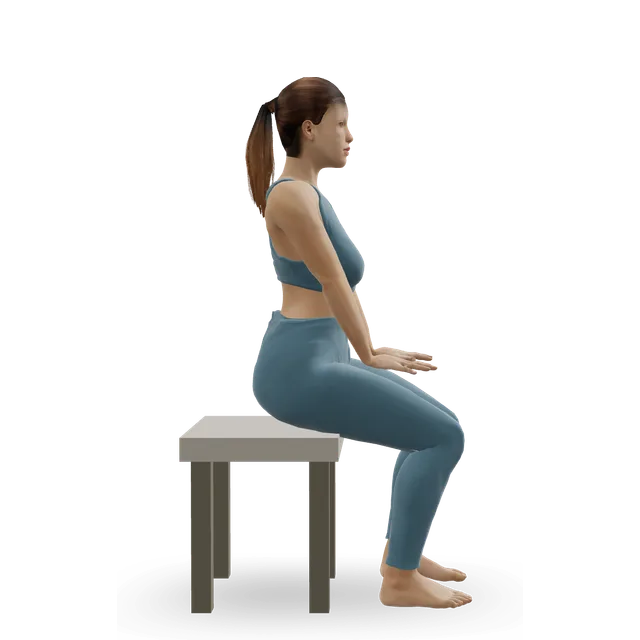
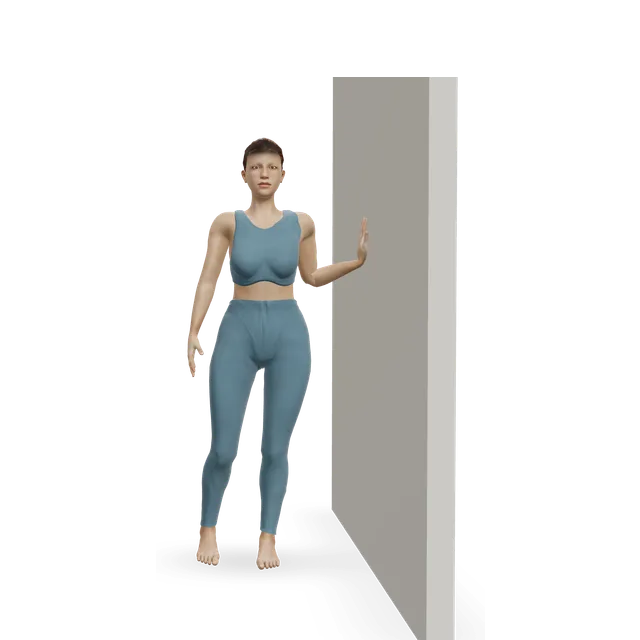
Training guide

How to do skater squats: the knee and hip, the back knee, easier and harder versions, skater against pistol squats, and how many

A skater squat is a single-leg squat with your other leg bent behind you: you sit back and down until your back knee touches a pad, then stand up on the front leg alone. The pad sets your depth, which makes it a good step towards harder one-leg squats such as the pistol.

It has barely been studied on its own. What we know comes from single-leg squats in general: they load the knee joint heavily at full depth, and with the free leg behind you the knee does relatively more of the work, not the hip. So the pad is your main dial, and "easier on the knees than a pistol" is unproven.

This guide covers the steps on the 3D figure, how to set the pad, your knees and hips, easier and harder versions, the skater squat against pistol, shrimp and Bulgarian split squats, and how many to do, and it says plainly where the advice is coaching practice.

The short version

The move

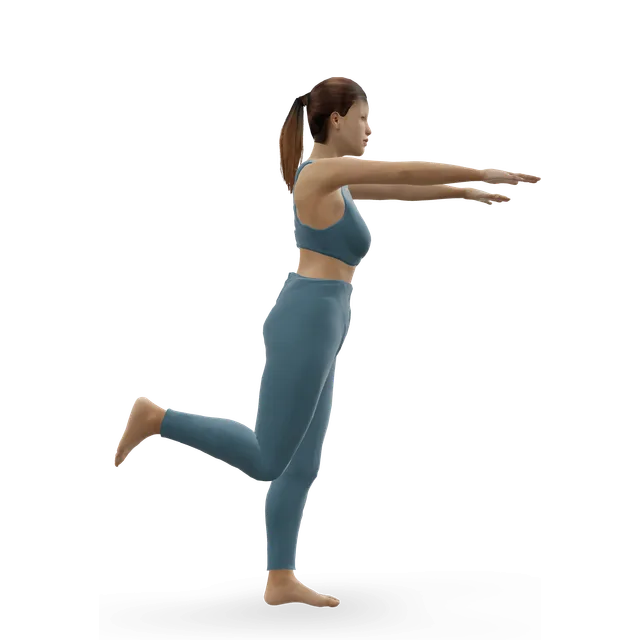
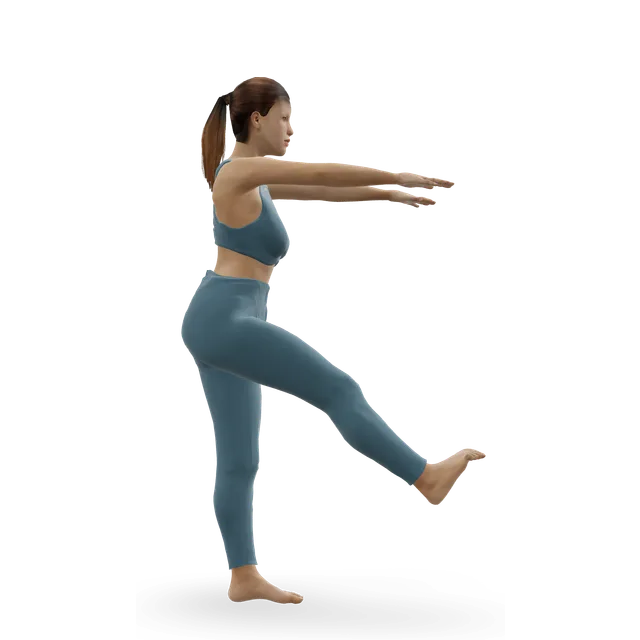
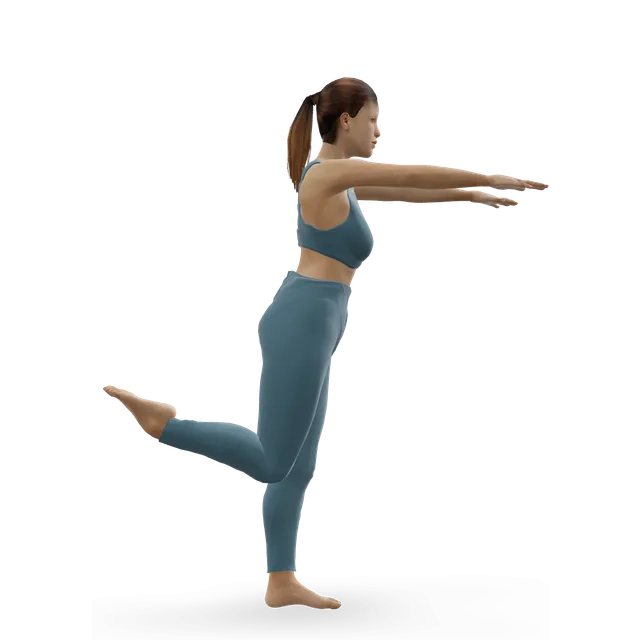
Stand on one leg with the other knee bent and the foot trailing behind. Sit your hips back and down, tipping your trunk forward and reaching your arms forward, until your back knee touches a pad behind you, then stand up on the working leg alone. This is our move page's cue and a hockey conditioning book's.

Source 1

Barely studied

We found no study of the skater squat as it's usually coached. One muscle activity study of a twisting version found the glutes working at about 60 to 66% of their maximum. Most of what we know comes from single-leg squats in general.

Source 2

Not a "hip exercise" by default

With the free leg behind, the standing knee did relatively more of the work and the hip less than with it held in front, as in a pistol, and the glutes worked less on the way down, in small lab studies. Leaning your trunk forward shifts work back to the hip.

Sources 3, 4, 5

Depth is the dial for your knee

One-leg squats load the joint behind the kneecap about twice as much as two-leg squats, and the load rises with depth: about 4.4 times body weight to 60 degrees of knee bend and 6.9 at full depth, against 4.7 for a Bulgarian split squat. The pad sets your depth, so start high.

Sources 6, 7

Skater or pistol?

No study compares them directly. The skater squat sets your depth with a pad and needs no leg held out in front; the pistol needs more ankle range and a stronger front of the hip. Neither has been shown to be kinder to the knee: at full depth both are among the heaviest kneecap loads.

Sources 3, 7

How many

3 sets of 5 to 8 each leg, 2 or 3 times a week, stopping 1 to 3 reps short of failure, with about 90 seconds' rest, as our pistol squat progression and pistol squat guide use. Move on when you reach 8 controlled reps. Strength improved with 2 or more sessions a week in the American College of Sports Medicine's 2026 overview of 137 reviews.

Source 8

What a skater squat is, and what it works

The lift

A single-leg squat in which the free leg bends behind you and the back knee lowers towards a pad or the floor while your trunk tips forward; you stand up on the working leg alone. It's a step on our pistol squat ladder. The shrimp squat is the same shape with your back foot held in your hand, which takes away the counterbalance and makes it harder. It isn't a skater jump, which is a sideways bound, or a curtsy lunge, which keeps both feet on the floor.

Muscles and joints

The quadriceps and glutes of the standing leg do most of the work, with the hamstrings, the side-hip muscle (gluteus medius) and your trunk steadying you. The joints are the knee, hip and ankle of the standing leg, and with the free leg behind, the knee does relatively more.

Sources 2, 9, 3

Before you start

Steady split squats or Patrick step-downs (the move page asks for these), 30 seconds standing on one leg without holding on (our pistol squat guide's balance test), and a knee that tolerates bending under load.

How people differ

Longer legs and a taller trunk need more forward lean to stay balanced (our reading). Stiff ankles stop the knee travelling forward, so the heel lifts, as our pistol squat guide's ankle notes explain. Beginners may manage only a shallow range: NASM, the National Academy of Sports Medicine, says beginners may only squat to quarter-depth. People with kneecap pain need a higher pad.

Sources 10, 7

How to do a skater squat, step by step

From our skater squat move page, our pistol squat guide's ladder, NASM's single-leg squat cues and a hockey conditioning book. The pad and the support are coaching practice, not tested in studies.

  1. Put a folded towel, a stack of cushions or a low box behind you, stand about 5 cm in front of it, and have a support within reach.
  2. Stand on one leg and bend the other knee so the foot trails behind you.
  3. Reach your arms forward.
  4. Breathe in and sit your hips back and down, letting your trunk tip forward and your standing knee travel forward over your middle toes, heel down.
  5. Lower slowly until your back knee touches the pad lightly. Don't drop onto it.
  6. Breathe out and drive up through your whole standing foot to stand tall, without pushing off the back foot.
  7. Do all your reps, then change legs.

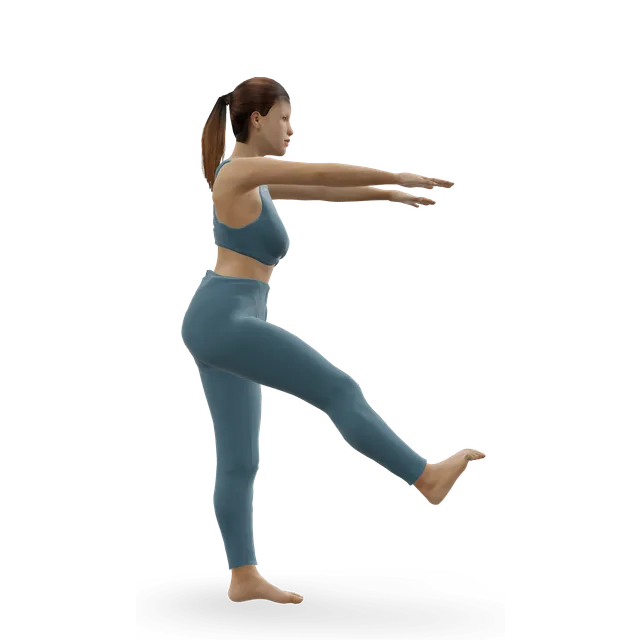
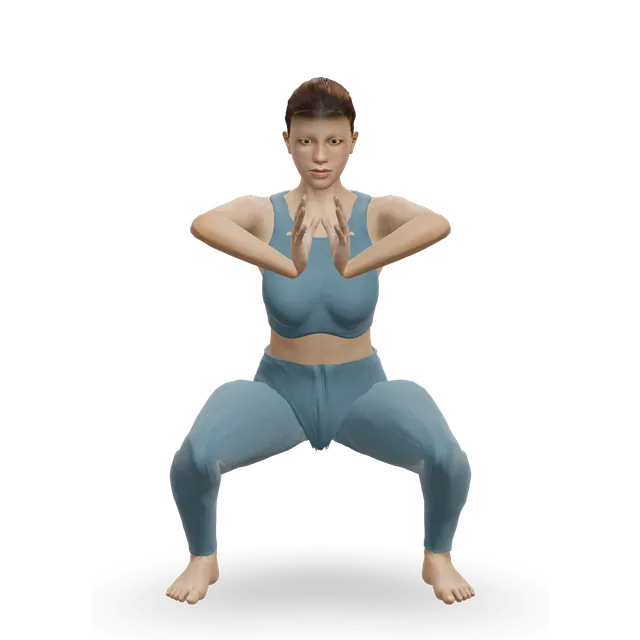
Loading the 3D figure…

Gets into position, then repeats the movement. Technical checks passed; qualified exercise review is pending.

The movement on the figure: Skater squat

Your knees

One leg loads the kneecap about twice as much as twoEmerging evidence

In 16 experienced squatters, force and stress behind the kneecap were significantly greater in one-legged than two-legged squats at every knee angle, about double at 100 degrees.

Source 6

Depth is the main dialEmerging evidence

In a modelling study of 20 healthy adults doing 35 exercises, peak load behind the kneecap was 3.1 times body weight in a low step-down, 4.4 in a single-leg squat to 60 degrees, 4.7 in a Bulgarian split squat, 5.1 in a lunge and 6.9 in a full single-leg squat, among the heaviest measured. The load on the tendon below the kneecap ran from 2.5 times body weight in a low step-down to 4.3 in a full single-leg squat. In two-leg squats, kneecap stress rose as the knee bent further. No skater squat was tested.

Sources 7, 11, 12

So the pad sets your knee load

A skater squat to a high pad is a shallow single-leg squat, so by our reading its load sits around the 60-degree single-leg squat and the Bulgarian split squat; to the floor it approaches the full single-leg squat. That link between pad height and kneecap load is our extrapolation from single-leg squats to different depths: nobody has measured it in a skater squat.

Knees past toes is normalEmerging evidence

Your knee has to travel past your toes, and healthy knees adapt to deep squats. In 7 men doing barbell squats, stopping the knees from passing the toes cut the knee's load but raised the hip's about tenfold. Keep the knee over your middle toes.

Sources 13, 14, 15

A knee that caves in: a coaching fault, not a crystal ballStrong evidence

NASM lists a knee caving inward as a common mistake, and we cue the knee over the middle toes for control. But raters agree only moderately when they judge it by eye, and in 880 elite female footballers and handball players a poor single-leg squat didn't predict who would tear an ACL (anterior cruciate ligament); it wasn't a useful screening test in two youth studies either. A good single-leg squat did go with stronger side-hip muscles in 34 adults.

Sources 10, 16, 17, 18, 19, 20

Kneecap pain: exercise is the treatmentStrong evidence

International consensus statements recommend exercise for kneecap pain, combining hip and knee exercises. An NHS feasibility study of 60 people used a single-leg squat sideways on a step, with the rule that once you stop, the pain should be no worse than before you started.

Sources 21, 22, 23

Can it hurt a bit?Mixed evidence

Painful exercise gave a small short-term benefit over pain-free exercise in 7 trials, and no difference in an update of 16 trials, most at high risk of bias. Our knee rule sits between the two:

Pain from 0 to 2 out of 10 is fine, and up to 5 is acceptable if your knee is back to its usual level by the next morning; for tendon pain just below or above the kneecap, keep it to 3 or less. Sharp, catching or giving-way pain, or new swelling, means stop. That's our knee guides' rule.

Sources 24, 25

With sore kneecaps

Use a higher pad, and lower it as the knee rule allows. If one-leg squats still hurt, use split squats or low step-downs, which load the kneecap less, and see our runner's knee and jumper's knee guides.

Source 7

The hip, the lean and the free leg

Free leg behind: more knee, less hipEmerging evidence

In 16 women, with the free leg behind rather than in front, the knee's share of the effort at the bottom was higher and the hip's lower, the squat was shallower and the pelvis tipped forward more. In 17 adults, the glutes worked more on the way down with the free leg in front (like a pistol) than behind. In every version, about half the work was done at the knee. In these studies the free thigh stayed vertical with the knee bent, close to but not the same as a skater squat.

Sources 3, 4, 26, 27

With weights, foot position made little differenceEmerging evidence

In trained men squatting on one leg with a barbell, putting the free foot forwards or backwards made no significant difference to glute activity.

Sources 28, 29

Lean forward to bring the hip inEmerging evidence

In a modelled single-leg squat in 12 adults, a moderate forward trunk lean cut the modelled load on the ACL by about a quarter and raised hamstring force. In forward lunges, leaning forward raised the work at the hip, and in one-leg and two-leg squats, a forward-tilted trunk went with lower kneecap stress. A skater squat leans you forward naturally.

Sources 5, 30, 6

Single-leg squats work the glutes hardEmerging evidence

In a twisting skater squat, the gluteus medius and maximus worked at about 60% and 66% of their maximum (24 adults; rankings, no statistics). Single-leg squats drew more glute and thigh activity than lunges and step-ups in 20 adults, and more side-hip activity than split or Bulgarian split squats in 11 adults. These are lab measures of effort, not growth.

Sources 2, 9, 31, 32

A test it isn'tEmerging evidence

In 25 active young men, a 30-second skater squat test averaged about 26 reps and didn't track their measured thigh strength.

Source 33

Easier and harder: the ladder

Split squats, 3 sets of 8 to 12 each leg (our squat challenge), and Patrick step-downs, 3 sets of 8 slow reps each side (our pistol squat progression), come first; Bulgarian split squats, 3 sets of 6 to 10, are optional. Then the skater squat, 3 sets of 5 to 8 each side, first to a high pad holding a support, then to a folded towel without one (our pistol squat progression and squat challenge). Then a light weight held out in front (no 3D demo of that version), then the shrimp squat, 3 to 5 single reps each leg (the move page's dose), or the pistol squat ladder. Move on at 8 controlled reps (our pistol squat guide's rule).

Skater squat against pistol, shrimp and Bulgarian split squats

Skater or pistolEmerging evidence

Nobody has compared them directly. The skater squat sets your depth with a pad, needs no straight leg held out in front and, by our reading, less ankle range; the pistol needs more of both, as our pistol squat guide explains. With the free leg behind, the knee did relatively more of the work in lab studies of single-leg squats with the free thigh held upright, so "kinder to the knee" isn't shown. At full depth, both are among the heaviest kneecap loads.

Sources 3, 4, 7

Skater or shrimp

The shrimp squat holds your back foot in your hand, which removes the counterbalance and makes it harder; in a skater squat the back leg hangs free and the arms reach forward. Learn the skater squat first (our view).

Skater or Bulgarian split squatEmerging evidence

The Bulgarian split squat rests your back foot on a bench, which steadies you and lets you add weight easily; the skater squat is all on one leg. The Bulgarian loaded the kneecap at about 4.7 times body weight, close to a single-leg squat to 60 degrees, and drew less side-hip activity than a single-leg squat in one study.

Sources 7, 31

One leg or two?Mixed evidence

In short trials, one-leg and two-leg training built similar strength: split squats matched back squats over 5 weeks in 18 rugby players, and one-leg and two-leg training matched in 38 untrained adults over 8 weeks. Pooled, one-leg training improved one-leg jumping more and two-leg training two-leg strength more, and in team-sport athletes one-leg training built more one-leg strength. We found no trial of skater squats themselves.

Sources 34, 35, 36, 37

How many, and how often

Sets, reps and rest

3 sets of 5 to 8 each leg, 2 or 3 times a week, stopping 1 to 3 reps short of failure, with 90 seconds to 2 minutes between sides or sets (our pistol squat progression and pistol squat guide). At light effort you can go straight from one leg to the other.

Set the pad, then lower it

Start with a stack of cushions or a low box your back knee touches at a depth that doesn't hurt, and take a layer away as you get stronger. A strength coach suggests stacking a few pads and lowering them as you get stronger; a hockey book adds a second pad if people drop onto the first.

Sources 38, 1

When to move on

At 8 controlled reps (our pistol squat guide's rule): a lower pad, then no support, then a light weight held out in front, then the shrimp or pistol squat. The same coach adds load only after 8 or more skater squats to the floor.

Source 38

Older adults

You don't need skater squats for strong legs: sit-to-stands, step-ups and balance work build the same qualities with less risk of a fall, as our pistol squat guide says. If you try them, hold a support and use a high pad.

Common mistakes

Dropping onto the back knee

Add a pad and lower slowly, about 2 seconds down.

Source 1

The front heel lifting

Shift your weight back over your whole foot and use a slightly higher pad; see our pistol squat guide's ankle notes.

The standing knee caving in

Keep it over your middle toes, and use a higher pad.

Source 10

Staying bolt upright

Lean forward and reach your arms forward: it balances you and brings your hips into the work.

The back foot touching down first

Keep the back knee bent so the knee reaches the pad before the foot touches the floor.

Source 38

Adding weight too soon

Only after 8 or more steady reps.

Source 38

Ankles, hips and balance

Knee-to-wall ankle rocks, 10 slow rocks each side, and single-leg stands, 2 holds of 30 seconds each side with a hand near a support (our pistol squat progression). Standing hip CARs (controlled articular rotations), 3 slow circles each way with each leg (the move page's dose). Single-leg Romanian deadlifts, 8 each leg with your fingertips on a wall at first (our ski fitness workout); lateral band walks, 2 sets of 10 to 15 steps each way, for the side hip (our lower body workout at home); and a half-kneeling hip flexor stretch, 30 seconds each side with a pad under the knee (our squat challenge).

Workouts

The pistol squat progression uses skater squats at 3 sets of 5 to 8 each side with a pad under the back knee, and the squat challenge at 3 sets of 5 to 8 each leg with a folded towel and a support. The ski fitness and roller skater workouts use them for one-leg strength.

Plans

Who should modify, and warning signs

Knee replacement, meniscus or ACL problems

Follow your surgical or physiotherapy team's limits, and see our knee replacement, meniscus tear and ACL injury guides.

Hip arthritis or a pinch at the front of the hip

Deep hip bending may pinch. Use a higher pad.

Stiff ankle after a sprain or break

Use knee-to-wall rocks and a slightly higher pad, and see our ankle guides.

Poor balance or a high risk of falling

Always hold a support. If you've fallen and were hurt, fallen twice or more in a year, or couldn't get up, ask your GP about a falls service first, as our seniors workout advises.

Pregnancy

The NHS advises against starting new vigorous activity in pregnancy. With pelvic girdle pain, skip one-leg squats or keep them small and hold a support (our suggestion, from our Bulgarian split squat guide's advice on split squats).

Source 39

Stop and get medical help

If you get chest pain or pressure, feel faint or dizzy, are unusually breathless, or your heart races or beats irregularly during exercise, as our plans advise. The American Heart Association says these need immediate medical evaluation.

Source 40

Knee pain: get advice from NHS 111 now

If your knee is very painful, you can't move it or put any weight on it, it's badly swollen or has changed shape, it locks, gives way or painfully clicks (painless clicking is normal), or you have a very high temperature with redness or heat around the knee. In the US, contact your doctor or urgent care.

Source 41

See a GP about your knee

If knee pain doesn't improve within a few weeks.

Source 41

Hip pain: urgent help

Call 999 or go to A&E for severe hip pain after a fall or injury, if you can't walk or put weight on your leg, or for tingling or loss of feeling in your hip or leg after an injury. Ask for an urgent GP appointment or get help from NHS 111 for severe hip pain that started suddenly without a fall, a hip that's swollen and feels hot, skin around it that has changed colour, or hip pain with feeling generally unwell and a high temperature.

Source 42

See a GP about your hip

See a GP if hip pain stops you doing normal activities or affects your sleep, is getting worse or keeps coming back, hasn't improved after 2 weeks of treating it at home, or you have hip stiffness for more than 30 minutes after waking up.

Source 42

After a fall or a twist

Get help from NHS 111, or go to an urgent treatment centre (in the US, urgent care), if it's very painful or the pain is getting worse, there's a large amount of swelling or bruising or it's getting worse, you cannot put any weight on it or walk more than a few steps, it feels very stiff or is difficult to move, it's not feeling any better after treating it yourself, or you also have a very high temperature or feel hot, cold or shivery.

Source 43

A hernia

See a GP if you think you have a hernia, a bulge or lump that may get bigger when you strain and smaller when you lie down. Get help from NHS 111 if you have a hernia and pain in or around it, a bloated tummy, you feel or are sick, you're vomiting blood or your vomit looks like coffee grounds, you're constipated, you have a high temperature or feel hot, cold or shivery, or you've suddenly become confused. Call 999 or go to A&E for a femoral hernia (a small lump at the top of your thigh, in your groin) with very bad tummy pain, sickness, being unable to fart or poo, a high temperature or sudden confusion.

Sources 44, 45

Before you start

Speak to your GP first if you haven't exercised for some time or have medical conditions or concerns, as the NHS advises. Get advice before hard or straining work if your blood pressure is uncontrolled (140/90 or higher at a clinic, or 135/85 at home), or you have heart disease or chest pain when you're active, a pacemaker or defibrillator, diabetic eye disease, glaucoma, a hernia, recent eye or tummy surgery, or you're pregnant, as our breathing guide lists.

Sources 46, 47

Sore, or hurt?

Muscle soreness for a day or two after a new or harder session is common and fades. Sharp pain, or pain that builds during a set or lingers into the next day, isn't: swap to an easier version, and see a clinician if it persists, as our plans advise. The NHS says to stop exercising straight away if you feel any pain or become unwell, and to get help from 111 if symptoms worry you or don't go away.

Source 48
Myths

"Single-leg squats are bad for your knees"Emerging evidence

Healthy knees adapt to deep squatting, and exercise is the treatment for kneecap pain. One-leg squats are a heavy kneecap load at full depth, so set the depth with a pad and follow the knee rule.

Sources 14, 21, 7, 6

"Skater squats are kinder to the knee than pistol squats"Emerging evidence

Nobody has compared them. With the free leg behind, the knee did relatively more of the work and the hip less in lab studies. What spares the knee is a shallower range, which a pad makes easy to set.

Sources 3, 4, 7

"Skater squats are a glute exercise"Emerging evidence

The glutes work hard, but with the free leg behind they worked less on the way down than with it in front. Lean your trunk forward to bring the hips in.

Sources 2, 9, 4, 5

"Your knee must never pass your toes"Emerging evidence

It's normal and needed for depth; blocking it shifts the load to the hip. Keep the knee over your middle toes.

Sources 13, 15

"A knee that caves in means you'll get injured"Strong evidence

In 880 elite female athletes, a poor single-leg squat didn't predict ACL injury. Keep the knee in line for control, not out of fear.

Source 17

"You need a gym to train your legs"Emerging evidence

One-leg squats worked the thighs and glutes hard with far less weight than two-leg squats, and single-leg training built strength like two-leg training in short trials. Your body weight on one leg is a real load (our view).

Sources 29, 9, 34, 35

Questions people ask

What is a skater squat?

A single-leg squat with your other leg bent behind you: you sit back and down until your back knee touches a pad, then stand up on the front leg alone. Your trunk leans forward and your arms reach forward for balance.

What muscles do skater squats work?

Mainly the quads and glutes of the standing leg, with the hamstrings and the side-hip muscles steadying you. In one study of a twisting version, the glutes worked at about 60 to 66% of their maximum.

Skater squat or pistol squat: which is easier?

Usually the skater squat: a pad sets your depth and you don't have to hold a straight leg out in front, which the pistol needs, along with more ankle range. No study has compared them directly.

Are skater squats bad for your knees?

Not for healthy knees, which adapt to deep squatting. One-leg squats are a heavy kneecap load at full depth, so with sore kneecaps use a higher pad and keep pain to 5 out of 10 or less, settled by the next morning.

Are skater squats easier on the knees than pistols?

Not shown. With the free leg behind, the standing knee did relatively more of the work in lab studies of single-leg squats. What spares the knee is a shallower depth.

How do I make skater squats easier?

Use a higher pad or box behind you, hold a support, or go back to split squats and step-downs. Once you're steady, a light weight held out in front can help you balance.

How do I make skater squats harder?

Lower the pad a layer at a time, let go of the support, then add a light weight. After that, try the shrimp squat, holding your back foot, or the pistol squat.

How many skater squats should I do?

3 sets of 5 to 8 each leg, 2 or 3 times a week, stopping 1 to 3 reps short of failure, with about 90 seconds' rest. Move on when you reach 8 controlled reps.

What's the difference between a skater squat and a shrimp squat?

In a shrimp squat you hold your back foot in your hand, which removes the counterbalance and makes it harder. In a skater squat your back leg hangs free and your arms reach forward.

Skater squat or Bulgarian split squat?

The Bulgarian split squat rests your back foot on a bench, which steadies you and lets you add weight easily; the skater squat is all on one leg. In one study the Bulgarian loaded the kneecap about as much as a single-leg squat to 60 degrees.

Should my knee go past my toes in a skater squat?

Yes, it can: that's normal in deep squats. Keep it pointing over your middle toes rather than caving inwards.

Are skater squats good for runners and skiers?

They train one leg at a time, and our ski fitness and roller skater workouts use them. Single-leg training improved one-leg jumping more than two-leg training in pooled trials, but nobody has tested skater squats themselves for running or skiing.

Sources

  1. van Asten · The skater squat to hip lock (coaching book excerpt, Complete Conditioning for Hockey, Human Kinetics)
  2. Boren 2011 · Side and main glute activity in 22 rehabilitation exercises, a twisting skater squat among them: 24 people (EMG study, Int J Sports Phys Ther)
  3. Khuu 2016 · Three single-leg squats with the free leg in front, in the middle or behind: 16 women (motion study, Int J Sports Phys Ther)
  4. Khuu 2022 · Where the free leg goes changes muscle activity in the single-leg squat: 17 adults (EMG study, J Athl Train)
  5. Kulas 2012 · Trunk position and modelled ACL forces in the single-leg squat in 12 adults (modelling study, Clin Biomech)
  6. Escamilla 2025 · Kneecap joint loading in one-legged and two-legged bodyweight squats in 16 adults (modelling study, Int J Sports Phys Ther)
  7. Song 2023 · Kneecap joint load across 35 exercises and daily activities in 20 adults (modelling study, Am J Sports Med)
  8. Currier 2026 · Resistance training prescription for muscle function, size and performance in healthy adults: an overview of 137 reviews (ACSM position stand, Med Sci Sports Exerc)
  9. Muyor 2020 · Glute and thigh activity in the one-leg squat, forward lunge and lateral step-up in 20 adults (EMG study, PLoS One)
  10. National Academy of Sports Medicine · Single-leg squat (exercise library)
  11. Scattone Silva 2024 · Patellar tendon load across rehabilitation exercises in 20 adults (modelling study, Med Sci Sports Exerc)
  12. Wallace 2002 · Kneecap joint loads while squatting with and without a weight in 15 adults (lab study, J Orthop Sports Phys Ther)
  13. Straub 2024 · The squat: a biomechanical review for clinical practice (clinical commentary, Int J Sports Phys Ther)
  14. Hartmann 2013 · Squat depth, load, the knee and the spine (review, Sports Med)
  15. Fry 2003 · Knees past the toes in the barbell squat: hip and knee loads in 7 men (lab study, J Strength Cond Res)
  16. Ressman 2019 · How reliably people rate the single-leg squat by eye: 31 studies (systematic review and meta-analysis, BMJ Open Sport Exerc Med)
  17. Petushek 2021 · Single-leg squat and drop jump ratings and ACL injuries in 880 elite female players (prospective study, J Orthop Sports Phys Ther)
  18. Räisänen 2018 · Knee control in the single-leg squat and leg injuries in young team-sport athletes (prospective study, BMJ Open Sport Exerc Med)
  19. Räisänen 2018 · Knee control and leg injuries in youth footballers (prospective study, Scand J Med Sci Sports)
  20. Crossley 2011 · The single-leg squat test and hip muscle function in 34 adults (lab study, Am J Sports Med)
  21. Crossley 2016 · Patellofemoral pain consensus statement, part 2: recommended physical treatments (international consensus, Br J Sports Med)
  22. Collins 2018 · Exercise and physical treatments for kneecap pain (international consensus statement, Br J Sports Med)
  23. Smith 2019 · A loaded self-managed exercise programme for kneecap pain in 60 people (NHS feasibility study, BMC Musculoskelet Disord)
  24. Smith 2017 · Should exercises be painful in long-term muscle and joint pain? 7 trials (meta-analysis, Br J Sports Med)
  25. Tran 2025 · Painful against pain-free exercise in long-term muscle and joint pain: 16 trials (updated systematic review and meta-analysis, J Orthop Sports Phys Ther)
  26. Olivier 2019 · The position of the free leg in the single-leg squat: 10 adults (EMG study, J Sport Rehabil)
  27. Hirsch 2022 · Where the free foot goes and the work done at the spine and leg joints in the single-leg squat (lab study, J Strength Cond Res)
  28. van den Tillaar 2020 · Single-leg squats with the free foot forwards or backwards in 12 trained men (EMG study, Sports Med Int Open)
  29. Eliassen 2018 · Two-leg and single-leg squats: bar movement and muscle activity in 14 trained men (EMG study, Int J Sports Phys Ther)
  30. Farrokhi 2008 · Trunk position and the front leg in the forward lunge in 10 adults (lab study, J Orthop Sports Phys Ther)
  31. Mausehund 2019 · Muscle activity in single-leg barbell exercises in 11 trained adults (EMG study, J Strength Cond Res)
  32. Distefano 2009 · Glute activity in common rehabilitation exercises in 21 adults (EMG study, J Orthop Sports Phys Ther)
  33. Kaminski 2024 · A 30-second skater squat test and leg strength in 25 young men (lab study, J Clin Med)
  34. Speirs 2016 · Back-foot-raised split squats against back squats for 5 weeks in 18 academy rugby players (randomised trial, J Strength Cond Res)
  35. McCurdy 2005 · Eight weeks of single-leg against two-leg training in 38 untrained adults (randomised trial, J Strength Cond Res)
  36. Liao 2022 · Single-leg against two-leg training for strength, jumping and speed: 14 studies, 392 people (systematic review and meta-analysis, Biol Sport)
  37. Wu 2026 · Single-leg against two-leg training in team-sport athletes: 15 studies (systematic review and meta-analysis, Biol Sport)
  38. Hansen · 5 ways to upgrade your skater squats (coaching article, Tony Gentilcore's blog)
  39. NHS · Exercise in pregnancy
  40. Paluch 2024 · Resistance training with and without heart disease: 2023 update (American Heart Association scientific statement, Circulation)
  41. NHS · Knee pain
  42. NHS · Hip pain in adults
  43. NHS · Sprains and strains
  44. NHS · Hernia
  45. NHS · Femoral hernia
  46. NHS · Physical activity guidelines for adults aged 19 to 64
  47. NHS · High blood pressure
  48. NHS · How to warm up before exercising

Exercise education, not a personal prescription, and clinical review of these guides is pending. Check with a GP before starting hard training if you have a heart condition, chest pain, dizziness or breathlessness when active, and stop for sharp or increasing pain. Health disclaimer.