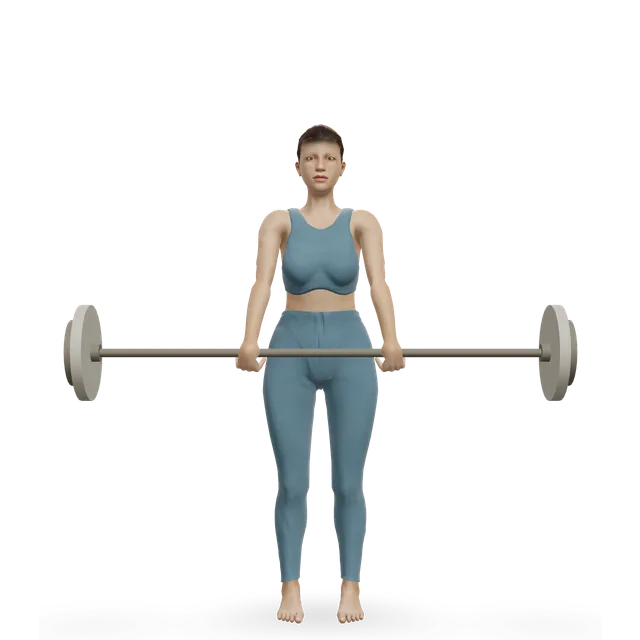
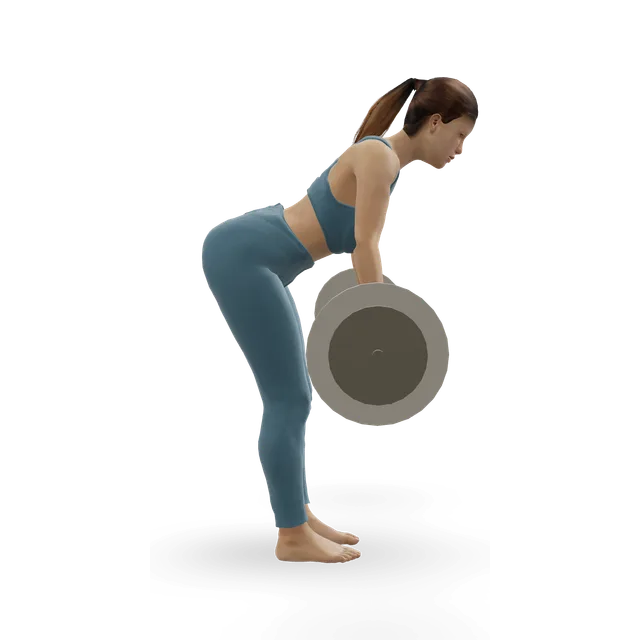
Training guide

How to do rack pulls: the pin height, the lockout, heavier loads, your back, and how many

A rack pull is a deadlift with the bottom cut off: the bar starts on a rack's pins, or on blocks, at about knee height, and you pull it up your thighs to stand tall. You can lift more than your deadlift from there, which makes it a heavy tool for the top of the pull, your grip and your upper back.

Partial lifts build strength mostly in the range you train, and no study has tested rack pulls for a bigger deadlift or a bigger back, so this guide treats them as a tool beside the full deadlift, not a replacement.

It covers the steps on the 3D figure, pin height, block and banded versions, how much weight, grip and straps, rack pulls after back pain, and how many.

The short version

A partial deadlift

The bar starts on a rack's pins, or on blocks (a block pull: the same exercise), just below or just above your knees, and you pull it up your thighs to stand tall. Just below the knee is the usual starting height, as on the move page.

You can lift more

Our synthesis of three different measures puts it at about 15 to 20% more than your deadlift from around knee height: 18 wrestlers lifted 18% more from just above the kneecap, 14 powerlifters pulled about 21% harder against a fixed bar there than at the floor, and 31 lifters lifted about 15% more with a trap bar's high handles. It varies between people.

Sources 1, 2, 3

It trains the top of the pull

Partial lifts build strength mostly within about 10 to 20 degrees of the range you train, and full-range training built more strength and lower-body muscle than partial-range training across 16 studies. So rack pulls train the top of the deadlift; they don't replace it.

Sources 4, 5

No trial, no growth data

We found no training trial of rack pulls, and no study of what they do for your back or trap size. They're traditional, not tested, as our increase your deadlift guide says.

Grip and the mixed-grip risk

Heavier bars test your grip: chalk, a double overhand grip for as long as it holds, then a hook grip or straps. In videos of torn biceps tendons during mixed-grip deadlifts, every tear was in the underhand arm.

Source 6

How many

3 sets of 3 to 5 from just below the knee, stopping 2 reps short, with 3 to 5 minutes' rest (our increase your deadlift guide's editorial starting point), once a week in place of or after your heavy deadlift sets.

What a rack pull is

The lift

A deadlift that starts with the bar resting on a rack's pins or safeties, or on blocks or stacked plates, at about knee height, pulled up your thighs to standing. The move page calls it a partial deadlift in the stronger part of the lift, used to work the lockout of an established deadlift.

What changes

The bottom of the pull is cut off, so your knees bend less and your hips and back finish the lift, and you can lift more. That makes it a heavier, shorter exercise for the top of the deadlift.

Sources 1, 3

The muscles

Your glutes, hamstrings, the muscles along your spine, your upper back and traps, and your grip. No study has measured muscle activity or growth in rack pulls.

What you need first

A sound barbell deadlift (the move page's prerequisite), and a grip that holds your deadlift weight.

How people differ

Pin height follows your own knee, not a number: 'just below the knee' is lower for a shorter lifter.

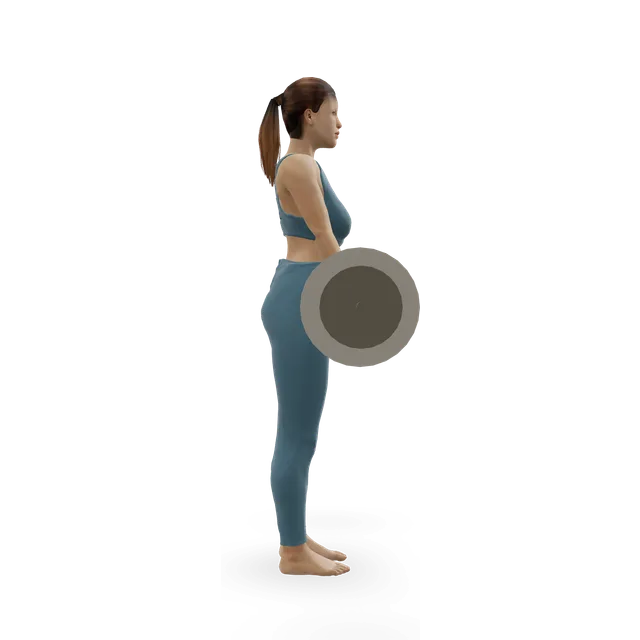
How to do a rack pull, step by step

From the move page (pins just below the knees, the bar against the thighs, no leaning back) and our deadlift guide's set-up and bracing. Settling the bar each rep is editorial.

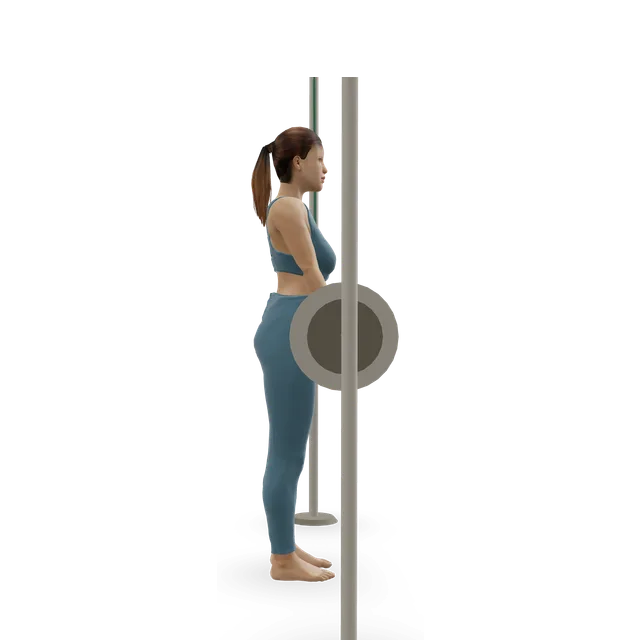
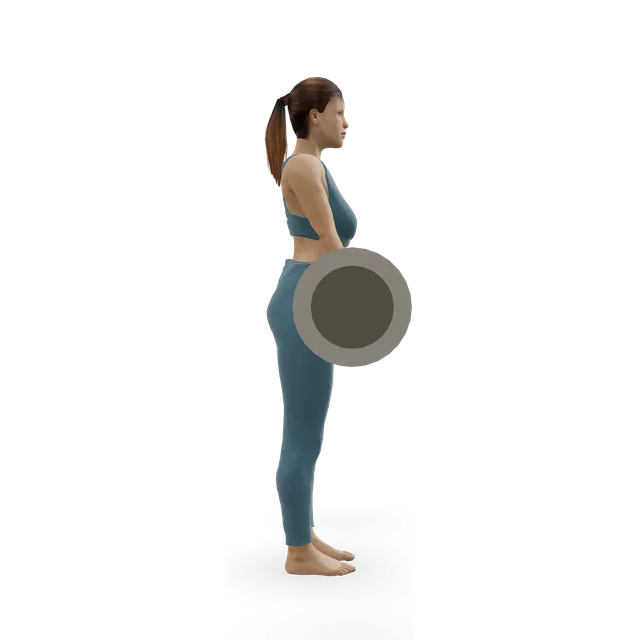
  1. Set the pins or safeties so the bar rests just below your knees, or put it on blocks at that height, and load it.
  2. Step in so the bar touches your legs, feet about hip-width apart.
  3. Hinge with your hips back and knees slightly bent to grip the bar just outside your legs, double overhand with chalk to start.
  4. Take a big breath, brace and set a long back, pulling the slack out of the bar.
  5. Drive your hips forward and stand tall, keeping the bar against your thighs.
  6. Finish standing straight; don't lean back or shrug hard at the top.
  7. Lower the bar under control to the pins and let it settle before the next rep.

Loading the 3D figure…

Gets into position, then repeats the movement. Technical checks passed; qualified exercise review is pending.

The movement on the figure: Rack pull

Pin height, and block pulls

Just below the knee

The usual starting height, and the move page's. Lower the pins over the weeks to make it more like a deadlift; raise them above the knee and it becomes shorter and heavier, mostly a lockout and grip exercise (our suggestion; coaching pages commonly set the bar 2 to 3 inches either side of the knee).

Pins or blocks?

The same exercise. Heavy bars dropped on a rack's pins can bend, so blocks or stacked plates are kinder to the bar (coaching practice), and the pins can stay set just below the bar as safeties.

Where you fail

In 25 powerlifting competitors the deadlift's sticking point came with the thigh at about 57 degrees to the ground, after the bar had left the floor. But in 31 lifters most showed no clear sticking region at all, so set the pins below where you slow down, if you do (our suggestion).

Sources 10, 9, 3

Rack pull or deadlift? What the evidence says

How much more you can liftEmerging evidence

Three different measures point the same way. In 18 college wrestlers, a partial deadlift from about 2.5 cm above the kneecap reached 226 kg against 192 kg from the floor, about 18% more, and the two went closely together. In 14 powerlifters pulling against a fixed bar, force just above the kneecap was about 21% higher than at floor height, and about 45% higher near lockout. In 31 lifters, a trap bar with high handles, 22% shorter to lift, gave about 15% more than the conventional deadlift. Putting them together, about 15 to 20% more from around knee height is our synthesis, not one study's finding.

Sources 1, 2, 3

Strength near the trained rangeEmerging evidence

In a narrative review, partial lifts built strength mostly within about 10 to 20 degrees of the trained joint angle, and partial and isometric training had limited potential for growth. Across 43 studies of 1,660 people, training a lift raised that lift about twice as much as an untrained test. So rack pulls train the top of the deadlift.

Sources 4, 7

Full range builds moreEmerging evidence

Across 16 studies, full-range training built more strength (effect size 0.56) and more lower-body muscle (0.88) than partial-range training. A separate review found no study of range of motion and the trunk muscles. Heavier weight isn't more growth.

Sources 5, 8

No trial of rack pullsEmerging evidence

We found no training trial of rack pulls for the deadlift, for back or trap size, or for injury, and no study of spinal loads in them. Powerlifters use barbell variations widely, about 1.3 times a week for the deadlift in a survey of 548 lifters, but that's practice, not proof.

Source 16

Bands make the top harderEmerging evidence

In 12 trained men, bands anchored to the floor made the deadlift faster and more powerful but with less force at 60 and 85% of maximum. In 16 trained men, bands as resistance or as assistance raised force with no change in muscle activity. The banded rack pull uses the same idea over the top of the pull.

Sources 11, 12

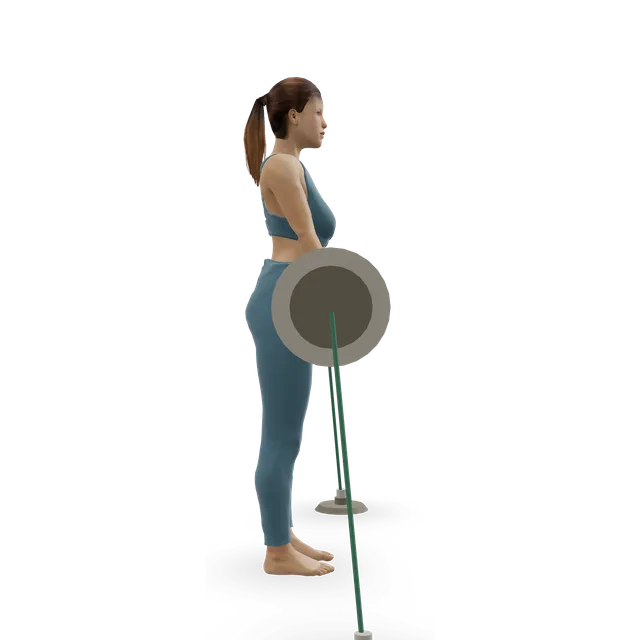
With bands

The move page's steps. Use less bar weight than your plain rack pull: the bands pull hardest at the top (the move page's cue). Check the bands before every set.

  1. Set the bar on the pins just below your knees, with a band from each sleeve to the floor.
  2. Pull the bar up your thighs to stand tall against the bands.
  3. Lower it back to the pins.

Loading the 3D figure…

Gets into position, then repeats the movement. Technical checks passed; qualified exercise review is pending.

The movement on the figure: Rack pull with bands

Grip and straps

Start double overhand

Chalk and both palms facing you for as long as the grip holds, then a hook grip (thumb wrapped under your fingers) or straps for the heaviest sets, as our deadlift and increase your deadlift guides say. If grip is what you want to train, leave the straps off.

The mixed-grip riskEmerging evidence

In 35 online videos of torn biceps tendons at the elbow, all in men, 25 happened during deadlifts, and in all 24 mixed-grip deadlift tears the torn arm was the underhand one, with the elbow straight. Videos can't show how often it happens, but it's a reason to use a hook grip or straps for heavy rack pulls, or to swap which hand is underhand.

Source 6

Common mistakes

Rounding to reach the bar

Set the pins higher or step closer, and keep the back shape you set, as our deadlift guide says.

Leaning back at lockout

Stand tall with your glutes squeezed; don't hyperextend, as the move page cues.

The bar drifting away

Keep it against your thighs the whole way.

Bouncing off the pins

Let the bar settle on the pins each rep.

Ego loading

Lifting more than your deadlift is normal, but add weight only while every rep looks the same, as our deadlift guide's rule says.

A mixed grip on every set

Use double overhand, a hook grip or straps for heavy sets; if you use a mixed grip, alternate which hand is underhand.

How heavy, how many and how often

For the top of the deadlift

3 sets of 3 to 5 from pins just below the knee, stopping 2 reps short, with 3 to 5 minutes' rest: our increase your deadlift guide's editorial starting point, with our deadlift guide's rest. Start near your deadlift weight and add in small steps.

In our deadlift strength workout

Rack pulls from just below the knee are the swap for the deficit deadlifts if you fail near lockout: 2 sets of 3 to 5, stopping 2 reps short, with 3 minutes' rest.

How often

Once a week at most, in place of or after your heavy deadlift sets (our editorial starting point; coaches commonly use rack pulls in place of the heaviest deadlift sets for a while).

Effort

Stop 2 reps short and never grind out a heavy single. Strength gains came from heavier loads, 2 to 3 sets and lifting early in the session in the ACSM's overview, training to failure gave a trivial growth advantage at most, and most people misjudge the reps they have left by about one.

Sources 13, 14, 15

Progressing

Lower the pins over the weeks before you pile on weight, and add weight only while every rep looks the same (our suggestion).

For muscle

No study has tested rack pulls for growth. If you use them for your back, sets of 5 to 8, stopping 2 or 3 short, are a reasonable choice (our editorial starting point), but full-range rows, deadlifts and shrugs are the tested route.

Warm up first

3 to 5 minutes of easy movement and a few hip hinges, then 2 or 3 lighter sets building to your working weight, as our plans and deadlift strength workout do.

Source 17

Rack pulls after back pain, and your back

A route back to the floor

Our lower back pain after deadlifts guide uses rack pulls from just below the knee, 3 sets of 5 with 3 or more reps in reserve, lowering the pins over the weeks, as a step back to the floor deadlift, starting at about half your old working weight. That's its editorial plan, and it uses the pain rule below and a first warm-up set as a test.

Heavier, not gentler

Rack pulls are useful after back pain because you can choose a height that passes the pain rule, not because they're gentler: the bar is heavier, and no study has measured back loads in rack pulls.

Deadlift training and back painEmerging evidence

In 70 people with recurring back pain, supervised deadlift training matched gentler motor-control exercise for pain, with no difference at 1 and 2 years, and 50 to 80% reported less pain and disability. Those with less pain and better back-muscle endurance at the start did best.

Sources 18, 19, 20

Rounding your backMixed evidence

Across 11 low-quality studies, bending the lower back while lifting wasn't a risk factor for back pain, and a review of 41 reviews found no consensus that postures cause back pain. A narrative review argues sudden jumps in load matter more. Set a long, braced back, accept small changes, and put the bar down if it changes a lot.

Sources 21, 22, 23

Your spine carries a lotEmerging evidence

In national powerlifting competitors, modelled compression at the lowest lumbar joint reached 17,192 newtons in the deadlift. Powerlifting has about 1 to 4.4 injuries per 1,000 hours of training, similar to other non-contact strength sports, most often the lower back, shoulder and elbow, in mostly low-quality studies.

Sources 24, 25, 26

The back pain rule

Pain you'd call mild to moderate, no more than about 5 out of 10, that settles within an hour or so, with your back no worse the next morning, is acceptable; if it is worse, do less next time (fewer reps, a smaller range, a lighter load), not nothing. Stop or shrink any movement that sends pain, pins and needles or numbness further down your leg. That's our back pain guides' rule.

Versions

The rack pull from just below the knee: 3 sets of 3 to 5, stopping 2 reps short (our increase your deadlift guide). The banded rack pull: 2 or 3 sets of 3, lighter than your plain rack pull (our editorial starting point). The reverse band deadlift, bands hung from the top of the rack to lighten the bottom: 2 to 3 sets of 3 to 6, stopping 2 or 3 reps short (the move page's dose). The trap bar deadlift, 3 sets of 5 to 8 (our lower body gym workout); its high handles give a shorter pull. The floor deadlift stays your main lift. Block pulls, above-knee and isometric rack pulls have no separate 3D demo: follow the rack pull.

Moves that go with it

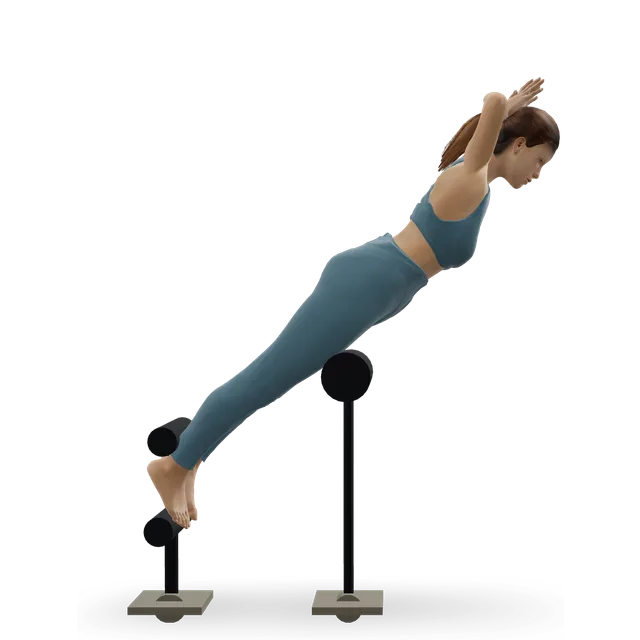
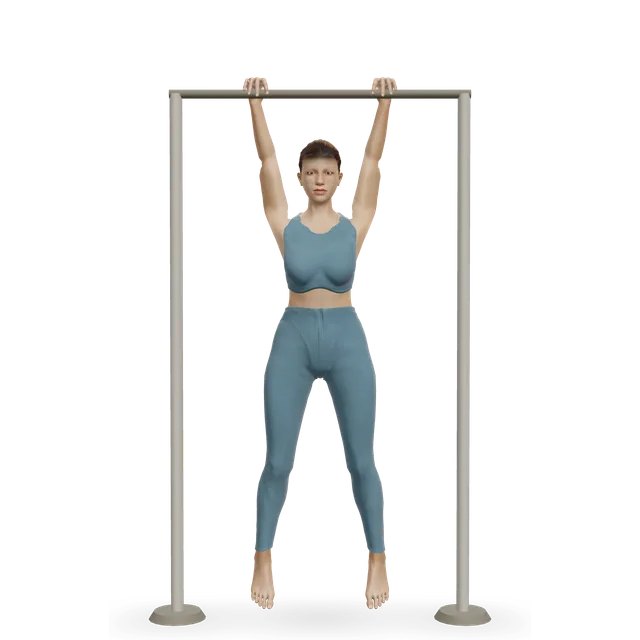
Barbell shrugs for your traps: 2 to 3 sets of 8 to 12, stopping 2 or 3 reps short (the move page's dose). Farmer's carries, 3 walks of 30 m, bent-over rows, 3 sets of 6 to 10, and 45-degree back extensions, 2 sets of 10 to 12 (all our deadlift strength workout); bar hangs for grip, 2 or 3 holds of 10 to 20 seconds (our grip strength workout); and hip thrusts for the lockout, 3 sets of 8 to 12 (our posterior chain workout).

Workouts to follow

Our deadlift strength workout offers rack pulls from just below the knee as its swap for the deficit block if you fail near lockout. The deadlift technique workout builds the floor deadlift first, and the beginner strongman workout has heavy pulls and carries.

Who should change it

Beginners

Build a floor deadlift that looks the same every rep first; the move page lists a sound barbell deadlift as the prerequisite.

Back pain

Follow our lower back pain after deadlifts guide's stages, with its pain rule, rather than loading rack pulls heavy straight away.

Elbow pain or a past biceps tear

Avoid the mixed grip: use double overhand, a hook grip or straps, and see our elbow pain when lifting guide.

Source 6

Osteoporosis

Keep your back long and avoid rounding under load, as the UK consensus advises; with spinal fractures, get a physiotherapist's advice before heavy pulls.

Source 30

High blood pressure, heart disease or eye disease

Heavy pulls raise blood pressure sharply, more with a held breath: in 5 bodybuilders, pressure in the artery averaged 320/250 mmHg during a heavy double-leg press to failure. The American Heart Association calls low- to moderate-intensity strength training with proper breathing safe when blood pressure is controlled. Breathe out through the effort and leave heavy rack pulls until you've had advice.

Sources 28, 29

A hernia

No maximal pulls or breath-holding until it's repaired, as our hernia guide says.

Pregnancy

Don't start rack pulls in pregnancy: the NHS doesn't recommend starting new vigorous activity. If you already lift, Tommy's says pregnancy isn't the time to try your heaviest weights, as our increase your deadlift guide notes.

Source 31

Leaking

Half of women in weightlifting and powerlifting surveys reported pelvic floor problems such as leaking. It's a reason to see our pelvic floor guide and a pelvic health physiotherapist, not to stop lifting; see a GP about any leaking, as the NHS advises.

Sources 26, 32

Warning signs

Stop and get medical help

If you get chest pain or pressure, feel faint or dizzy, are unusually breathless, or your heart races or beats irregularly during exercise, as our plans advise. The American Heart Association says these need immediate medical evaluation.

Source 28

Call 999 (911 in the US)

For chest pain that comes on suddenly and doesn't go away, feels tight or like squeezing, spreads to your arms, neck, jaw, stomach or back, or comes with sweating, feeling sick, light-headedness or breathlessness; severe difficulty breathing; someone who faints while exercising; palpitations that don't go away, or come with chest pain, shortness of breath or feeling faint; or a headache that starts suddenly and is extremely painful, especially while lifting or straining, or comes with numbness or weakness, difficulty speaking or loss of vision. The NHS says a bleed on the brain may be more likely when lifting something heavy. Don't drive yourself to A&E.

Sources 33, 34, 35, 36, 37, 38

Back pain

Call 999 or go to A&E: loss of feeling or numbness around the genitals or bottom, new trouble peeing or controlling your bladder or bowels, changes in genital sensation during sex or problems with erections or orgasm, or pain, tingling, weakness or numbness in both legs. These are signs of cauda equina syndrome, which needs treating in hospital urgently. Don't drive yourself.

Call 999 or go to A&E: back pain with chest pain, or back pain that started after a serious accident, such as a car crash.

Same day (GP or NHS 111): back pain and you feel hot, cold, shivery or generally unwell, or severe pain that starts suddenly or is getting worse quickly.

Source 39

Pain down a leg

Pain in your bottom and down the back of one leg: see a GP if it isn't better after a few weeks of home treatment, is getting worse or stops your normal activities. Sciatica on both sides, weakness or numbness in both legs that's severe or getting worse, or numbness around or under your genitals or around your bottom, is a 999 call or a trip to A&E.

Source 40

A pop at the front of the elbow

Sudden pain with a pop, then bruising or a bulge in your upper arm, can be a torn biceps tendon: go to an urgent treatment centre or A&E, as a tear is best repaired within the first 2 to 3 weeks, as our increase your deadlift guide says.

Light-headed after a heavy set

Stop, sit or lie down until it passes, and get up slowly. See a GP if it keeps happening, or for dizziness that won't go away or keeps coming back.

Source 41

A hernia

See a GP if you think you have a hernia, a bulge or lump that may get bigger when you strain and smaller when you lie down. Get help from NHS 111 if you have a hernia and pain in or around it, a bloated tummy, you feel or are sick, you're vomiting blood or your vomit looks like coffee grounds, you're constipated, you have a high temperature or feel hot, cold or shivery, or you've suddenly become confused. Call 999 or go to A&E for a femoral hernia (a small lump at the top of your thigh, in your groin) with very bad tummy pain, sickness, being unable to fart or poo, a high temperature or sudden confusion.

Sources 42, 43

Before you start

Speak to your GP first if you haven't exercised for some time or have medical conditions or concerns, as the NHS advises. Get advice before heavy lifting or hard straining work if your blood pressure is uncontrolled, or you have heart disease or chest pain when you're active, a pacemaker or defibrillator, diabetic eye disease, glaucoma, a hernia, recent eye or tummy surgery, or you're pregnant, as our breathing guide lists.

Source 27
Myths

"Rack pulls build a bigger back than full deadlifts"Emerging evidence

No study has measured back or trap growth from rack pulls. Full-range training built more lower-body muscle than partial-range training across 16 studies, a narrative review found partial training has limited potential for growth, and no study has tested range of motion for the trunk muscles. Heavier weight isn't more growth.

Sources 5, 4, 8

"Rack pulls are the fastest way to a bigger deadlift"Mixed evidence

Neither rack pulls nor deficit deadlifts have been tested for raising the deadlift, and partial lifts build strength mostly near the range you train, as our increase your deadlift guide says.

Source 4

"If you can rack pull it, you can deadlift it"Emerging evidence

You can lift more from about knee height, around 15 to 20% more by our synthesis of three measures, and the floor is the weakest position.

Sources 1, 2

"Rack pulls are safer for your back because the range is shorter"

The bar is heavier, and no study has measured back loads in rack pulls. They help after back pain because you can choose a pain-free height, not because they're gentler in general.

"You have to go to failure"Strong evidence

Across 15 studies, training to failure gave a trivial growth advantage at most. Stop heavy pulls 2 reps short.

Source 15

Questions people ask

What is a rack pull?

A deadlift that starts with the bar on a rack's pins, usually just below or just above your knees, and finishes standing tall. Pulled from blocks instead, it's called a block pull.

How high should the pins be for rack pulls?

Just below the knee for most uses; above the knee is shorter and heavier, mostly for lockout and grip. Lower the pins over time to make it more like a deadlift.

How much more can you rack pull than deadlift?

About 15 to 20% from around knee height, by our reading of three different measures: wrestlers lifted 18% more from just above the kneecap, and powerlifters produced 21% more force there than at the floor. It varies between people.

Do rack pulls help your deadlift?

No trial has tested it. Partial lifts build strength mostly near the range you train, so rack pulls train the top of the pull; keep full deadlifts as your main lift.

Are rack pulls good for building your back or traps?

They work the back, traps and grip hard, but no study has measured growth from them. Full-range training built more muscle than partial-range training in pooled trials; rows, deadlifts and shrugs are the tested route.

Rack pulls or deadlifts?

Deadlifts, as your main lift. Rack pulls are a shorter, heavier tool for the top of the pull, for grip, or for coming back after back pain.

How many sets and reps of rack pulls?

3 sets of 3 to 5 from just below the knee, stopping 2 reps short, with 3 to 5 minutes' rest, once a week at most. That's our editorial starting point; no study has tested rack pull doses.

Should I use straps for rack pulls?

For heavy sets, straps or a hook grip let your back and hips do the work. If you use a mixed grip, swap which hand is underhand: in videos of torn biceps tendons during mixed-grip deadlifts, every tear was in the underhand arm.

Are rack pulls good for lower back pain?

They can be a step back to the floor after back pain, at a height that passes the pain rule, as our lower back pain after deadlifts guide sets out. They're not a treatment, and the weight is heavier, not lighter.

Rack pulls or block pulls?

The same exercise. Heavy pulls dropped on a rack's pins can bend bars, so blocks or stacked plates are kinder to the bar.

Rack pull or deficit deadlift?

A rack pull shortens the pull to train the top; a deficit lengthens it to train the start. Neither has been tested for raising your deadlift, so pick the one that matches where you struggle.

Can I do rack pulls on a Smith machine or with dumbbells?

You can, but they're different lifts, and we found no studies of either. With dumbbells, a Romanian deadlift to just below the knee is the nearest thing.

Sources

  1. Gillingham 2023 · Partial against full deadlift maximum in 18 wrestlers (technical note, JSCR)
  2. Beckham 2012 · Isometric strength of 14 powerlifters in key positions of the deadlift (lab study, J Trainology)
  3. Lockie 2018 · The high-handle hexagonal bar deadlift against the conventional deadlift in 31 lifters (lab study, JSCR)
  4. Kompf 2016 · Understanding and overcoming the sticking point in resistance exercise (narrative review, Sports Med)
  5. Pallarés 2021 · Full against partial range of motion in resistance training: 16 studies (systematic review and meta-analysis, Scand J Med Sci Sports)
  6. Kapicioglu 2021 · Distal biceps tendon tears in deadlifts: 35 online videos (case series, Orthop J Sports Med)
  7. Saeterbakken 2025 · How specific strength gains are to the trained task: 43 studies (systematic review and meta-analysis, Sports Med)
  8. Schoenfeld 2020 · Range of motion and muscle growth in training studies (systematic review, SAGE Open Med)
  9. Kompf 2017 · The sticking point in the bench press, squat and deadlift (narrative review, Sports Med)
  10. Hales 2009 · The squat and deadlift sticking points in 25 powerlifting competitors (motion analysis, JSCR)
  11. Galpin 2015 · Elastic bands in the deadlift at moderate and heavy loads in 12 trained men (lab study, JSCR)
  12. Andersen 2020 · Bands as resistance or assistance in the deadlift in 16 trained men (lab study, Front Sports Act Living)
  13. Currier 2026 · ACSM position stand: resistance training prescription for muscle function, hypertrophy and physical performance (overview of 137 reviews, MSSE)
  14. Halperin 2022 · Accuracy in predicting repetitions to failure (scoping review and meta-analysis, Sports Med)
  15. Refalo 2023 · Proximity to failure and muscle hypertrophy (meta-analysis, Sports Med)
  16. Amdi 2026 · Exercise variation in powerlifting: a survey of 548 powerlifters' training (survey, JSCR)
  17. NHS · How to warm up before exercising
  18. Aasa 2015 · Deadlift training against motor-control exercise in 70 people with recurring back pain (RCT, JOSPT)
  19. Michaelson 2016 · The same trial at 2, 12 and 24 months (RCT follow-up, J Rehabil Med)
  20. Berglund 2015 · Which people with back pain benefit from deadlift training? 35 participants (secondary analysis of an RCT, JSCR)
  21. Saraceni 2020 · Lumbar flexion during lifting and low back pain: 11 studies (systematic review and meta-analysis, JOSPT)
  22. Swain 2020 · No consensus on causality of spine postures and low back pain: 41 reviews (review of systematic reviews, J Biomech)
  23. Cherni 2026 · Beyond the neutral spine: low back injury prevention in deadlifting (narrative review, Sports)
  24. Cholewicki 1991 · Lumbar spine loads in national powerlifting competitors (modelling study, Med Sci Sports Exerc)
  25. Aasa 2017 · Injuries among weightlifters and powerlifters (systematic review, BJSM)
  26. Tung 2024 · Injuries in weightlifting and powerlifting: an updated review (systematic review, BMJ Open Sport Exerc Med)
  27. NHS · Physical activity guidelines for adults aged 19 to 64
  28. Paluch 2024 · Resistance exercise training with and without cardiovascular disease: 2023 update (American Heart Association scientific statement, Circulation)
  29. MacDougall 1985 · Blood pressure during heavy lifting, measured in the artery, in 5 bodybuilders (lab study, J Appl Physiol)
  30. Brooke-Wavell 2022 · Strong, steady and straight: UK consensus statement on physical activity and exercise for osteoporosis (consensus statement, BJSM)
  31. NHS · Exercise in pregnancy
  32. NHS · Urinary incontinence (past its review date: reviewed June 2023, review due June 2026)
  33. NHS · Chest pain (past its review date: reviewed August 2023, review due August 2026)
  34. NHS · Heart attack
  35. NHS · Fainting
  36. NHS · Heart palpitations
  37. NHS · Headaches
  38. NHS · Subarachnoid haemorrhage
  39. NHS · Back pain
  40. NHS · Sciatica
  41. NHS · Dizziness (past its review date: reviewed April 2023, review due April 2026)
  42. NHS · Hernia
  43. NHS · Femoral hernia

Exercise education, not a personal prescription, and clinical review of these guides is pending. Check with a GP before starting hard training if you have a heart condition, chest pain, dizziness or breathlessness when active, and stop for sharp or increasing pain. Health disclaimer.