Turkish get-up
The same stages holding a kettlebell or dumbbell locked out overhead the whole way: the shoulder steadies the load while the body moves under it.
Get-up family
Turkish get-up
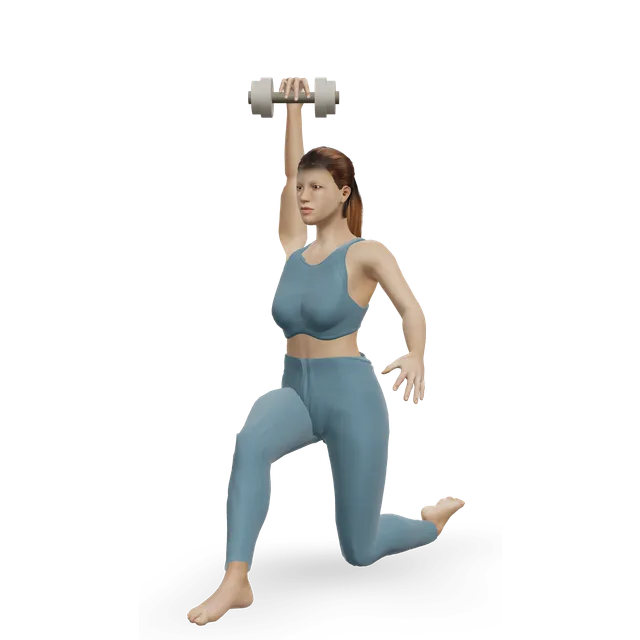
Loading the 3D figure…
Source-researched guide.
How to move
- Lie on your back with the right knee bent and that foot flat, and press the weight straight up in the right hand; the left leg and arm lie out at an angle.
- Roll onto the left elbow and then the hand, bridge the hips, sweep the left leg back to kneel and rise to a half-kneel, the weight straight over the shoulder.
- Stand, then reverse every stage slowly back to the floor.
Form cues
- Eyes on the weight for most of the climb.
- Keep the weight arm's elbow straight.
Practice and cautions
No universal dose is assigned. Choose a manageable amount for your current capacity, leave room for controlled repetitions, and allow recovery. A clinician’s individual plan takes priority.
Use a light weight until every stage is steady; losing the weight overhead is the main risk. Get the bell into position safely: lie on your side, take the handle in both hands, roll onto your back and press it up with both hands, and put it down the same way in reverse (our advice). Decide the bail before you lift: if the arm bends or wavers, steer the weight away from your body and let it fall while you move the other way, never toward your face, and never try to catch it. Sloppy, tired get-ups are how the weight ends up somewhere it should not be. This is movement education, not an assessment or treatment prescription. Stop for sharp or increasing pain, dizziness, numbness or tingling; seek individual guidance for symptoms, injury or restrictions.
Sources and review status
Sources support the educational description; they do not establish that this exercise is suitable for you.
- ACE technique series · The Turkish get-up (practise it with body weight only before adding a load) ↗
No variation is labeled clinically validated.
What it works
Muscles
Main: Shoulders, Abs. Also: Glutes, Quads, Triceps.
Anatomy: Deltoid, Rotator cuff, Supraspinatus, Infraspinatus, Subscapularis, Teres minor.
Equipment
A kettlebell + A dumbbell
Level
Advanced. See the easier and harder options above.
Workouts that use it
Guides that use it
Similar moves
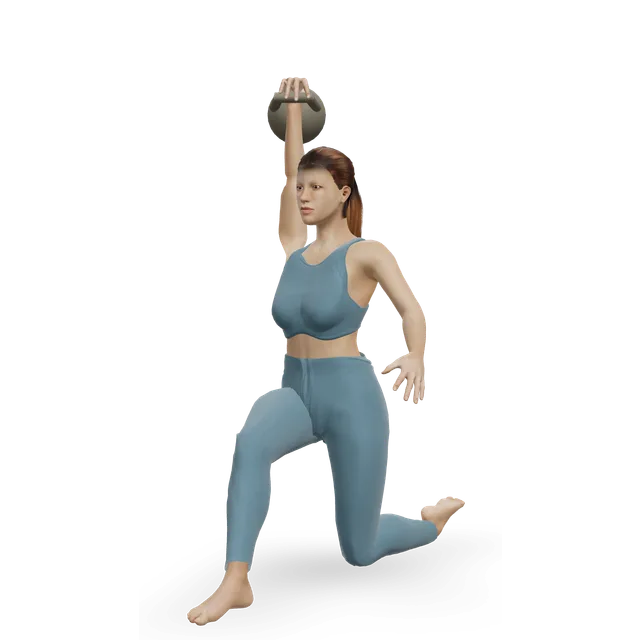 3D demoKettlebell Turkish get-up (lunge style)Advanced · A kettlebell
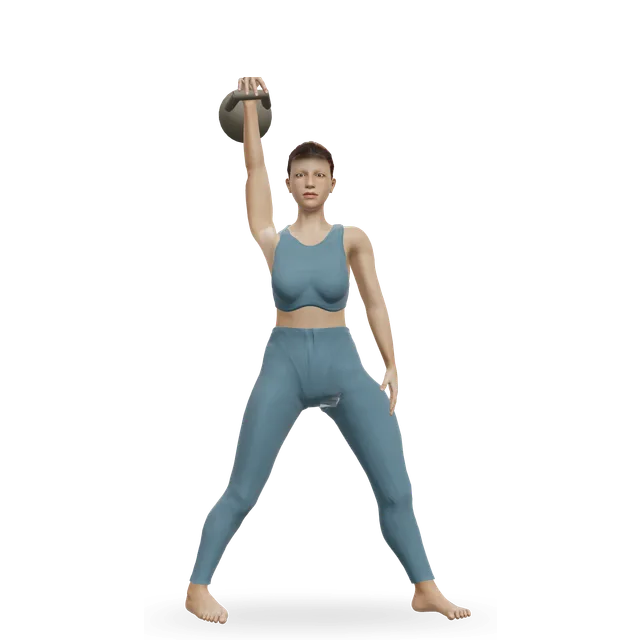 3D demoKettlebell windmillIntermediate · A kettlebell
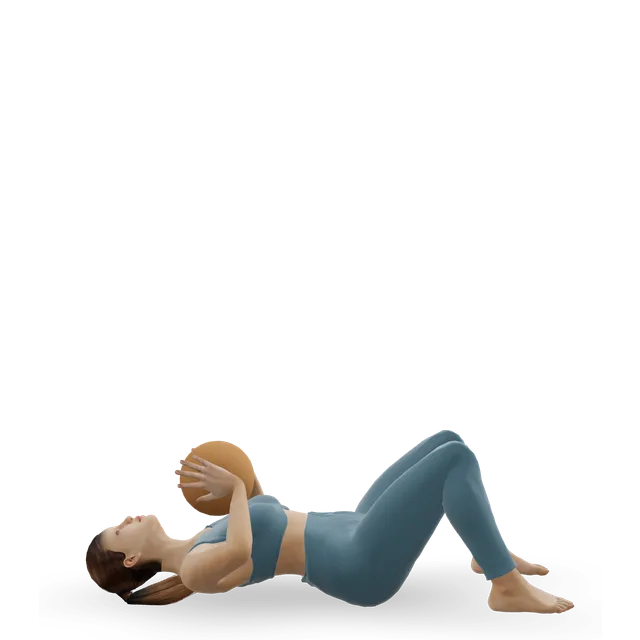 3D demoBarbell press sit-upAdvanced · A barbell + A bench or box
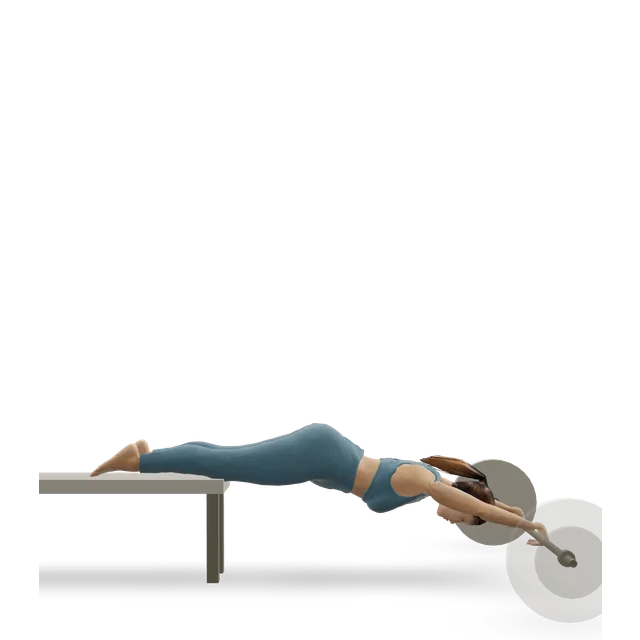 3D demoBarbell rollout with the knees on a benchAdvanced · A barbell + A bench or box
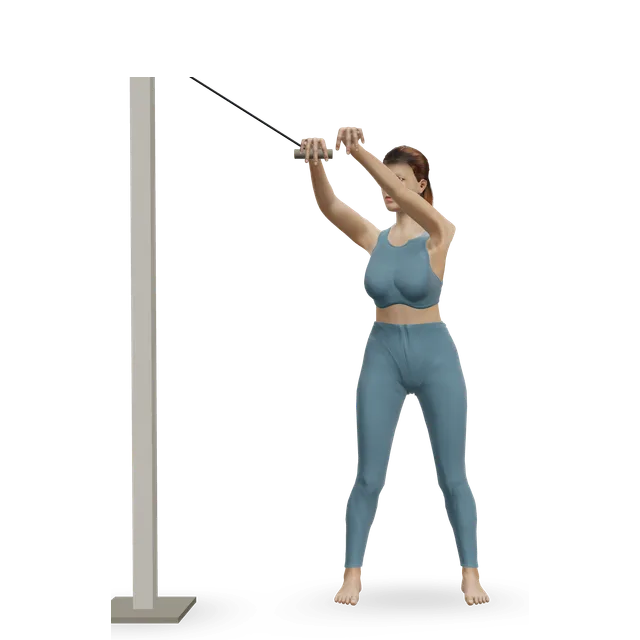 3D demoCable wood chopAdvanced · A cable machine
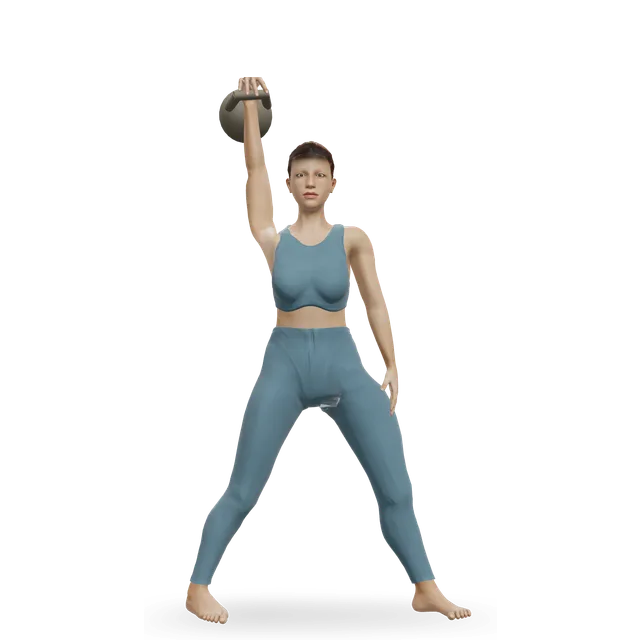 3D demoDouble kettlebell windmillAdvanced · A kettlebell
Browse more
Questions people ask
What muscles does the Turkish get-up work?
Mainly the shoulders and abs, with help from the glutes, quads and triceps.
What equipment do I need for the Turkish get-up?
A kettlebell + A dumbbell.
Is the Turkish get-up good for beginners?
It is an advanced move. Build up to it with the Bodyweight get-up first.
What is an easier alternative to the Turkish get-up?
Try the Bodyweight get-up or the Straight-arm plank (high plank). Both are written steps in the same progression.
How do I make the Turkish get-up harder?
Progress to the Kettlebell Turkish get-up (squat style). Follow that guide’s technique and any stated timing.