Dumbbell upright row
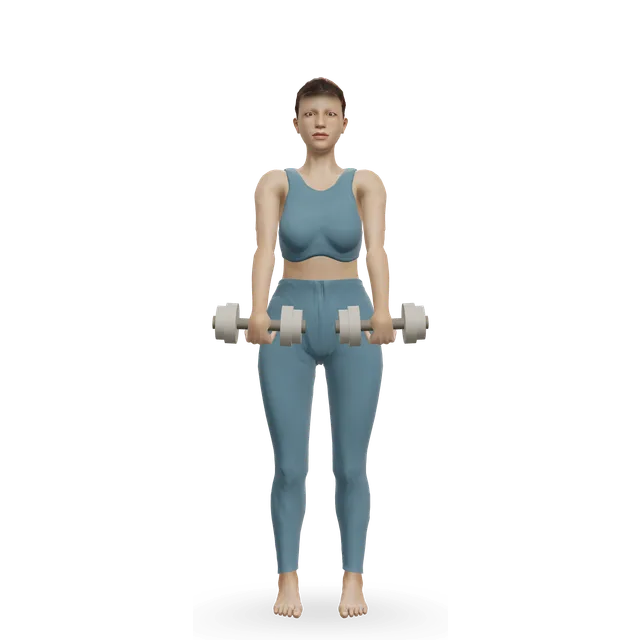
Standing with a dumbbell in each hand in front of the thighs, palms facing the body and the hands about shoulder-width, the elbows lead the dumbbells up close to the body, stopping at shoulder height: the upright row with a weight in each hand, which the NSCA's progression puts after the lateral and front raises.
Lateral raise family
Dumbbell upright row
Loading the 3D figure…
Source-researched guide. Clinical review is pending.
How to move
- Stand with a dumbbell in each hand in front of the thighs, palms facing the body, the hands about shoulder-width apart.
- Lead with the elbows to draw the dumbbells straight up close to the body, stopping when the elbows reach shoulder height.
- Lower them slowly.
Form cues
- The elbows stay above the hands.
- Keep the wrists straight; don't pull the dumbbells to the chin.
Practice and cautions
No universal dose is assigned. Choose a manageable amount for your current capacity, leave room for controlled repetitions, and allow recovery. A clinician’s individual plan takes priority.
Keep the hands at least a foot apart and stop when the elbows reach shoulder height: rows taken higher were linked to shoulder impingement. Leave it out with shoulder pain. This is movement education, not an assessment or treatment prescription. Stop for sharp or increasing pain, dizziness, numbness or tingling; seek individual guidance for symptoms, injury or restrictions.
Sources and review status
Sources support the educational description; they do not establish that this exercise is suitable for you.
- NSCA Personal Training Quarterly · Strength training for the older client (split-stance and row progressions, simple to complex) ↗
- Mass General Sports PT · Strength training for the shoulder (upright rows: hands at least 12 inches apart, elbows no higher than the shoulders) ↗
- Kolber 2014 · Upright rows and shoulder impingement (rows above 90° linked to impingement signs; JSCR) ↗
- McAllister 2013 · Grip width in the upright row (a wider grip worked the deltoid and trapezius more) ↗
- Free Exercise DB · community text ↗
Unlicense · Free Exercise DB contributors; derived from wrkout/exercises.json. Text import; no photographs or media. · Revision f00c92c7dcf1216a928a52c3706c7ce8e2f71ed5
No variation is labeled clinically validated.
What it works
Muscles
Main: Shoulders. Also: Back, Biceps.
Anatomy: Deltoid, Rotator cuff, Supraspinatus, Infraspinatus, Subscapularis, Teres minor.
Equipment
A dumbbell
Level
Intermediate. See the easier and harder options above.
Workouts that use it
Pain guides that use it
Part of a staged plan, with when to get help first.
- Neck pain: exercises that help, and when to get it checked
- Tech neck: what really helps desk and phone neck pain
- Neck arthritis (cervical spondylosis): exercises, scans and warning signs
- Tension headaches: relief, prevention, and how they differ from neck headaches
- Neck pain in women: desk work, stress, migraine, pregnancy, the menopause and heart attack signs
Guides that use it
Similar moves
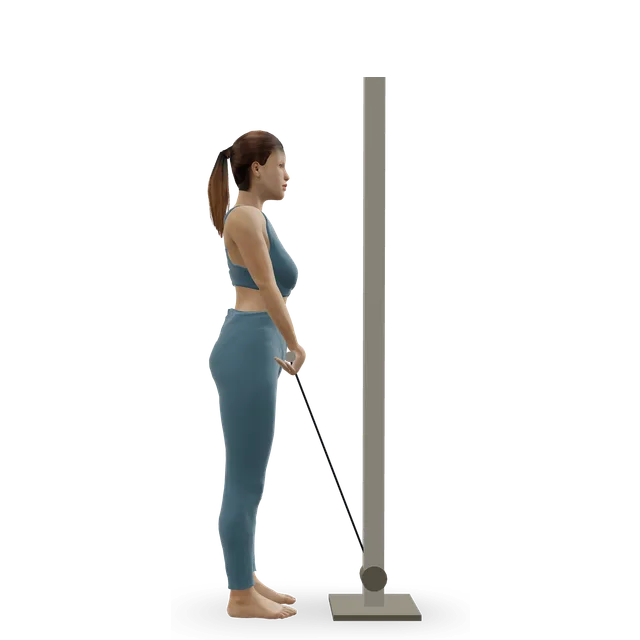 3D demoCable upright rowIntermediate · A cable machine
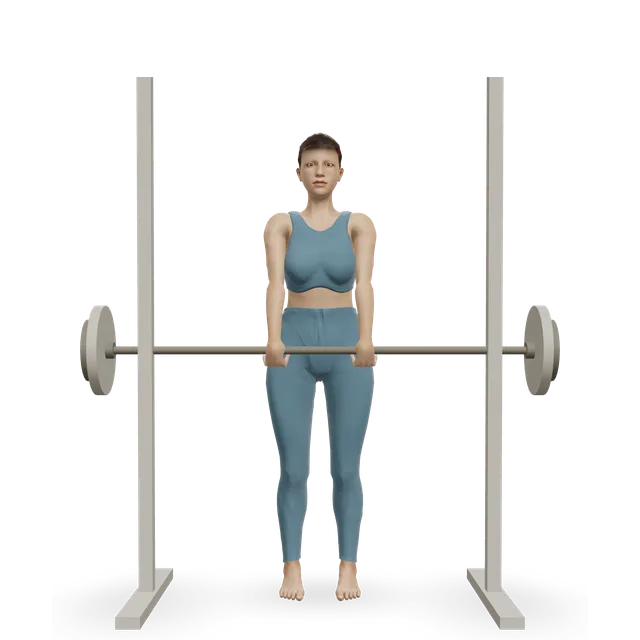 3D demoSmith machine upright rowIntermediate · Strength machine
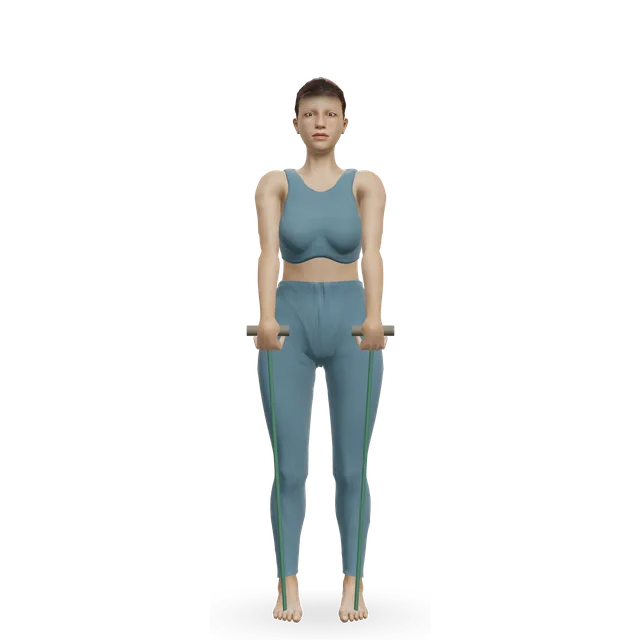 3D demoBand upright rowIntermediate · A band
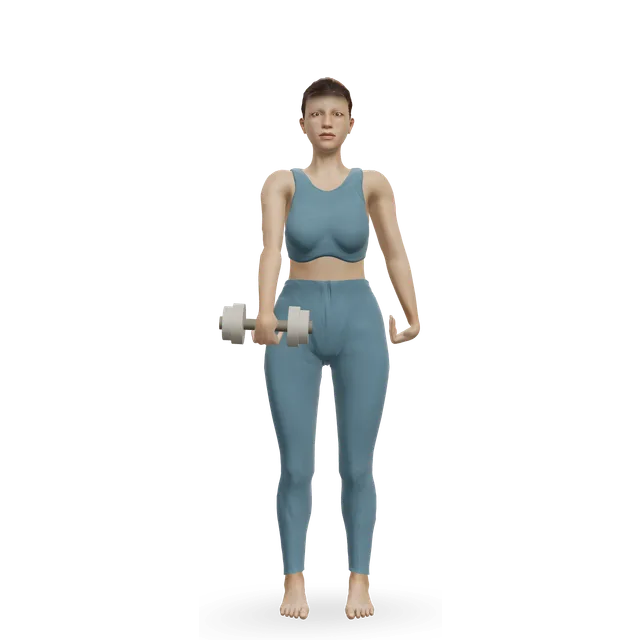 3D demoOne-arm dumbbell upright rowIntermediate · A dumbbell
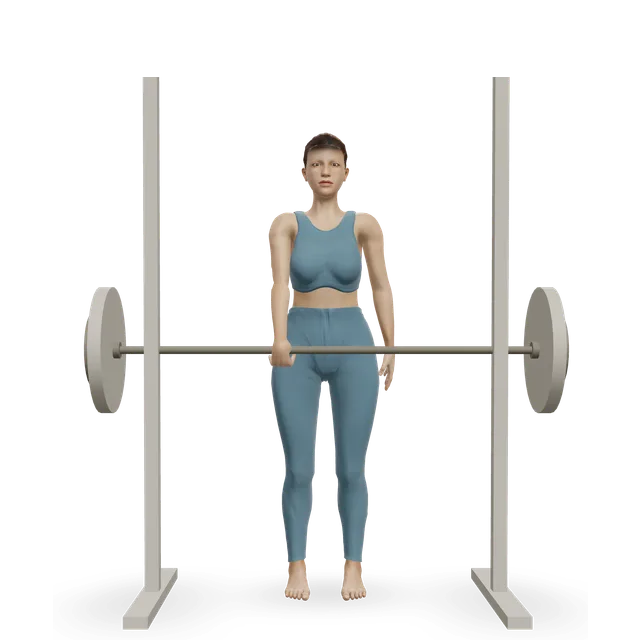 3D demoOne-arm Smith machine upright rowIntermediate · Strength machine
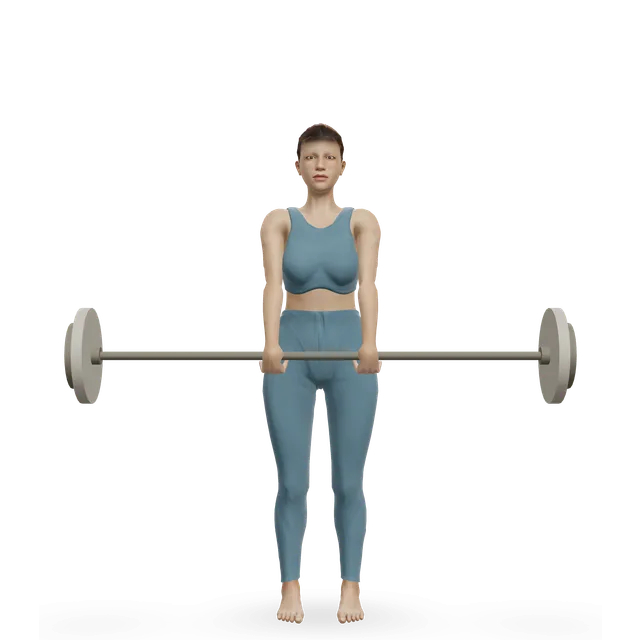 3D demoUpright barbell rowIntermediate · A barbell
Browse more
Questions people ask
What muscles does the Dumbbell upright row work?
Mainly the shoulders, with help from the back and biceps.
What equipment do I need for the Dumbbell upright row?
A dumbbell.
Is the Dumbbell upright row good for beginners?
It is graded intermediate. If it is too hard right now, start with the Dumbbell lateral raise.
What is an easier alternative to the Dumbbell upright row?
Try the Dumbbell lateral raise or the Seated dumbbell lateral raise. Both are written steps in the same progression.
How do I make the Dumbbell upright row harder?
Progress to the Barbell rear-delt row or the Behind-the-neck press. Follow that guide’s technique and any stated timing.