Rucking (loaded walking)
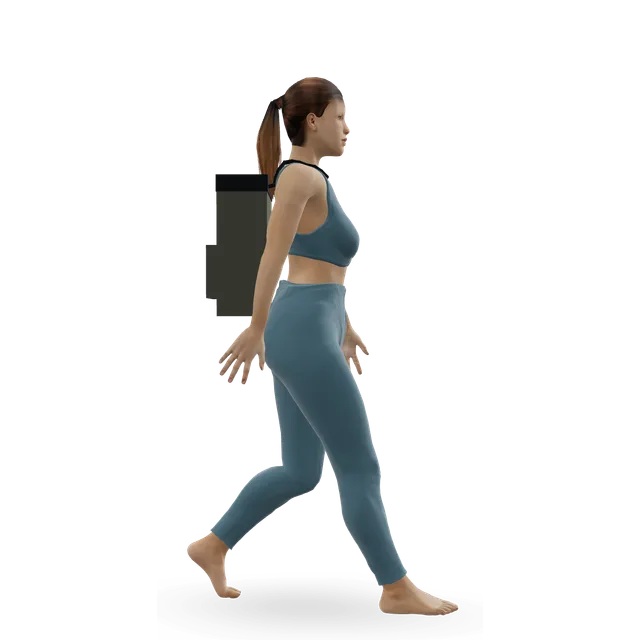
Walking at a purposeful pace with a loaded backpack high on the back: hiking with a heavy pack counts as vigorous activity in the US guidelines.
Walk to run family
Rucking (loaded walking)
Loading the 3D figure…
Source-researched guide.
How to move
- Load a backpack and fit it high and snug on the upper back.
- Walk upright at a purposeful pace rather than hanging off the straps.
- Build the load and distance gradually.
Form cues
- Start light, about a tenth of body weight.
- Keep the shoulders back and the trunk tall.
Practice and cautions
No universal dose is assigned. Choose a manageable amount for your current capacity, leave room for controlled repetitions, and allow recovery. A clinician’s individual plan takes priority.
Military load carriage research puts overuse injury of the back and lower limbs top of the list, and risk climbs with load. Stay under roughly 30 per cent of bodyweight, keep the pack high and tight so it does not swing, and let sore shoulders or hot spots on the feet end a session early. With numb feet from diabetes or another cause, choose low-impact options, wear well-fitting shoes, and check your feet for redness or blisters afterwards; with an open sore or ulcer, do no weight-bearing exercise until your foot team says so. This is movement education, not an assessment or treatment prescription. Stop for sharp or increasing pain, dizziness, numbness or tingling; seek individual guidance for symptoms, injury or restrictions.
Sources and review status
Sources support the educational description; they do not establish that this exercise is suitable for you.
- US HHS · Physical Activity Guidelines for Americans, 2nd edition (brisk walking moderate; jogging, running, hiking with a heavy pack and HIIT vigorous) ↗
- Compendium of Physical Activities · Walking (treadmill walking at 3.5-3.9 mph 4.8 METs; stair climbing and hiking with a pack higher) ↗
No variation is labeled clinically validated.
What it works
Muscles
Main: Quads, Calves. Also: Glutes, Back, Abs.
Anatomy: Sartorius, Quadriceps, Rectus femoris, Vastus medialis, Vastus lateralis, Gastrocnemius.
Equipment
Something with weight
Level
Intermediate. See the easier and harder options above.
Workouts that use it
Pain guides that use it
Part of a staged plan, with when to get help first.
- Knee pain when hiking: going downhill, the kneecap and the outer knee, poles, pack weight and pace
- Hip pain when hiking: uphill and downhill, the outer hip, the groin, the pack, poles and what helps
- Lower back pain when hiking: the pack, uphill and downhill, the nerve signs, poles and what helps
- Foot pain when hiking: blisters, boots, laces, the heel, the ball of the foot, toes and what helps
- Shin pain when hiking: shin splints, stress fractures, descents, boots and laces, and what helps
Guides that use it
Similar moves
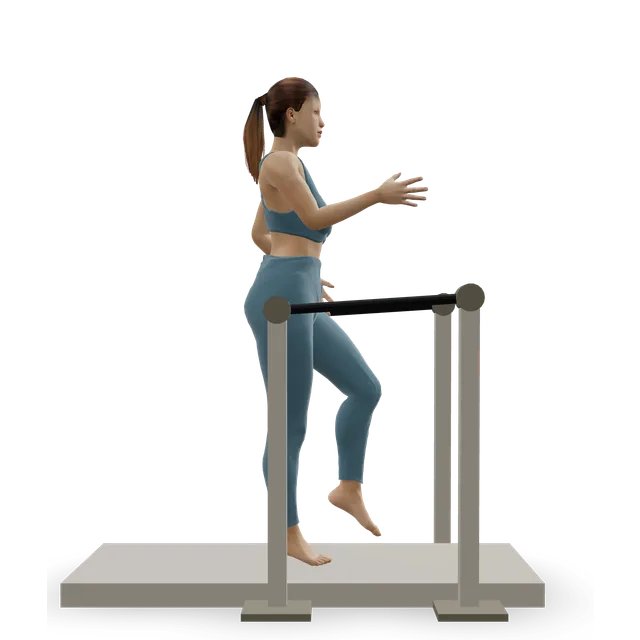 3D demoTreadmill joggingIntermediate · Cardio machine
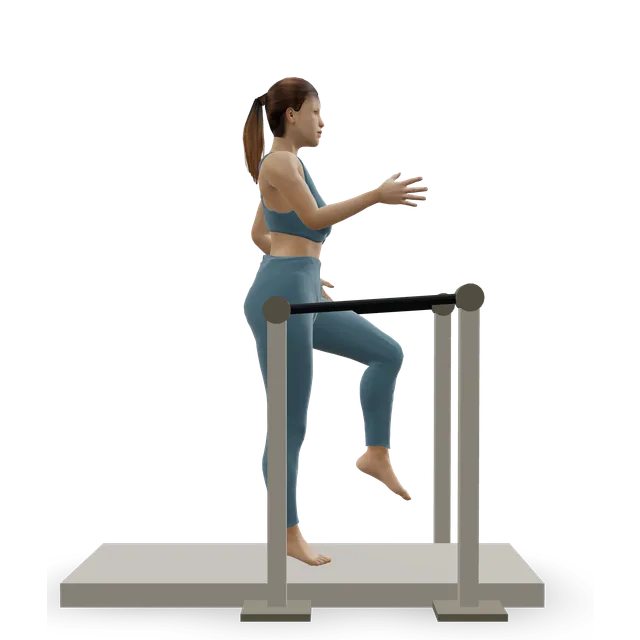 3D demoTreadmill runningIntermediate · Cardio machine
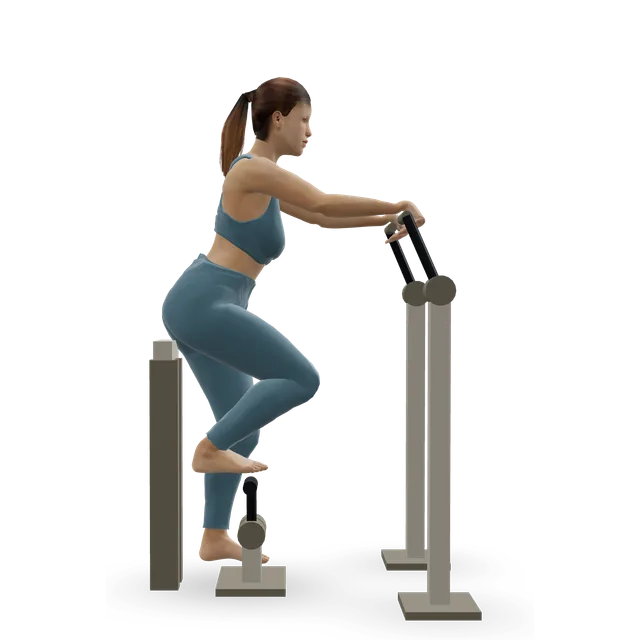 3D demoAir bike intervalsAdvanced · Cardio machine
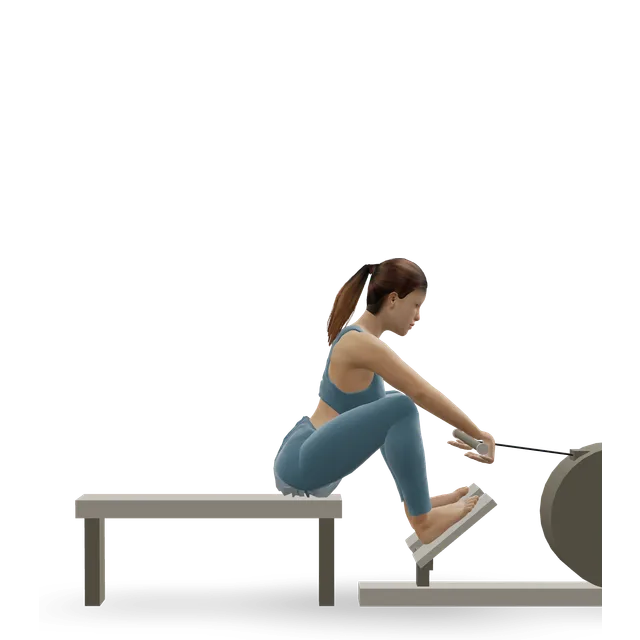 3D demoIndoor rowing (rowing machine)Beginner · Cardio machine
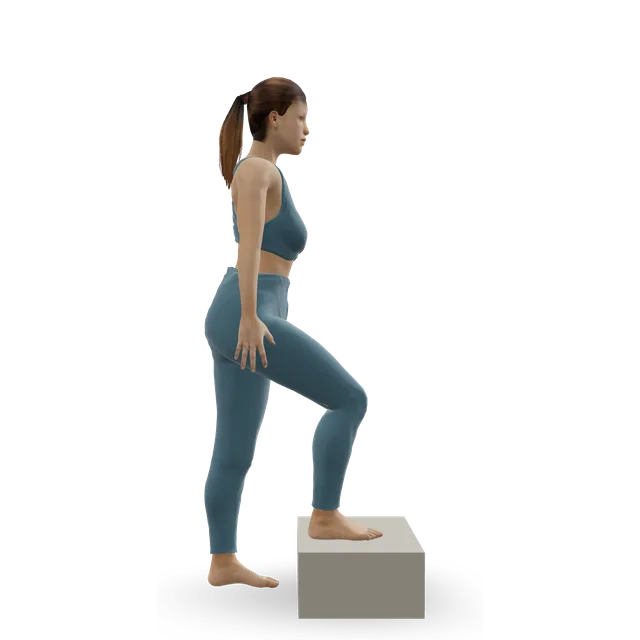 3D demoStair climbingIntermediate · A step
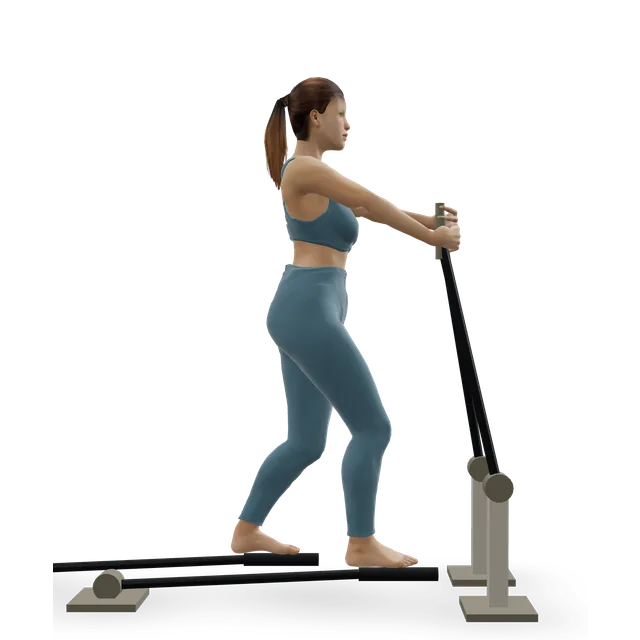 3D demoElliptical trainerBeginner · Cardio machine
Browse more
Questions people ask
What muscles does the Rucking (loaded walking) work?
Mainly the quads and calves, with help from the glutes, back and abs.
What equipment do I need for the Rucking (loaded walking)?
Something with weight.
Is the Rucking (loaded walking) good for beginners?
It is graded intermediate. If it is too hard right now, start with the Treadmill walking.
What is an easier alternative to the Rucking (loaded walking)?
Try the Treadmill walking or the Trail running and walking. Both are written steps in the same progression.
How do I make the Rucking (loaded walking) harder?
Progress to the Sprint intervals or the Hill sprints. Follow that guide’s technique and any stated timing.