Shuttle runs
Running between two markers 10-20 metres apart, stopping, turning and accelerating back: the turns make it cost about three and a half times as much as running at a steady speed.
Walk to run family
Shuttle runs
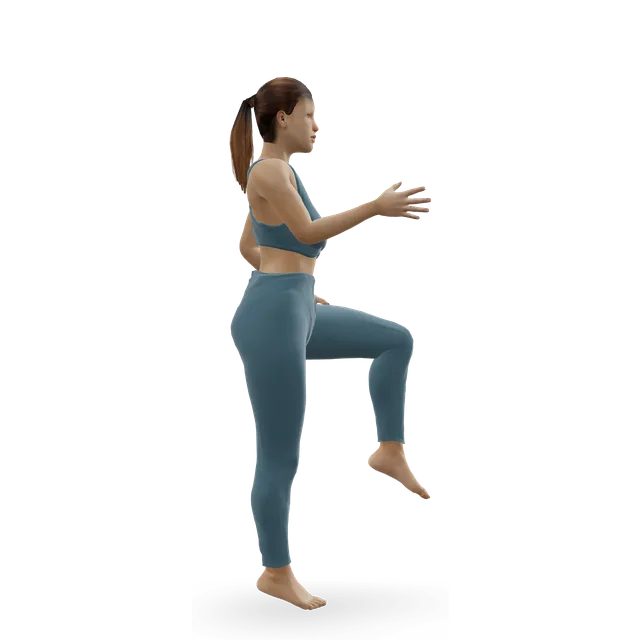
Loading the 3D figure…
Source-researched guide.
How to move
- Set two markers 10-20 metres apart.
- Run to the far marker, slow, drop the hips, plant and turn.
- Accelerate back; repeat for the set distance or time.
Form cues
- Bend the knees and hips to turn.
- Touch the line with alternate hands.
Practice and cautions
No universal dose is assigned. Choose a manageable amount for your current capacity, leave room for controlled repetitions, and allow recovery. A clinician’s individual plan takes priority.
Sharp turns load the knees and ankles far more than straight running, and fast cutting is where team sport knee injuries happen. Start with wide, unhurried turns and sharpen them over weeks, and take extra care on slick surfaces or with a history of ankle sprains or knee ligament injury. With proliferative or severe non-proliferative diabetic retinopathy, avoid jumping and jarring. With numb feet from diabetes or another cause, choose low-impact options, wear well-fitting shoes, and check your feet for redness or blisters afterwards; with an open sore or ulcer, do no weight-bearing exercise until your foot team says so. If you leak when you jump, land or run, build up pelvic floor exercises first and see a GP or pelvic health physiotherapist; with a prolapse, check with them before impact work. If a racing heart or fast breathing tends to set off panic, build up over several sessions: these feelings are normal with hard effort and settle as you recover. Chest pain, fainting or palpitations that don't settle need urgent help. This is movement education, not an assessment or treatment prescription. Stop for sharp or increasing pain, dizziness, numbness or tingling; seek individual guidance for symptoms, injury or restrictions.
Sources and review status
Sources support the educational description; they do not establish that this exercise is suitable for you.
- Buglione & di Prampero 2013 · The energy cost of shuttle running (about 3.5 times that of running at a constant speed; Eur J Appl Physiol) ↗
- NHS · Physical activity guidelines for adults (brisk walking moderate; running and stair climbing vigorous; hill sprints and interval running very vigorous) ↗
No variation is labeled clinically validated.
What it works
Muscles
Main: Quads, Glutes, Calves. Also: Hamstrings, Adductors.
Anatomy: Sartorius, Quadriceps, Rectus femoris, Vastus medialis, Vastus lateralis, Gluteus maximus.
Equipment
None: body weight and floor space.
Level
Advanced. See the easier and harder options above.
Workouts that use it
- Racket sport warm-up · 12 min
- FIFA 11+ warm-up · 20 min
- Volleyball warm-up · 15 min
- Activate rugby warm-up: the adult sample phase · 25 min
- Cricket warm-up · 12 min
- Netball warm-up: the KNEE programme · 20 min
- American football warm-up: run, move, land and accelerate · 15 min
- Field hockey warm-up: the Warming-up Hockey sample session · 12 min
Show all 18 workoutsShow fewer workouts
- Badminton injury prevention warm-up · 20 min
- Squash ghosting workout · 30 min
- Lacrosse warm-up: run, move, land, cut and rehearse · 15 min
- Gaelic games warm-up (built on the GAA 15) · 15 min
- Figure skating warm-up: ankles, hips, spine, balance and landings before the ice · 15 min
- Balance, agility and speed workout for roller skaters: the 4-week school team programme · 50 min
- Wrestling conditioning workout: sprint intervals, sprawls and mat drills · 40 min
- Handball warm-up: Knee Control, Shoulder Control, landings and a throwing build-up · 20 min
- Australian football warm-up: built on Prep to Play, for every session and match · 10 min
- Agility workout: change direction, land and react · 30 min
Pain guides that use it
Part of a staged plan, with when to get help first.
- ACL injury: rehab, surgery or not, and how to prevent it
- MCL sprain (inner knee ligament): recovery and exercises
- Osgood-Schlatter disease: knee pain in active children and teenagers
- Sprained ankle: what to do now, exercises, and stopping the next one
- Chronic ankle instability: exercises for an ankle that keeps rolling
- Dislocated kneecap: what to do, exercises, and stopping it happening again
- Sports hernia (inguinal-related groin pain): rehab, surgery and how it differs from a hernia
- PCL injury (posterior cruciate ligament): recovery, bracing and exercises
Show all 44 pain guidesShow fewer pain guides
- Lisfranc injury (midfoot sprain or fracture): diagnosis, treatment and recovery
- Exercises after meniscus surgery: recovery after a trim or a repair
- LCL sprain (outer knee ligament): recovery and exercises
- Torn kneecap tendons: patellar and quadriceps tendon ruptures, surgery and recovery
- Osteitis pubis (pubic bone pain): rehab, recovery time and how it differs from a sports hernia
- Turf toe: a sprained big toe joint, from first aid to return to play
- Posterior ankle impingement: pain at the back of the ankle when you point your foot, from rehab to surgery
- Sinding-Larsen-Johansson syndrome: pain at the bottom of the kneecap in active children
- Hip pointer: a bruised hip bone, the teenage fractures that mimic it, and getting back to sport
- High ankle sprain: how to spot it, why it takes longer, and when it needs a specialist
- Quadriceps tendinopathy (quad tendonitis): pain above the kneecap, and a tendon loading plan
- Knee OCD (osteochondritis dissecans): a damaged patch of bone and cartilage in children, teenagers and young adults
- Hyperextended knee: injuries when the knee bends backwards, and knees that bend back naturally
- Anterior ankle impingement (footballer's ankle): pain at the front of the ankle when you squat, lunge or climb
- Sinus tarsi syndrome: pain in the hollow on the outer ankle, the causes to rule out and what helps
- Broken kneecap (patella fracture): brace or surgery, and the exercises that follow
- Tibial plateau fracture: weight-bearing limits, rehab and the long-term outlook
- Osteochondral lesion of the talus (talar dome lesion, ankle OCD): deep ankle pain after a sprain
- Exercises after ankle ligament surgery: recovery after a Broström repair or reconstruction
- Exercises after knee cartilage surgery: microfracture, cell transplants (ACI) and grafts
- ACL surgery recovery: the stages back to running, jumping and sport, and the return-to-sport tests
- Knee pain in children and teens: growing pains, Osgood-Schlatter, the kneecap, injuries and the hip
- Knee pain when twisting: the meniscus, the ligaments, the kneecap, arthritis and what helps
- Knee pain from pickleball: the meniscus, arthritis, kneecap pain, courts and shoes, and what helps
- Knee pain from basketball: jumper's knee, kneecap pain, growing knees, ACL tears and what helps
- Ankle pain from basketball: rolled ankles, high ankle sprains, the Achilles, braces and what helps
- Knee pain from tennis: the kneecap, the meniscus, arthritis, courts and shoes, and what helps
- Knee pain after football (soccer): twists, tackles, ligaments, the meniscus, growing knees and help
- Back pain after football (soccer): kicking, tackles, young players' stress fractures and what helps
- Hip and groin pain after football (soccer): groin strains, sports hernia, impingement and help
- Ankle pain after football (soccer): sprains, footballer's ankle, the Achilles, Sever's and help
- Back pain after rugby: scrums, rucks and tackles, young players' stress fractures and what helps
- Knee pain after rugby: twists and tackles, the ACL and MCL, the meniscus, the kneecap and what helps
- Knee pain from netball: landings, the ACL, kneecap and tendon pain, growing knees and what helps
- Ankle pain from netball: sprains, repeat sprains, the Achilles, braces, shoes and courts, and help
- Back pain from hockey: field and ice hockey, the crouch, drag flicks, young players and what helps
Guides that use it
- Exercise for children and teenagers
- Exercise for ADHD
- Exercise after a concussion
- HIIT guide
- Agility guide
- Reaction time guide
- Footwork guide
- Beep test guide
Show all 14 guidesShow fewer guides
Similar moves
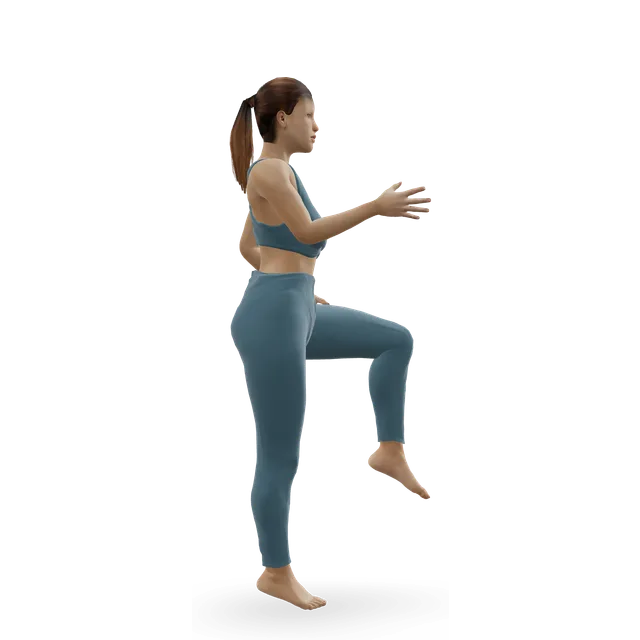 3D demoHill sprintsAdvanced · No equipment
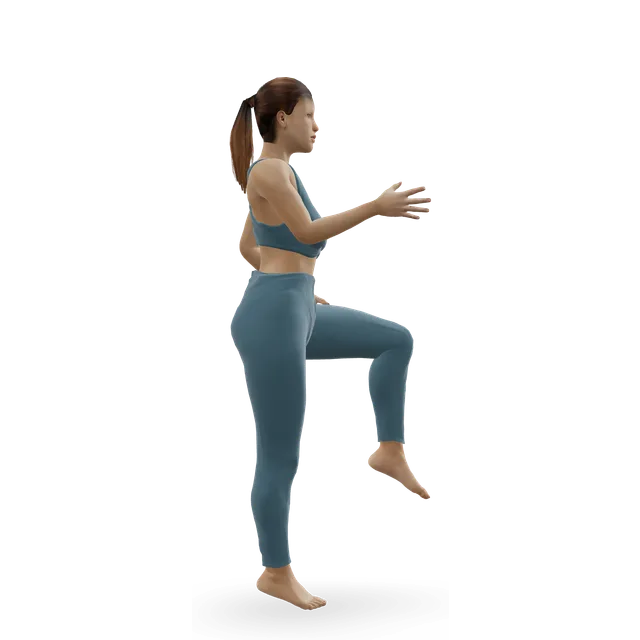 3D demoTrail running and walkingBeginner · No equipment
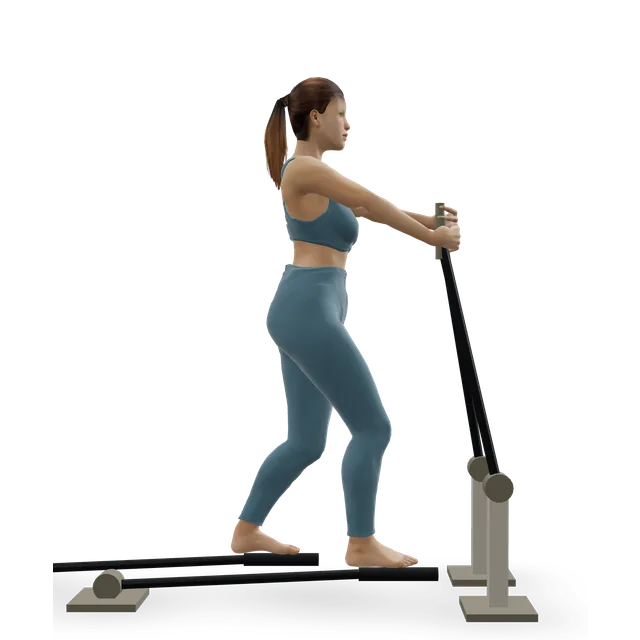 3D demoElliptical trainerBeginner · Cardio machine
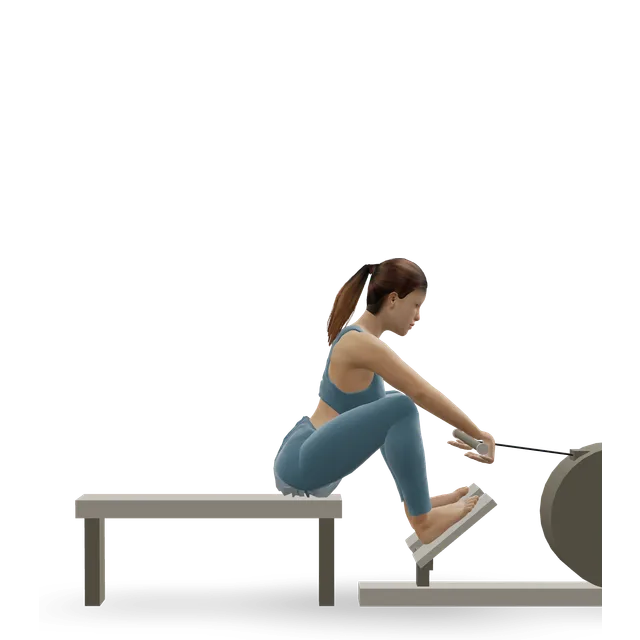 3D demoIndoor rowing (rowing machine)Beginner · Cardio machine
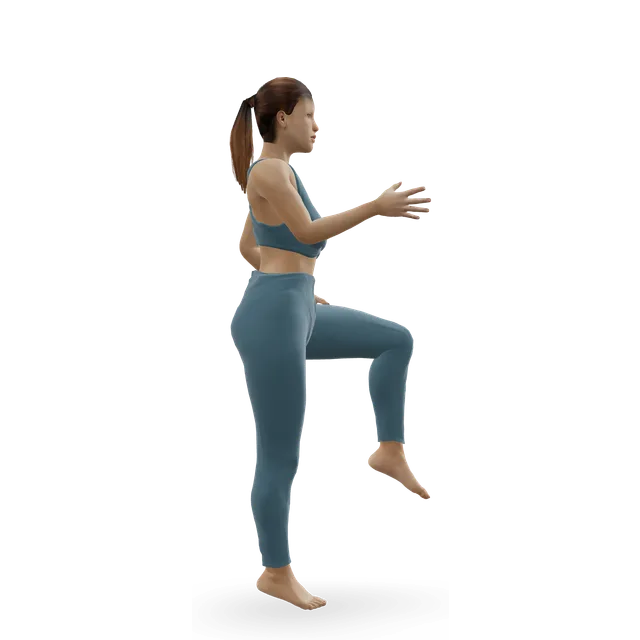 3D demoSprint intervalsAdvanced · No equipment
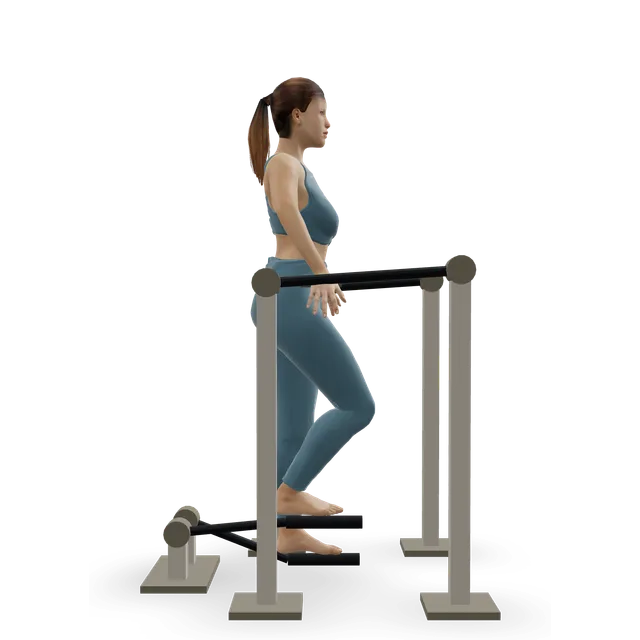 3D demoStair-stepper machineIntermediate · Cardio machine
Browse more
Questions people ask
What muscles does the Shuttle runs work?
Mainly the quads, glutes and calves, with help from the hamstrings and adductors.
What equipment do I need for the Shuttle runs?
No equipment: your body weight and a little floor space.
Is the Shuttle runs good for beginners?
It is an advanced move. Build up to it with the Treadmill jogging first.
What is an easier alternative to the Shuttle runs?
Try the Treadmill jogging or the Treadmill running. Both are written steps in the same progression.