Training guide

How to do a squeeze press: the dumbbells pressed together, the chest and triceps, the plate (Svend) press, and how many

A squeeze press is a dumbbell press with the two dumbbells held together over your chest and squeezed against each other all the way down and up. It's a close-grip press: expect to lift less than in your usual dumbbell press, probably with a little more work for your triceps, and no special effect on an "inner chest", which isn't a separate part of the muscle.

Nobody has studied the squeeze press itself, so this guide says what close-grip and squeeze studies show, what we infer from them and what's coaching practice.

It covers the press step by step on the 3D figure, the standing plate (Svend) press and the palm press, incline and floor versions, how heavy and how many, and your shoulders.

The short version

The move

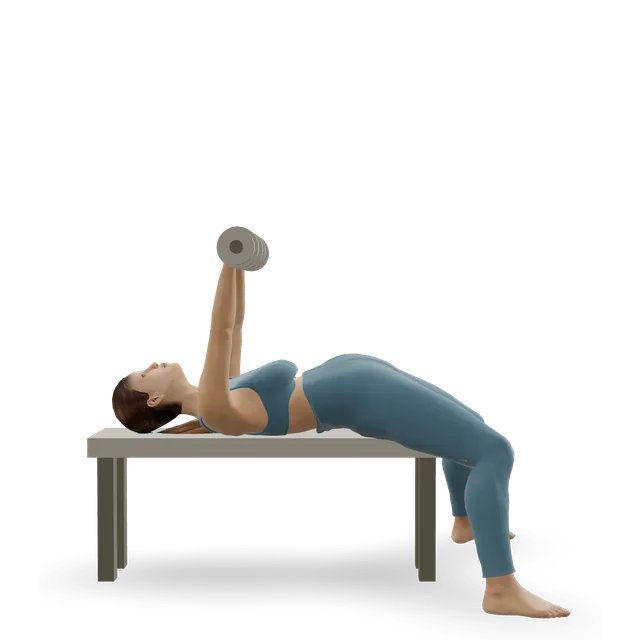
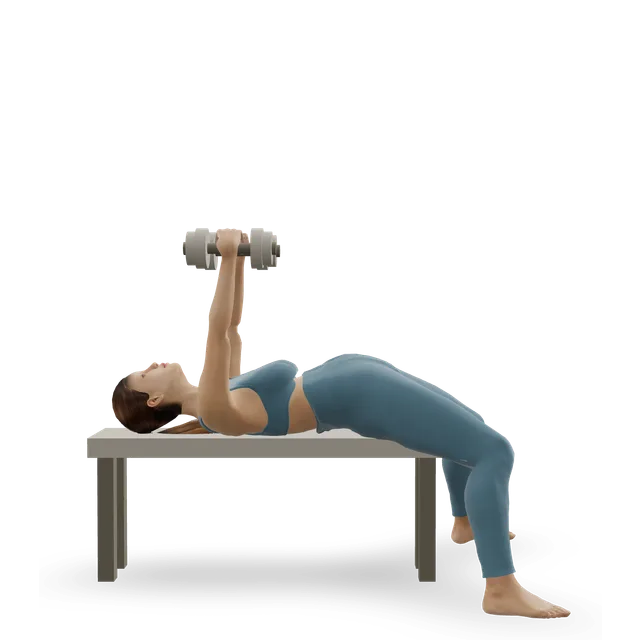
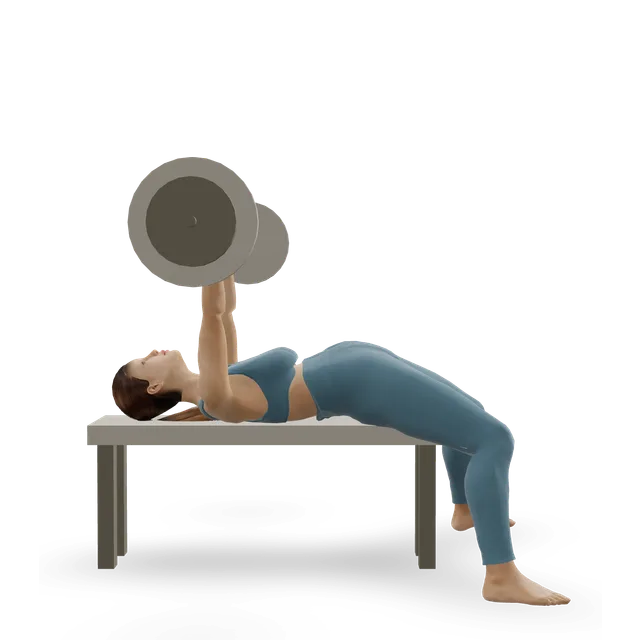
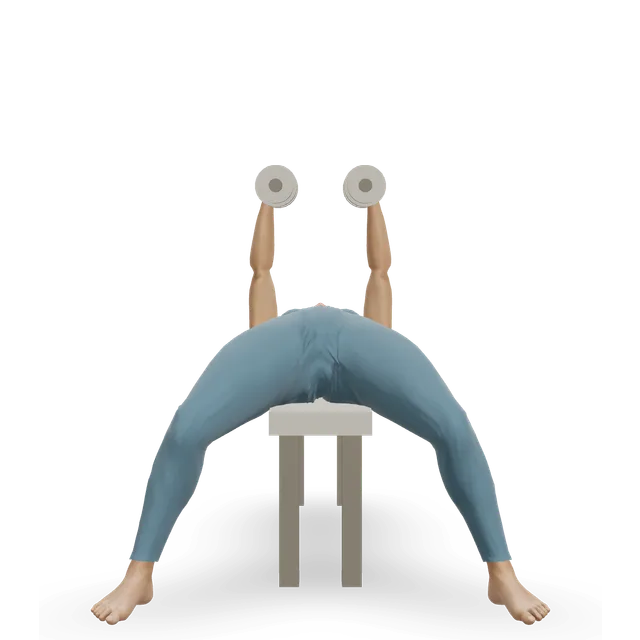
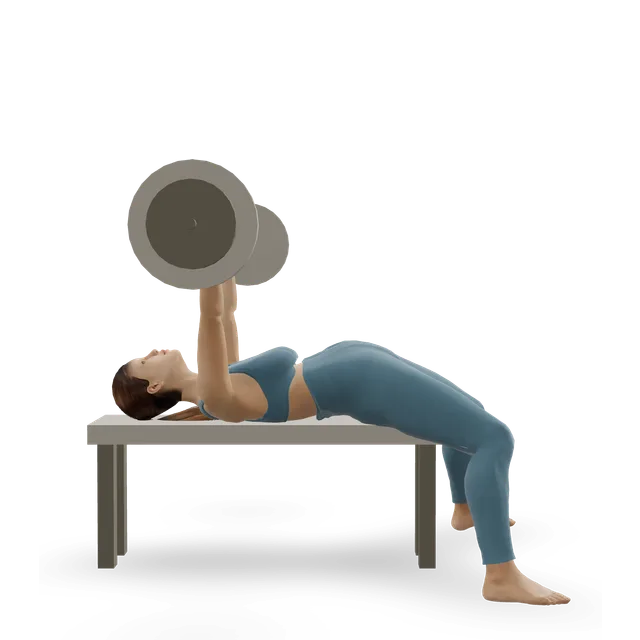
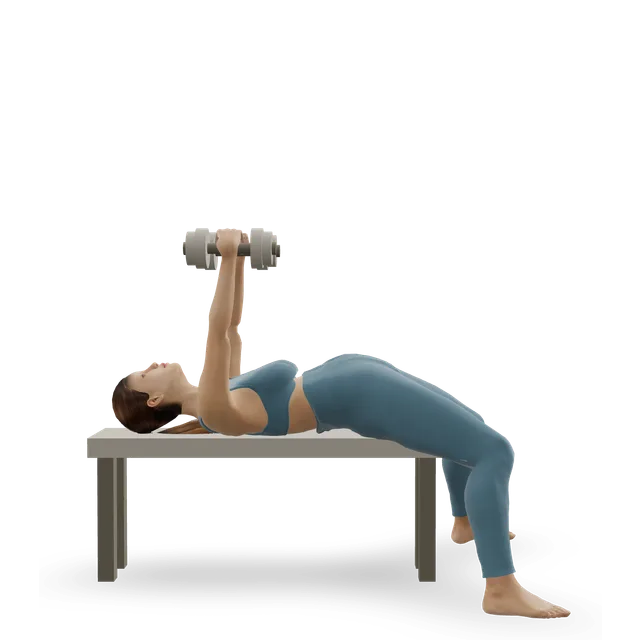
Lie on a flat bench holding two dumbbells over your chest, palms facing and the dumbbells pressed together. Keep squeezing them together as you lower them to the middle of your chest with your elbows tucked, then press back up. Lifters with a close grip already push their hands inwards a little; the squeeze press makes that push deliberate.

Source 1

Barely studied

We found no study of the squeeze press, crush press, hex press or Svend press: no muscle activity, no loads and no training trial. One trial put the Svend press in a programme for nursing home residents without measuring it. What we know comes from close-grip barbell presses and studies of the chest.

Source 2

Lighter than your usual press

Close-grip barbell presses lifted about 5% less with the hands at shoulder width and about 19% less with them at half shoulder width, and dumbbells already lift about 17% less than a barbell. Pick a pair you could press 10 to 12 times: expect it to be lighter than your dumbbell bench press.

Sources 3, 4, 5

Probably a little more triceps, not more "inner chest"

Pressing with the hands close raised triceps activity a little in most barbell studies, so the squeeze press probably works the triceps a little more; that's our inference, as nobody has measured it. The middle and lower chest worked the same or less. There's no inner chest to target: the chest's parts run from top to bottom, and it grew evenly in a fly trial.

Sources 6, 4, 7, 8

A second press, not your main one

Use it after a main press, or at home with light dumbbells: 2 or 3 sets of 8 to 12, stopping 2 or 3 reps short (its move page's dose). Our dumbbell bench press guide's safety lines apply: get the dumbbells in and out from your thighs, and never go to failure on your own.

Source 9

The Svend press is a light shoulder-and-chest squeeze

Two light plates squeezed between flat palms and pressed out at chest height. Holding them out in front loads the upper chest and the front of the shoulder, the muscles with the best leverage for raising the arm forwards in a study of cadaver shoulders. Use it for warm-ups, finishers or home training: 2 or 3 sets of 10 to 15 (its move page's dose).

Source 10

What a squeeze press is

The lift and its names

A dumbbell press lying on a flat bench with the two dumbbells held together, palms facing, squeezed against each other the whole time, lowered to the middle of your chest with your elbows tucked and pressed back up. With hexagonal dumbbells it's often called the hex press, and it's also called the crush press. One dumbbell held upright between both palms works the same way, as our move page says. It's the dumbbell cousin of the close-grip bench press.

The Svend press and the palm press

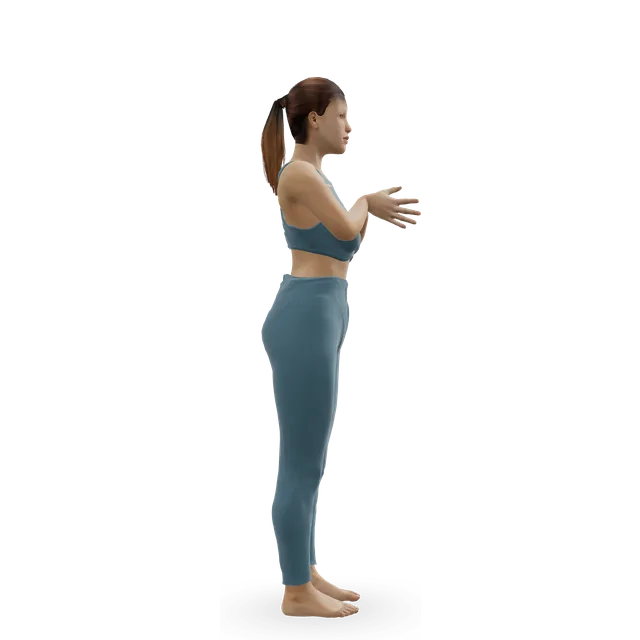
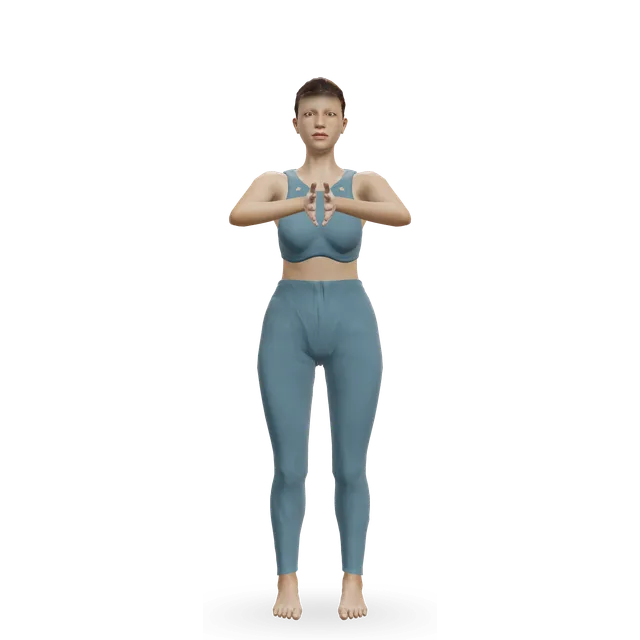
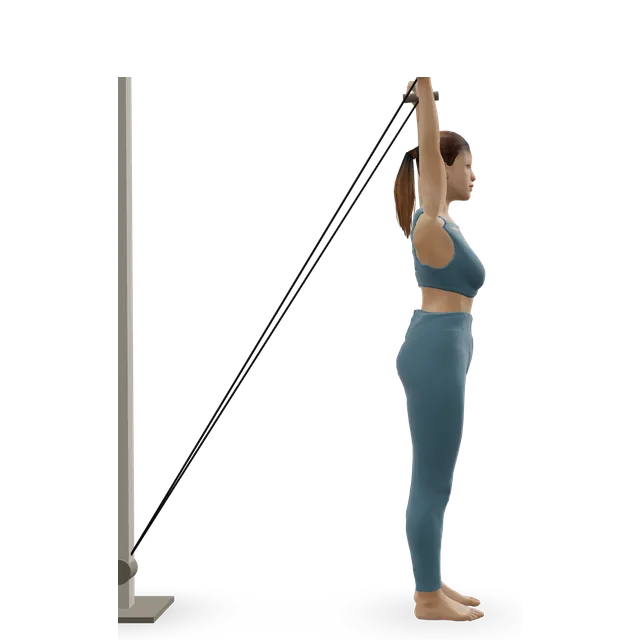
The Svend press, or plate squeeze press, is done standing: two light plates squeezed between flat palms at chest height, pushed straight out in front and drawn back. The palm press is the same squeeze with no weight and no movement.

Muscles and joints

Your chest (pectoralis major), the front of your shoulders and your triceps, as in any press. With the hands close, the elbows bend further and the triceps do relatively more. The squeeze is an inward push held through the press. The chest has an upper part from the collarbone and a larger lower part from the breastbone and ribs, in 6 to 7 segments, supplied by nerves from top to bottom: there's no separate inner chest.

Sources 11, 1, 7, 12

Before you start

A controlled dumbbell bench press, as our move page asks, and our dumbbell bench press guide's set-up and bail-out. The Svend press and palm press need nothing beforehand.

How people differ

Broad-shouldered or long-armed lifters may find the tucked-elbow bottom position cramped: stop where your shoulders feel secure (our suggestion). In one computer model, a closer grip lowered the load on the top of the shoulder, while a very narrow grip with tucked elbows raised another shoulder force, so let comfort decide. Keep your wrists straight under the dumbbells.

Source 13

How to do a squeeze press, step by step

From our squeeze press move page and our dumbbell bench press guide (its set-up from the thighs, from the National Strength and Conditioning Association's technique column, and the bail-out, which is coaching practice).

  1. Choose dumbbells lighter than your usual dumbbell press: a pair you could press 10 to 12 times.
  2. Sit on the end of a flat bench with them on your thighs, lie back, and bring them to your chest one at a time with your knees' help.
  3. Press them up over your chest and bring them together, palms facing, the dumbbells touching along their length.
  4. Squeeze them together firmly, and keep squeezing.
  5. Breathe in and lower them to the middle of your chest, elbows close to your sides, keeping them touching.
  6. Breathe out and press them back up to straight arms without letting them separate.
  7. After the last rep, bring them to your chest, then your thighs, and sit up. If a rep fails, separate them, lower them to your chest and tip them out to the sides.

Loading the 3D figure…

Gets into position, then repeats the movement. Technical checks passed; qualified exercise review is pending.

The movement on the figure: Dumbbell squeeze press

What the evidence says

No direct study

We found no study of the squeeze press, crush press, hex press, close-grip dumbbell press or Svend press. The only mention: a 12-month programme for 95 nursing home residents, average age 82, added front raises and the Svend press partway through without measuring them. Everything below comes from close-grip barbell presses and studies of the chest.

Source 2

Close grips already push inwardsEmerging evidence

In 14 men pressing an instrumented bar, the hands pushed about 30% outwards with a wide grip and about 10% inwards with a narrow one, and the balance of chest and triceps activity hardly changed with hand width. In 14 bench-trained men, a narrow grip produced inward forces of 8.5 to 10.1%, while 18 novices pressing with their own grip always pushed outwards. The squeeze press turns that inward push into a deliberate one (our reading).

Sources 1, 14, 15

A close grip lowers the loadStrong evidence

Lifters pressed about 5% less with the hands at shoulder width (27 trained adults), 7 to 8% less at armpit width (28 men), 6 to 11% less in 12 competitive bench pressers, and about 19% less with the hands at half shoulder width (20 trained adults). Between 1.2 and 2 times shoulder width, the grip made no difference in 54 men.

Sources 3, 16, 17, 4, 18

Dumbbells lift less, with less triceps workEmerging evidence

In 12 trained men, two dumbbells came to about 17% less than a barbell, with similar chest activity and less triceps activity, as our dumbbell bench press guide reports.

Source 5

Probably a little more triceps (our inference)Emerging evidence

Narrowing the grip on a barbell raised triceps activity a little in five studies, from 6 to 35 men, but not in 12 competitive athletes, and the chest-to-triceps balance didn't change in another. So the squeeze press probably works the triceps a little more than a usual dumbbell press. That's an inference from close-grip barbell studies: nobody has measured the squeeze press itself.

Sources 6, 19, 14, 11, 4, 17, 1

The chest works the same or a little lessMixed evidence

With the hands close, the middle and lower chest worked the same or less in three studies, and the upper chest a little more in three others. Muscle activity over a few reps isn't the same as growth, and one of the study authors cautions against choosing a grip to target a muscle rather than for your sport.

Sources 6, 4, 16, 19, 11, 20, 21

On an inclineEmerging evidence

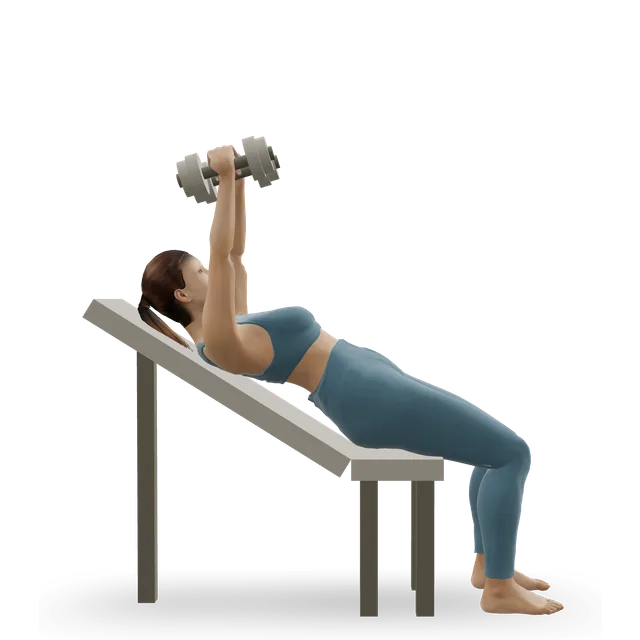
In 30 trained adults, raising the bench to about 30 to 45 degrees shifted work towards the upper chest and the front of the shoulder, as our dumbbell bench press guide says. The same is likely true of an incline squeeze press, which nobody has measured.

Source 22

The inner chest, and squeezing harder

There's no inner chestStrong evidence

In 11 cadavers, the chest had an upper part of even structure and a lower part in 6 to 7 segments. In 80 cadaver sides, the upper part was supplied by one nerve and the lower half by another. The muscle divides from top to bottom, not from the middle of your chest to the sides.

Sources 7, 12

The chest grows top to bottomEmerging evidence

In 15 untrained men, 12 weeks of pec deck flys grew the upper and lower chest alike, about 17 to 21%. In 47 untrained men, an incline press grew the upper chest more than a flat press over 8 weeks. No study has measured an inner or outer chest.

Sources 8, 23

Readings from the middle of the chest are hard to trustEmerging evidence

The points where the nerves enter the chest muscle sit near its middle, which makes muscle activity recorded there especially unreliable, in a study of 11 people.

Source 24

Focusing on the chestMixed evidence

Telling lifters to focus on the chest raised its activity by about 22% at half their maximum in 11 footballers, and at light to moderate but not heavy loads in 18 trained men. In other studies it raised triceps but not chest activity, didn't help at heavy loads, or changed nothing over four sessions.

Sources 25, 26, 27, 28, 29

Does it build more muscle?Emerging evidence

In the only growth trial of focus, 30 untrained men who focused on the working muscle grew their biceps more (12.4% against 6.9%) but not their thighs. Nobody has tested it for the chest, so squeezing may help you feel your chest at light weights, but whether it builds more is unknown.

Source 30

The Svend press (plate squeeze press), step by step

From our Svend press move page: 2 or 3 sets of 10 to 15 with light plates, stopping 2 or 3 reps short (its move page's dose). The palm press is the same squeeze with no weight: hold each squeeze 5 to 10 seconds, rest about as long, 6 to 10 times, breathing out as the pressure builds (its move page's dose).

  1. Stand tall with two light plates pressed together between flat palms at chest height, fingers pointing forwards, feet clear in case a plate drops.
  2. Squeeze the plates together so they can't slip.
  3. Press them straight out in front at chest height, and pause.
  4. Draw them slowly back towards your chest, still squeezing.
  5. Keep your ribs down and your shoulders away from your ears throughout.

Loading the 3D figure…

Gets into position, then repeats the movement. Technical checks passed; qualified exercise review is pending.

The movement on the figure: Svend press (plate squeeze press)

What the Svend press and palm press do

Holding plates out in front is a forward raiseEmerging evidence

In 8 cadaver shoulders, the upper chest and the front of the shoulder had the best leverage for raising the arm forwards, while the middle and lower chest had the best leverage for pulling the arm down to the side. That's a measure of leverage, not strength. Holding plates at chest height is a forward-raise position, so the Svend press probably works the upper chest and front shoulder most (our reading).

Source 10

Hard squeezes work the whole chestEmerging evidence

Hard, still inward pushes worked the upper and lower chest together in 26 men, measured by muscle activity.

Source 31

Still holds build strength mainly where you holdEmerging evidence

Isometric (still) training builds strength mostly at the angle trained, a review says. So the palm press and the squeeze in a Svend press are best seen as warm-ups, finishers or home options, not chest builders on their own (our editorial reading).

Source 32

Flys and presses for the chestMixed evidence

Chest activity was similar in a fly and a press in one study and higher in the bench press in another, and flys grew the chest in two trials. If chest size is the goal, a press and a fly cover it better than a squeeze, as our chest fly guide explains.

Sources 33, 34, 35, 8

Versions, from the palm press to the close-grip bench

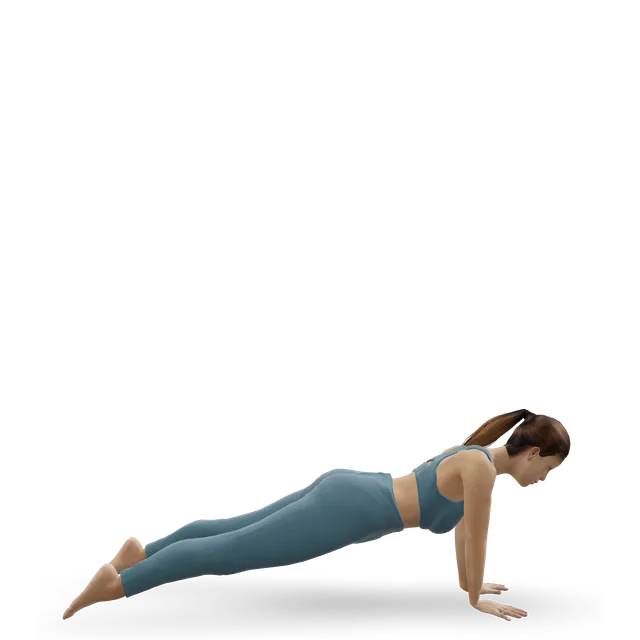
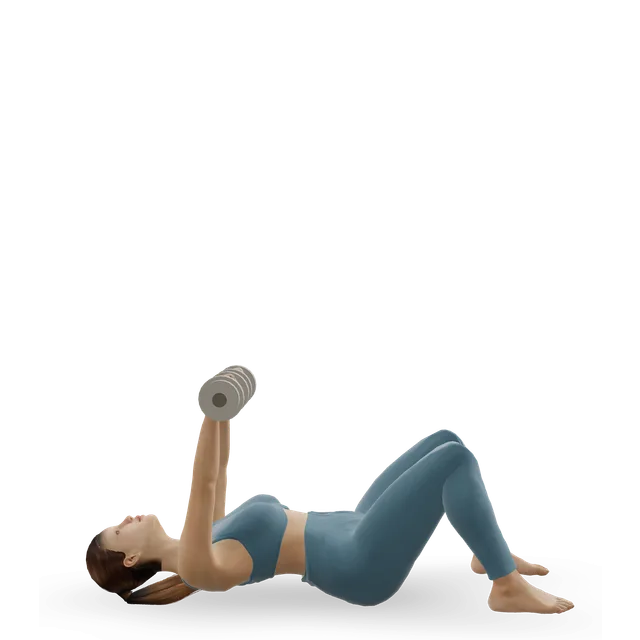
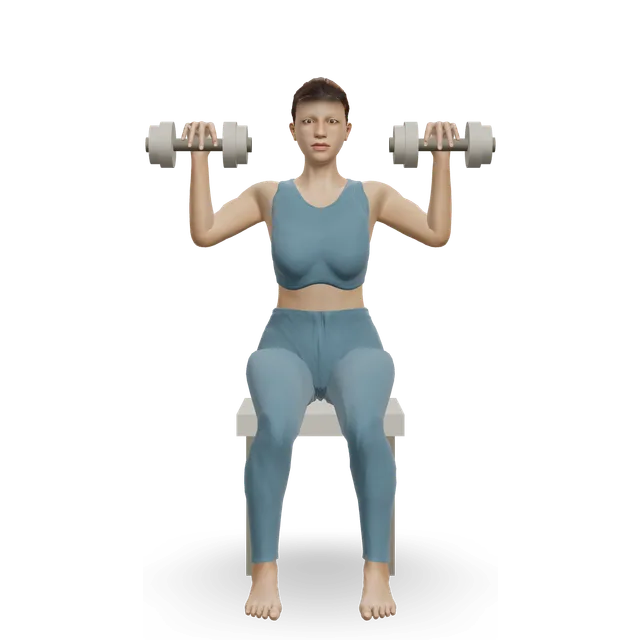
The palm press, 6 to 10 squeezes of 5 to 10 seconds (its move page's dose); close-grip push-ups, 2 or 3 sets of 6 to 12, 2 or 3 reps short (our suggestion); the dumbbell bench press, 3 or 4 sets of 6 to 12, about 2 short (our dumbbell bench press guide); the squeeze press, 2 or 3 sets of 8 to 12, 2 or 3 short (its move page's dose); the Svend press, 2 or 3 sets of 10 to 15 (its move page's dose); the neutral-grip dumbbell press, dumbbells apart with palms facing, 3 sets of 8 to 12 (our dumbbell bench press guide); and the close-grip barbell bench press, 3 sets of 6 to 8 (our tricep workout). There's no 3D demo of the incline squeeze press (the neutral-grip incline press is the closest: bring the dumbbells together) or the floor squeeze press (the dumbbell floor press shows the set-up; 2 or 3 sets of 8 to 12, 2 or 3 short, as its move page doses the floor press).

How heavy, and how many

Warm up

Band pull-aparts, 15 reps, and scapular push-ups, 10 reps, then a warm-up set at about half your working weight, as our dumbbell bench press guide says.

Your first weight

Lighter than your dumbbell bench press: a pair you could press 10 to 12 times (our suggestion). In your first two weeks, stop each set with 3 or 4 reps to spare, as our plans advise.

Sets, reps and rest

2 or 3 sets of 8 to 12, stopping 2 or 3 reps short (its move page's dose), with 60 to 90 seconds' rest after your main press, or 90 seconds to 2 minutes if it's your main press at home. Once or twice a week, counting towards about 10 hard chest sets a week. Our chest workout at home uses 2 sets of 8 to 12.

Sources 9, 36

Moving up

Reach the top of the range on every set before the next dumbbell, because each step is 1 to 2 kg a hand, as our dumbbell bench press guide says.

Never to failure on your own

Stop 2 or 3 reps short, so you never get stuck under the dumbbells. You don't need failure to grow: across 15 studies, training to failure added a trivial amount of growth at most.

Source 37

Breathing

Keep breathing through the squeeze: don't hold your breath while you press, as our palm press move page says.

With controlled high blood pressure, the American Heart Association considers low- to moderate-intensity strength training with proper breathing safe. Breathe out as you lift, as our breathing guide advises.

Source 38

Common mistakes and how to fix them

The dumbbells drifting apart

Squeeze harder or go lighter.

Elbows flared out wide

Keep them close to your sides, as our move page says.

Lowering past where your shoulders feel secure

Stop at the middle of your chest.

Bouncing off your chest

Lower under control and press without a bounce.

Using your usual dumbbell bench weight

Go lighter: close grips lift less.

Holding your breath through the squeeze

Breathe out as you press.

Leaning back or shrugging in the Svend press

Keep your ribs down and your shoulders away from your ears, as its move page says.

Your shoulders and chest

Close grips and the shoulder: a trade-offEmerging evidence

In a computer model of 10 strength athletes, grips under 1.5 times shoulder width lowered the load on the joint at the top of the shoulder (the AC joint), but the narrowest grip with the elbows tucked raised an upward force in the main shoulder joint. The authors also found a hard inward push inefficient. It's one model, so let comfort decide, and stop where your shoulders feel secure.

Keep shoulder pain to about 5 out of 10 or less during the exercise, back to its usual level by your next session, as our shoulder guides advise. A sharp pinch means lower, lighter or stop.

Source 13

If your shoulders complain

Try a shallower bottom position, the floor squeeze press, or dumbbells apart with palms facing, as our dumbbell bench press guide suggests. Our shoulder pain when bench pressing guide maps the causes and has a plan back.

Torn pec tendonsStrong evidence

48% of 365 published pec tendon tears happened in weight training, and the bench press or a similar lift caused about 54% of 110 surgical cases, all in men. The lowest chest fibres are stretched most at the bottom of a press, so lower under control. No study links grip width or dumbbells to tears.

Same day (NHS 111 or an urgent treatment centre): a pop or tearing at the front of the armpit or chest during a lift, a dip or a tackle, followed by bruising into the chest or upper arm, a change in the shape of the chest or armpit (a thinner or lost armpit fold, or a chest or nipple that looks uneven), or weakness pushing. Don't wait for it to settle: it can be a torn pec tendon. In the US, go to urgent care.

Sources 39, 40, 41

Moves that go with it

Band pull-aparts, 15 reps, and scapular push-ups, 10 reps, as a warm-up (our dumbbell bench press guide); a supported single-arm dumbbell row, 3 sets of 8 to 12 each side, to balance the pressing (our dumbbell upper body workout); face pulls, 2 sets of 15 (our bench press technique workout); dumbbell flys, 3 sets of 10 to 15 (our chest workout at home), for the chest with your elbows still; and the doorway chest opener, 30 seconds, optional afterwards.

Workouts to follow

The chest workout at home uses the squeeze press, 2 sets of 8 to 12, after push-ups, floor presses and flys. In the dumbbell chest workout it can replace the neutral-grip press at 3 sets of 8 to 12 (our suggestion), and in the tricep and chest and triceps workouts it's the dumbbell swap for the close-grip bench press.

Plans

Who should change it, and warning signs

Stop and get medical help

If you get chest pain or pressure, feel faint or dizzy, are unusually breathless, or your heart races or beats irregularly during exercise, as our plans advise. The American Heart Association says these need immediate medical evaluation.

Source 38

Call 999 (911 in the US)

For chest pain that comes on suddenly and doesn't go away, feels tight or like squeezing, spreads to your arms, neck, jaw, stomach or back, or comes with sweating, feeling sick, light-headedness or breathlessness; arm pain that comes on suddenly with pressure, heaviness or squeezing across your chest; severe difficulty breathing, or a chest that feels tight or heavy; someone who faints while exercising; palpitations that don't go away, or come with chest pain, shortness of breath or feeling faint; or a headache that starts suddenly and is extremely painful, especially while lifting or straining. The NHS says a bleed on the brain may be more likely when lifting something heavy. Don't drive yourself to A&E.

Sources 42, 43, 44, 45, 46, 47, 48, 49

A headache with effort

Ask for an urgent GP appointment or get help from NHS 111 for a headache that's triggered or made worse by coughing, sneezing, bending down or exercising.

Source 48

A pop in the chest or armpit

Same day (NHS 111 or an urgent treatment centre): a pop or tearing at the front of the armpit or chest during a lift, a dip or a tackle, followed by bruising into the chest or upper arm, a change in the shape of the chest or armpit (a thinner or lost armpit fold, or a chest or nipple that looks uneven), or weakness pushing. Don't wait for it to settle: it can be a torn pec tendon. In the US, go to urgent care.

Source 39

Your shoulder

Ask for an urgent GP appointment or get help from NHS 111 for sudden or very bad shoulder pain, an arm you can't move, a shoulder that has changed shape or is badly swollen, pins and needles that don't go away, no feeling in your arm or shoulder, an arm or shoulder that's hot or cold to touch, pain after an injury or a fall, severe pain in both shoulders, or feeling feverish or unwell. Go to A&E if, after an injury, you can't move your arm or your shoulder looks out of place or has changed shape. See a GP if shoulder pain is getting worse or hasn't improved after 2 weeks.

Source 50

A dumbbell or plate dropped on you

Call 999 or go to A&E if you heard a crack, the injured foot or hand has changed shape or points at an odd angle, it's numb, tingling or has pins and needles, or the skin has changed colour or is cold to touch, as the NHS sprains and strains page lists. A headache after a blow to the head in the last 3 months is also a 999 or A&E matter, as the NHS headaches page lists. Don't drive yourself. In the Svend press, use light plates and keep your feet clear.

Sources 51, 48

Contact NHS 111 for a wrist injury

For severe wrist pain; feeling faint, dizzy or sick from the pain; a snap, grinding or popping noise at the time of the injury; being unable to move your wrist or hold things; a wrist that has changed shape or colour; a very painful, hot or red lump; or lost feeling in your hand. In the US, use urgent care.

Source 52

See a GP for wrist pain

If wrist pain is no better after 2 weeks of home treatment, or comes with tingling, diabetes, or a hot, swollen, stiff wrist.

Source 52

A hernia

See a GP if you think you have a hernia, a bulge or lump that may get bigger when you strain and smaller when you lie down. Get help from NHS 111 if you have a hernia and pain in or around it, a bloated tummy, you feel or are sick, you're vomiting blood or your vomit looks like coffee grounds, you're constipated, you have a high temperature or feel hot, cold or shivery, or you've suddenly become confused. Call 999 or go to A&E for a femoral hernia (a small lump at the top of your thigh, in your groin) with very bad tummy pain, sickness, being unable to fart or poo, a high temperature or sudden confusion.

Sources 53, 54

Your back

Call 999 or go to A&E: loss of feeling or numbness around the genitals or bottom, new trouble peeing or controlling your bladder or bowels, changes in genital sensation during sex or problems with erections or orgasm, or pain, tingling, weakness or numbness in both legs. These are signs of cauda equina syndrome, which needs treating in hospital urgently. Don't drive yourself.

See a GP if pain spreading down a leg hasn't improved after a few weeks of home treatment, is getting worse or stops your normal activities. Sciatica on both sides, or weakness or numbness in both legs that's severe or getting worse, is a 999 call or a trip to A&E.

Sources 55, 56

Pregnancy

The NHS says to avoid lying flat on your back for more than a few minutes in later pregnancy, and not to start new vigorous activity. After the first trimester, swap the flat squeeze press for an incline squeeze press, or the standing Svend press or palm press, at moderate weights (our suggestion, following our dumbbell bench press guide).

Source 57

After heart, lung or breast surgery

After heart surgery through the breastbone, or a heart or lung transplant, follow your surgeon's advice before pushing, pulling or lifting with your arms.

After breast cancer surgery or reconstruction, follow your surgical team's advice on when you can lift your arm above shoulder height, or push, pull or lift with it.

After a recent shoulder dislocation, or shoulder or elbow surgery, follow your surgical team's limits first.

Before you start

Speak to your GP first if you haven't exercised for some time or have medical conditions or concerns, as the NHS advises. Get advice before hard or straining work if your blood pressure is uncontrolled (140/90 or higher at a clinic, or 135/85 at home), or you have heart disease or chest pain when you're active, a pacemaker or defibrillator, diabetic eye disease, glaucoma, a hernia, recent eye or tummy surgery, or you're pregnant, as our breathing guide lists.

With a pacemaker or defibrillator, the American Heart Association asks you to check with your doctor before upper-body strength training, because repeated arm movements can damage or dislodge the leads.

Sources 58, 38

Sore, or hurt?

Muscle soreness for a day or two after a new or harder session is common and fades. Sharp pain, or pain that builds during a set or lingers into the next day, isn't: swap to an easier version, and see a clinician if it persists, as our plans advise. The NHS says to stop exercising straight away if you feel any pain or become unwell, and to get help from 111 if symptoms worry you or don't go away.

Source 59
Myths

"The squeeze press works the inner chest"Strong evidence

The chest has no inner part: its fibres and nerves run from top to bottom, close-grip presses kept the middle and lower chest the same or lower, and the chest grew evenly in a fly trial. The anatomy is clear; the training data are thinner.

Sources 7, 12, 4, 8

"Squeezing the dumbbells builds more chest"Mixed evidence

No study has tested it. Focusing on the chest raised its activity at light loads in some studies and not in others.

Sources 25, 26, 27

"The squeeze press is a fly and a press in one"

The squeeze is a held inward push, not a fly's sweeping arc, and lifters with a close grip already push inwards a little. Nobody has tested the claim.

Source 1

"The Svend press builds your chest"Emerging evidence

It's a light front-raise position with a squeeze, which loads the front shoulder and upper chest, and still holds build strength mostly where you hold. Useful for warm-ups or at home, but not shown to build the chest.

Sources 10, 32

"Close grips are always easier on the shoulders"Mixed evidence

One model found less load on the top of the shoulder with closer grips, but more of another shoulder force at the narrowest grip with tucked elbows, as our close-grip bench press guide says.

Source 13

Questions people ask

How do you do a dumbbell squeeze press?

Lie on a flat bench, press two dumbbells up over your chest and bring them together, palms facing. Squeeze them together hard and keep them touching as you lower them to the middle of your chest with your elbows tucked, then press back up. Use the same thighs-to-chest set-up as a dumbbell bench press.

What muscles does the squeeze press work?

Your chest, the front of your shoulders and your triceps. Nobody has measured it, but close-grip presses raised triceps activity a little in most barbell studies, so it probably works the triceps a little more, while the middle and lower chest worked the same or slightly less.

Does the squeeze press work the inner chest?

No exercise can: the chest has no separate inner part. Its fibres and nerves run from the collarbone down to the lower ribs, and in a fly trial the upper and lower chest grew alike.

Squeeze press or bench press: which is better?

For most people, the bench press or dumbbell bench press as your main press: you can lift more with your hands wider apart, which matters for strength. Use the squeeze press after it, or at home with light dumbbells, for variety and probably a little more triceps work.

How heavy should my squeeze press be?

Lighter than your usual dumbbell press: close-grip presses lifted about 5 to 19% less in studies, depending on how close the hands were. Pick a pair you could press 10 to 12 times and stop 2 or 3 reps short.

How many sets and reps of the squeeze press?

2 or 3 sets of 8 to 12, stopping 2 or 3 reps short of failure, with 60 to 90 seconds' rest. Once or twice a week, as part of about 10 hard chest sets a week.

What is the Svend press?

A standing exercise: squeeze two light plates between flat palms at chest height and press them straight out in front, then draw them back, squeezing throughout. It works the front of your shoulders and upper chest lightly, and suits warm-ups and home workouts.

Squeeze press or Svend press?

The squeeze press is a real press you can load and build up; the Svend press uses light plates and is mostly a held squeeze with your arms out in front. Neither has been studied directly.

Can I do a squeeze press without a bench?

Yes: lie on the floor, which stops your upper arms at the floor, as in our floor press guide. We don't have a 3D demo of the floor squeeze press: the dumbbell floor press shows the set-up.

Is the squeeze press good for sore shoulders?

It can be: a closer grip lowered the load on the top of the shoulder in one model, but very narrow grips with tucked elbows raised another shoulder force. Keep shoulder pain to about 5 out of 10, settled by your next session, and stop where your shoulders feel secure.

Can I do an incline squeeze press?

Yes, on a bench set at about 30 to 45 degrees, as in our incline bench press guide, which shifts work towards the upper chest. We don't have a 3D demo of it: the neutral-grip incline dumbbell press is the closest.

Do I need to squeeze hard?

Hard enough that the dumbbells can't slip apart, while you keep breathing. Focusing on your chest may raise its activity at light weights, but whether squeezing harder builds more muscle hasn't been tested.

Sources

  1. Tanimoto 2023 · Sideways forces and muscle activity in wide- and narrow-grip bench presses in 14 men (lab study, Sports)
  2. Barros 2026 · A year of concurrent training, including the Svend press, in 95 nursing home residents (controlled trial, GeroScience)
  3. Lockie 2017 · The close-grip against the traditional bench press: 1RM and the sticking region in 27 trained adults (lab study, Sports)
  4. Muyor 2023 · The bench press and the seated chest press machine with several grips: 20 trained adults (muscle activity study, J Hum Kinet)
  5. Saeterbakken 2011 · Smith machine, barbell and dumbbell chest presses compared in 12 trained men (EMG and strength study, J Sports Sci)
  6. Lehman 2005 · Grip width and forearm rotation in the flat bench press, in 12 men (EMG study, J Strength Cond Res)
  7. Fung 2009 · The three-dimensional architecture of the pectoralis major in 11 cadavers (anatomy study, Clin Anat)
  8. Pinto 2025 · Upper and lower chest growth after one or three sets of pec deck flys in 15 untrained men (within-person trial, J Strength Cond Res)
  9. Currier 2026 · Resistance training prescription for muscle function, size and performance in healthy adults: an overview of 137 reviews (ACSM position stand, Med Sci Sports Exerc)
  10. Ackland 2008 · Moment arms (leverage) of the muscles crossing the shoulder in 8 cadaver specimens (anatomy study, J Anat)
  11. Mausehund 2022 · Grip width, joint loads and muscle activity in the bench press in 35 trained adults (lab study, J Strength Cond Res)
  12. Haładaj 2019 · Variations of the pectoralis major and its nerve supply in 80 cadaver sides (anatomy study, Biomed Res Int)
  13. Noteboom 2024 · Bench press technique and modelled shoulder joint loads in 10 strength athletes (computer modelling study, Front Physiol)
  14. Larsen 2020 · Wide, medium and narrow grips in the one-rep-max bench press in 14 trained men (lab study, Front Sports Act Living)
  15. Duffey 2011 · Vertical and sideways forces on the bar in the bench press in 18 novices (lab study, J Strength Cond Res)
  16. Saeterbakken 2021 · Grip width, strength and muscle activity in the bench press in 28 men (lab study, Int J Environ Res Public Health)
  17. Saeterbakken 2017 · Bench press variations in 12 competitive bench pressers (lab study, J Hum Kinet)
  18. Herrera-Bermudo 2024 · Grip width and the one-rep max on a Smith machine bench press in 54 men (lab study, J Strength Cond Res)
  19. Barnett 1995 · Bench press variations and five shoulder muscles in 6 men (EMG study, J Strength Cond Res)
  20. Roy 2021 · Twelve bench press variations and the three parts of the chest in 13 men (EMG study, Int J Strength Cond)
  21. Vigotsky 2022 · Muscle activity measured in one session is not a validated predictor of muscle growth (review, Sports Med)
  22. Rodríguez-Ridao 2020 · Chest, shoulder and triceps activity at five bench angles in 30 trained adults (muscle activity study, Int J Environ Res Public Health)
  23. Chaves 2020 · Flat against incline bench press for 8 weeks in 47 untrained young men (randomised trial, Int J Exerc Sci)
  24. Mancebo 2019 · Where the pectoralis major's nerve entry zones sit during the bench press, in 11 people (EMG study, J Electromyogr Kinesiol)
  25. Snyder 2012 · Verbal instruction and chest activity in the bench press in 11 football players (EMG study, J Strength Cond Res)
  26. Calatayud 2016 · The mind-muscle connection in the bench press, in 18 trained men (EMG study, Eur J Appl Physiol)
  27. Paoli 2019 · Verbal instructions and chest and triceps activity in the bench press, in 13 trained men (EMG study, Eur J Transl Myol)
  28. Daniels 2017 · Instructions and muscle activity in the bench press in trained and untrained men (EMG study, Hum Mov Sci)
  29. Nascimento 2025 · Internal focus of attention over successive bench press sessions in 13 people (EMG study, Percept Mot Skills)
  30. Schoenfeld 2018 · Internal against external focus over 8 weeks of training in 30 untrained men (randomised trial, Eur J Sport Sci)
  31. Lee 2019 · Upper and lower chest activity in maximal isometric pushes in 26 men (EMG study, J Hand Ther)
  32. Lum 2019 · Isometric strength training, strength and dynamic performance (narrative review, Int J Sports Med)
  33. Welsch 2005 · Chest and front shoulder activity in the barbell press, dumbbell press and dumbbell fly in 12 adults (EMG study, J Strength Cond Res)
  34. Solstad 2020 · Barbell bench press against dumbbell flys in 17 trained men (EMG study, J Sports Sci Med)
  35. Wohlann 2024 · Eight weeks of machine flys or stretching and chest thickness in active adults (randomised trial, Eur J Appl Physiol)
  36. Pelland 2026 · Weekly sets, training frequency, muscle growth and strength: 67 studies (meta-regressions, Sports Med)
  37. Refalo 2023 · Training close to failure and muscle growth: 15 studies (systematic review and meta-analysis, Sports Med)
  38. Paluch 2024 · Resistance training with and without heart disease: 2023 update (American Heart Association scientific statement, Circulation)
  39. ElMaraghy 2012 · Pectoralis major tears: 365 cases (systematic review, J Shoulder Elbow Surg)
  40. Kowalczuk 2020 · Pectoralis major ruptures: tear patterns in 110 surgical cases (case series, Orthop J Sports Med)
  41. Wolfe 1992 · Ruptures of the pectoralis major: anatomy and clinical cases (case series with cadaver study, Am J Sports Med)
  42. NHS · Chest pain (past its review date: reviewed August 2023, review due August 2026)
  43. NHS · Heart attack
  44. NHS · Elbow and arm pain
  45. NHS · Shortness of breath
  46. NHS · Fainting
  47. NHS · Heart palpitations
  48. NHS · Headaches
  49. NHS · Subarachnoid haemorrhage
  50. NHS · Shoulder pain (past its review date: reviewed May 2023, review due May 2026)
  51. NHS · Sprains and strains
  52. NHS · Wrist pain
  53. NHS · Hernia
  54. NHS · Femoral hernia
  55. NHS · Back pain
  56. NHS · Sciatica
  57. NHS · Exercise in pregnancy
  58. NHS · Physical activity guidelines for adults aged 19 to 64
  59. NHS · How to warm up before exercising

Exercise education, not a personal prescription, and clinical review of these guides is pending. Check with a GP before starting hard training if you have a heart condition, chest pain, dizziness or breathlessness when active, and stop for sharp or increasing pain. Health disclaimer.