Split squat jump
From a lunge the body jumps straight up, the legs switch in the air and the landing is caught in a lunge on the other side: the split squat made a jump.
Split squat and lunge family
Split squat jump
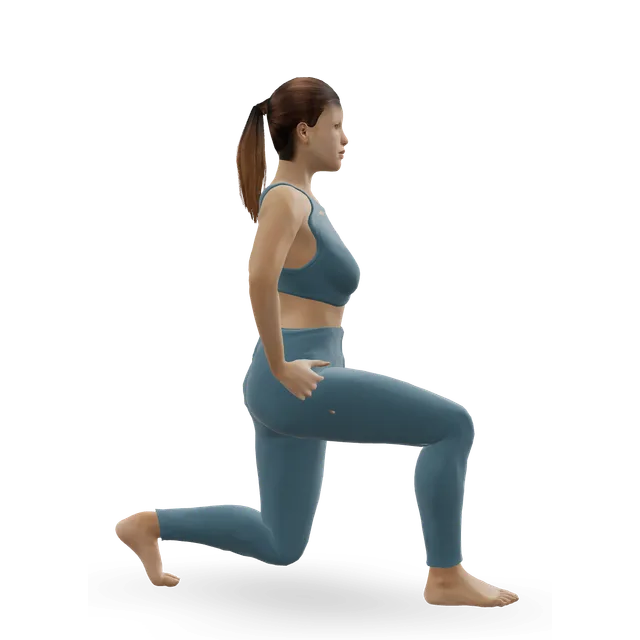
Loading the 3D figure…
Source-researched guide. Clinical review is pending.
How to move
- Start in a lunge with the right foot forward and the trunk upright.
- Drive up through both feet into a jump, switching the legs in the air.
- Land softly in a lunge with the left foot forward, letting the knees bend to absorb it, then jump and switch back.
Form cues
- Land quietly with the front knee over the foot.
- End the set when the landings get loud or the jump shrinks.
Practice and cautions
No universal dose is assigned. Choose a manageable amount for your current capacity, leave room for controlled repetitions, and allow recovery. A clinician’s individual plan takes priority.
The single leg landing is high impact, and a caving front knee or a tired, incomplete leg switch is a real route to knee and ankle injury. End the set the moment landings get loud or jump height drops. In pregnancy, don't start new jumping or impact work; if you already do it, drop it when it causes leaking, heaviness or pelvic pain. After giving birth, UK guidance suggests waiting until at least 3 months before running and jumping, and only when walking, hopping and jogging on the spot cause no leaking, heaviness or pain. This timing is expert advice. With proliferative or severe non-proliferative diabetic retinopathy, avoid jumping and jarring. With numb feet from diabetes or another cause, choose low-impact options, wear well-fitting shoes, and check your feet for redness or blisters afterwards; with an open sore or ulcer, do no weight-bearing exercise until your foot team says so. This is movement education, not an assessment or treatment prescription. Stop for sharp or increasing pain, dizziness, numbness or tingling; seek individual guidance for symptoms, injury or restrictions.
Sources and review status
Sources support the educational description; they do not establish that this exercise is suitable for you.
No variation is labeled clinically validated.
What it works
Muscles
Main: Quads, Glutes. Also: Hamstrings, Calves.
Anatomy: Sartorius, Quadriceps, Rectus femoris, Vastus medialis, Vastus lateralis, Gluteus maximus.
Equipment
None: body weight and floor space.
Level
Advanced. See the easier and harder options above.
Workouts that use it
Pain guides that use it
Part of a staged plan, with when to get help first.
Guides that use it
Similar moves
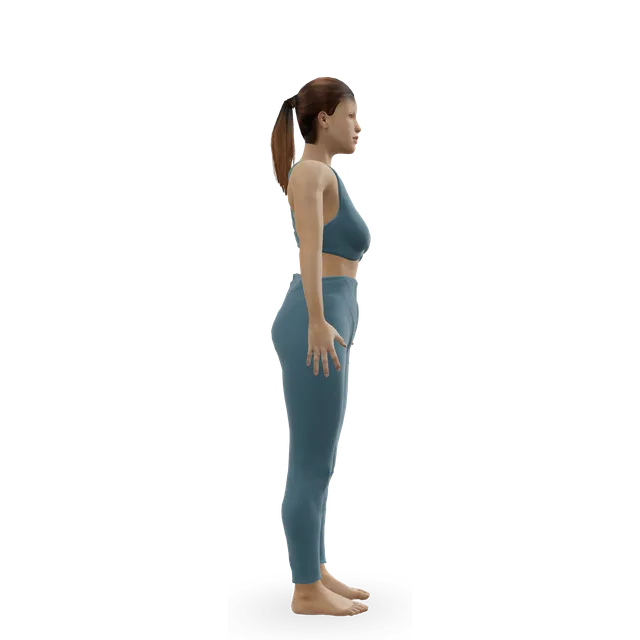 3D demoJump squatIntermediate · No equipment
 3D demoRear-foot-elevated split squat (Bulgarian split squat)Intermediate · A bench or box
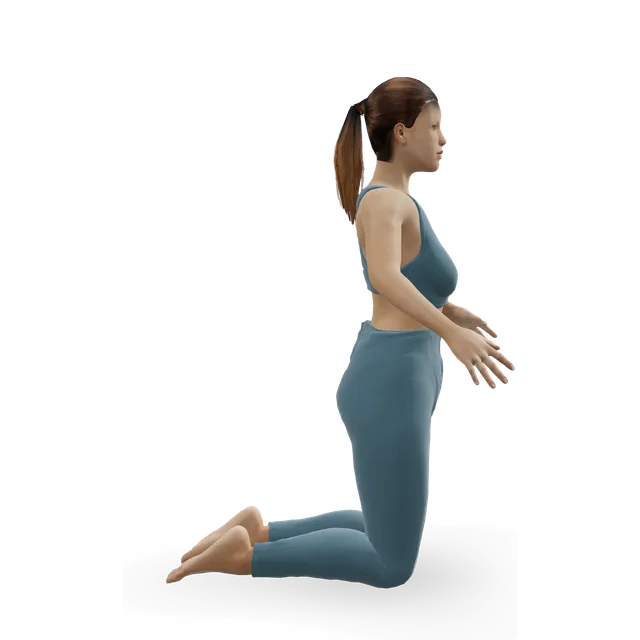 3D demoKneeling jump squatAdvanced · No equipment
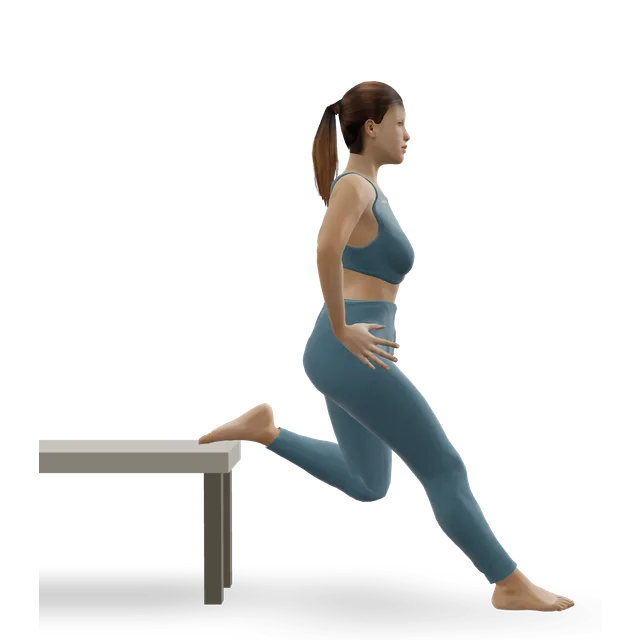 3D demoSuspended split squatAdvanced · Other / check instructions
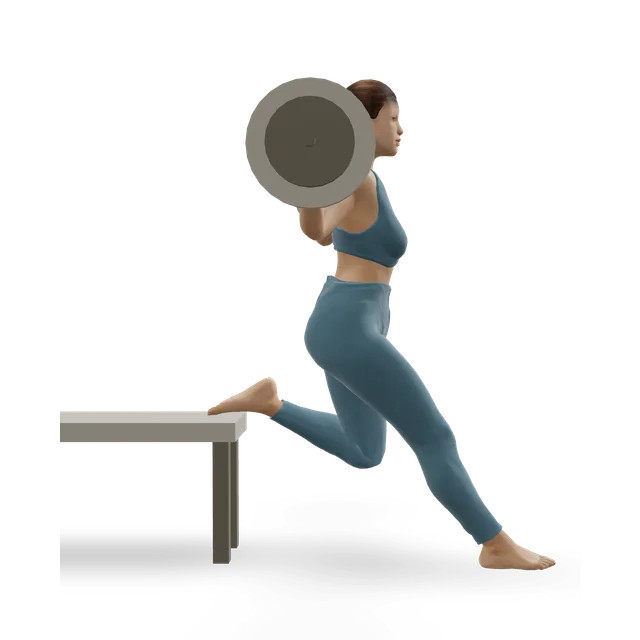 3D demoBarbell Bulgarian split squatAdvanced · A barbell + A bench or box
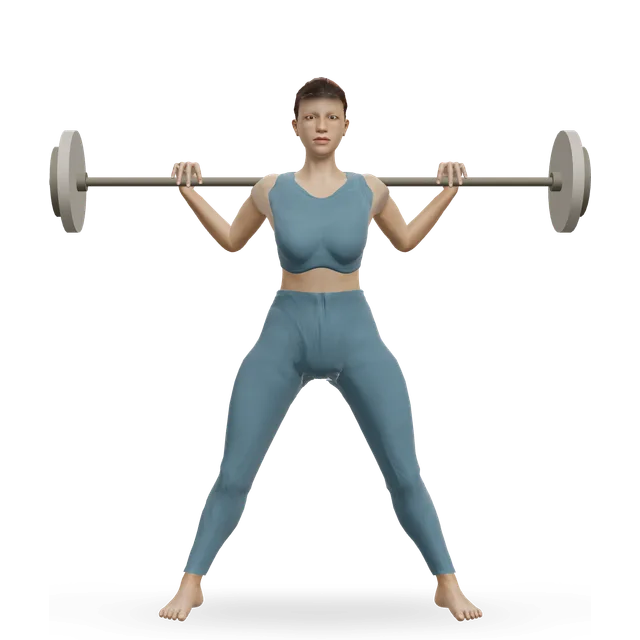 3D demoBarbell side split squatIntermediate · A barbell
Browse more
Questions people ask
What muscles does the Split squat jump work?
Mainly the quads and glutes, with help from the hamstrings and calves.
What equipment do I need for the Split squat jump?
No equipment: your body weight and a little floor space.
Is the Split squat jump good for beginners?
It is an advanced move. Build up to it with the Reverse lunge first.
What is an easier alternative to the Split squat jump?
Try the Reverse lunge or the Walking lunge. Both are written steps in the same progression.
How do I make the Split squat jump harder?
Progress to the Shrimp squat. Follow that guide’s technique and any stated timing.