Reverse lunge
Stepping back into the lunge and returning; the step adds balance and control to the split squat.
Split squat and lunge family
Reverse lunge

Loading the 3D figure…
Source-researched guide. Clinical review is pending.
How to move
- Stand tall with the feet hip-width apart.
- Step one foot back, keeping the weight in the front leg, and lower until the back knee nearly reaches the floor.
- Push through the front foot to step back up to standing, then change legs or finish one side first.
Form cues
- Keep most of the weight over the front foot.
- Step far enough back that the front knee stays over the foot.
Practice and cautions
No universal dose is assigned. Choose a manageable amount for your current capacity, leave room for controlled repetitions, and allow recovery. A clinician’s individual plan takes priority.
Step back onto clear, non slip floor and hold a support while you learn it. Lower the back knee under control rather than dropping onto it. This is movement education, not an assessment or treatment prescription. Stop for sharp or increasing pain, dizziness, numbness or tingling; seek individual guidance for symptoms, injury or restrictions.
Sources and review status
Sources support the educational description; they do not establish that this exercise is suitable for you.
- NASM · Squat alternatives (split squat and reverse lunge) ↗
- NASM · Functional strength training (from split squats to walking lunges) ↗
No variation is labeled clinically validated.
What it works
Muscles
Main: Quads, Glutes. Also: Hamstrings, Adductors.
Anatomy: Sartorius, Quadriceps, Rectus femoris, Vastus medialis, Vastus lateralis, Gluteus maximus.
Equipment
None: body weight and floor space.
Level
Intermediate. See the easier and harder options above.
Workouts that use it
- Beginner bodyweight workout · 20 min
- Glute workout at home · 25 min
- Anterior pelvic tilt routine: hips and core · 20 min
- Knee control warm-up · 20 min
- Hiking training workout · 35 min
- Learn to lunge: split squat to walking lunge · 25 min
- Squat challenge workout · 15 min
- 7-minute workout: follow-along timer, 12 moves · 12 min
Show all 30 workoutsShow fewer workouts
- Circuit training workout: 8 stations, dumbbells or bodyweight · 35 min
- Tabata-style workout: 20 seconds on, 10 off · 22 min
- EMOM workout: every minute on the minute · 22 min
- Basketball injury prevention warm-up · 10 min
- Volleyball warm-up · 15 min
- Pickleball warm-up · 10 min
- Pickleball strength and balance workout · 30 min
- Postnatal strength workout (from about 6 weeks) · 25 min
- Netball warm-up: the KNEE programme · 20 min
- Gaelic games warm-up (built on the GAA 15) · 15 min
- Strength and hamstring workout for sprinters and hurdlers: the athletics prevention programme, Nordic curls and heavy legs · 50 min
- Barre strength workout: heavier lifts, pliés, pulses and holds, seat, arms and core · 45 min
- Beginner barre workout at home: pliés, rises, leg lifts and holds at a chair, then mat work · 25 min
- Dance fitness strength and landing workout: calves, ankles, hips, knees, trunk and quiet landings · 40 min
- Tight hip flexors routine: stretch, then strengthen · 15 min
- Pilates glute workout: a 25-minute mat class (with a band if you have one) · 25 min
- Pilates leg workout: a 25-minute mat and standing class for your thighs · 25 min
- Pilates strength workout: a 30-minute class with weights or a band · 30 min
- Glute session A: bridges to hip thrusts, split squats and side-hip work · 20 min
- Knees-over-toes Pilates: a 25-minute class for the side hips, the feet and knee tracking · 25 min
- Pilates with weights and impact for women over 40: a 40-minute class for strength, bone and the pelvic floor · 40 min
- Hips-to-calves Pilates: a 30-minute lower body class with a harder option for every move · 30 min
Pain guides that use it
Part of a staged plan, with when to get help first.
- Hip flexor pain: strengthen first, and the truth about tight hip flexors
- High hamstring tendinopathy (pain at the sitting bone): a staged loading plan
- Snapping hip: why your hip clicks or pops, and exercises that help
- PCL injury (posterior cruciate ligament): recovery, bracing and exercises
- Sever's disease: heel pain in active children, and how to keep them playing
- Exercises after hip arthroscopy: recovery after impingement or labral surgery
- Knee bursitis (housemaid's knee): what helps, and when it's infected
- Posterior ankle impingement: pain at the back of the ankle when you point your foot, from rehab to surgery
Show all 39 pain guidesShow fewer pain guides
- Slipped upper femoral epiphysis (SUFE or SCFE): an urgent teenage hip problem, surgery and sport
- Knee pain when kneeling: the kneecap, bursitis, knee replacements, knee pads and how to build back
- Knee pain when bending or straightening: the kneecap, the meniscus, behind the knee and what helps
- Back of thigh pain: a hamstring strain or tendon, sciatica, cramp or a clot, and how to build back
- Knee pain after a workout or leg day: soreness or an injury, the moves behind it, and training again
- Hip pain after a workout: soreness or a strain, the groin, squats and running, and training again
- Hip pain when lifting your leg: the hip flexors, the joint, the groin, socks, the car and what helps
- Hamstring pain when sitting: the sit-bone tendon, a strain, the sciatic nerve and what helps
- Knee pain when lunging: the kneecap, the tendon, the back knee, stride and depth, and what helps
- Hip pain when doing lunges: the front of the hip, the joint, the outer hip, the groin and stride
- Knee pain in Bulgarian split squats: the front knee, the back knee, stance, depth and what helps
- Lower back pain when doing lunges: the arch, the trunk lean, the back hip, stance and balance
- Groin pain when doing lunges: the inner thigh, side and long lunges, the back hip and a hernia
- Hip pain when doing step-ups: the front of the hip, a pinch in the joint, the outer hip, box height
- Ankle pain when doing lunges: a pinch at the front, the back leg, the outer ankle and your stride
- Hip pain when doing Bulgarian split squats: the back hip, a front-hip pinch, the outer hip and groin
- Lower back pain when doing Bulgarian split squats: the arch, the lean, the load, balance and swaps
- Hip pain on the elliptical: the hip flexors, the outer hip, the groin, foot position and what helps
- Hip pain on the treadmill: incline, stride, the hip flexors, the outer hip and what helps
- Hip pain when hiking: uphill and downhill, the outer hip, the groin, the pack, poles and what helps
- Knee pain from pickleball: the meniscus, arthritis, kneecap pain, courts and shoes, and what helps
- Shoulder pain from pickleball: overheads, the rotator cuff, a stiff shoulder, falls and what helps
- Knee pain after Pilates: kneeling, reformer footwork, the kneecap, locked knees and what to change
- Back pain after gardening: digging, weeding, lifting and mowing, the first big day, and what helps
- Back pain when vacuuming: bending and twisting, the handle and the machine, stairs, and what helps
- Hip pain after dancing: the front of the hip, the groin, snapping, turnout and kicks, and what helps
- Knee pain from bowling: the fast bowler's front knee, the ten-pin slide, lawn bowls and what helps
- Back pain from pickleball: bending for low balls, twisting, lunges, stenosis and what helps
- Hip pain from pickleball: the outer hip, the groin, arthritis, lunges, falls and what helps
- Knee pain from tennis: the kneecap, the meniscus, arthritis, courts and shoes, and what helps
- Knee pain from netball: landings, the ACL, kneecap and tendon pain, growing knees and what helps
Guides that use it
- Pilates for glutes guide
- Pilates for legs and thighs guide
- Pilates for strength guide
- Pilates for PCOS guide
- Pilates for knock knees guide
- Pilates for toning guide
- Pilates for cellulite guide
- Pilates for women over 40 guide
Show all 55 guidesShow fewer guides
- Pilates for hip dips guide
- Pilates for the lower body guide
- Pilates for the thighs guide
- Pilates for the quads guide
- Pilates for men over 40 guide
- Yoga for toning guide
- Psoas release guide
- Cellulite guide
- Exercise after giving birth
- Strength training for women
- Exercise for children and teenagers
- Anterior pelvic tilt guide
- Knock knees guide
- Zone 2 cardio guide
- Lunges guide
- Bulgarian split squats guide
- 7-minute workout guide
- Circuit training guide
- Tabata guide
- EMOM and AMRAP guide
- Compound vs isolation guide
- How to grow your glutes guide
- How to get bigger legs guide
- How to lose thigh fat guide
- How to tone up guide
- Walking lunges guide
- Split squats guide
- Reverse lunges guide
- Jumping lunges guide
- Hip dips guide
- Calf fat guide
- Muscle imbalances guide
- Hip fat guide
- Strengthen your knees guide
- Muscular endurance guide
- Strengthen your legs guide
- Strengthen your quads guide
- Build muscle as a woman guide
- Toned legs guide
- Training for a hike guide
- Sitting-rising test guide
- Wall sit test guide
- Hiking and hillwalking guide
- Pickleball guide
- Netball guide
- Barre guide
- Zumba and dance fitness guide
Similar moves
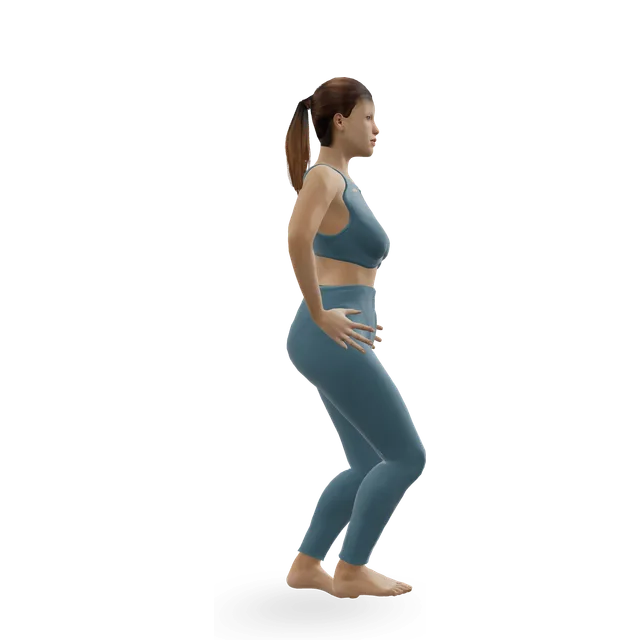 3D demoBodyweight walking lungeIntermediate · No equipment
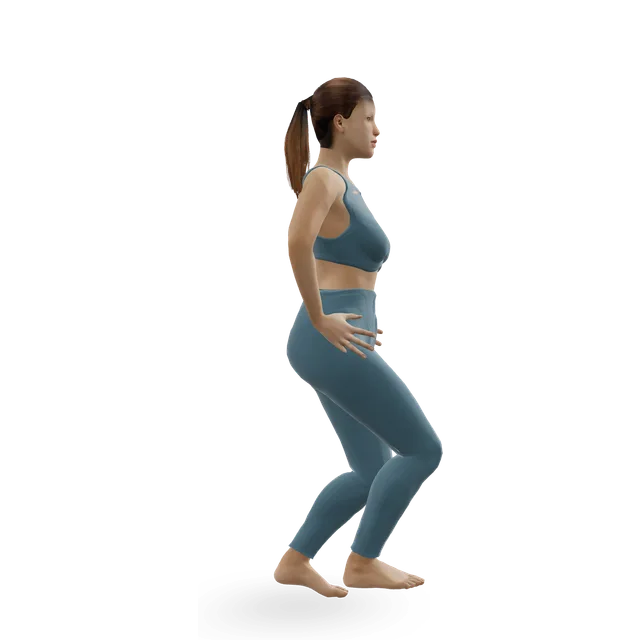 3D demoWalking lungeIntermediate · No equipment
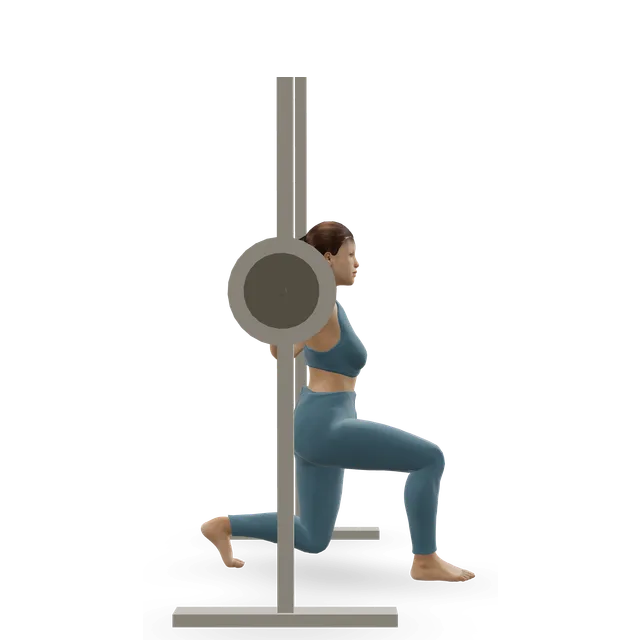 3D demoSmith machine lunge jumpAdvanced · Strength machine
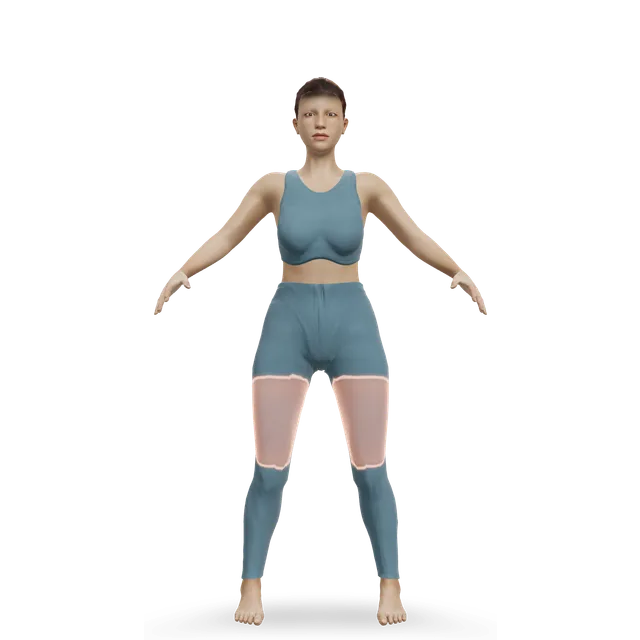 Kettlebell lunge pass-throughIntermediate · A kettlebell
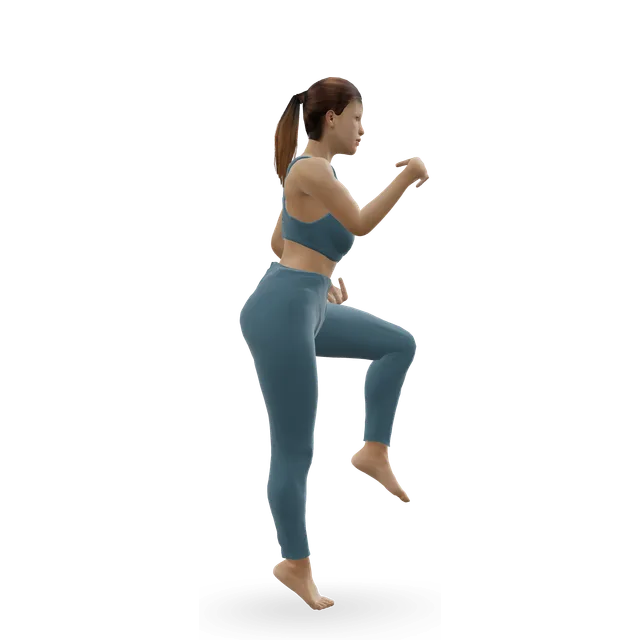 3D demoAlternate-leg boundingAdvanced · No equipment
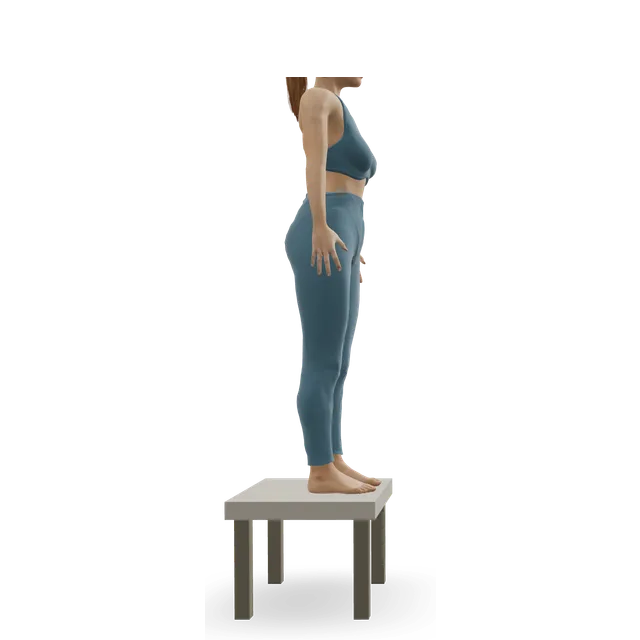 3D demoBox drop landingIntermediate · A step
Browse more
Questions people ask
What muscles does the Reverse lunge work?
Mainly the quads and glutes, with help from the hamstrings and adductors.
What equipment do I need for the Reverse lunge?
No equipment: your body weight and a little floor space.
Is the Reverse lunge good for beginners?
It is graded intermediate. If it is too hard right now, start with the Split squat.
What is an easier alternative to the Reverse lunge?
Try the Split squat or the Bodyweight squat. Both are written steps in the same progression.
How do I make the Reverse lunge harder?
Progress to the Split squat with dumbbells or the Smith machine split squat. Follow that guide’s technique and any stated timing.