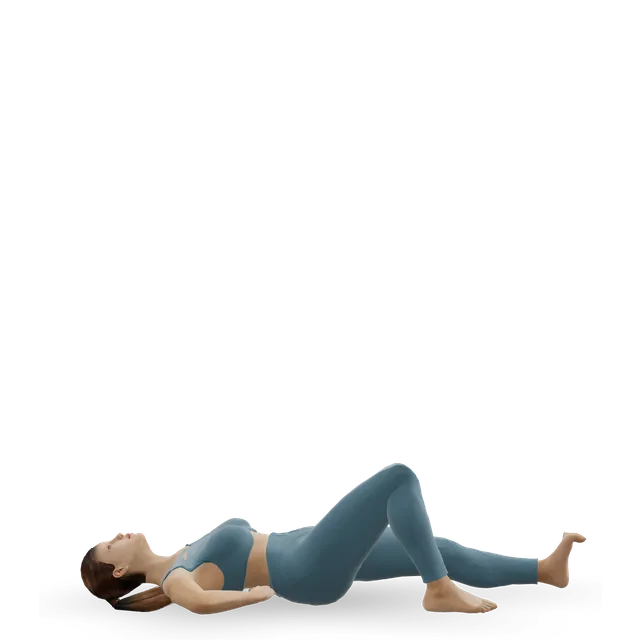
Pain guide · Back pain

Lower back pain when doing Bulgarian split squats: the arch, the lean, the load, balance and swaps

Lower back pain when you do Bulgarian split squats usually comes from how the lift is set up and loaded rather than from the exercise itself. In our reading, the back leg's hip only has so much room to straighten, so a long stance, a high bench or a bolt-upright trunk can make the lower back arch at the bottom; a big forward lean with a heavy weight, one weight held on one side, or wobbling for balance can make the back muscles work harder. Where it hurts is the best clue: an ache across the lower back that builds through loaded sets is usually the back muscles or ordinary back pain, one side below the belt by the dimple at the back of the pelvis points to the sacroiliac (SI) joint, and pain or tingling down one leg to a nerve. No study has measured the lower back in this exercise or counted back pain from it, but a lab study found single-leg squats drew less lower back muscle work than back squats for the same work per leg, so Bulgarian split squats aren't bad for your back.

This guide starts with the signs that need help, from a 999 call for numbness around the genitals or bottom, new bladder or bowel trouble or weakness in both legs, to a same-day check through the National Health Service's 111 line (NHS 111) or a general practitioner (GP) for back pain with a fever or leg weakness that's getting worse. It then maps the causes by where it hurts, explains what the lab studies show about the back hip, the lean, where you hold the weight and balance, and what the evidence says about tight hip flexors and scans, shows how to set up your Bulgarian split squat today, and gives a three-stage plan with a 3D demo of every move, from floor split squats back to loaded Bulgarians.

When to get help first

Exercise is for pain that has been checked or is clearly mild and settling.

Get urgent medical help if

  • Call 999 or go to A&E: loss of feeling or numbness around the genitals or bottom, new trouble peeing or controlling your bladder or bowels, changes in genital sensation during sex or problems with erections or orgasm, or pain, tingling, weakness or numbness in both legs. These are signs of cauda equina syndrome, which needs treating in hospital urgently. Don't drive yourself.
  • Call 999 or go to A&E: leg pain with numbness around the genitals or bottom, new trouble starting or controlling peeing, not knowing when you need to poo or losing control of it, sciatica in both legs, or weakness or numbness in both legs that is severe or getting worse. These can be signs of cauda equina syndrome, which needs treating in hospital as soon as possible.
  • Call 999 or go to A&E: back pain with chest pain, or back pain that started after a serious accident, such as a car crash.
  • Call 999: sudden, severe pain in the tummy or back, which can come with breathlessness, pale or grey skin, or collapse. It can be a burst abdominal aortic aneurysm, most common in men aged 65 or over and in people who smoke or used to smoke.
  • Same day (GP or NHS 111): back pain and you feel hot, cold, shivery or generally unwell, or severe pain that starts suddenly or is getting worse quickly.
  • Same day: leg weakness that is getting worse; new leg pain with a history of cancer, HIV, TB or inflammatory arthritis; or leg pain with a fever, feeling unwell, loss of appetite, unexplained weight loss or night sweats.
  • Same day (urgent GP appointment or NHS 111): new difficulty lifting the front of your foot or toes (foot drop), or a foot that slaps down or catches as you walk, especially if it is getting worse. Weakness in both legs, or with numbness around the genitals or bottom or bladder or bowel changes, is the 999 emergency above.
  • Same day: you have or have had cancer, and new back pain that is severe and doesn't let up, is getting steadily worse, is worse at night and disturbs your sleep, is worse when you cough, sneeze or strain, or comes with tenderness over the spine. Contact your cancer team or GP urgently. With cancer, new weakness, difficulty walking, numbness or bladder or bowel problems are an emergency.
  • Same day (NHS 111): back pain after a new, significant injury in the last 7 days, such as a fall from a height (off a box, a bar or rings) or a direct blow to the back.
  • Call 999 or go to A&E: severe hip pain after a fall or injury, or you cannot stand, walk or put weight on the leg. In an older adult this can be a broken hip; the leg may be at an odd angle or look shorter. Don't drive yourself.
  • Ask for an urgent GP appointment or get help from NHS 111 if you have severe hip pain that started suddenly but you've not had a fall or injured your hip, your hip is swollen and feels hot, the skin around your hip has changed colour, or you have hip pain, feel generally unwell and have a high temperature (or feel hot, cold or shivery). A hot, swollen hip with a high temperature can be a joint infection.
  • Call 999 or go to A&E now if you have a femoral hernia (a small lump at the top of your thigh, in your groin) and very bad tummy pain, you feel sick or you're being sick, you cannot fart or poo, you have a high temperature or you feel hot, cold or shivery, or you've suddenly become confused. Do not drive to A&E. With any other hernia and pain in or around it, a bloated tummy, feeling or being sick, vomiting blood or vomit that looks like coffee grounds, constipation, a high temperature or feeling hot, cold or shivery, or sudden confusion, get help from NHS 111.
  • Contact your GP or midwife urgently: back pain in the second or third trimester of pregnancy, or back pain in pregnancy with a fever, vaginal bleeding, pain when you pee, or pain in one or more of your sides (under your ribs). It could be early labour or an infection.
  • Same day (call NHS 111, or go to A&E if you feel very unwell): after a big or unusual session, such as a first spin class, a workout of 100 back squats, or intervals of wall sits, squats, lunges and jumps, a challenge or a new class, muscle pain, swelling or weakness far worse than the session explains, and dark pee (red, brown, tea or cola coloured), sometimes starting hours or days later. Dark pee isn't always there, so muscles far sorer, more swollen or weaker than the session explains still need the same-day check. It can be rhabdomyolysis, a breakdown of muscle that can harm the kidneys.

See a doctor or physiotherapist if

  • Back pain that hasn't improved after a few weeks of looking after it at home, stops you doing day-to-day activities, worries you, or you're struggling to cope.
  • Pain, tingling or numbness spreading below the knee that isn't settling after a few weeks, is getting worse or stops your normal activities: see a GP.
  • Pain that is not improving after a few weeks, is getting worse, or is stopping your normal activities.
  • Pain that doesn't improve with rest or is worse at night, or pain that is worse when you sneeze, cough or poo.
  • Unexplained weight loss, or a lump, swelling or change in the shape of your back.
  • A teenager or young adult whose low back pain is worse arching backwards and hasn't settled after a couple of weeks: stop the lifts that arch the back and get it checked by a GP or a sports medicine doctor or physiotherapist. It can be a stress fracture of the spine (spondylolysis), which usually does well without surgery when it's found.
  • A lump in the groin, upper thigh or tummy, especially one that appears when you cough or strain and goes when you lie down: see a GP, as it may be a true hernia. A femoral hernia (a small lump at the top of the thigh, mainly in women over 50, though it can happen to anyone) needs treating in hospital.
  • Sudden new back pain after a minor fall, lift, cough or sneeze, from 50 or past the menopause, or if you take long-term steroid tablets; or height loss, a curved spine or a change in posture: see a GP. It can be a spinal fracture.
  • Back pain that started before 45 and has lasted more than 3 months, especially if it started before 35, wakes you in the second half of the night, comes with buttock pain, gets better with movement or within 48 hours of anti-inflammatory painkillers, or you have or have had arthritis, pain where a tendon attaches to bone (enthesitis) or psoriasis, or a parent, brother, sister or child with spondyloarthritis. These can point to inflammatory back pain (axial spondyloarthritis, such as ankylosing spondylitis). The National Institute for Health and Care Excellence (NICE) asks GPs to refer people with 4 or more of these 9 features to a rheumatologist, and to do a blood test for the HLA-B27 gene marker if exactly 3 are present, referring if it is positive.
  • A strain that is getting worse, or isn't feeling better after looking after it yourself: see a GP or physiotherapist. In many areas you can refer yourself to physiotherapy.

Where does it hurt?

Location narrows the likely causes; it does not diagnose.

Across the lower back, both sides, a tiring ache or pump that builds through loaded sets, easing between sets

Usually the back muscles working hard (holding the weight, leaning, balancing) or ordinary low back pain, the commonest kind. Lighter, fewer sets, two dumbbells or one at the chest, and a support to hold usually help.

Read: Back pain →
A pinch in the lower back at the bottom of each rep, worse with a long stance, a high bench or a very upright trunk

Often back pain that dislikes arching (our reading): the back hip running out of room. A slightly shorter stance, a lower bench and the ribs down usually help.

Read: Back pain bending backwards →
A sudden sharp twinge mid-rep, picking up the weights or after losing balance, then stiff

Usually a strain or spasm, which settles over days to weeks.

Read: Back spasm and pulled back muscle →
One side of the lower back working harder, holding one dumbbell or kettlebell on one side

The back muscles on the other side stop you leaning; a dumbbell in each hand keeps the two sides even.

Read: Lower back pain on one side →
One side, below the belt, by the dimple at the back of the pelvis, into the buttock, worse on one leg

Often the sacroiliac (SI) joint area. A physiotherapist can test for it; a scan can't.

Read: SI joint pain →
Down one leg below the knee, with pins and needles or numbness

A trapped nerve (sciatica). Shrink any movement that sends it further down, and see the warning signs.

Read: Sciatica →
A teenager or young adult whose back hurts more arching, building over weeks

Possibly a stress fracture of the spine (spondylolysis): stop the arching lifts and get it checked. Most return to sport without surgery.

Read: Spondylolisthesis →
The back of the pelvis, the buttock or the pubic bone, in pregnancy or after the birth

Pelvic girdle pain. Swap split stances for moves with both feet level, and ask about a pelvic health physiotherapist.

Read: Pelvic girdle pain (SPD) →
The front of the back hip, a stretch or pull at the bottom

The hip flexors rather than the back: our hip guide for Bulgarian split squats covers it.

Read: Hip pain in Bulgarian split squats →
The lower back and the hip or buttock together, and not sure which

Our guide to back and hip pain together sorts them out.

Read: Lower back and hip pain →
The front knee or the back knee

Our knee guide for Bulgarian split squats covers the kneecap, the tendons and the back knee.

Read: Knee pain in Bulgarian split squats →
Mainly in lunges or floor split squats

Our back lunge guide covers the stride, the lean and walking lunges.

Read: Back pain in lunges →
Mainly in squats

Our back squat guide covers the bar, depth and bracing.

Read: Lower back pain after squats →
Achy back muscles a day or two after a new or harder leg session

Muscle soreness. Muscles far sorer than the session explains need a same-day check.

Read: Back pain after a workout →
A scan report says bulging or herniated disc

Disc changes are common in people without back pain.

Read: Herniated or bulging disc →
Back and buttock stiffness for more than 30 minutes each morning, easing with exercise, from a young age

Possibly inflammatory back pain, which needs a GP: see the warning signs.

Read: Back pain →
A lump in the groin or tummy that appears when you strain

Possibly a hernia: see the warning signs, which keep 999 for a femoral hernia with severe pain.

Read: Groin pain →

Understand it

What a Bulgarian split squat asks of the lower back, and what no study has countedEmerging evidence

The legs do the work; the trunk has to stay steady over a narrow, split base while you hold the weight and keep your balance, and the back leg's hip is pushed past straight at the bottom. Compared with a back squat, the trunk is more upright and the weight much lighter: in 8 rugby players the front hip worked harder in the Bulgarian even with a smaller load and a more upright trunk, and in 14 trained men, single-leg squats with 28 kg drew less lower back muscle activity than two-leg squats with 135 kg, for the same load per leg. The authors suggest that means less load on the spine; that is an inference, not a measurement.

No study has measured spinal load, the angle of the lower back or the tilt of the pelvis in a Bulgarian split squat, and none counts back pain from one. So this page's map is built from lab studies of healthy people, lifting surveys, a hip physiotherapist's published advice (expert opinion) and the back pain evidence.

Sources 1, 2, 3, 4

The usual cause: the back muscles working hard, or ordinary back painMixed evidence

The commonest pattern, in our reading, is an ache or pump across the lower back that builds through loaded sets, easing between sets or by the next day. The trunk muscles work harder when the set-up is wobbly: unstable loads raised core muscle activity in Bulgarian squats in 21 adults. Holding one dumbbell on one side made the back and tummy muscles on the other side work harder in 42 athletes, while a dumbbell in each hand kept the sides even.

The lean is mixed. In 12 trained women lunging with 30% of their body weight, leaning forward doubled lower back muscle activity (about 40% against 20% of a maximal effort), but in 21 female athletes doing body-weight Bulgarians a 40-degree lean didn't change it. The National Academy of Sports Medicine (NASM) calls excessive forward lean a mistake that increases lower back strain. This is ordinary back pain brought on by the load, the lean or a jump in volume, which the NHS says usually improves within a few weeks, though it can last longer or come back.

Sources 5, 6, 7, 4, 8, 9

A pinch with an arch at the bottom: our readingEmerging evidence

A pinch in the lower back at the bottom of each rep, worse with a long stance, a high bench or a very upright trunk, can come from the back hip running out of room so the lower back arches to make up the difference. This is our reading, not a measured fact. Holding a lunge on low-dose X-ray, 120 healthy young adults had on average about 16 degrees of hip extension left at the back hip, with a wide spread, and on average the pelvis tipped slightly back, not forward; the pattern varied with the shape of the lower spine. In 9 trained men the back hip went about 10 degrees further past straight with an upright trunk.

A hip physiotherapist keeps the shoulder, hip and back knee in a fairly straight line so the back hip doesn't pass straight: expert opinion, not a study. Back pain that dislikes arching has its own guide.

Sources 10, 3, 11

One side by the pelvis, a sudden catch, and pain down a legEmerging evidence

Pain on one side below the belt, by the dimple at the back of the pelvis and into the buttock, worse standing on one leg, is where the sacroiliac (SI) joint refers pain. The hip physiotherapist describes twisting forces across the pelvis in a split squat, larger with the back foot raised, and calls the exercise potentially very provocative for SI joint pain. In a review of 13 studies of 2,842 athletes, SI joint pain was reported in about 11% of athletes and about a third of athletes with low back pain, but the authors say an accurate figure isn't possible.

A sudden sharp twinge mid-rep, picking the dumbbells up with the back foot already on the bench, or after losing balance, then stiffness, is usually a strain or spasm, which settles over days to weeks. Pain, tingling or numbness travelling below the knee is a trapped nerve (sciatica); the NHS says that even if moving hurts, it isn't harmful and can help you get better faster.

Sources 11, 12, 13

Who gets itEmerging evidence

No study counts it. In our reading it mostly bothers people new to Bulgarians or jumping to heavy dumbbells or a barbell, people who hold one heavy weight on one side, people who set a long stance or a high bench and stay very upright, people who wobble and twist to balance, people whose back already hurts, teenagers in sports that arch the back, and women in pregnancy.

In lifting surveys the lower back is always among the commonest sore areas: the spine was among the commonest sites in weightlifters and powerlifters, the lower back in 245 powerlifters and in reviews of the weight-training sports, and the back 11% of injuries in 494 Dutch gym users. In CrossFit, the lower back was most often hurt in the heavy lifting movements. None of these surveys names the split squat, and injury rates in the lifting sports are low. Most lifters with pain keep training with changes: only 16% of injured Swedish powerlifters stopped completely.

Sources 14, 15, 16, 17, 18, 19

When a scan or test mattersStrong evidence

Not at first. The National Institute for Health and Care Excellence (NICE) says don't routinely offer imaging outside specialist care for low back pain with or without sciatica. In 33 studies of 3,110 people without back pain, disc wear showed in 37% of 20-year-olds and 96% of 80-year-olds, and disc bulges in 30% and 84%; the NHS says many people will never know they have slipped a disc. Tests matter for the warning signs, for a teenager whose back hurts arching (a doctor's check, which may include imaging), and for leg symptoms that aren't settling.

Sources 20, 21, 22

How it usually goesStrong evidence

No study follows back pain from Bulgarian split squats. In new episodes of low back pain, average pain fell from 56 to 26 out of 100 within 6 weeks and was 21 at a year (moderate-certainty evidence, the 2024 update of a 2012 review that had given 6 at a year), so it usually eases a lot, though a little often lingers. The NHS says back pain usually improves within a few weeks. Teenage athletes with a stress fracture of the spine returned to sport in about 92% of cases without surgery across 11 studies. No one can promise a date.

Sources 23, 24, 9, 25

What helps, and how strong the evidence is

Set-up and load: lab studies and coaching, not trialsEmerging evidence

No trial has tested a change to the Bulgarian split squat for back pain. The American Council on Exercise (ACE) uses a bench about knee height. A hip physiotherapist keeps the shoulder, hip and back knee in line and suggests a Smith machine and body-weight sets first for pain. That a long stance and a high bench make the back arch is our reading of an X-ray study in which, on average, the pelvis tipped slightly back.

Two dumbbells kept the trunk muscles even where one on one side didn't (42 athletes); unstable set-ups raised trunk muscle work (21 adults); and feet in one line raised side-to-side sway in lunges (15 trained men). None of these studies included people with back pain.

Sources 26, 11, 10, 6, 5, 27

Leaning forward: mixed evidenceMixed evidence

With 30% of body weight in lunges, a forward lean doubled lower back muscle work in 12 women; in a body-weight Bulgarian, a 40-degree lean didn't change it in 21 women. NASM warns against excessive lean. So a slight lean is fine, and a big lean with a heavy load is the part to turn down while the back is sore.

Sources 7, 4, 8

Bulgarians and back squats: less back muscle work, spinal load unmeasuredEmerging evidence

For the same load per leg, single-leg squats needed a much lighter bar (28 against 135 kg) and drew less lower back muscle activity than two-leg squats in 14 trained men, and the Bulgarian worked the front hip harder than a back squat with a more upright trunk in 8 rugby players. Less load on the spine is plausible but hasn't been measured.

Sources 2, 1

Exercise helps back pain, and lifting weights is safeStrong evidence

In a Cochrane review of 249 trials, exercise eased long-lasting low back pain by about 15 points out of 100 against no treatment, usual care or a placebo (moderate-certainty evidence), and the side effects were mostly minor soreness. Across 13 trials (778 people), strength training with weights was safe and about as good as exercise without weights, with a small extra easing of pain (about half a point out of 10) after 7 weeks. For new back pain, advice to stay active did slightly better than bed rest, and NICE suggests group exercise and continuing normal activities. None of these trials used Bulgarian split squats.

Sources 28, 29, 30, 20

Tight hip flexors: a weak storyMixed evidence

In 118 adults not seeking care, those with back pain had a little less hip flexor range (4 against 8 degrees), but body size, not back pain, explained it once both were allowed for. Across 43 studies, people with back pain didn't stand with more curve in the lower back or a more tipped pelvis than people without. In 24 young men, stretching raised hip range on a couch but not the range used in a lunge. So stretch the hip flexors if it feels good, but not as the fix.

Sources 31, 32, 33

How much pain is OK while you exercise?

Up to about 5 out of 10, settled within an hour, no worse the next morning, never down a legEmerging evidence

This guide uses the back hub's rule, as our other back movement guides do. Some discomfort during exercise is fine, and it does not mean you are doing damage. Aim for pain you would call mild to moderate, no more than about 5 out of 10. It should settle within an hour or so, and your back should be no worse the next morning. If it is worse, do less next time (fewer reps, a smaller range, a lighter load), not nothing. Leg symptoms are the exception: stop or shrink any movement that sends pain, pins and needles or numbness further down your leg. If leg symptoms move back towards your spine, that is a good sign, even if your back aches a little more for a while.

If pain climbs day after day, or you notice any warning sign, stop and get it checked. The 5 out of 10 figure matches this site's other pain guides and has not been tested in a back pain trial; in trials of long-lasting muscle and joint pain, exercise that allowed some pain did no harm.

The NHS back pain page is stricter about specific exercises: stop if your pain gets worse and see a GP for advice. In 7 trials (385 people) of long-lasting muscle and joint pain, exercise that allowed some pain did no worse than pain-free exercise.

For Bulgarian split squats (our suggestion, built on the same rule): judge each set by its last reps. Use the step of the ladder (a floor split squat, a reverse lunge, the back foot on a stair, a bench at about knee height, one dumbbell at the chest, a dumbbell in each hand, then a bar if you use one), the stance, the depth and the load where your back stays at 5 out of 10 or less, settles within an hour and is no worse the next morning. If the back starts to arch, twist or wobble to finish a rep, end the set. If it isn't fine the next morning, go back one step, not to nothing. Pain, pins and needles or numbness spreading down a leg, a pinch that sharpens with each rep, or any warning sign isn't a pain-rule question: stop that movement and see the warning signs.

Sources 9, 34

The exercise plan: 3 stages

Start at the first stage. Each move opens a full guide with a 3D demo.

Stage 1

Keep moving, take the bench and the load out

About the first 2 weeks, with walking every day and 2 or 3 short sessions a week: keep the legs working in a short floor split squat and start the trunk and hip work, with no loaded or barbell Bulgarians for now. With a diagnosed condition (sciatica or a disc, a stress fracture or slipped vertebra, SI joint or pelvic girdle pain, a hernia or a repair, osteoporosis), that guide's plan comes first; after surgery, your team's plan does.

Treadmill walking demonstrated on the 3D figure3D demoTreadmill walkingBeginner · Cardio machine

5 to 10 minutes, several times a day · As in our back movement guides (editorial); walking outdoors counts the same. The NHS says stay active

Harder: Treadmill jogging

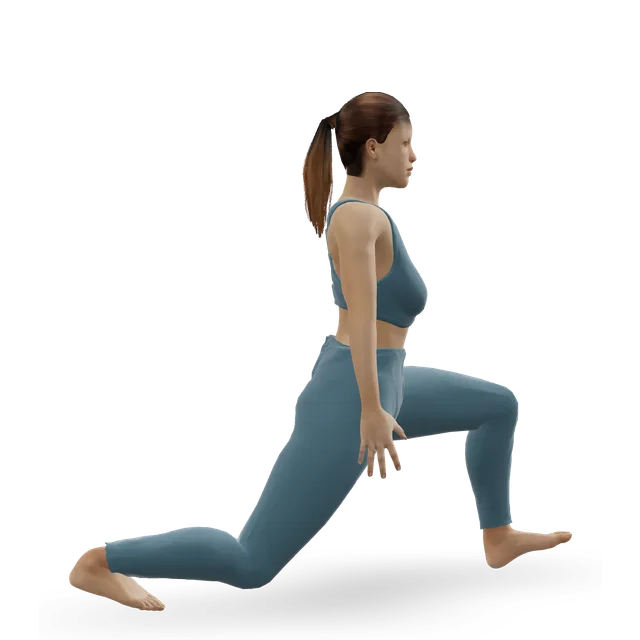
Split squat demonstrated on the 3D figure3D demoSplit squatIntermediate · No equipment

3 sets of 8 each leg, a short range, fingertips on a wall, the back knee dropping straight down, ribs down · As in our back lunge guide (editorial)

Easier: Bodyweight squat · Harder: Reverse lunge

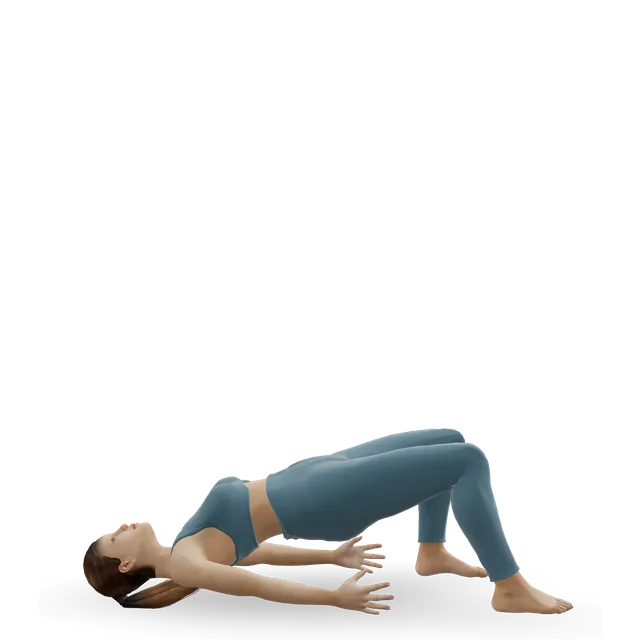
Glute bridge demonstrated on the 3D figure3D demoGlute bridgeBeginner · No equipment

2 to 3 sets of 10 · As in our back pain guides (editorial)

Easier: Pelvic tilt into bridge · Harder: Single-leg glute bridge

Bird dog demonstrated on the 3D figure3D demoBird dogBeginner · No equipment

2 to 3 sets of 6 to 8 each side, 3 to 5 s holds · As in our back pain guide (editorial)

Easier: Bird dog, one limb at a time · Harder: Bear crawl

Dead bug heel taps demonstrated on the 3D figure3D demoDead bug heel tapsBeginner · No equipment

2 sets of 6 to 8 each side · As in our back pain guide (editorial)

Easier: Bent-knee fall-out · Harder: Forearm plank

Half-kneeling hip flexor stretch demonstrated on the 3D figure3D demoHalf-kneeling hip flexor stretchBeginner · No equipment

Optional: hold 20 to 30 s, 2 to 3 times each side, a pad under the knee · Editorial, as in our back lunge guide. Tuck the tailbone so the stretch stays at the front of the hip, not the lower back; for comfort, not as the fix

Harder: Couch stretch

Move on when: You can walk for 15 to 20 minutes, floor split squats pass the pain rule, and your back is no worse the next morning, for a week (editorial, as in our back movement guides).

Follow along: a timer, a cue and the next move, one step at a time.
Stage 2

Raise the back foot a little, keep the trunk steady

About weeks 2 to 6, 2 or 3 sessions a week, with walking on most days: the Bulgarian comes back at body weight on a low step in a short range, with one-legged hip strength and a trunk that resists bending, twisting and leaning sideways.

Rear-foot-elevated split squat (Bulgarian split squat) demonstrated on the 3D figure3D demoRear-foot-elevated split squat (Bulgarian split squat)Intermediate · A bench or box

2 or 3 sets of 6 to 8 each leg, body weight, the back foot on a stair or low box, a short range, holding a support · Our Bulgarian split squat guide's step 3 dose (editorial), as our knee guide for this exercise uses it

Easier: Reverse lunge · Harder: Split squat jump

Reverse lunge demonstrated on the 3D figure3D demoReverse lungeIntermediate · No equipment

3 sets of 8 each leg, a controlled stride · As in our back lunge guide (editorial)

Easier: Split squat · Harder: Split squat with dumbbells

Staggered-stance bridge (offset bridge) demonstrated on the 3D figure3D demoStaggered-stance bridge (offset bridge)Beginner · No equipment

5 slow repetitions each side once a day, building to 2 sets of 5 to 10 at a somewhat hard effort, as in the LEAP trial programme. · The move page's dose, as our back lunge guide uses it

Easier: Pelvic tilt into bridge · Harder: Single-leg glute bridge

Knee side plank demonstrated on the 3D figure3D demoKnee side plankBeginner · No equipment

3 holds of 15 to 20 s each side · As in our back pain guide (editorial)

Harder: Side plank

Half-kneeling Pallof press demonstrated on the 3D figure3D demoHalf-kneeling Pallof pressBeginner · A band + An anchor point

2 to 3 sets of 8 to 10 each side · As in our back pain guide (editorial)

Harder: Pallof press

Suitcase carry demonstrated on the 3D figure3D demoSuitcase carryIntermediate · A dumbbell + A kettlebell

3 walks of 20 m each side, standing tall · As in our back lunge and SI joint guides (editorial). The move page says if you can't stay level, the weight is too heavy

Easier: Farmer's carry · Harder: Overhead carry (waiter's walk)

Move on when: 3 sets of 8 body-weight Bulgarians with the back foot on a stair pass the pain rule, and your back is fine the next morning, for a week (editorial).

Follow along: a timer, a cue and the next move, one step at a time.
Stage 3

Load the Bulgarian again

From about week 6, later after sciatica: the bench at about knee height, then load held at the chest, then a dumbbell in each hand, one change at a time by the written steps below. No study has tested a return to Bulgarian split squats after back pain, so the order is editorial. Running, field sports and lunges come back by our back lunge and running guides once this stage passes (editorial).

Rear-foot-elevated split squat (Bulgarian split squat) demonstrated on the 3D figure3D demoRear-foot-elevated split squat (Bulgarian split squat)Intermediate · A bench or box

3 sets of 6 to 10 each leg, the bench at about knee height or lower, one dumbbell at the chest first, then a dumbbell in each hand · Our Bulgarian split squat guide's step 4 dose (editorial); the goblet hold before two dumbbells is editorial, from the one-dumbbell study

Easier: Reverse lunge · Harder: Split squat jump

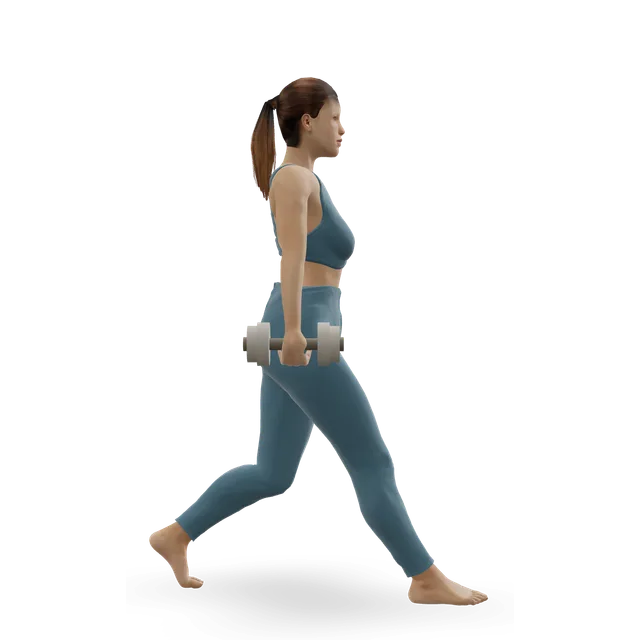
Split squat with dumbbells demonstrated on the 3D figure3D demoSplit squat with dumbbellsIntermediate · A dumbbell

3 sets of 8 to 12 each leg, a dumbbell in each hand · Editorial, as in our knee guide for this exercise

Easier: Reverse lunge · Harder: Barbell Bulgarian split squat

Single-leg Romanian deadlift demonstrated on the 3D figure3D demoSingle-leg Romanian deadliftAdvanced · A dumbbell

3 sets of 8 each leg, fingertips on a wall at first · As in our back lunge guide (editorial)

Easier: Dumbbell Romanian deadlift

Side plank demonstrated on the 3D figure3D demoSide plankIntermediate · No equipment

3 holds of 20 to 30 s each side · As in our back pain guide (editorial)

Easier: Knee side plank · Harder: Side plank with leg lift

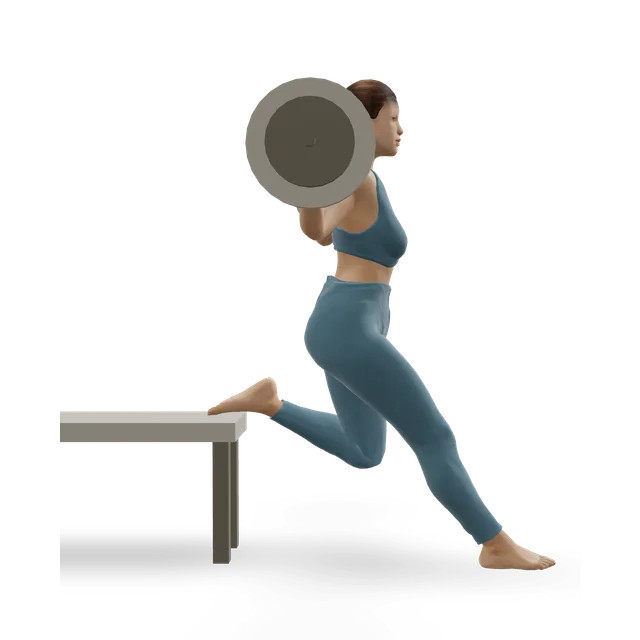
Barbell Bulgarian split squat demonstrated on the 3D figure3D demoBarbell Bulgarian split squatAdvanced · A barbell + A bench or box

Only if you used it before, last: 3 sets of 5 to 8 each leg with a light bar, in a rack · Editorial. The move page says use a rack and a weight you can control on one leg

Easier: Reverse lunge

Bird dog demonstrated on the 3D figure3D demoBird dogBeginner · No equipment

2 sets of 8 each side, twice a week, kept up · As in our back lunge guide (editorial)

Easier: Bird dog, one limb at a time · Harder: Bear crawl

Move on when: Your usual Bulgarian sessions pass the pain rule for 2 weeks. If a big session flares it, go back a stage for a few days, not to nothing (editorial).

Follow along: a timer, a cue and the next move, one step at a time.

What to change for now

Your Bulgarian split squat for now (written steps)

Our 3D figure can't show the bench, the stance, the brace or where the weight sits. No trial has tested a change to the Bulgarian split squat for back pain. These steps come from lab studies of healthy people, coaching sources and a hip physiotherapist's expert opinion; where a step is our suggestion or editorial, it says so.

  • 1. Bench and stance: a bench at about knee height or lower, as ACE uses, and a stance where the back knee drops straight down under the hip, with the shoulder, hip and back knee in a fairly straight line rather than the back hip pushed through (a hip physiotherapist's advice). That a long stance and a high bench make the back arch is our reading.
  • 2. The ribs down and a light brace (editorial), and a slight forward lean rather than bolt upright or folded far forward: a lean with a load raised lower back muscle work in lunges, and NASM warns against excessive lean.
  • 3. Where you hold the weight: one dumbbell at your chest first, then a dumbbell in each hand; not one heavy weight on one side, which made the other side's trunk muscles work harder. No barbell on your back while it's sore (editorial).
  • 4. Balance: hold a rack or wall while it's sore, or use a Smith machine; wobbly set-ups raise trunk muscle work. Feet hip-width apart, like railway tracks, not in one line.
  • 5. Getting in and out: pick the weights up and put them down with both feet on the floor, then place the back foot (editorial). A goblet hold makes this easier.
  • 6. Load and volume: fewer, lighter sets stopped 2 or 3 reps short of failure, with rest days between leg sessions, and no Bulgarian challenges for now (editorial).
  • 7. A belt isn't a treatment: NICE says don't offer belts or corsets for managing low back pain. That is about treatment, not lifting belts in training.

Sources 26, 11, 10, 4, 7, 8, 6, 5, 27, 20

Pregnancy, teenagers, leg symptoms and everyday life

In pregnancy, standing on one leg and moving the legs apart bring on pelvic girdle pain, so swap split stances for moves with both feet level, such as a shallow wall sit (as our back lunge guide says). A teenager whose back hurts more arching needs a check before Bulgarians resume; most with a stress fracture return to sport without surgery. With pain or tingling down a leg, keep to the range that doesn't send it further down.

Walk every day from the start; the NHS says stay active and try to carry on with your daily activities. Carry shopping in two bags rather than one heavy one on one side, held close, and sleep in whatever position is comfortable (our back guides).

Sources 25, 9

Positions to swap, and why

Habit or positionWhy it mattersInstead
A long stance or a high bench with the back hip pushed throughThe back hip has limited room to straighten; that the lower back arches to make up for it is our reading of an X-ray study.The back knee dropping straight down, and a lower bench.Try: Split squat
A big forward lean with a heavy loadIt raised lower back muscle work in loaded lunges, though not in body-weight Bulgarians, and NASM lists excessive lean as a mistake.A slight lean and a lighter weight held at the chest.
One heavy dumbbell or kettlebell on one sideThe back and tummy muscles on the other side work harder.A dumbbell in each hand, or one at the chest.Try: Split squat with dumbbells
A barbell on your back while it's soreIt adds load through the spine and makes balance harder (editorial).Dumbbells first, the bar last.Try: Rear-foot-elevated split squat (Bulgarian split squat)
Wobbling and twisting for balance, or unstable gadgets under the back footUnstable set-ups raise trunk muscle work.Hold a rack or wall, or a Smith machine split squat.Try: Smith machine split squat
Picking up heavy dumbbells with the back foot already on the benchAn awkward, twisting lift on one leg (editorial).Pick up and put down with both feet on the floor.
Feet in one line, like a tightropeMore side-to-side sway in a lunge study.Feet hip-width apart.
Hard hip flexor stretches as the fixThe link between tight hip flexors and back pain is weak, stretching didn't change the range used in a lunge, and the move page says stop for low back pain.A gentle half-kneeling stretch, for comfort.Try: Half-kneeling hip flexor stretch
Training through pain or tingling down a legThat is a nerve, and the back hub's rule says stop or shrink the movement that sends it further down.The first-stage moves, and a GP if it lasts.Try: Bird dog
Split stances in pregnancy with pelvic painStanding on one leg and moving the legs apart bring on pelvic girdle pain.Moves with both feet level, such as a shallow wall sit.Try: Wall sit
Bed rest and long spells sittingStaying active did slightly better than bed rest.Walking, little and often.Try: Treadmill walking

Routines to follow

More moves for this area

Questions people ask

Why does my lower back hurt when I do Bulgarian split squats?

Usually the set-up or the load: the back hip running out of room so the back arches at the bottom (our reading), a big lean with a heavy weight, one weight on one side, or wobbling for balance. A lower bench, the back knee dropping straight down, the ribs down and two dumbbells or one at the chest usually help.

Why does my back hurt after Bulgarian split squats?

A tired, achy back after loaded sets is usually the back muscles that held you steady, easing within a few days. Sharp or lasting pain, or pain that builds each week, is more often a strain or ordinary back pain that needs the set-up and load changed.

Can Bulgarian split squats cause lower back pain?

They can bring it on, usually through the stance, the lean, the load or a jump in sets. But no study links them to back injury, and injury rates in lifting are low.

Are Bulgarian split squats good for lower back pain?

They can be part of getting better: exercise helps back pain and strength training with weights is safe. Start with floor split squats and build the bench and the load back in steps.

Are they easier on the back than squats?

Usually: the bar is much lighter for the same work per leg, and lower back muscle activity was lower in one study. Spinal load itself wasn't measured, so this is likely rather than proven.

Should I lean forward or stay upright?

A slight lean is fine and didn't change lower back muscle work at body weight. With a heavy load, a big lean raised it in a lunge study, and staying bolt upright pushes the back hip further, so stay in between.

Why does one side of my lower back hurt?

If you hold one dumbbell, the back muscles on the other side work harder to stop you leaning; use one in each hand. Low on one side, by the dimple at the back of the pelvis, may be the SI joint.

Can I do Bulgarian split squats with a herniated disc or sciatica?

Often, once it is settling, if they don't send pain further down your leg: the back hub's rule says stop or shrink any movement that does. Start at body weight in a short range, and get leg weakness that's getting worse checked the same day.

Is it tight hip flexors?

Probably not on its own: the link with back pain vanished once body size was allowed for. Stretch them gently if it feels good, but change the set-up first.

Do I need a scan?

Not usually: NICE doesn't recommend routine imaging for back pain, and disc bulges are common in people without pain. The warning signs need urgent checks instead.

How long will it take?

No one can promise a date. New back pain more than halved within 6 weeks on average, though some ache often lingers, and most lifters with back pain keep training with changes.

When should I see a doctor?

Call 999 for numbness around your genitals or bottom, new bladder or bowel trouble, or weakness or numbness in both legs. Get help the same day for back pain with a fever or feeling unwell, or leg weakness that's getting worse, and see a GP if it isn't better after a few weeks or pain spreads below the knee. In the US, call 911 where this page says 999.

Related exercise guides

Other pain guides

Sources

  1. Arakawa 2023 · Hip loads in rear-foot-elevated split squats and back squats in 8 rugby players (lab study, J Strength Cond Res)
  2. Eliassen 2018 · Single-leg and two-leg squats with the same load per leg in 14 trained men (muscle activity study, Int J Sports Phys Ther)
  3. Arakawa 2025 · Stance, trunk lean and the back leg's hip in the Bulgarian split squat in 9 trained men (lab study, Int J Exerc Sci)
  4. Aygun-Polat 2025 · Trunk lean in the Bulgarian split squat in 21 female athletes (muscle activity study, BMC Sports Sci Med Rehabil)
  5. Moon 2026 · Unstable loads and surfaces in Bulgarian squats in 21 adults (muscle activity study, J Back Musculoskelet Rehabil)
  6. López-de-Celis 2023 · Where you hold the dumbbell and trunk muscle work in lunges, in 42 amateur athletes (cross-sectional study, Healthcare)
  7. Bezerra 2021 · Trunk position in three loaded lunges in 12 trained women (muscle activity study, Int J Exerc Sci)
  8. NASM · Bulgarian split squat (exercise library, National Academy of Sports Medicine)
  9. NHS · Back pain
  10. Kouyoumdjian 2024 · How much of the back leg's hip extension in a lunge comes from the hip and how much from the pelvis, on low-dose X-ray in 120 healthy adults (imaging study, Global Spine J)
  11. Grimaldi 2021 · Modifying the rear foot elevated split squat for hip pain (a hip physiotherapist's clinical blog: expert opinion, not a study)
  12. Mirdamadi 2025 · Sacroiliac joint pain in 2,842 athletes, 13 studies (systematic review, Clin J Sport Med)
  13. NHS · Sciatica
  14. Aasa 2017 · Injuries in weightlifters and powerlifters, 9 studies (systematic review, Br J Sports Med)
  15. Siewe 2011 · Injuries and overuse problems in 245 powerlifters (questionnaire study, Int J Sports Med)
  16. Keogh 2017 · Injuries across the weight-training sports, 20 studies (systematic review, Sports Med)
  17. Strömbäck 2018 · Injuries in 104 Swedish powerlifters (cross-sectional survey, Orthop J Sports Med)
  18. Kemler 2022 · Gym injuries in 494 Dutch adults (descriptive survey, Sports)
  19. Weisenthal 2014 · Injuries in 386 CrossFit athletes (online survey, Orthop J Sports Med)
  20. NICE NG59 · Low back pain and sciatica in over 16s: assessment and management (2016, updated 2026)
  21. Brinjikji 2015 · Spine scan findings in 3,110 people without back pain (systematic review, AJNR)
  22. NHS · Slipped disc
  23. Wallwork 2024 · The course of acute, subacute and persistent low back pain (systematic review and meta-analysis, CMAJ)
  24. da Costa 2012 · The prognosis of acute and persistent low back pain (meta-analysis, CMAJ)
  25. Overley 2018 · Return to play after a stress fracture of the spine in 376 adolescent athletes (meta-analysis, Global Spine J)
  26. ACE · Bulgarian split squat (exercise library, American Council on Exercise)
  27. Marchetti 2018 · In-line and traditional lunges in 15 trained men (muscle activity study, J Hum Kinet)
  28. Hayden 2021 · Exercise for long-lasting low back pain, 249 trials (Cochrane review)
  29. Ranzani 2025 · Loaded against unloaded exercise for long-lasting low back pain, 13 trials and 778 people (systematic review and meta-analysis, Arch Physiother)
  30. Dahm 2010 · Advice to rest in bed against advice to stay active for acute low back pain and sciatica (Cochrane review)
  31. Eimiller 2026 · Hip flexor tightness and low back pain in 118 adults not seeking care (cross-sectional study, Clin Biomech)
  32. Laird 2014 · Lower back and pelvis posture and movement in people with and without back pain, 43 studies (systematic review and meta-analysis, BMC Musculoskelet Disord)
  33. Moreside 2013 · Hip stretching and the hip range used in a lunge, in 24 young men (randomised trial, J Strength Cond Res)
  34. Smith 2017 · Painful against pain-free exercise for long-lasting muscle and joint pain, 7 trials (systematic review and meta-analysis, Br J Sports Med)

Exercise education, not a diagnosis or treatment plan. It is written from the guidelines and studies listed above; review by a clinician is pending. If your pain follows an injury, is severe, is getting worse, or comes with any warning sign listed on this page, get it assessed. Health disclaimer.