Training guide

How to lose hip fat: why fat sits on your hips, whether you can target it, what works, and hip shape that isn't fat

Fat on the hips is normal, especially for women, and it's largely set by your sex, hormones and genes. It isn't the fat doctors worry about: in long-term studies, bigger hips went with a lower risk of type 2 diabetes than a bigger waist. Hip exercises don't burn it, because training one part of your body doesn't take fat off that part.

What works is losing fat from your whole body: eating a little less, moving more, strength training and sleeping well. This guide explains why fat sits on your hips, what helps and how long it takes, whether hip fat really comes off last, the menopause, hip shape that comes from bone and muscle rather than fat, and when hips that ache, feel heavy and bruise easily need a GP. No guide can promise how your hips will look.

The short version

Hip fat is normal

Women carry relatively more fat on the hips and thighs, with about 10% more body fat than men at the same body mass index. In scans of 234 adults, upper-body fat was 48.6% of all fat in men against 38.3% in women before the menopause. In twins, about 80% of the differences in lower-body fat were inherited.

Sources 1, 2, 3

It isn't the harmful kind

Hip and thigh fat goes with better blood fats and blood sugar, and at the same waist size, bigger hips went with lower odds of type 2 diabetes. The number that matters for health is your waist: the NHS says to keep it to less than half your height.

Sources 4, 5, 6

You can't target it

Across 13 studies of 1,158 people, training one body part didn't take more fat off it, and when adults trained one leg for 12 weeks, fat came off their arms and trunk instead. Side-hip exercises build muscle; they don't burn the fat over it.

Sources 8, 9, 10

Whole-body fat loss works

Eat a little less, aiming to lose 0.5 to 1 kg a week at most, as the NHS suggests. Move more: each extra 30 minutes a week of aerobic exercise took off about half a kilo in 116 trials. Strength train on 2 days a week, which trims a little fat and protects your muscle.

Sources 6, 15, 16, 19

Is it last to go? Nobody has timed it

No study has measured whether hip fat comes off last or more slowly, and the indirect evidence points both ways. Expect gradual, uneven change, not a fixed order.

Sources 22, 23, 4

Hip shape isn't all fat

The width of your pelvis differs by sex from before birth, and hip dips come mostly from bone and muscle attachments. Hips and legs that are painful, heavy and quick to bruise can be lipoedema, which needs a GP.

Sources 31, 32, 34

What hip fat is, and why it's there

The fat on your hips

Usually the fat under the skin over the hips, the sides of your bottom and the tops of your thighs: doctors call it gluteofemoral fat, and it gives the "pear" shape.

Source 1

Sex and hormones

From puberty, women store relatively more fat on the hips and thighs. In lab studies, women's thigh fat took up fat from the blood readily and responded less to the hormones that release it, except during breastfeeding. Men store more around the middle, so for many men "hip fat" is really the fat above the hip bone.

Sources 1, 26, 2

Genes

In Danish twins, about 80% of the differences in lower-body fat were down to genes. You can't choose where your body stores fat.

Source 3

Age and the menopause

Fat gain speeds up during the menopause transition, and more of it goes to the waist: after the menopause, a smaller share of fat sits on the legs and a larger share on the trunk.

Sources 27, 28, 29

What it does

It's a long-term energy store, linked with healthier blood fats and blood sugar than fat around the waist. These are associations, not proof, and no reason to want bigger or smaller hips.

Sources 4, 5

If your body has become a worry

The NHS lists spending a lot of time worrying about your weight and body shape, eating very little food, exercising too much, and having very strict routines around food among the signs of an eating disorder, and says to see a GP as soon as you can. Worrying a lot about one area of your body can be body dysmorphic disorder. Beat's helpline in England is 0808 801 0677, and our eating disorders guide has the other numbers.

Sources 40, 41

Which "hip fat" do you mean?

Fat on your hips and bottom

The fat over the sides of your hips, bottom and the tops of your thighs. This guide covers it.

Fat above your hip bone

At the sides of your waist, sometimes called side fat or a muffin top: our love handles guide covers it.

Your thighs and "saddlebags"

Fat on the outer and inner thighs, and cellulite: our thigh fat guide covers them, with lipoedema.

The dip below your hip bone

Hip dips come mostly from bone shape rather than fat: our hip dips guide explains them.

What the evidence says

Training one body part doesn't burn the fat over itStrong evidence

A 2022 review of 13 studies of 1,158 people aged 14 to 71, which we read as the abstract on the journal's page, found that training one limb didn't take more fat off it than off the untrained limb; 17 comparisons favoured the trained limb and 20 the untrained one. The single-limb trials agree: in 11 adults who trained one leg for 12 weeks, fat fell by 10.2% in the arms and 6.9% in the trunk, but not in either leg, and in 104 adults who trained one arm, MRI scans found no difference between the arms.

Sources 8, 9, 10

Why a trained area can look slimmerEmerging evidence

In 10 women who trained one leg for 5 weeks, the fat layer over the trained thigh got thinner, but the fat cells didn't shrink: the authors put it down to the layer stretching over bigger muscle.

Source 11

Small studies that point the other wayMixed evidence

Fat next to a working thigh released a little more fat during one session in 10 men. In 16 women, weights for one half of the body before cardio shifted where fat came off over 8 weeks. In 16 men, nearly an hour of ab machine work added to running took about 0.7 kg more fat off the trunk. None measured the hips, and none is a practical plan.

Sources 12, 13, 14

Aerobic exercise takes off fat, more with more minutesStrong evidence

In 116 trials of 6,880 adults with overweight or obesity, each extra 30 minutes a week of aerobic exercise took off about 0.52 kg and 0.56 cm of waist: about 2.8 kg at 150 minutes a week and 4.2 kg at 300.

Source 15

Strength training trims fat and keeps muscleStrong evidence

Strength training alone cut body fat by about 1.5 percentage points and fat mass by about half a kilo across 58 studies, in women and men alike. In 119 adults over 8 months, aerobic training took off more fat, while weights added muscle, and during weight loss strength training reduced the muscle lost by about 0.8 kg.

Sources 16, 17, 19

Exercise and eating less togetherStrong evidence

Exercise with a diet took off about 1.1 kg more than the diet alone across 43 studies. Intervals and steady cardio took off similar amounts of fat when the energy used matched, intervals in less time.

Sources 18, 19, 20

The menopause moves fat upwardsStrong evidence

In 1,246 women, the rate of fat gain nearly doubled during the menopause transition (about 1.6 kg over 3 and a half years) while muscle fell. In 156 women, only those who went through the menopause gained deep belly fat, and across 201 studies, the share of fat on the legs was smaller and on the trunk larger after the menopause, mostly explained by age.

Sources 27, 28, 29

Hip and thigh fat and healthEmerging evidence

In 1,357 adults aged 50 to 75, bigger hips went with lower odds of type 2 diabetes over 6 years, after allowing for waist size and body mass index, while a bigger waist went with higher odds. Hip and thigh fat is linked with a protective blood fat and sugar profile. These are associations, not proof.

Sources 4, 5

Liposuction doesn't stop fat coming backEmerging evidence

In 32 women randomised to small-volume liposuction of the lower belly, hips or thighs or not, body fat was back to the other group's level within a year. The treated thighs stayed smaller, but the fat came back on the belly.

Source 30

What works, and how much

Eat a little less

The NHS suggests aiming to lose 0.5 to 1 kg (1 to 2 lb) a week at most by eating and drinking fewer calories than you use. Our calories per day calculator works from about 600 calories a day below your needs, never below 1,200, as our abs guide explains.

Source 6

Move more

Build towards at least 150 minutes a week of moderate activity, such as brisk walking, cycling or swimming; in the trials, more minutes took more off, up to about 300 a week. Intervals save time but haven't beaten steady exercise when the energy used matched.

Sources 21, 15, 20

Strength train on 2 days a week

Work all your major muscles, legs and glutes included, as the NHS advises. It trims a little fat on its own and protects your muscle while you lose fat.

Sources 21, 16, 19

Protein, sleep and alcohol

Our protein calculator suggests 1.2 to 1.6 g per kg of body weight a day while you lose weight. Sleep 7 to 9 hours and keep alcohol within 14 units a week, as our belly fat guide explains.

Hip and glute exercises: for muscle, not fat

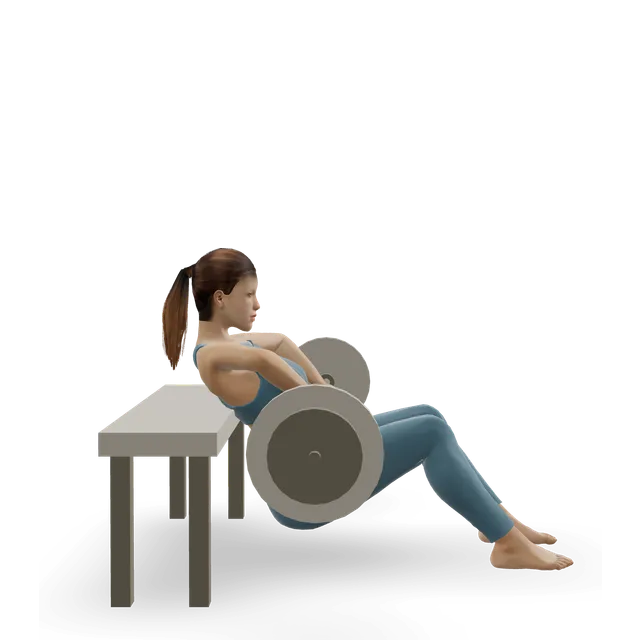
Bridges, hip thrusts, squats, split squats, step-ups and side-hip work build the muscle under the fat: in 34 untrained adults, hip thrusts and squats grew the glutes over 9 weeks. They don't burn the fat over it, so do them for strength and shape, twice a week.

Sources 33, 8

Measure, don't just weigh

Every 2 to 4 weeks, measure your waist (midway between your lowest rib and the top of your hip bone) and your hips (round the widest part of your bottom), at the same time of day. The waist is the health number; photos in the same light show shape better than the scales (our suggestion).

Source 7

Your week, step by step

Our editorial plan, built on NHS advice, the trials in this guide and our love handles guide's week.

  1. Walk, cycle, row or swim on most days, building towards at least 150 minutes a week at a pace where you can talk but not sing.
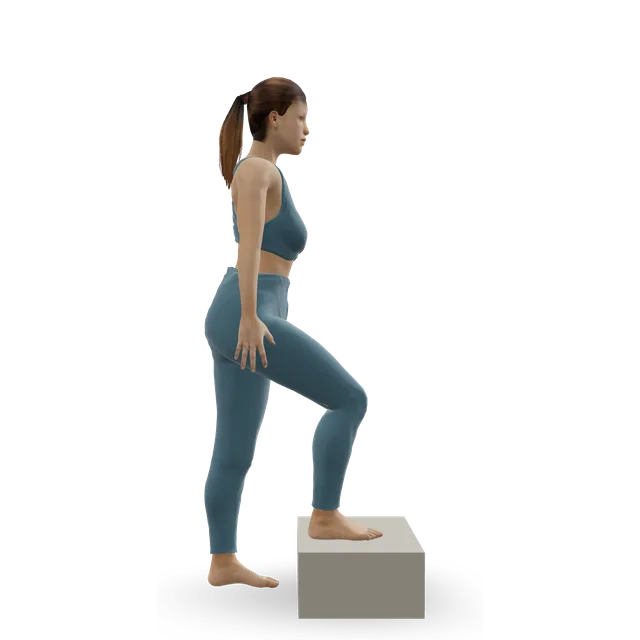
  2. Do 2 full-body strength sessions a week, such as our 20-minute strength workout, with a glute move in each: step up through your whole front foot onto a low step, stand tall, and lower slowly.
  3. Eat and drink a little less than you use, aiming to lose 0.5 to 1 kg a week at most, with some protein at every meal.
  4. Sleep 7 to 9 hours, and keep alcohol within 14 units a week.
  5. Every 2 to 4 weeks, measure your waist and hips, breathing out naturally. Judge by months, not days.
  6. If your hips and legs ache, feel heavy or bruise easily and don't change as the rest of you does, see a GP.

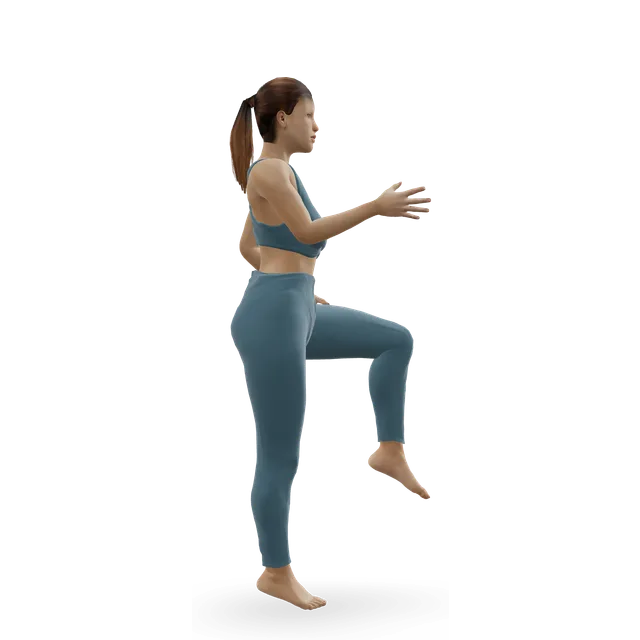
Loading the 3D figure…

Gets into position, then repeats the movement. Technical checks passed; qualified exercise review is pending.

The movement on the figure: Step-up

Moves that use the most of you

There's no hip fat workout: walking, cycling, rowing or the cross-trainer on most days, and two strength sessions a week, shrink your hips along with the rest of you. Indoor rowing and the cross-trainer have starting doses on their move pages.

Hip and glute strength: for muscle, not to burn fat

These build the muscles under the fat; they don't burn the fat over them. Our glute workout at home and glute workout plan give the sets and reps, twice a week on your strength days.

Is hip fat the last to go?

No study has timed itMixed evidence

We found no study measuring whether hip fat comes off last or more slowly, and the indirect evidence points both ways. On a 6-month diet, 61 women lost a smaller share of fat at the hipline than at the mid-thigh and arm. But at the same weight loss, women lost more lower-body fat than men, and in 32 adults who lost about 13 kg, the waist-to-hip ratio didn't change in either sex. Early, modest weight loss came off deep belly fat first.

Sources 22, 23, 24, 25

Why people think it's stubbornEmerging evidence

Hip and thigh fat is a long-term store, and in lab studies women's thigh fat cells responded less to the hormones that release fat. That hasn't been shown to make hip fat slower to lose in real weight loss.

Sources 4, 26

What to expect

At 0.5 to 1 kg a week, your hips change with the rest of you, over months, and where you lose fat first varies from person to person. Nobody can promise how your hips will look, or when.

Source 6

Women, men, the menopause and after a birth

Women

The pear pattern is normal and linked with good metabolic health. Nobody should feel they have to lose it.

Source 1

Men

Men store less fat on the hips. For many men, "hip fat" is the fat above the hip bone, which our love handles guide covers; the plan is the same.

Source 2

Around the menopause

Fat gain speeds up and moves towards the waist. The same plan works, and our menopause guide has the detail.

Sources 27, 29

After a birth

Walking is a good start; the NHS advises avoiding sit-ups, planks and high-impact exercise to start with, and our postpartum guide covers timing. In a small lab study, thigh fat was released more readily during breastfeeding, which may be one reason shape changes after a birth vary (our suggestion).

Sources 37, 26

Hip shape that isn't fat

Your pelvisEmerging evidence

The width and shape of your pelvis, and where the tops of your thigh bones sit, set much of your hip outline. Pelvic shape already differed by sex in 72 fetuses, and training doesn't change adult bone (our reading).

Source 31

Hip dipsEmerging evidence

The inward curve below the hip bone, around the bony bump at the top of the thigh bone, is formed by that bump and the muscles that attach around it. It can be part of your build, more visible with well-defined muscles, or come with age. Our hip dips guide explains it.

Source 32

MuscleEmerging evidence

The glutes and side-hip muscles shape the hips too. Training builds them slowly, and you control how much.

Sources 33, 11

LipoedemaStrong evidence

The NHS describes lipoedema as an abnormal build-up of fat in the legs and sometimes the arms, more common in women, usually equal on both sides, with the feet not usually affected, and pain, tenderness or heaviness and easy bruising. It isn't caused by being overweight. An international consensus calls the fat largely resistant to diet, though in one small study of women with obesity and lipoedema, weight loss did reduce leg fat. Only a doctor can diagnose it, and our lipoedema guide explains what exercise can and can't do.

Sources 34, 35, 36

Measuring your waist and hips

Waist first

The NHS advises keeping your waist to less than half your height. Our waist-to-height ratio calculator does the sum, and losing 5 to 10% of your body weight can improve your health, the NHS says.

Sources 6, 7

Waist-to-hip ratio

Your waist divided by your hips, measured round the widest part of your bottom; our waist-to-hip ratio calculator gives the World Health Organization's cut-offs. A bigger hip measurement lowers the ratio, which is one reason smaller hips aren't a health goal in themselves (our reading).

Source 5

Liposuction, fat freezing and creams

Liposuction

After small-volume liposuction of the hips or thighs, body fat returned to the other group's level within a year, on the belly.

Source 30

Fat freezing, creams and wraps

Our love handles guide covers fat freezing. We found no trial showing that a cream, wrap or garment removes hip fat; sweating loses water, not fat (our reading).

Fat transfer to the hips

It's surgery with real risks, as our hip dips guide's safety note explains.

Workouts to follow

There's no hip fat workout: these train your whole body, which is what shrinks your hips. Start with walking and easy cardio, add two strength sessions a week, and keep glute work for strength and shape.

Easy cardio workout

A steady 30 to 45 minute cardio session at talk-but-not-sing pace: walk, cycle, row or cross-train, counting toward weekly activity guidelines.

40 minBeginner3 movesCardio machine, A wall

Low-impact cardio workout (no jumping)

A 25-minute standing cardio circuit with no jumping: marching, step jacks, sit-to-stands, punches, step-ups and wall push-ups, with a seated option for most moves.

25 minBeginner9 movesA bench or box, A step

10-minute walk and move after meals

A 10-minute routine for straight after a meal: an easy walk, a few simple standing moves from blood sugar trials, then a short walk to finish.

10 minBeginner6 movesCardio machine, A bench or box

Incline walking workout: hills or a treadmill slope

A 50-minute walk with hills, outdoors or on a treadmill slope: brisk on the flat, slower on the climbs, building from gentle slopes to about 6%.

50 minBeginner5 movesCardio machine, A step

20-minute full-body strength workout

A 20-minute full-body dumbbell workout: two supersets of squats, rows, Romanian deadlifts and push-ups. Twice a week covers the minimum dose.

20 minBeginner8 movesA dumbbell, A bench or box

Weights then cardio: a steadier-glucose workout

Strength moves first, then 20 to 30 minutes of steady cardio, with glucose checks built in. In one small type 1 diabetes trial, weights first kept glucose steadier.

45 minBeginner11 movesA dumbbell, A bench or box

Circuit training workout: 8 stations, dumbbells or bodyweight

A full-body circuit of 8 stations: dumbbell squats, push-ups, rows, lunges, deadlifts and cardio moves, 40 seconds each, for 2 or 3 rounds.

35 minBeginner14 movesA dumbbell, A bench or box

Lower body workout at home

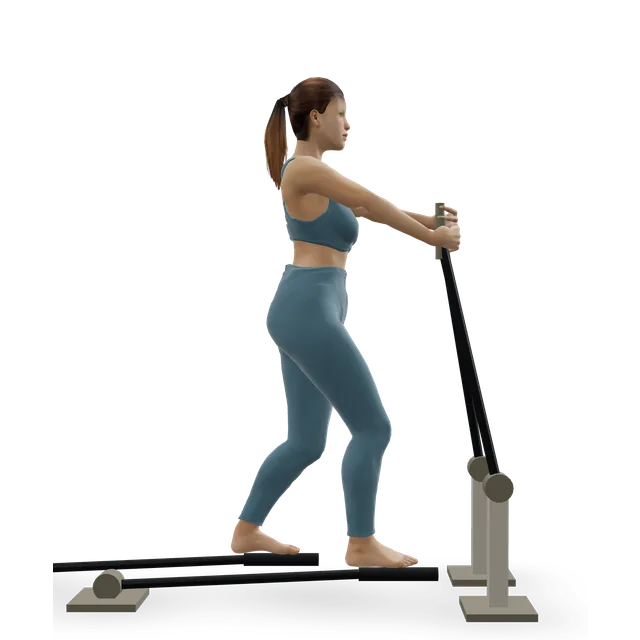
A lower body workout at home: split squats, slider hamstring curls, single-leg bridges, step-ups, band walks and calf raises, with dumbbell options.

30 minIntermediate12 movesA wall, A step

Glute workout at home

A 25-minute glute workout with bodyweight and a mini band: bridges, clamshells, band walks, kickbacks and lunges.

25 minBeginner9 movesA wall, A band

Glute workout (gym)

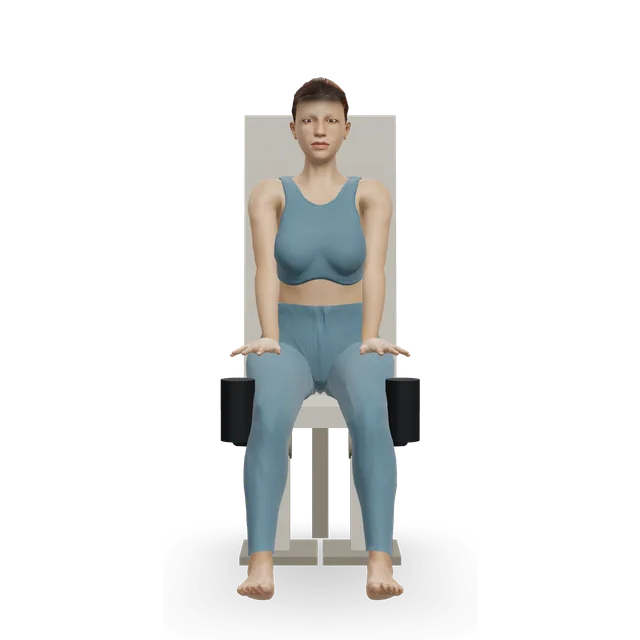
A 50-minute gym glute workout: hip thrusts, deep squats, Bulgarian split squats, back extensions and hip abduction, with sets, reps and rest.

50 minIntermediate11 movesA band, A barbell

Cardio intervals workout

A 25-minute interval session on a bike or rower: one-minute hard efforts with two minutes easy, building from 4 to 8 rounds.

25 minIntermediate1 movesCardio machine

Elliptical workout for beginners: set-up, steady rounds and first intervals on the cross trainer

A first elliptical (cross trainer) workout: step on safely, ride steady at a talk-but-not-sing effort, then add 1-minute pushes once 20 minutes is easy.

30 minBeginner4 movesCardio machine, A wall

Rowing machine workout for beginners: set-up, technique and steady rounds

A 25-minute beginner rowing machine workout: set the damper, learn the stroke one part at a time, row three easy rounds of 4 to 5 minutes, then stretch.

25 minBeginner4 movesCardio machine

Plans

The weight-loss plan is the main one: strength, cardio and daily steps over 12 weeks. The walking plan builds to 150 minutes a week; the glute plan is for strength and shape, not fat.

Warning signs: when your hips need a doctor, not a workout

Hips and legs that don't follow

If your bottom, thighs and lower legs (sometimes your arms) are out of proportion with the rest of your body, feel painful, tender or heavy, and bruise easily, ask your GP about lipoedema, as our weight-loss and thigh fat guides explain.

Sources 34, 35

Swollen, red, hot legs

Our suggestion, from the NHS lipoedema page: if your leg or legs become swollen, red, hot and painful and you have flu-like symptoms, ask for an urgent GP appointment or get help from NHS 111. It can be cellulitis, a skin infection that needs treatment.

Source 34

One leg swollen and painful

Swelling and throbbing pain in one leg needs a same-day check for a blood clot.

One hip sticking out

See a GP if you think you might have scoliosis: the NHS lists uneven shoulders, one shoulder or hip sticking out, and the ribs sticking out on one side among the signs.

Source 38

Fat building up on your tummy, neck and upper back

See a GP if:

  • fat is building up on your neck, upper back, chest and tummy while your arms and legs look thin, with a red, round face, easy bruising, stretch marks or weak muscles: it could be Cushing's syndrome, especially if you take steroid medicine (don't stop steroids without talking to your doctor)

Source 39

Hip pain

For severe hip pain that started suddenly without a fall, a swollen hip that feels hot, or hip pain with a high temperature and feeling unwell, as our hip pain guide explains. In the US, contact your doctor or urgent care.

Help to lose weight

The NHS suggests seeing a GP if your BMI is in the overweight or obese range and you want help to lose weight, your waist is more than half your height, or you have conditions such as diabetes, high blood pressure or sleep apnoea.

Source 6

When eating, training or your body becomes a worry

The NHS lists spending a lot of time worrying about your weight and body shape, eating very little food, exercising too much, and having very strict routines around food among the signs of an eating disorder, and says to see a GP as soon as you can. Worrying a lot about one area of your body can be body dysmorphic disorder. Beat's helpline in England is 0808 801 0677, and our eating disorders guide has the other numbers.

Sources 40, 41

Stop and get medical help

If you get chest pain or pressure, feel faint or dizzy, are unusually breathless, or your heart races or beats irregularly during exercise, as our plans advise.

Call 999 (911 in the US)

For chest pain that comes on suddenly and doesn't go away, feels tight or like squeezing, spreads to your arms, neck, jaw, stomach or back, or comes with sweating, feeling sick, light-headedness or breathlessness; severe difficulty breathing; someone who faints while exercising; palpitations that don't go away, or come with chest pain, shortness of breath or feeling faint; or a headache that starts suddenly and is extremely painful, especially while lifting or straining, or comes with numbness or weakness, difficulty speaking or loss of vision. The NHS says a bleed on the brain may be more likely when lifting something heavy. Don't drive yourself to A&E.

Sources 42, 43, 44, 45, 46

Ask for an urgent GP appointment or call NHS 111

Ask for an urgent GP appointment or get help from NHS 111 for a headache that's triggered or made worse by coughing, sneezing, bending down or exercising. In the US, contact your doctor or urgent care.

Source 47

Hernia

See a GP if you think you have a hernia, a bulge or lump that may get bigger when you strain and smaller when you lie down. Get help from NHS 111 if you have a hernia and pain in or around it, a bloated tummy, you feel or are sick, you're vomiting blood or your vomit looks like coffee grounds, you're constipated, you have a high temperature or feel hot, cold or shivery, or you've suddenly become confused. Call 999 or go to A&E for a femoral hernia (a small lump at the top of your thigh, in your groin) with very bad tummy pain, sickness, being unable to fart or poo, a high temperature or sudden confusion.

Sources 48, 49

Myths

"Hip exercises burn hip fat"Strong evidence

Training one body part didn't take more fat off it across 13 studies, and one-leg training took fat off the arms and trunk, not the trained leg. A thinner-looking layer over a trained thigh was the fat stretching over bigger muscle.

Sources 8, 9, 11

"Hip fat is unhealthy"Emerging evidence

Hip and thigh fat goes with healthier blood fats and sugar, and bigger hips went with lower diabetes odds at the same waist size. Your waist is the health number.

Sources 4, 5

"Hip fat always comes off last"Mixed evidence

No study has timed it, and the indirect evidence points both ways. Women lost plenty of lower-body fat when they lost weight.

Sources 22, 23

"Wide hips mean you're overweight"Emerging evidence

Pelvic width differs by sex from before birth, hip dips come from bone and muscle, and women store more fat on the hips at every size.

Sources 31, 32, 1

"Squats and lunges will make your hips bigger"Emerging evidence

They build glute and thigh muscle slowly, and you control the dose. Fat loss shrinks your hips whatever exercises you do.

Source 33

"Liposuction gets rid of hip fat for good"Emerging evidence

In a small trial, body fat came back within a year, on the belly.

Source 30

"It's just fat you haven't dieted off"Strong evidence

Lipoedema isn't caused by being overweight, and its fat is largely resistant to diet, so painful, heavy legs that don't change with weight loss need a GP, not more dieting.

Sources 34, 35

"You can lose hip fat in a week"Strong evidence

At the NHS's 0.5 to 1 kg a week, fat comes off your whole body over months. A quick change in a week is mostly water (our reading).

Source 6

Questions people ask

How do I lose hip fat?

Lose fat from your whole body: eat a little less, move more, strength train on 2 days a week and sleep well. Hip exercises build the muscle underneath but don't burn the fat over it.

Can you lose fat from just your hips?

No: across 13 studies, training one body part didn't take more fat off it, and when people trained one leg, the fat came off their arms and trunk instead. Fat comes off your whole body.

Why do I have fat on my hips?

Mostly because of your sex, genes and hormones: women store relatively more fat on the hips and thighs from puberty, and where you store fat is largely inherited. It's normal at every size.

Is hip fat healthy or unhealthy?

Hip and thigh fat isn't the harmful kind: it goes with healthier blood fats and sugar, and bigger hips went with lower diabetes odds at the same waist size. Your waist matters more: keep it to less than half your height.

What is the best exercise for hip fat?

The one you'll do most often: walking, cycling, rowing or swimming, building to 150 minutes or more a week, took fat off steadily in trials. Add two strength sessions a week, with glute and leg moves, to keep your muscle.

How long does it take to lose hip fat?

At the NHS's 0.5 to 1 kg a week, your hips change with the rest of you, over months. Where you lose fat first varies, and nobody can promise when your hips will change.

Is hip fat the last to go?

No study has timed it, and the indirect evidence points both ways: in one diet study the hipline lost a smaller share of fat than the thighs, but women lost more lower-body fat than men for the same weight loss. Expect gradual, uneven change.

Can I lose hip fat without exercise?

Eating less takes fat off everywhere, hips included, but exercise adds to the loss and protects your muscle: diet plus exercise beat diet alone in trials. Strength training helps you keep muscle while you lose fat.

How do men lose hip fat?

The same way, by losing fat overall. Men store less fat on their hips than women, so for many men hip fat is the fat above the hip bone, which our love handles guide covers.

Why have my hips got bigger since the menopause?

Fat gain speeds up during the menopause transition, though afterwards more goes to the waist than the legs. The same plan works, and our menopause guide has the detail.

Will squats make my hips bigger?

They build a little glute and thigh muscle over months, and you control how much you train. They won't add fat, and losing fat shrinks your hips whatever exercises you do.

Could it be something other than fat?

Yes. The width of your pelvis and hip dips come mostly from bone. If your hips and legs are out of proportion with the rest of you, painful, heavy and quick to bruise, ask your GP about lipoedema.

Sources

  1. Karastergiou 2012 · Sex differences in body fat: the biology of pear shape (narrative review, Biol Sex Differ)
  2. Ley 1992 · Upper and lower body fat in 234 men and women before and after the menopause (scan study, Am J Clin Nutr)
  3. Malis 2005 · How much total and regional body fat is inherited, in young and older Danish twins (twin study, Obes Res)
  4. Manolopoulos 2010 · Hip and thigh fat and metabolic health (narrative review, Int J Obes)
  5. Snijder 2003 · Hip and thigh size and type 2 diabetes over 6 years in 1,357 adults aged 50 to 75 (Hoorn cohort study, Am J Clin Nutr)
  6. NHS · Overweight and obesity in adults
  7. NHS · Calculate your waist to height ratio
  8. Ramírez-Campillo 2022 · Spot reduction of fat by training one body part: 13 studies, 1,158 people (systematic review and meta-analysis, Hum Mov; journal page abstract read)
  9. Ramírez-Campillo 2013 · Training one leg for 12 weeks and regional fat in 11 adults (within-person trial, J Strength Cond Res)
  10. Kostek 2007 · Training one arm for 12 weeks and arm fat on MRI in 104 adults (trial, Med Sci Sports Exerc)
  11. Krotkiewski 1979 · Five weeks of one-leg strength training and the fat and muscle of the thigh in 10 women (trial, Eur J Appl Physiol)
  12. Stallknecht 2007 · Fat release next to working and resting thigh muscle in 10 men (lab study, Am J Physiol Endocrinol Metab)
  13. Scotto di Palumbo 2017 · Upper or lower body weights before cardio and regional fat in 16 women (randomised trial, J Sports Med Phys Fitness)
  14. Brobakken 2023 · Crunches and twists added to running, and trunk fat, in 16 men (randomised trial, Physiol Rep)
  15. Jayedi 2024 · Aerobic exercise and weight loss in adults: 116 trials (dose-response meta-analysis, JAMA Netw Open)
  16. Wewege 2022 · Resistance training and body fat in healthy adults: 58 studies (meta-analysis, Sports Med)
  17. Willis 2012 · Aerobic, resistance or combined training and body and fat mass in 119 adults (STRRIDE AT/RT randomised trial, J Appl Physiol)
  18. Shaw 2006 · Exercise for overweight or obesity: 43 studies (Cochrane review)
  19. Bellicha 2021 · Exercise and weight loss, body composition and weight maintenance: 12 reviews, 149 studies (overview of reviews, Obes Rev)
  20. Wewege 2017 · Intervals against steady cardio and body composition: 13 trials (meta-analysis, Obes Rev)
  21. NHS · Physical activity guidelines for adults aged 19 to 64
  22. Wang 2002 · Where fat under the skin is lost on a 6-month diet, in 61 women with obesity (study, Obes Res)
  23. Kuk 2009 · Sex and total and regional fat loss in 153 adults with overweight or obesity (pooled analysis, Int J Obes)
  24. Wirth 1998 · Fat under the skin and in the abdomen during weight loss in 32 women and men (ultrasound study, Obes Res)
  25. Chaston 2008 · Visceral against abdominal fat under the skin during weight loss: 61 studies (systematic review, Int J Obes)
  26. Rebuffé-Scrive 1985 · Fat cell activity in the thigh and belly in women, in pregnancy and breastfeeding (biopsy study, J Clin Invest)
  27. Greendale 2019 · Body composition through the menopause transition in 1,246 women (SWAN cohort study, JCI Insight)
  28. Lovejoy 2008 · Visceral fat and energy use through the menopause transition in 156 women (cohort study, Int J Obes)
  29. Ambikairajah 2019 · Fat mass changes during the menopause: 201 cross-sectional and 11 longitudinal studies (meta-analysis, Am J Obstet Gynecol)
  30. Hernandez 2011 · Where fat returned in the year after small-volume liposuction, in 32 women (randomised trial, Obesity)
  31. Kanahashi 2024 · Sex differences in the pelvis of 72 fetuses (MRI study, Commun Biol)
  32. Lourenco 2024 · Filling hip dips with hyaluronic acid: the anatomy, and a case series of 11 women (case series, Skin Health Dis)
  33. Plotkin 2023 · Nine weeks of hip thrusts or back squats: glute growth on MRI in 34 adults (randomised trial, Front Physiol)
  34. NHS · Lipoedema (past its review date: reviewed July 2023, review due July 2026)
  35. Kruppa 2026 · Lipedema World Alliance consensus on the definition and management of lipedema (Delphi consensus, Nature Communications)
  36. Cifarelli 2025 · Fat tissue and the effect of weight loss in women with lipedema (study, Diabetes)
  37. NHS · Your post-pregnancy body
  38. NHS · Scoliosis (past its review date: reviewed April 2023, review due April 2026)
  39. NHS · Cushing's syndrome
  40. NHS · Eating disorders: overview
  41. NHS · Body dysmorphic disorder (BDD) (past its review date: reviewed October 2023, review due October 2026)
  42. NHS · Chest pain (past its review date: reviewed August 2023, review due August 2026)
  43. NHS · Heart attack
  44. NHS · Heart palpitations
  45. NHS · Fainting
  46. NHS · Subarachnoid haemorrhage
  47. NHS · Headaches
  48. NHS · Hernia
  49. NHS · Femoral hernia

Exercise education, not a personal prescription, and clinical review of these guides is pending. Check with a GP before starting hard training if you have a heart condition, chest pain, dizziness or breathlessness when active, and stop for sharp or increasing pain. Health disclaimer.