Hip pain from pickleball: the outer hip, the groin, arthritis, lunges, falls and what helps

A sore hip, groin or buttock after pickleball is common, and it usually settles within days to a few weeks. Short quick steps, side shuffles at the kitchen line, wide lunges for low balls and a sudden jump in how often you play load the tendons on the outside of the hip, the inner thigh and the front of the hip; from mid-life, an arthritic hip can ache after a longer session than it's used to. Most often it's a tendon or a strain. The serious hip injury is a fall onto the hip in an older player, which is why strength, balance and not backpedalling matter. Pickleball itself is good for hips and balance.

This guide starts with the signs that need a 999 call or accident and emergency (A&E), such as severe hip pain after a fall or a leg you can't stand on, and those that need a general practitioner (GP) or the National Health Service's 111 line (NHS 111), such as a hot, swollen hip or a groin lump. It then maps the causes by where it hurts, covers session length, moving to the ball, court shoes, sleeping with outer hip pain and the pickleball bodies' advice in their own words, and gives a four-stage plan with a 3D demo of every move, ending with our pickleball warm-up and a staged return to the court.

When to get help first

Exercise is for pain that has been checked or is clearly mild and settling.

Get urgent medical help if

  • Call 999 or go to A&E: severe hip pain after a fall or injury, or you cannot stand, walk or put weight on the leg. In an older adult this can be a broken hip; the leg may be at an odd angle or look shorter. Don't drive yourself.
  • Call 999 or go to A&E: tingling or loss of feeling in the hip or leg after an injury.
  • Call 999: after a fall, someone may have hurt their head, neck, back or hip, or they cannot get up. Keep them comfortable and warm, and help them up only if they can get up themselves: don't try to lift them yourself.
  • After a fall, hip, groin or thigh pain that isn't severe but makes walking hard, even if you can still stand or take some weight: get help from NHS 111 the same day and say you've fallen (our suggestion; the NHS says hip pain after a fall needs urgent medical help). The American Academy of Orthopaedic Surgeons says that with some broken hips you can still take part of your weight, though it hurts badly, and that a small number aren't as painful at first; a break can also hide on the first X-ray.
  • Ask for an urgent GP appointment or get help from NHS 111 if you have severe hip pain that started suddenly but you've not had a fall or injured your hip, your hip is swollen and feels hot, the skin around your hip has changed colour, or you have hip pain, feel generally unwell and have a high temperature (or feel hot, cold or shivery). A hot, swollen hip with a high temperature can be a joint infection.
  • Call 999 or go to A&E if you have sciatica on both sides, weakness or numbness in both legs that's severe or getting worse, or numbness around or under your genitals, or around your bottom (anus); if you find it hard to start peeing, cannot pee or cannot control when you pee; or if you do not notice when you need to poo or cannot control when you poo, and this is not normal for you. These could be symptoms of a serious back problem that needs to be treated in hospital as soon as possible.
  • Call 999 or go to A&E now if you have a femoral hernia (a small lump at the top of your thigh, in your groin) and very bad tummy pain, you feel sick or you're being sick, you cannot fart or poo, you have a high temperature or you feel hot, cold or shivery, or you've suddenly become confused. Do not drive to A&E. With any other hernia and pain in or around it, a bloated tummy, feeling or being sick, vomiting blood or vomit that looks like coffee grounds, constipation, a high temperature or feeling hot, cold or shivery, or sudden confusion, get help from NHS 111.
  • Same day, and stop running now: groin or front-of-hip pain in a runner, sometimes felt in the thigh or knee, that builds with running, hurts with every step or at night, or hurts when the hip is turned to the end of its range. Keep weight off the leg, using crutches if you have them, and get an urgent GP appointment or help from NHS 111 the same day: a stress fracture of the hip (femoral neck) needs urgent imaging.
  • If the hip was replaced: severe hip pain, a leg that looks shorter or is turned unusually far in or out, a new bulge at the side of the hip, or walking that is suddenly difficult or painful can mean it has dislocated. Don't walk on it; go to A&E straight away.
  • After a recent hip replacement, ask for an urgent GP appointment or call NHS 111 for throbbing or cramping pain in your hip or leg, a high temperature or feeling hot, cold or shivery, oozing or pus from the wound, or redness, tenderness, swelling or pain in your hip or leg that isn't getting better or is getting worse. Call 999 or go to A&E for pain and swelling in your hip or leg with difficulty breathing or chest pain.
  • Call 999: chest pain that feels tight or like squeezing on your chest; chest pain that's spreading to your arms, neck or jaw; severe difficulty breathing (you're gasping, choking or not able to get words out); lips or skin that are pale, blue or grey (on brown or black skin this may be easier to see on the palms of the hands); or someone who has passed out and is not responding normally. It could be a heart attack. Don't drive yourself to A&E.
  • Get help from NHS 111: pain or tightness in your chest, neck, shoulders, jaw or arms that comes and goes, often brought on by exercise, stress, emotion or cold and easing after a few minutes' rest. It can be angina, a sign of a heart problem. If you've been diagnosed with angina, get help from NHS 111 too if it feels worse than before, is happening more often, lasts longer or happens when you're resting.
  • Someone who faints while exercising, or who has fainted and can't be woken within a minute, has chest pain or a pounding, fluttering or irregular heartbeat, or hasn't fully recovered.

See a doctor or physiotherapist if

  • Hip pain that stops normal activities or disturbs sleep, keeps getting worse or keeps coming back, or has not improved after 2 weeks of looking after it at home.
  • Stiffness lasting more than 30 minutes after waking.
  • Bone pain that is constant or worse at night, especially with a lump, unexplained weight loss, fever or tiredness, or a past history of cancer.
  • Hip or groin pain that hasn't settled after 6 weeks, especially with a normal X-ray, or new hip pain if you take high-dose steroids, drink heavily, or have sickle cell disease or lupus: ask your GP about an MRI (magnetic resonance imaging) scan and a hip specialist. It can be avascular necrosis, which an X-ray can miss early on.
  • Outer hip pain that hasn't improved within 6 weeks of following this advice, or that gets worse: talk to a GP or physiotherapist. In many areas you can refer yourself.
  • No improvement after 3 months of good rehabilitation, or sudden weakness walking (a tendon tear is possible).
  • A lump in the groin, upper thigh or tummy, especially one that appears when you cough or strain and goes when you lie down: see a GP, as it may be a true hernia. A femoral hernia (a small lump at the top of the thigh, mainly in women over 50, though it can happen to anyone) needs treating in hospital.
  • A lump in your groin with hip or groin pain: contact your GP. For pain or swelling around your testicles, ask for an urgent GP appointment or get help from NHS 111.
  • A pop high on the inner thigh, then a large bruise, a dent or a gap you can feel, and weakness squeezing the legs together, can be a complete tear of the adductor longus tendon: get it checked within days, as our inner thigh pain guide says.
  • Painful catching or locking deep in the groin, or a hip that gives way: get it assessed.
  • You take a bisphosphonate bone medicine, especially if you've taken it for years, and get new thigh, hip or groin pain: tell your GP, as the medicines regulator asks. Rarely, long-term treatment leads to an unusual break in the thigh bone, which can ache for weeks or months first. Don't stop the medicine on your own (our suggestion): these breaks are far fewer than the fractures it prevents.
  • Sudden new back pain after a minor fall, lift, cough or sneeze, from 50 or past the menopause, or if you take long-term steroid tablets; or height loss, a curved spine or a change in posture: see a GP. It can be a spinal fracture.
  • You're 50 or over, or past the menopause, and have broken a bone in a fall from standing height or less, or you take steroid tablets long term: ask your GP about a fracture risk assessment. NICE recommends offering a bone density (DXA) scan after a broken hip or spine from thin bones, or another major fragility fracture, such as a broken wrist or shoulder, in the last 2 years.
  • Any fall or near-fall, new unsteadiness, or a new fear of falling: ask about a falls assessment.
  • New or worsening pain, a limp or loss of function months or years after the operation: see your GP, who should refer you back to the orthopaedic team.
  • Buttock or leg pain, heaviness or tingling that comes on when you stand or walk and only eases when you sit or bend forward, or the distance you can walk keeps shrinking: see a GP or physiotherapist (possible spinal stenosis). Leg weakness that is getting worse, or numbness around your genitals or bottom, is urgent (above).
  • Pain, tingling or numbness spreading below the knee that isn't settling after a few weeks, is getting worse or stops your normal activities: see a GP.
  • See a GP if you have pain and stiffness for more than a week, especially if you're over 50, it's in both shoulders (often the neck and hips too) and the stiffness lasts longer than 45 minutes in the morning. It can be polymyalgia rheumatica.

Where does it hurt?

Location narrows the likely causes; it does not diagnose.

The bony point on the side of the hip, sore to lie on, worse on stairs, after sitting cross-legged or standing on one leg

Usually the gluteal tendons (greater trochanteric pain syndrome, often called hip bursitis), common from 50, especially in women. Education and exercise help most.

Read: Hip bursitis (gluteal tendinopathy) →

The inner thigh close to the groin, after a wide side lunge or a quick change of direction, sore squeezing the knees together

An adductor strain, common in racket sports. Adductor strengthening helps.

Read: Groin strain →

The front of the hip after lunging or sprinting to the net, sore lifting the knee

The hip flexors (iliopsoas). Less common.

Read: Hip flexor pain →

A deep groin ache from mid-life, stiff first thing for under 30 minutes, worse after a long session, hard to put socks on

Hip osteoarthritis. Common with age, and exercise is the first treatment.

Read: Hip arthritis →

A deep pinch in the groin with deep bending or lunges, with clicking, catching or locking, in a younger player

Impingement or a labral tear. Less common, and tears are also common in hips that don't hurt.

Read: Hip labral tear →

The sitting bone, a deep ache low in the buttock, worse sitting and lunging

The hamstring tendon (high hamstring tendinopathy). Less common.

Read: High hamstring tendinopathy →

Buttock pain with back pain, or pain, tingling or numbness down the leg

The back: sciatica or spinal stenosis. Our back pain from pickleball guide covers it.

Read: Back pain from pickleball →

Just above the groin crease, worse with coughing or quick efforts, with no lump

Inguinal-related groin pain, often called a sports hernia. Less common.

Read: Sports hernia →

A lump in the groin or at the top of the thigh that comes and goes

Possibly a hernia: see a GP. With very bad tummy pain or being sick, call 999, as the warning signs say.

Read: Groin pain →

Severe hip, groin or thigh pain after a fall, or you can't stand or put weight on the leg

Possibly a broken hip. It's rare, but call 999.

Read: Broken hip →

Groin or hip pain after a fall that isn't severe but makes walking hard

A possible hidden fracture, or a broken pelvis: get help from NHS 111 the same day and say you've fallen.

Read: Broken pelvis →

A hot, swollen hip with a high temperature, or sudden severe pain without a fall

A possible joint infection: get help the same day, as the warning signs say.

The hip after a hip replacement

Your surgical team's advice comes first; our hip replacement guide covers the rehab.

Read: Hip replacement →

Understand it

Common, usually settles, and pickleball is good for hipsEmerging evidence

A sore hip, groin or buttock after pickleball is common, and it usually settles. The NHS says "Hip pain is common, especially as you get older". In a self-selected online survey of 1,758 US recreational players who play at least monthly (average age 62.7, 56% aged 65 or over), 14.2% reported a hip complaint over a year (women 15.5%, men 12.5%). That is one survey of players who chose to answer, mostly older and from the US, so it shows how often players notice their hips, not what causes it.

Pickleball is good for older hips and balance: 8 weeks of supervised pickleball moved 42% of pre-frail older adults to non-frail, against 8% of controls, and improved balance in older women by about 28% in a second small trial.

Sources 1, 2, 3, 4

Lunges, side steps and quick starts: tendons more than jointsEmerging evidence

At one US academic clinic, players with hip or thigh problems were the oldest group (average 66); two thirds had tendon problems (the hamstring at the sitting bone 22%, the iliopsoas hip flexor 22%, the outer hip tendons 11% and the iliotibial band 11%), and the authors write that "Tendinopathies in the thigh and hip may occur with sudden motion such as a lunge to reach the ball or run to the kitchen line". In emergency data, younger players' strains and sprains came more often from "sudden stops and lunging".

In tennis, a related sport, "Muscle strains are very typical for tennis and occur mainly in the adductor, hamstring, quadriceps, and gastrocnemius muscles", and in a lab study of 8 advanced tennis players a wide defensive open stance loaded the hip most, which the authors say "potentially" raises the risk of overuse injury (it wasn't measured).

Sources 5, 6, 7, 8

The outer hip: usually the gluteal tendons, not just a bursaStrong evidence

In 3,026 adults aged 50 to 79 living in the community, painful outer hip (greater trochanteric pain syndrome) affected one side in 15.0% of women and 6.6% of men, and both sides in 8.5% and 1.9%. On ultrasound, "Of the 877 patients with greater trochanteric pain, 700 (79.8%) did not have bursitis on ultrasound", and about half had gluteal tendon changes.

Tendons dislike being squeezed: "The combination of excessive compression and high tensile loads within tendons are thought to be most damaging". An NHS trust's leaflet says symptoms come "when lying on the painful side, during activities that require deep squatting, stair climbing or during and after impact exercise". In our reading, the long side steps, the lunges and a sudden jump in court time can add load, and so can standing on one leg with the hip dropped while you wait to play.

Sources 9, 10, 11, 12

The groin, the inner thigh and the front of the hipEmerging evidence

Groin pain in athletes is classed by the Doha agreement into "Adductor-related, iliopsoas-related, inguinal-related and pubic-related groin pain". In pickleball, the side lunge and quick change of direction load the inner thigh muscles (the adductors) most, in our reading, and a pull at the front of the hip after lunging or sprinting to the net points to the hip flexors (iliopsoas), 2 of 9 hip and thigh patients at the US clinic.

A lump in the groin, especially one that appears when you cough or strain, is a possible hernia, not a strain, and the NHS hernia page says to see a GP about it.

Sources 13, 5, 14

Hip arthritis from mid-life: activity doesn't seem to wear out hips, though the studies partly conflictMixed evidence

The NHS says a GP may suspect osteoarthritis if "you're aged 45 or older", with joint pain that gets worse the more you use the joint and little morning stiffness. A flare of osteoarthritis was the commonest diagnosis among 545 pickleball patients in one health system (16%), mostly the knee, and "hip OA was the least common at 8%" of those flares (OA is osteoarthritis); arthritis-related pain was 10% of injuries at another.

On the evidence available, being active doesn't wear out healthy hips, but this rests on observational cohorts that partly conflict. In 28,320 Swedish adults, "leisure time physical activity showed no consistent overall relationship with incidence of severe knee or hip OA, defined as joint replacement due to OA, over 11 years", and in 5,911 people with hip arthritis, "High-impact PA was associated with 36-48% lower odds of THR" over a year (PA is physical activity, THR a total hip replacement). A Norwegian population study, though, found a possible link between high leisure activity and later hip replacement in some age groups, and former world-class athletes had about double the general population's risk, which doesn't apply to recreational play.

Sources 15, 16, 17, 18, 19, 20, 21

Falls: the serious hip injury to knowEmerging evidence

"Falls present one of the most serious injury risks in pickleball, particularly for ankles, knees, hips, and wrists", a Pickleball Queensland article says. In 92 recreational players, "Thirty-three percent of participants under the age of 55 reported a fall, whereas 61% of participants 55 years of age or older reported a fall", and "The two leading reasons for falls were lunging and moving backward".

In US emergency departments, falls caused 65.5% of pickleball injuries, and "The lower trunk (eg, hip and pelvis) was the most common injury site among admitted patients (42.2%)"; that code pools the hip, pelvis and lower back, so emergency data can't separate the back from the hip. Broken hips are reported only as small counts: pelvis fractures were 6 of 397 pickleball fractures over 21 years, one health system saw 11 hip or pelvic fractures among 487 pickleball patients, where in players over 60 "fractures (most commonly hip or wrist fractures) and arthritis-related pain became more common", and at one clinic 2 of 9 hip and thigh patients, both older women, had broken the neck of the thigh bone in a fall.

One review's authors write that "Pickleball injuries may be more severe among older players with osteoporosis or osteopenia, turning what might be a minor fall in a younger person into a fracture" (their opinion). That is a reason to build strength and balance, not to stop playing.

Sources 22, 23, 24, 25, 17, 5, 26

A catching pinch, and the buttockEmerging evidence

At the US clinic, tears of the labrum (the rim of cartilage round the hip socket) were seen on magnetic resonance imaging (MRI) scans in 2 of 9 hip and thigh patients. Tears are also common in hips that don't hurt: across imaging studies there was "a labral tear prevalence of 54% (95% CI 41% to 66%) in asymptomatic individuals".

A deep ache at the sitting bone, worse sitting, points to the hamstring tendon, 22% of the hip and thigh patients at the same clinic; buttock pain with back pain or pain down the leg points to the back, as our back pain from pickleball guide explains. A fall onto the bottom can bruise or, rarely, tear the buttock muscle: a 72-year-old player was back at pickleball about 4 weeks after a partial tear of the gluteus maximus treated without surgery.

Sources 5, 27, 28

When a scan or test mattersStrong evidence

After a fall with severe hip pain, or a leg you can't stand on, the NHS says "You'll usually be given painkillers and have an X-ray to check if your hip is broken". The National Institute for Health and Care Excellence (NICE) diagnoses osteoarthritis clinically, without imaging, in people 45 and over with typical symptoms. Outer hip pain is diagnosed by examination; the LEAP trial confirmed it with an MRI scan for research, but a scan isn't needed to start the exercise.

Scans of painful hips often show labral tears and cartilage changes that are just as common in hips that don't hurt, so a scan matters for a hip that catches, locks or gives way, for groin pain that hasn't settled after 6 weeks, or when surgery is being considered.

Sources 29, 30, 31, 27

How it usually goesEmerging evidence

Strains and aches settle in days to weeks. Outer hip tendon pain is slower: an NHS trust says "The rehabilitation process often takes months as tendons do not have a rich blood supply", and in the LEAP trial 31 of 60 people in the wait-and-see group reported success at a year, against 51 of 65 with education and exercise. Long-standing groin pain improved with 8 to 12 weeks of active training.

Hip arthritis comes and goes with flares, and exercise helps a little on average. After a hip replacement, pooled return to sport was 85%, at an average of 16.1 weeks, and 97% for low-intensity sports. No one can promise a date.

Sources 12, 31, 32, 33, 34

When it isn't pickleball: the causes the warning signs cover

Some hip pain has causes pickleball didn't create, and the warning signs follow the pages behind them. Severe hip pain after a fall, or a leg you can't stand on, can be a broken hip, a 999 call on the NHS hip pain and broken hip pages, and a fall where someone can't get up is a 999 call on the NHS falls page. The American Academy of Orthopaedic Surgeons (AAOS) says some people with a broken hip can still take part of their weight, which is why a fall with pain that makes walking hard needs checking the same day. Sciatica on both sides, or numbness around the genitals or bottom, is a 999 call in the NHS sciatica page's words.

A groin lump can be a hernia: the NHS hernia and femoral hernia pages say when it's an emergency, and NHS inform's hip problems page says to contact a GP for a lump in the groin or pain or swelling around the testicles. After a hip replacement, the NHS complications page lists the signs of a dislocation, a clot or an infection, and says when pain later on needs checking. Chest pain on court can be a heart attack or angina, and fainting while exercising needs a 999 call, as the NHS heart attack, angina and fainting pages say.

Bone pain that is worse at night is in the NHS bone cancer page's words, and a UK review in the BMJ says avascular necrosis (a loss of blood supply to the hip bone) can hide behind a normal X-ray early on. NHS inform's outer hip page says to talk to a healthcare professional if outer hip pain hasn't improved within 6 weeks. Two studies of athletes describe a complete tear of the adductor longus tendon in the inner thigh: a dent or gap you can feel, confirmed on MRI and treated with exercise in a small series. The Medicines and Healthcare products Regulatory Agency (MHRA) asks people on bisphosphonate bone medicines to report new thigh, hip or groin pain.

The Royal Osteoporosis Society, the AAOS, the UK's National Osteoporosis Guideline Group (NOGG) and NICE describe fractures from thin bones after a minor fall, and NICE's falls guideline, the NHS falls page and an Otago strength and balance booklet say a fall or near-fall needs a falls assessment. Buttock or leg pain on standing that eases with sitting is spinal stenosis, as a review of its clinical signs, a review in JAMA and South Tees Hospitals describe, and the NHS polymyalgia rheumatica page describes pain and stiffness in both shoulders and the hips, mostly over 50.

Sources 1, 29, 50, 51, 52, 14, 35, 53, 54, 55, 56, 57, 58, 59, 60, 61, 62, 63, 64, 65, 66, 67, 68, 69, 70, 71, 72, 73

What helps, and how strong the evidence is

Education and exercise for the outer hip: one high-quality trialStrong evidence

In 204 people aged 35 to 70 with gluteal tendinopathy (average 54.8, 167 of them women), a physiotherapy-led education and exercise programme of 14 sessions over 8 weeks did better than one steroid injection and than wait-and-see: success at 8 weeks in 51 of 66, 38 of 65 and 20 of 68, and at 52 weeks in "51/65 EDX, 36/63 CSI, and 31/60 WS participants" (EDX is education and exercise, CSI the corticosteroid injection, WS wait and see). The programme starts with holds that don't squeeze the tendon and builds to single-leg strength, as the plan below does. No trial has tested it in pickleball players.

An NHS trust's leaflet says "Avoid sitting with your legs crossed", advises "Spreading your weight evenly across both feet and not leaning on just one leg", and suggests "Try lying on your back with a pillow under your knees or lie on your good side with a pillow between your legs to keep them in line with your hip joints". It warns "Stretching increases the compression of the tendon and can irritate it if done repeatedly". The AAOS says hip bursitis "may get worse with prolonged walking, stair climbing, or squatting" and advises "Avoid the activities that worsen symptoms".

Sources 31, 12, 36

Active training for long-standing groin painEmerging evidence

In 68 athletes with long-standing adductor groin pain, "23 patients in the AT group and four in the PT group returned to sports without groin pain" (AT is active training, PT passive physiotherapy; an odds ratio of 12.7) after 8 to 12 weeks. That is one trial in athletes from other sports, so the evidence is borrowed; a fresh strain usually settles faster than long-standing pain.

Source 32

Exercise for hip arthritis helps a little on averageStrong evidence

The 2026 Cochrane update of 18 trials (1,368 people) found exercise "probably reduces pain slightly" against no treatment or usual care (about 7 points out of 100, moderate certainty), with improvements "unlikely to be clinically meaningful" on average. NICE still says "For all people with osteoarthritis, offer therapeutic exercise tailored to their needs", and that regular exercise "will be beneficial for their joints long-term".

NICE says "Consider intra-articular corticosteroid injections when other pharmacological treatments are ineffective or unsuitable, or to support therapeutic exercise", and "Do not offer intra-articular hyaluronan injections to manage osteoarthritis". Hip replacement is for arthritis that stays disabling.

Sources 33, 30

Strength and balance against falls: strong in older adults, thin in pickleballStrong evidence

In older adults generally, "Exercise reduces the rate of falls by 23% (rate ratio (RaR) 0.77, 95% confidence interval (CI) 0.71 to 0.83; 12,981 participants, 59 studies; high-certainty evidence)". USA Pickleball says "By increasing muscle, you can prevent falls and other serious injuries.", and the NHS asks adults over 65 to do activities that improve "strength, balance and flexibility on at least 2 days a week".

In pickleball players the evidence is thin. In 29 senior players who had fallen or feared falling, a 10-week strength, balance and footwork programme lowered fear of falling; at 5 months "25% of the TG reported falling during play compared to 44% of the CG" (TG and CG are the trained and comparison groups), not a significant difference, and "The lack of random assignment to groups introduces the potential for selection bias". Hip side strength wasn't linked with having fallen in another study, only with quicker footwork.

Sources 37, 38, 39, 40, 23

Moving to the ball, court shoes and the pickleball bodies' adviceEmerging evidence

Pickleball Queensland: "lunging, diving, or running backwards to chase difficult balls can significantly increase the risk of injury". USA Pickleball says "Pickleball is gentler on the body than most other sports. However, like any sport, playing the game carries the risk of injury." It advises "Following the warmup period, begin a stretching program.", court shoes ("Comfortable court shoes are also a must; sneakers or running shoes do not supply the right kind of support for the side-to-side action inherent in pickleball."), "Be sure to drink water, replenish electrolytes and eat appropriate snacks." and "After playing, you may want to stretch or take a slow walk home."

The AAOS says "Choose shoes designed for pickleball or tennis to ensure proper support and court traction", and Pickleball Canada stops tournament play in extreme heat, judged by a heat index. No study has tested a change to pickleball for hip pain. More weekly play and fewer than 5 years' experience went with injury in the US survey, so shorter sessions, small steps to the ball rather than one wide lunge, a slightly narrower stance at the kitchen line while the groin or outer hip is sore, and letting a lob go rather than backpedalling are our suggestion.

Sources 22, 38, 41, 42, 2

Back to pickleball after a hip replacement or hip surgeryEmerging evidence

The AAOS lists "doubles tennis or pickleball" among the lower-impact activities it prefers after a hip replacement, and in one US survey 71.9% of joint replacement patients who had played a racket sport in the 2 years before surgery went back, with no more reoperations in the short term. Across 57 studies, 85% of people returned to sport after a hip replacement. In 58 tennis players with a hip replacement (average age 70), players were back to singles and doubles about three times a week a year later, though only 14% of their surgeons had approved it and the authors advise caution.

After hip arthroscopy (keyhole surgery) for impingement or a labral tear, 75% and 78% of tennis players returned to tennis in two small series. These are surveys and case series, and your surgical team's advice on when comes first.

Sources 43, 44, 34, 45, 46, 47

How much pain is OK while you exercise?

Up to 5 out of 10, settled by the next morning, and no extra outer hip painEmerging evidence

During the exercise, pain up to about 5 out of 10 is acceptable. It should settle within an hour or so, and your hip should be no worse that night or the next morning. If it is, do less next time (fewer repetitions, a smaller range, a lighter load), not nothing.

Pain can go up a little when you start a new exercise programme; guidelines for arthritis say so and still recommend keeping going. If pain climbs week after week, or a warning sign appears, stop and get it checked.

The LEAP programme accepted no increase in outer hip pain during squats, bridges and side-stepping, because pain there suggested the tendon was being squeezed. During heavier strengthening, pain up to about 5 out of 10 was fine if it eased afterwards and was no worse that night or the next morning.

Chest discomfort that comes on with effort, such as brisk walking or stairs, and eases within a few minutes of rest, or feels tight, squeezing or heavy, or comes with breathlessness, sweating or feeling sick, is not a pain-rule question: that is how angina and heart attacks behave. Stop, and follow the warning signs.

For pickleball (our suggestion, built on the rules above and the pickleball injury studies): judge a session by your hip during play, that evening, that night and the next morning. Up to 5 out of 10 during play is acceptable if it settles within an hour and the hip is no worse at night or the next morning; with outer hip pain, no extra pain lying on that side that night. If it is worse, play a shorter session, doubles only or with fewer wide lunges next time, rather than stopping altogether. Singles, long sessions and back-to-back days come back one at a time. Severe pain after a fall, a leg you can't stand on, a groin lump, a hot, swollen hip or pain spreading down the leg are not pain-rule questions: stop and see the warning signs.

Sources 48, 49, 30, 74, 75, 56, 76

The exercise plan: 4 stages

Start at the first stage. Each move opens a full guide with a 3D demo.

Stage 1

Settle: load the hip without squeezing it

About the first 1 to 2 weeks: keep moving without overdoing it, as the NHS advises, with holds that strengthen the outer hip and the groin without squeezing the tendons, and walking on the flat. Short, easy doubles at the kitchen line can carry on if they are within the pain rule (our suggestion).

Standing wall-press hip abduction demonstrated on the 3D figure3D demoStanding wall-press hip abductionBeginner · A wall

3 to 5 holds of 5 to 15 seconds each side, twice a day: the standing hold in the LEAP trial programme. · The move page's dose. For the outer hip; keep the standing hip level rather than sagging out, as the move page says

Easier: Supine isometric hip abduction (belt press) · Harder: Lateral band walk

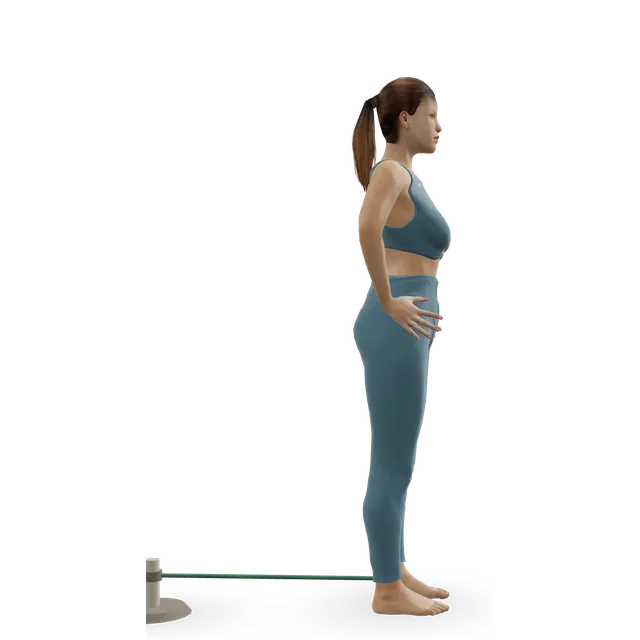
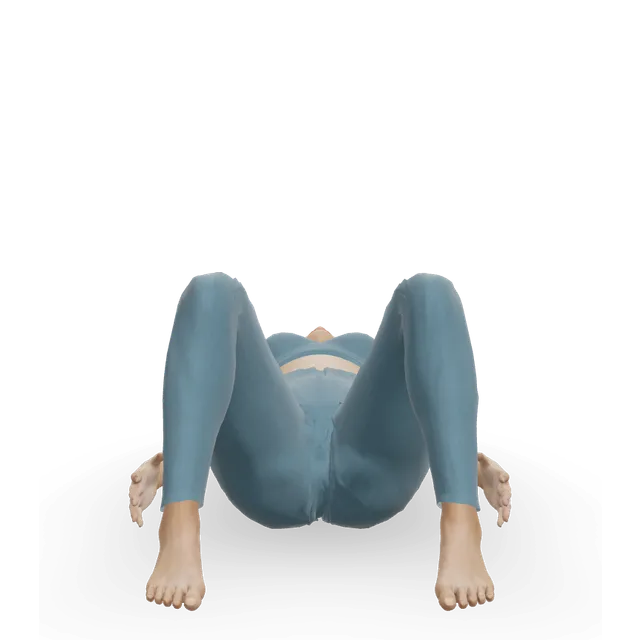
Supine isometric hip abduction (belt press) demonstrated on the 3D figure3D demoSupine isometric hip abduction (belt press)Beginner · A band

3 to 5 holds of 5 to 10 seconds, twice a day, at a light effort: the starting dose in the LEAP trial programme. · The move page's dose. Lying on your back, not your side, as the move page says

Harder: Lateral band walk

Lying adductor ball squeeze demonstrated on the 3D figure3D demoLying adductor ball squeezeBeginner · Other / check instructions

5 to 10 holds of 5 to 10 s · As in our groin strain guide (editorial). For the groin and inner thigh; squeeze gently at first

Harder: Copenhagen plank

Glute bridge demonstrated on the 3D figure3D demoGlute bridgeBeginner · No equipment

2 to 3 sets of 10 · As in our golf hip guide (editorial)

Easier: Pelvic tilt into bridge · Harder: Single-leg glute bridge

Standing march demonstrated on the 3D figure3D demoStanding marchBeginner · No equipment

10 each side at a counter · As in our hip arthritis guide (editorial). Lift the knee only as high as is comfortable

Easier: Seated march · Harder: Standing band hip flexion

Treadmill walking demonstrated on the 3D figure3D demoTreadmill walkingBeginner · Cardio machine

5 to 10 min, several times a day, on the flat · As in our golf hip guide (editorial). Walking outdoors or round the courts counts

Easier: Recumbent exercise bike · Harder: Treadmill jogging

Move on when: Walking 20 to 30 minutes on the flat and stairs are within the pain rule, nights are no worse, and the hip is no worse the next morning (editorial).

Follow along: a timer, a cue and the next move, one step at a time.
Stage 2

Build: hip strength on one leg

About weeks 2 to 6, 2 or 3 sessions a week: side hip, groin and thigh strength, and standing on one leg with the pelvis level, as the LEAP programme progresses.

Lateral band walk demonstrated on the 3D figure3D demoLateral band walkBeginner · A band

3 sets of 10 to 15 steps each way · As in our golf hip guide (editorial). The side shuffle at the kitchen line; a lighter band if the outer hip hurts sharply, as the move page says

Easier: Hip abduction machine · Harder: Lateral band walk, band at the feet

Sit to stand from a chair demonstrated on the 3D figure3D demoSit to stand from a chairBeginner · A bench or box

3 sets of 8 to 12, lower seat, no hands, slow lowering · As in our hip arthritis guide (editorial)

Easier: Sit to stand, pushing on the thighs · Harder: Bodyweight squat

Step-up demonstrated on the 3D figure3D demoStep-upBeginner · A step

3 sets of 8 each side · As in our golf hip guide (editorial). Keep the pelvis level

Easier: Low step-up · Harder: Dumbbell step-up

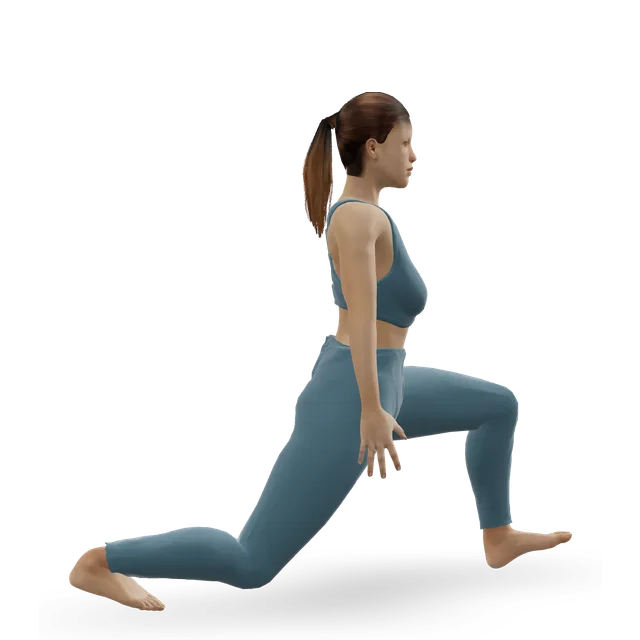
Split squat demonstrated on the 3D figure3D demoSplit squatIntermediate · No equipment

3 sets of 8 each side · As in our groin strain guide (editorial). A short stance at first

Easier: Bodyweight squat · Harder: Reverse lunge

Knee side plank demonstrated on the 3D figure3D demoKnee side plankBeginner · No equipment

3 holds of 15 to 30 s each side · As in our golf hip guide (editorial). Lie on the good side first

Harder: Side plank

Single-leg stand demonstrated on the 3D figure3D demoSingle-leg standBeginner · A wall

3 holds of 10 to 30 s each side, pelvis level, a hand near a support · As in our outer hip pain guide (editorial). Standing on the painful leg for 30 s is also the clinical test

Easier: Tandem stance and heel-to-toe walk · Harder: Single-leg reach matrix

Move on when: You can stand on the sore leg for 30 seconds with the pelvis level, these are within the pain rule, and an hour of doubles leaves the hip no worse the next morning (editorial; the 30-second stand is our hip bursitis guide's check).

Follow along: a timer, a cue and the next move, one step at a time.
Stage 3

Court strength: lunges, side steps, the groin and the hip flexors

About weeks 6 to 10, 2 or 3 sessions a week: the lunge and recovery, a side lunge you control, groin strength for quick changes of direction, hip flexor strength for the push to the net, and turning over a standing leg.

Reverse lunge demonstrated on the 3D figure3D demoReverse lungeIntermediate · No equipment

2 × 6 each leg · As in our pickleball strength and balance workout (editorial). Hold a support; short steps

Easier: Split squat · Harder: Split squat with dumbbells

Cossack squat demonstrated on the 3D figure3D demoCossack squatIntermediate · No equipment

2 sets of 5 each side, only as deep as is comfortable · As in our groin strain guide (editorial). The side lunge; leave it out while a groin strain is painful, as the move page says

Easier: Sit squat (partial squat) · Harder: Pistol squat

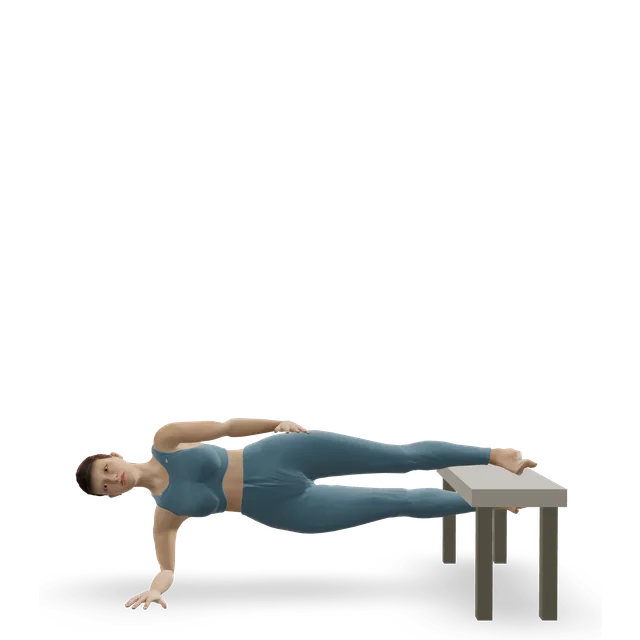
Copenhagen plank demonstrated on the 3D figure3D demoCopenhagen plankAdvanced · A bench or box

Short lever (knee on the bench) first; small sets · As in our groin strain guide (editorial). Start with 3 to 5 slow reps a side, as the move page says; not during acute groin pain

Easier: Hip adduction machine

Standing band hip flexion demonstrated on the 3D figure3D demoStanding band hip flexionBeginner · A band + An anchor point

3 sets, from 15 down to 8 hard reps over the weeks · As in our hip flexor pain guide (the Thorborg trial's progression)

Easier: Standing march · Harder: Captain's chair knee raise

Single-leg Romanian deadlift demonstrated on the 3D figure3D demoSingle-leg Romanian deadliftAdvanced · A dumbbell

3 sets of 6 to 8 each side, fingertips on a wall at first · As in our golf hip guide (editorial). Reaching low on one leg

Easier: Dumbbell Romanian deadlift

Hip airplane demonstrated on the 3D figure3D demoHip airplaneAdvanced · No equipment

2 sets of 3 to 5 each side, holding a support, in the pinch-free range · As in our golf hip guide (editorial). Turning over a standing leg, as in a reach across

Easier: Single-leg stand · Harder: Single-leg Romanian deadlift

Move on when: These are within the pain rule, and a 60 to 90 minute session of doubles leaves the hip no worse that night or the next morning, twice (editorial).

Follow along: a timer, a cue and the next move, one step at a time.
Stage 4

Back on court: the pickleball warm-up, then the steps back

From about weeks 6 to 10, as the hip allows, then for good: our pickleball warm-up before every session, two strength and balance days a week, and a staged return by the written steps below. No study has tested a return to pickleball after hip pain; the order is editorial, following our pickleball page and our golf hip guide.

Standing march demonstrated on the 3D figure3D demoStanding marchBeginner · No equipment

2 min · As in our pickleball warm-up (editorial); or a brisk lap of the courts, arms swinging

Easier: Seated march · Harder: Standing band hip flexion

Side-stepping (sideways walking) demonstrated on the 3D figure3D demoSide-stepping (sideways walking)Beginner · A wall

10 steps each way, twice · As in our pickleball warm-up (editorial). Small, quick steps; don't cross your feet

Harder: Lateral band walk

Front-to-back leg swings demonstrated on the 3D figure3D demoFront-to-back leg swingsBeginner · A wall

8 swings each leg · As in our pickleball warm-up (editorial). Hold the fence or net post

Harder: Contract-relax hamstring stretch (PNF)

Tandem stance and heel-to-toe walk demonstrated on the 3D figure3D demoTandem stance and heel-to-toe walkBeginner · A wall

At least 5 steps · As in our pickleball warm-up (editorial). Fingertips on the fence; look ahead

Easier: Semi-tandem stance · Harder: Single-leg stand

Single-leg stand demonstrated on the 3D figure3D demoSingle-leg standBeginner · A wall

3 × 5 to 10 s each leg · As in our pickleball warm-up (editorial). Hips level

Easier: Tandem stance and heel-to-toe walk · Harder: Single-leg reach matrix

Reverse lunge demonstrated on the 3D figure3D demoReverse lungeIntermediate · No equipment

3 to 5 each leg · As in our pickleball warm-up (editorial). Short steps, as if reaching for a low ball

Easier: Split squat · Harder: Split squat with dumbbells

Move on when: Your usual sessions pass the pain rule for 2 weeks; then add longer sessions, singles and back-to-back days, one at a time (editorial). Keep two strength and balance days a week (stages 2 and 3, or our pickleball strength and balance workout), as the NHS advises, and drop back a step for a few days after a flare rather than stopping.

Follow along: a timer, a cue and the next move, one step at a time.

What to change for now

What to do now (written steps)

Our 3D figure can't show these. They come from the NHS hip pain page, an NHS trust's gluteal tendinopathy leaflet and NHS inform's hip exercises; where a step is our suggestion, it says so.

  • 1. The NHS says "it's best to keep moving if you can, but try not to overdo things", with an ice pack wrapped in a towel for up to 20 minutes every 2 to 3 hours, and paracetamol or ibuprofen if they suit you.
  • 2. With outer hip pain, avoid sitting with your legs crossed, spread your weight across both feet rather than leaning on one leg, and lie on your back with a pillow under your knees or on your good side with a pillow between your legs, as the NHS trust's leaflet advises.
  • 3. Don't stretch the outer hip hard: the same leaflet says stretching squeezes the tendon and can irritate it if done repeatedly.
  • 4. NHS inform's hip exercises say "Aim to keep your pain within a rating of 0 to 5", and "your pain should be no worse the morning after you’ve exercised"; the pain rule below uses the same band.
  • 5. Severe pain after a fall, a leg you can't stand on, a groin lump or a hot, swollen hip isn't an ordinary pickleball ache: see the warning signs.

Sources 1, 12, 48

On court: moving to the ball, sessions and shoes (written steps)

The 3D figure can't show these. The tips are in Pickleball Queensland's, USA Pickleball's and the AAOS's own words; none has been tested for hip pain, and where a step is our suggestion, it says so.

  • 1. Play less, not nothing (our suggestion): shorter doubles sessions, such as 30 to 60 minutes 2 or 3 times a week with a day off between, as in our pickleball knee guide; leave singles and long drop-in sessions until shorter sessions pass the pain rule.
  • 2. Moving to the ball (our suggestion): small steps rather than one wide lunge, a slightly narrower stance at the kitchen line while the groin or outer hip is sore, and turn and move sideways for a lob, or let it go, rather than backpedalling. Pickleball Queensland warns that lunging, diving or running backwards to chase difficult balls can significantly increase the risk of injury.
  • 3. Court shoes, not running shoes, as USA Pickleball and the AAOS advise.
  • 4. Warm up before you play, drink enough, and stretch or take a slow walk afterwards, as USA Pickleball suggests.
  • 5. While you wait to play, stand with your weight on both feet rather than hanging on one hip (our suggestion, after the NHS trust's leaflet).

Sources 22, 38, 41, 2, 12

Falls, thin bones and replaced hips (written steps)

Our suggestion, built on USA Pickleball's advice, the falls trials, the NHS's activity guidelines and the AAOS's advice after a hip replacement; no study has tested these steps in pickleball.

  • 1. Strength and balance work on at least 2 days a week, as the NHS advises for older adults: exercise cut the rate of falls by about a quarter in older adults generally.
  • 2. After a broken bone from a fall at 50 or over, ask your GP about a fracture risk check, as the warning signs say.
  • 3. After a hip replacement or hip arthroscopy, your surgical team decides when and how you play again. Doubles first is the usual advice, and the AAOS lists doubles pickleball among the lower-impact activities it prefers after a hip replacement.

Sources 38, 37, 39, 43, 44

Back on court (written steps)

Our suggestion, built on the pickleball bodies' advice, the falls studies and the LEAP programme; none has been tested as a return to pickleball after hip pain. Move on when each step passes the pain rule.

  • 1. First sessions: the warm-up, then 5 minutes of gentle dinking, then 30 to 45 minutes of doubles; sit down between games.
  • 2. Moving: small steps to the ball; turn and move sideways for lobs rather than backpedalling.
  • 3. Build time: add about 15 minutes a session while the pain rule holds, with a day off between sessions.
  • 4. Your usual sessions: once 90 minutes of doubles passes the rule twice.
  • 5. Singles, tournaments and back-to-back days: last, one at a time.
  • 6. Outer hip pain: no lying on the sore side that night, and no hanging on one hip while you wait to play.
  • 7. Groin strain: wide side lunges and full-stretch reaches come back last.
  • 8. Hip arthritis: play on the hip's better days, keep to doubles if singles flares it, and keep the strength work going.
  • 9. If it doesn't settle, or keeps coming back, see a physiotherapist, as the warning signs say.

Sources 22, 38, 23, 31

Positions to swap, and why

Habit or positionWhy it mattersInstead
Backpedalling for lobsLunging and moving backwards led falls in a study of recreational players, and Pickleball Queensland warns against running backwards to chase difficult balls.Turn and move sideways, or let it go; practise the footwork with side steps.Try: Side-stepping (sideways walking)
Wide lunges to full stretch for every dink while the groin or outer hip is soreTendon problems in the hip and thigh followed lunges at one clinic.Small steps and a narrower stance for now, and short reverse lunges in the plan.Try: Reverse lunge
Long sessions or back-to-back days while it's soreMore weekly play went with injury in a large survey.Shorter doubles sessions with a day off between.
Lying on the sore side, sitting cross-legged or standing on one leg with the hip droppedThese squeeze the outer hip tendons.Lie on your back or the good side with a pillow between your knees, keep your weight on both feet, and do the wall press hold.Try: Standing wall-press hip abduction
Stretching the outer hip hardAn NHS trust says it squeezes the tendon and can irritate it.Strength holds instead.Try: Supine isometric hip abduction (belt press)
Playing on after a fall with a hip or groin that hurts to walk onIn an older player it can be a broken hip or pelvis, and some breaks don't show on the first X-ray.Stop and get it checked the same day, as the warning signs say.
Ignoring a groin lumpIt can be a hernia, and a femoral hernia needs treating in hospital.See a GP, as the warning signs say.
Running shoes on courtUSA Pickleball says they don't give the support side-to-side play needs.Court shoes.
Resting completely for weeksEducation and exercise did best for outer hip pain, and active training for long-standing groin pain.The stage 1 holds and walking.Try: Glute bridge
Skipping the warm-up and the cool-downUSA Pickleball advises both.Our pickleball warm-up, and a slow walk afterwards.Try: Standing march

Routines to follow

Pickleball warm-up

A 10-minute pickleball warm-up: marching, side-steps, leg swings, calf raises, upper-back turns, shoulder and wrist circles, heel-to-toe and one-leg balance.

10 minBeginner10 movesWall

Pickleball strength and balance workout

A 30-minute session for older players: sit-to-stands, step-ups, calf raises, lunges, side-steps, heel-to-toe and one-leg balance, band work and floor get-ups.

30 minBeginner13 movesBench or box, step

Hip strengthening workout: bridges, side hips, single-leg control and balance

A 30-minute session for hips that don't currently hurt: bridges, side-hip work, step-ups and single-leg control, an optional harder block, then balance.

30 minBeginner13 movesWall, band

Glute workout at home

A 25-minute glute workout with bodyweight and a mini band: bridges, clamshells, band walks, kickbacks and lunges.

25 minBeginner9 movesWall, band

Balance exercises routine

Balance practice in 10 minutes: tandem stance, single-leg stands, marches, heel walks, tree pose and floor transfers.

10 minBeginner7 movesWall, bench or box

Strength and balance exercises for seniors

A 40-minute strength and balance session for over-65s, built from the Otago home programme and NHS exercises, using a chair, a counter and a step.

40 minBeginner18 movesBench or box, something with weight

Court-ready Pilates for pickleball players: a 25-minute class for balance and stepping, calves, hips, the trunk, and the paddle shoulder and forearm

A 25-minute Pilates class for pickleball players: balance and stepping at a counter, calves, hips, a head-down trunk, and the shoulder and forearm on both arms.

25 minBeginner18 movesWall, bench or box

Yoga for pickleball players: a 25-minute class at a counter for calves, one-leg balance and stepping, standing strength, and the paddle shoulder and forearm, with nothing head-down

A 25-minute standing yoga class for pickleball players at a counter: calves, one-leg balance and stepping, leg strength, and the shoulder and forearm on both arms.

25 minBeginner19 movesWall, bench or box

More moves for this area

Questions people ask

Why does my hip hurt after pickleball?

Usually the tendons on the outside of the hip, the inner thigh or the front of the hip after more lunges, side steps and court time than you're used to, or an arthritic hip after a long session. Where it hurts sorts them, and most settle within weeks.

Is pickleball bad for your hips?

No. Hip complaints are common, but being active doesn't seem to raise the risk of needing a hip replacement overall, and pickleball improved balance and frailty in older adults in small trials. Falls are the main risk, so strength and balance work matters.

Can I play pickleball with hip arthritis?

Usually yes: exercise is the first treatment for it, and people with hip arthritis who kept up high-impact activity didn't have more hip replacements within a year. The studies partly conflict, so play shorter doubles sessions within the pain rule and see how your hip responds.

Can I play pickleball with hip bursitis?

Usually, in shorter doubles sessions without wide lunges, while you do the strength holds; avoid lying on that side and sitting cross-legged. Education and exercise did better than a steroid injection at a year in a large trial.

What causes groin pain from pickleball?

Most often the inner thigh muscles (an adductor strain) after a wide side lunge or a quick change of direction; a pull at the front of the hip is the hip flexors, and a deep ache from mid-life the hip joint. A groin lump is different: see a GP, as it may be a hernia.

What helps hip flexor pain from pickleball?

A week or two off sprints and wide lunges, then strength: our hip flexor guide's band exercise builds from 15 easy reps to 8 hard ones over the weeks. Take shorter strides to the net while it settles.

Can I play pickleball after a hip replacement?

Often, as doubles, once your surgical team agrees; the AAOS lists doubles pickleball among the lower-impact activities it prefers after a hip replacement. In one survey, most recent racket players went back, with no more reoperations in the short term.

Can I play pickleball with a hip labral tear?

Often, if it doesn't catch, lock or give way; labral tears are common in hips without pain too. Avoid deep lunges that pinch, and see our labral tear guide.

I fell on my hip playing pickleball. What should I do?

Severe hip pain, or not being able to stand or put weight on the leg, is a 999 call. If it isn't severe but walking is hard, get help from NHS 111 the same day and say you've fallen, because some broken hips still take part of your weight.

What exercises help hip pain from pickleball?

Holds for the outer hip and the groin first, then single-leg strength, then lunges, side lunges and hip flexor work. The four stages above build them up, with a 3D demo of each move.

How do I stop falling on the court?

Turn and move sideways rather than backpedalling, take small steps rather than wide lunges, and wear court shoes. Strength and balance work at least twice a week cut falls by about a quarter in older adults generally, though no study has proved it in pickleball players.

When should I see a doctor?

Call 999 for severe hip pain after a fall, a leg you can't stand on, or a groin lump with very bad tummy pain or being sick. Get a same-day GP or NHS 111 appointment for a hot, swollen hip with a high temperature, and see a GP for a groin lump or hip pain that hasn't improved after 2 weeks of looking after it. In the US, call 911 where this page says 999.

Related exercise guides

Other pain guides

Sources

  1. NHS · Hip pain in adults
  2. Owoeye 2025 · Injuries in 1,758 US pickleball players (self-selected online survey, Sports Med Open)
  3. Zeng 2026 · Pickleball and pre-frailty in 72 older adults (randomised trial, Int J Nurs Stud)
  4. Sheikhbahaie 2026 · 8 weeks of pickleball, balance and walking in 36 women aged 60 to 75 (randomised trial, J Aging Phys Act)
  5. Meng 2026 · Pickleball injuries at a US academic centre over 5 years: 164 patients (cross-sectional chart review, Inj Epidemiol)
  6. Kulkarni 2025 · Pickleball injuries by age group in US emergency departments, 2012 to 2021 (national surveillance study, Phys Sportsmed)
  7. Kaiser 2021 · Acute injuries in 449 recreational tennis players at one Austrian hospital (case series, Orthop J Sports Med)
  8. Martin 2020 · Hip loads in the open stance forehand in 8 advanced tennis players (lab study, Orthop J Sports Med)
  9. Segal 2007 · Outer hip pain (greater trochanteric pain syndrome) in 3,026 adults aged 50 to 79 (population study, Arch Phys Med Rehabil)
  10. Long 2013 · Ultrasound of outer hip pain in 877 people, and how rarely the bursa is the cause (retrospective study, AJR Am J Roentgenol)
  11. Grimaldi 2015 · Gluteal tendinopathy: mechanisms, assessment and management (review, Sports Med)
  12. Royal Orthopaedic Hospital NHS Foundation Trust · Gluteal tendinopathy (patient information)
  13. Weir 2015 · The Doha agreement on terms and definitions for groin pain in athletes (consensus statement, Br J Sports Med)
  14. NHS · Hernia
  15. NHS · Osteoarthritis (past its review date: reviewed March 2023, review due March 2026)
  16. Siow 2026 · Pickleball injuries in a large US urban health system, 2015 to 2024: 545 patients (retrospective chart review, J Am Acad Orthop Surg Glob Res Rev)
  17. Herzberg 2025 · Pickleball injuries at one US institution, 2017 to 2022: 487 patients (case series, Orthop J Sports Med)
  18. Ageberg 2012 · Leisure-time physical activity and hip or knee replacement for osteoarthritis in 28,320 Swedish adults (population cohort, BMC Musculoskelet Disord)
  19. Liew 2026 · High-impact activity and joint replacement within a year in 17,661 people with knee or hip osteoarthritis (registry cohort, Br J Sports Med)
  20. Johnsen 2016 · Leisure-time physical activity and hip or knee replacement in 66,964 Norwegian adults: the HUNT Study (population cohort, BMC Musculoskelet Disord)
  21. Nilsen 2022 · Hip replacement after elite sport in 3,304 former world-class Norwegian athletes (registry cohort, Br J Sports Med)
  22. Pickleball Queensland · Pickleball safety tips: reducing injuries and playing smarter (state association article, 2026)
  23. Myers 2024 · Hip strength, change of direction and falls in 92 recreational pickleball players (cross-sectional study, Int J Sports Phys Ther)
  24. Yu 2025 · Pickleball injuries in US emergency departments, 2013 to 2022 (national surveillance study, Orthop J Sports Med)
  25. Ghattas 2024 · Pickleball fractures in US emergency departments, 2002 to 2022 (national surveillance study, Orthop J Sports Med)
  26. Pergolizzi 2023 · Treating sports injuries in older pickleball players (narrative review, Cureus)
  27. Heerey 2018 · Labral tears and other hip findings on scans in people with and without pain: 29 studies (systematic review and meta-analysis, Br J Sports Med)
  28. King 2024 · A gluteus maximus tear in a 72-year-old pickleball player (case report, Curr Sports Med Rep)
  29. NHS · Broken hip
  30. NICE NG226 · Osteoarthritis in over 16s: diagnosis and management (2022)
  31. Mellor 2018 · Education plus exercise, a steroid injection or wait and see for gluteal tendinopathy: the LEAP trial (randomised trial of 204, BMJ)
  32. Hölmich 1999 · Active training against passive physiotherapy for long-standing adductor groin pain in 68 athletes (randomised trial, Lancet)
  33. Hall 2026 · Exercise for osteoarthritis of the hip: 18 trials, 1,368 people (Cochrane review update)
  34. Pasqualini 2023 · Return to sport and work after hip replacement: 57 studies (systematic review and meta-analysis, JBJS Rev)
  35. NHS · Femoral hernia
  36. AAOS OrthoInfo · Hip bursitis
  37. Sherrington 2019 · Exercise for preventing falls in older people living in the community: 108 trials (Cochrane review)
  38. USA Pickleball · Health and safety hub: essential pickleball safety tips (governing body guidance, 2025)
  39. NHS · Physical activity guidelines for older adults
  40. Myers 2025 · A training programme and falls in 29 senior pickleball players (non-randomised study, Healthcare)
  41. AAOS OrthoInfo · 5 pickleball injury prevention tips (tips sheet)
  42. Pickleball Canada · Weather and air quality safety guidelines for tournaments and events (governing body guidance, 2026)
  43. AAOS OrthoInfo · Activities after hip replacement
  44. Taylor 2025 · Return to pickleball and other racket sports after hip or knee replacement: 1,284 patients (survey, J Arthroplasty)
  45. Mont 1999 · Tennis after hip replacement in 58 players (questionnaire study, Am J Sports Med)
  46. Maldonado 2020 · Return to tennis after hip arthroscopy in 28 players, at least 5 years on (case series, BMC Musculoskelet Disord)
  47. Parvaresh 2021 · Return to tennis after hip arthroscopy for impingement in 28 players (case series, Phys Ther Sport)
  48. NHS inform · Exercises for hip problems
  49. Smith 2017 · Should exercises be painful in chronic musculoskeletal pain? (systematic review and meta-analysis, Br J Sports Med)
  50. NHS · Falls
  51. AAOS OrthoInfo · Hip fractures
  52. NHS · Sciatica
  53. NHS inform · Hip problems
  54. NHS · Complications of a hip replacement
  55. NHS · Heart attack
  56. NHS · Angina
  57. NHS · Fainting
  58. NHS · Symptoms of bone cancer
  59. Lamb 2019 · Avascular necrosis of the hip: easily missed (clinical review, BMJ)
  60. NHS inform · Greater trochanteric pain syndrome
  61. Serner 2021 · Examination findings and MRI injury extent in 81 male athletes with acute adductor injuries (cross-sectional study, J Sci Med Sport)
  62. Serner 2021 · Exercise-based treatment for complete adductor longus tendon tears in 16 male athletes: one-year follow-up (case series, Am J Sports Med)
  63. Medicines and Healthcare products Regulatory Agency (MHRA) · Bisphosphonates: atypical femoral fractures (Drug Safety Update, June 2011)
  64. Royal Osteoporosis Society · Osteoporosis symptoms
  65. AAOS OrthoInfo · Osteoporosis and spinal fractures
  66. Gregson 2025 · The 2024 UK clinical guideline for the prevention and treatment of osteoporosis (NOGG, Archives of Osteoporosis)
  67. NICE NG259 · Osteoporosis: risk assessment (2026)
  68. NICE 2025 · Falls: assessment and prevention in older people and in people 50 and over at higher risk (NG249)
  69. Later Life Training 2018 · Otago strength and balance home exercise programme: beginners (booklet)
  70. Suri 2010 · Clinical signs of lumbar spinal stenosis in older adults with leg pain (systematic review of 4 studies, JAMA)
  71. Katz 2022 · Diagnosis and management of lumbar spinal stenosis (review, JAMA)
  72. South Tees Hospitals NHS Foundation Trust · Ten lumbar spinal stenosis facts
  73. NHS · Polymyalgia rheumatica (past its review date: reviewed April 2023, review due April 2026)
  74. Mellor 2016 · The LEAP trial protocol (BMC Musculoskeletal Disorders)
  75. Silbernagel 2007 · Continued sports activity with a pain-monitoring model in Achilles tendinopathy (RCT, AJSM)
  76. National Institute for Health and Care Excellence (NICE) · Recent-onset chest pain of suspected cardiac origin: assessment and diagnosis (CG95, guideline)

Exercise education, not a diagnosis or treatment plan. It is written from the guidelines and studies listed above; review by a clinician is pending. If your pain follows an injury, is severe, is getting worse, or comes with any warning sign listed on this page, get it assessed. Health disclaimer.