Stop and get medical help
If you get chest pain or pressure, feel faint or dizzy, are unusually breathless, or your heart races or beats irregularly during exercise, as our plans advise. The American Heart Association says these need immediate medical evaluation.
Source 23
Call 999 (911 in the US)
For chest pain that feels tight, heavy or squeezing, or spreads to your arms, neck, jaw or back; a sudden, extremely painful headache, especially while straining; someone who faints while exercising; or palpitations that don't go away, or come with chest pain, breathlessness or feeling faint. Don't drive yourself to A&E.
Call 999 too if arm pain comes on suddenly with pressure, heaviness or squeezing across your chest.
Sources 32, 33, 27, 34, 35, 36, 37
A headache with effort
Ask for an urgent GP appointment or get help from NHS 111 for a headache that's triggered or made worse by coughing, sneezing, bending down or exercising.
Source 34
Go to an urgent treatment centre or A&E
If you have severe pain in your arm and it's difficult to move; you've injured your arm and heard a snapping noise, or it has changed shape; or your arm tingles or feels numb. In the US, go to urgent care or the emergency department.
A snap at the back of the elbow with sudden pain and weakness straightening the arm needs an urgent treatment centre or A&E.
Source 27
Get help from NHS 111
If your arm hurts when you exercise but the pain goes when you rest, or it's swollen and you have a very high temperature or feel hot, cold or shivery; or if you think you've torn a tendon, with sudden, severe pain during an activity. In the US, contact your doctor or urgent care.
Sources 27, 38
See a GP
If elbow or arm pain hasn't gone after a few weeks.
Source 27
Swollen arms and dark urine
Very painful, swollen, tight arms and dark urine after an unusually hard or high-rep session, such as drop sets or an arm challenge, need medical help the same day: it could be rhabdomyolysis, as our elbow pain from pull-ups guide explains. Dark urine isn't always there, so arms far sorer, more swollen or weaker than the session explains still need the same-day check.
A cable or clip that fails
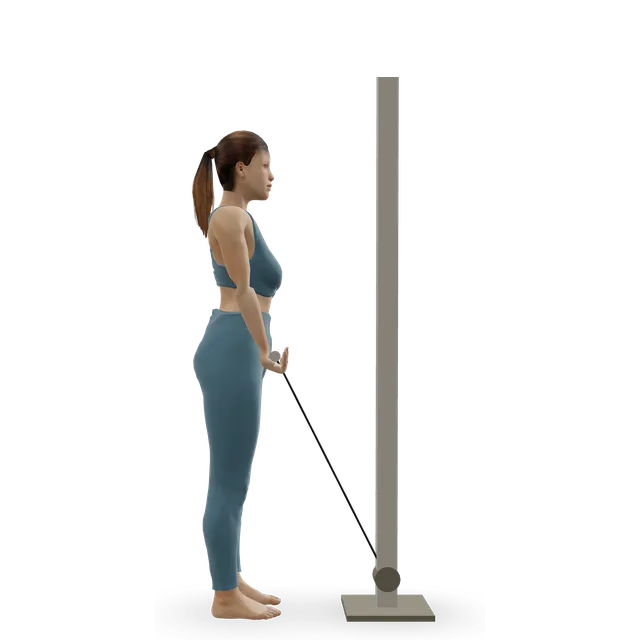
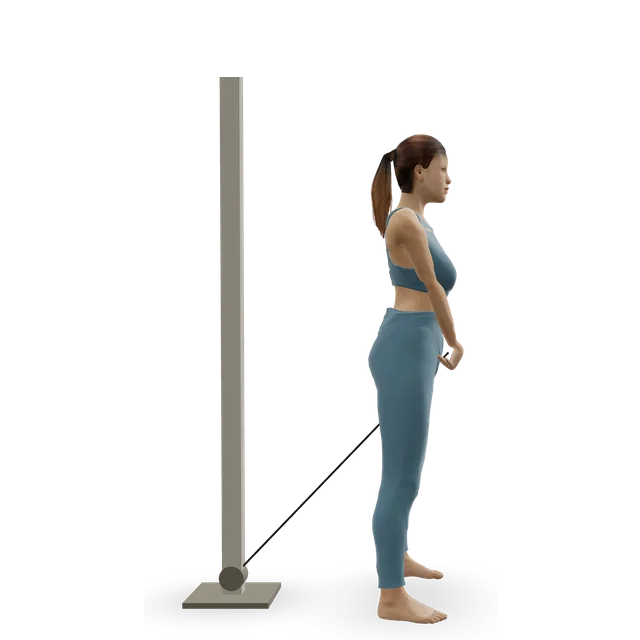
Check the cable, clips and pin before you start. A frayed cable or a clip that won't close means another station, as our cable machine guide says.
After heart, lung or breast surgery
After heart surgery through the breastbone, or a heart or lung transplant, follow your surgeon's advice before pushing, pulling or lifting with your arms.
After breast cancer surgery or reconstruction, follow your surgical team's advice on when you can lift your arm above shoulder height, or push, pull or lift with it.
After a recent shoulder dislocation, or shoulder or elbow surgery, follow your surgical team's limits first.
Before you start
Speak to your GP first if you haven't exercised for some time or have medical conditions or concerns, as the NHS advises. Get advice before hard or straining work if your blood pressure is uncontrolled (140/90 or higher at a clinic, or 135/85 at home), or you have heart disease or chest pain when you're active, a pacemaker or defibrillator, diabetic eye disease, glaucoma, a hernia, recent eye or tummy surgery, or you're pregnant, as our breathing guide lists.
With a pacemaker or defibrillator, the American Heart Association asks you to check with your doctor before upper-body strength training, because repeated arm movements can damage or dislodge the leads.
Sources 39, 23
Sore, or hurt?
Muscle soreness for a day or two after a new or harder session is common and fades. Sharp pain, or pain that builds during a set or lingers into the next day, isn't: swap to an easier version, and see a clinician if it persists, as our plans advise. The NHS says to stop exercising straight away if you feel any pain or become unwell, and to get help from 111 if symptoms worry you or don't go away.
Source 40