Fascia guide

Fascia and the menopause: oestrogen and connective tissue, aches and stiffness, frozen shoulder and heel pain, what the evidence shows, and what helps

Many women feel stiffer and achier in perimenopause and the years after the last period, and "tight" or "stuck" fascia is a common explanation online. Fascia cells do carry receptors for the hormone oestrogen, fewer after the menopause, and oestrogen affects collagen in skin, tendons and muscle.

The honest headline: no study has measured what happens to fascia itself through the menopause, the claim that it turns dry and sticky has nothing behind it, and hormone replacement therapy (HRT) made only a small difference to aches in the one large trial, a result found when the data were analysed afterwards. Strength training, regular activity and good sleep are what help, with rolling and stretching for comfort.

This guide explains what oestrogen does to connective tissue as far as research knows, how common aches and stiffness are around the menopause, what is and isn't known about frozen shoulder and heel pain in midlife, and what HRT, supplements, exercise and hands-on treatment do. Then it gives springy loading and strength moves with 3D demos, links the full menopause plans, and lists the signs that need a general practitioner (GP).

The short version

Fascia can respond to oestrogen

In fascia from 8 women, cells carried receptors for oestrogen and relaxin, fewer after the menopause, and in a dish hormone levels changed how much collagen fascia cells made. That shows fascia can respond to hormones, not what happens in your body.

Sources 1, 2

Nobody has measured fascia through the menopause

We found no study of fascia's stiffness, thickness, glide or water before and after the menopause. Older women had thicker lower back fascia and thinner leg fascia than young women, but that compares ages, not the menopause.

Source 3

Aches are common in these years

In surveys of 93,021 women, about 4 in 10 reported muscle or joint pain before the menopause and nearly 6 in 10 during and after it. The surveys can't separate the menopause from age, weight, sleep and mood.

Sources 4, 5

HRT made a small difference in one large trial

In the Women's Health Initiative (WHI) trial of oestrogen alone, joint pain was reported by 76.3% after a year against 79.2% on a placebo, in an analysis done after the trial. No large trial has tested HRT for menopausal aches as such.

Sources 6, 7

Strength and activity are what help

NICE, the National Institute for Health and Care Excellence, asks clinicians to explain the importance of keeping muscle mass and strength through physical activity, and the National Health Service (NHS) advises regular, weight-bearing exercise to build strength and protect bone. Rolling and stretching are for comfort.

Sources 8, 9

Some symptoms need a GP first

Bleeding after the menopause, swollen joints or long morning stiffness, or new stiffness in both shoulders over 50: the warning signs are near the end of this page.

Sources 5, 10

What changes in connective tissue

Hormone receptors in fascia

In fascia taken from 8 women aged 42 to 70 during orthopaedic surgery, every sample, and the fascia cells grown from them, carried receptors for oestrogen and for relaxin, another hormone, with fewer in the women past the menopause. In a dish, fascia cells made less type I collagen at the oestrogen level of mid-cycle than at the start of the cycle, and adding relaxin cut what they made. These are laboratory findings from a few people.

Sources 1, 2

Tendons and muscle

In 20 women past the menopause, those taking oestrogen built tendon collagen markedly faster and had less stiff tendons, with tendons of the same size. In a crossover study of 11 women, oestrogen patches didn't change tendon collagen building, but with exercise they raised it in muscle. A review concludes that oestrogen may help tendon collagen building during loading, while high levels may make tendons and joints laxer.

Sources 11, 12, 13

Skin

A 2013 review, quoting older studies, says skin loses about 2% of its collagen each year after the menopause, and that type I and III collagen may fall by as much as 30% in the first 5 years. These figures are about skin, not fascia.

Source 14

Fascia and age

In 35 healthy women, the younger group (about 22) had 12% to 26% thicker fascia in the lower leg, the front of the thigh and the belly wall, and the older group (about 69) had 40% to 77% thicker lower back fascia; thickness went with body weight and flexibility. A review links ageing with stiffer, less elastic fascia. Neither measured the menopause itself.

Sources 3, 15

Dry, sticky fascia?

Fascia responds to sex hormones, but no study has measured fascia's water through the menopause, as our fascia hydration guide says. We found none either.

Sources 1, 2

Aches and stiffness around the menopause

How common

Across 37 surveys of 93,021 women in 22 countries, muscle or joint pain was reported by 40% before the menopause, 57% in perimenopause and 59% after it, about 1.4 times as often around and after the menopause as before. The NHS lists muscle aches and joint pains among the symptoms of the menopause and perimenopause, and says joint pain can continue after the menopause; NICE lists joint and muscle pain too.

Sources 4, 5, 8

The menopause, or age, weight, sleep and mood?

The surveys were observational and varied a lot, so they can't separate the menopause from age, weight, sleep and mood, which all go with worse aches. A 2024 review proposed the name "musculoskeletal syndrome of menopause" for aches, muscle and bone loss and arthritis together, and estimated that over 70% of women have such symptoms; it is a proposal, not a diagnosis NICE or the NHS uses. Our joint pain in menopause guide covers the causes and the joints affected.

Sources 4, 16

Frozen shoulder and heel pain in midlife

Both are common in midlife. Frozen shoulder typically affects women aged 40 to 60, and the NHS names an injury or surgery that stops you moving your arm, and diabetes, among its causes. Plantar fasciitis is more likely between 40 and 60, the NHS says.

Whether the menopause itself raises the risk of either is unclear. In a pilot records study of 1,952 women aged 40 to 60, frozen shoulder was recorded in 3.95% of those using hormone therapy and 7.65% of those not, a difference that could have been chance. In focus groups with 17 women who had heel pain around the menopause, most hadn't linked the two, and the authors call any causal link uncertain. Our frozen shoulder and plantar fasciitis guides cover what helps.

Sources 17, 18, 19, 20

HRT, supplements and hands-on treatment

HRT and aches: one large trial, a small effect

In the WHI trial of oestrogen alone in 10,739 women past the menopause who'd had a hysterectomy, joint pain was reported by 76.3% after a year against 79.2% on a placebo, a modest difference that lasted through year 3, while joint swelling was a little more common with oestrogen (42.1% against 39.7%). These results come from analyses done after the trial. A 2026 review by a rheumatologist says there are no large randomised trials looking specifically at HRT as a treatment for menopausal joint pain.

Sources 6, 7

What the NHS and NICE say

The NHS lists HRT's benefits as relief of hot flushes, night sweats, sleep problems, anxiety and low mood caused by the menopause, and vaginal dryness, along with preventing osteoporosis and keeping muscle strength; joint pain isn't on the list. NICE says there is limited evidence that HRT may improve muscle mass and strength. Whether to take HRT is a decision about your menopause symptoms as a whole, made with a general practitioner (GP).

Sources 21, 8

Tendons

In records of 63,836 matched pairs of women aged 45 and over, those using HRT had slightly more recorded rotator cuff tears, tennis elbow and some other tendon problems, and the same rate of Achilles problems. A records study like this can't show that HRT caused them, and the authors call the differences modest.

Source 22

Supplements

The NHS advises talking to a doctor before taking herbal supplements or complementary medicines. Our collagen and fascia guide can't recommend collagen for fascia, and our joint pain in menopause guide found no trial of collagen for menopausal joint pain.

Source 9

Hands-on treatment

A review of manual therapy for musculoskeletal pain after the menopause found small trials, 245 women in all, that mostly reported less pain over 4 weeks to 6 months, but most were at high risk of bias. Hands-on work can ease pain for a while; it doesn't change hormones or rebuild collagen.

Source 23

What the evidence says

Fascia responds to hormones in the laboratoryEmerging evidence

Fewer oestrogen and relaxin receptors in fascia after the menopause in tissue from 8 women, and changes in collagen output with hormone levels in cells in a dish. No study has followed fascia through the menopause.

Sources 1, 2

Oestrogen and collagen in tendon and muscleEmerging evidence

Small studies of 20 and 11 women link oestrogen with faster tendon collagen building and, with exercise, more muscle collagen building. Whether this changes aches or injuries isn't known.

Sources 11, 12, 13

Aches are common around and after the menopauseStrong evidence

About 4 in 10 women before the menopause and nearly 6 in 10 during and after it, across 93,021 women, and the NHS and NICE list joint and muscle pain as menopause symptoms.

Sources 4, 5, 8

Whether the menopause causes themMixed evidence

The surveys can't separate the menopause from age, weight, sleep and mood, and the "musculoskeletal syndrome of menopause" is a proposed name, not a diagnosis.

Sources 4, 16

HRT for achesMixed evidence

One large trial found a small, post hoc difference in older women, no large trial has tested HRT for menopausal aches, and the NHS doesn't list joint pain among HRT's benefits.

Sources 6, 7, 21

Strength and activity for muscle and boneStrong evidence

NICE asks clinicians to explain the importance of keeping muscle mass and strength through physical activity, and the NHS advises regular, weight-bearing strength exercise to protect bone.

Sources 8, 9

Exercise for menopausal achesEmerging evidence

A rheumatologist's review recommends progressive resistance exercise with low-impact strength training for menopausal joint pain. No trial has tested exercise for menopausal aches as such, and we found none either; our joint pain in menopause guide borrows its plan from osteoarthritis, where exercise is a core treatment.

Source 7

Manual therapyEmerging evidence

Small trials in 245 women mostly reported less pain, with a high risk of bias and short follow-up.

Source 23

Frozen shoulder and heel painMixed evidence

Both are common in midlife, and whether the menopause itself raises the risk is unclear: the hormone therapy difference in frozen shoulder could have been chance, and the heel pain authors call a causal link uncertain.

Sources 17, 20

Where the evidence is thin

No study has measured fascia through the menopause, the symptom surveys can't separate the menopause from age, and the HRT results come from older women in analyses done after the trials. We read most studies' summaries (abstracts), not their full texts.

Heel drops: springy loading for tendons and bone

The dose is the move page's, which it credits to the UK osteoporosis consensus as expert advice, and says direct evidence for heel drops on their own is thin. Quick, springy loading is the fascial fitness idea, which our fascial fitness guide says hasn't been shown to remodel fascia; the NHS advises weight-bearing exercise to protect bone.

  1. Check first: leave these out with a sore heel or a stress fracture, and ask your GP first if you have osteoporosis or have had a spinal fracture.
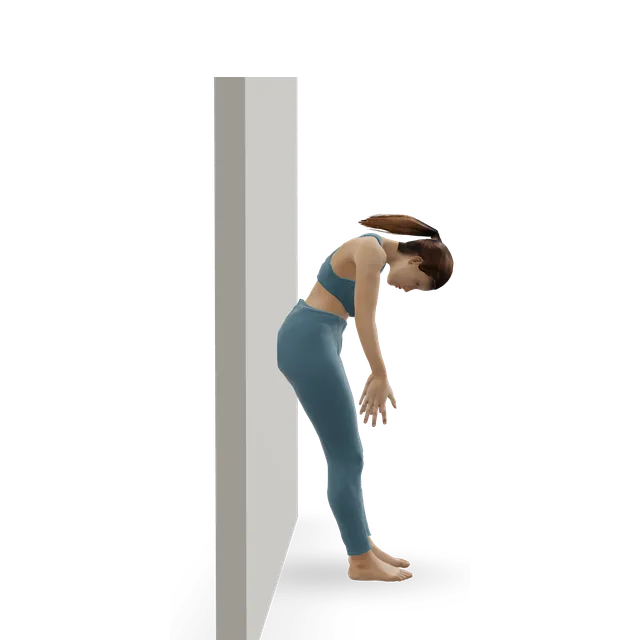
  2. Stand tall near a wall or counter, feet hip-width apart.
  3. Rise onto the balls of your feet.
  4. Drop your heels to the floor with a firm thump, keeping your knees soft.
  5. Do 20 to 30 at first, and build up over weeks towards about 50 on most days, for example 5 sets of 10.

Loading the 3D figure…

Gets into position, then repeats the movement. Technical checks passed; qualified exercise review is pending.

The movement on the figure: Heel drop (impact for bone)

What helps: doses

Each dose names its source or is our editorial starting point. Doses are starting points, not prescriptions.

Strength, 2 or 3 days a week

Band rows, 3 sets of 10 to 15, stopping 2 to 3 reps short of failure, with 60 to 90 seconds' rest: the move page's dose, which it calls an editorial starting point. Sit-to-stands, glute bridges and slow calf raises, 2 sets of 8 to 12: our editorial starting point, as in our exercise for the menopause guide.

Sources 8, 9

Walk or cycle most days

About 150 minutes a week of brisk walking or cycling is our exercise for the menopause guide's dose. The NHS advises regular exercise, and weight-bearing exercise such as walking for bone.

Source 9

Sleep and winding down

The NHS suggests plenty of rest with regular sleep routines, and relaxing things such as yoga, tai chi or meditation.

Source 9

Heel pain on your first steps

3 to 5 holds of 10 to 30 seconds, 2 to 3 times a day, starting before your first steps in the morning: the move page's dose, from the range used in trials. The NHS also suggests gentle stretches of the sole and heel, cushioned shoes and insoles.

Source 19

A stiff, painful shoulder

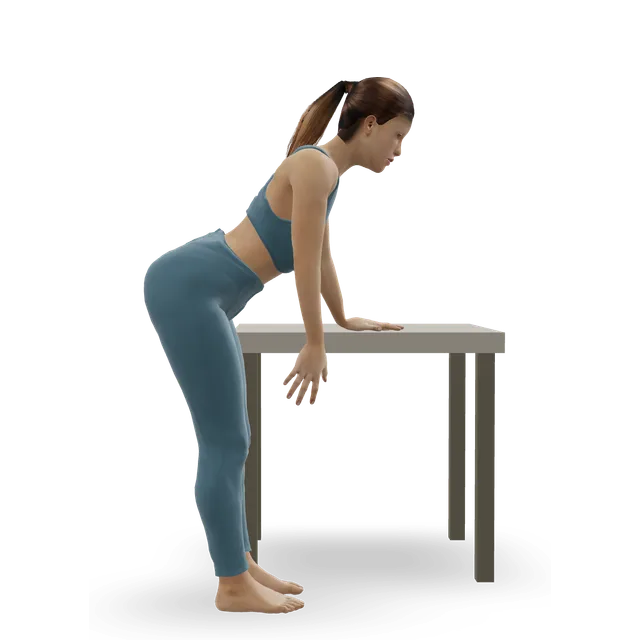
Pendulum swings, about 1 minute (10 small circles each way), 2 to 3 times a day, and table slides, 10 slow repetitions, 1 to 3 times a day: the move pages' doses, which they call editorial starting points. The NHS advises keeping the shoulder moving gently and seeing a GP if it doesn't go away.

Source 18

Rolling and stretching, for comfort

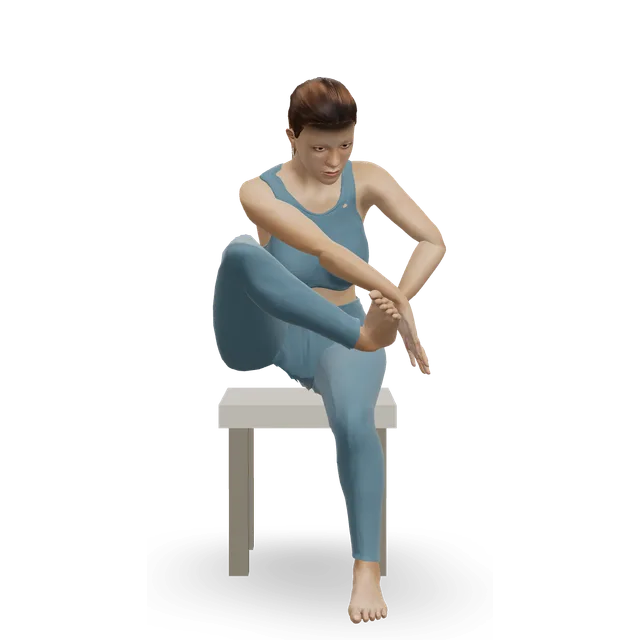
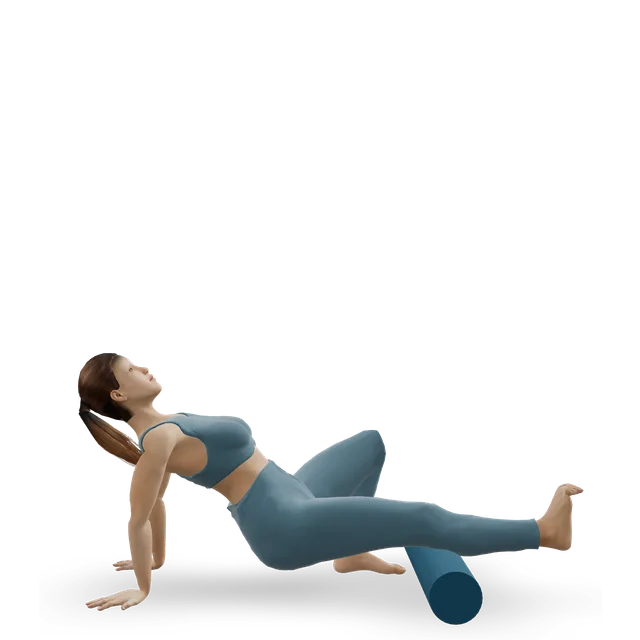
About 90 seconds for each muscle you roll, for example 2 or 3 slow rounds of 30 to 45 seconds: the rolling move pages' dose, from a review of rolling studies. A few slow cat-cow waves and spine turns each morning is our editorial starting point.

Strength and springy loading

Two or three days a week, building slowly; heel drops only once your heels are comfortable.

Stiffness, heels and shoulders

Gentle movement for morning stiffness, the heel stretch for first-step heel pain, and the shoulder moves for a stiff, painful shoulder.

Routines to follow

The yoga class and the bone workout cover strength, balance and winding down; the Pilates classes suit thinner bones.

Yoga for menopause: a 35-minute practice for strength, balance and winding down

Thirty-five minutes of standing strength, balance, back strengthening and a long relaxation for the menopause, with no deep forward folds or shoulder stands.

35 minBeginner15 movesFirm cushion

Bone-strengthening workout

Impact, strength and balance for stronger bones, following UK osteoporosis consensus advice, with options for every level.

40 minBeginner14 movesA kettlebell, Other / check instructions

Strength and balance exercises for seniors

A 40-minute strength and balance session for over-65s, built from the Otago home programme and NHS exercises, using a chair, a counter and a step.

40 minBeginner18 movesA bench or box, Something with weight

Beginner Pilates for over-50s

A 20-minute beginner mat Pilates session for over-50s with no deep or repeated rounding of the spine, plus back strengthening and standing balance.

20 minBeginner13 movesA wall

Pilates for osteoporosis: a mat class with safe swaps

A 25-minute Pilates workout for osteoporosis and osteopenia: the Royal Osteoporosis Society's swaps for rounding moves, plus back strength and balance.

25 minBeginner16 movesA wall, A bench or box

Plantar fascia routine

Plantar fascia and calf stretches, a gentle foot roll and the towel heel raise: the exercises the 2023 heel pain guideline supports.

8 minBeginner7 movesA bench or box, A massage ball

Fascia stretching routine

A 12-minute, no-equipment routine of slow long-line stretches, side bends and rotations, moving in many directions.

12 minBeginner10 movesNo equipment

Follow a plan

In perimenopause, the plan for women over 40; after the menopause, the plan for women over 50 adds balance to the bone work.

Rolling and pressure: who should take care

Thin bones

With osteoporosis, ask before rolling the upper back or ribs: the NHS notes that a cough or sneeze can sometimes break a rib. UK experts advise avoiding positions that round the spine a lot.

Source 24

Ask first

Keep the pressure light, or ask your doctor first, if you take blood thinners, which make bruising more likely, have very weak bones, or have a nerve condition such as peripheral neuropathy that leaves the skin numb: the NHS lists these among the reasons hands-on treatment such as osteopathy may not be safe. With osteoporosis, ask before sitting your full weight on a hard roller (our suggestion).

When to see a GP, and when to get urgent help

See a GP

  • Any vaginal bleeding after you haven't had a period for more than 12 months: see a GP, even if it only happened once, there was only a little blood, spotting, or pink or brown discharge, you have no other symptoms, or you're not sure it was blood. It's not usually serious, but it can be a sign of cancer, which is easier to treat if it's found early.
  • Joint aches around the menopause, with symptoms such as hot flushes, poor sleep or low mood: contact your GP if you want to know your options.
  • Swelling in several joints, or morning stiffness that lasts more than 30 minutes: see a GP. It can be an inflammatory arthritis such as rheumatoid arthritis rather than osteoarthritis.
  • Swollen, stiff joints in several fingers or both hands, with morning stiffness lasting more than 30 minutes. The National Institute for Health and Care Excellence (NICE) asks GPs to refer suspected rheumatoid arthritis urgently when the small joints of the hands or feet, or more than one joint, are affected, even if blood tests are normal.
  • See a GP if you have pain and stiffness for more than a week, especially if you're over 50, it's in both shoulders (often the neck and hips too) and the stiffness lasts longer than 45 minutes in the morning. It can be polymyalgia rheumatica.
  • See a GP if you have shoulder pain and stiffness that does not go away, or the pain is so bad it makes it hard to move your arm and shoulder. If you have diabetes, keep up your regular diabetes check-ups.
  • Aches with tiredness, feeling cold, weight gain, constipation or low mood: see a GP. NICE says that in women around the menopause, the symptoms of thyroid problems may be mistaken for the menopause.
  • Sudden new back pain after a minor fall, lift, cough or sneeze, from 50 or past the menopause, or if you take long-term steroid tablets; or height loss, a curved spine or a change in posture: see a GP. It can be a spinal fracture.
  • You're 50 or over, or past the menopause, and have broken a bone in a fall from standing height or less, or you take steroid tablets long term: ask your GP about a fracture risk assessment. NICE recommends offering a bone density (DXA) scan after a broken hip or spine from thin bones, or another major fragility fracture, such as a broken wrist or shoulder, in the last 2 years.

Sources 5, 10, 18

Urgent

  • Contact a GP immediately, go to 111.nhs.uk or call NHS 111: a new or frequent headache that usually comes on suddenly (your scalp may also feel sore or tender), pain in the jaw muscles or tongue when eating or talking, or problems with your sight, such as double vision or loss of vision in 1 or both eyes. With pain and stiffness around the shoulders, these can be signs of temporal arteritis (giant cell arteritis), which up to 1 in 5 people with polymyalgia rheumatica develop. If you suddenly can't see from 1 or both eyes, call 999 or go to A&E.
  • Ask for an urgent GP appointment or get help from NHS 111 if a joint is swollen and the skin around it feels hot or has changed colour, you have severe pain in one joint that started suddenly, you find it hard to move a joint, or you have joint pain and feel generally unwell, with a high temperature (although not everyone has one) or feeling hot, cold or shivery. It can be a joint infection or gout, which need treating quickly.
  • Throbbing pain in one leg (rarely both), usually the calf or thigh; swelling in one leg (rarely both); red, blue or darkened skin around the painful area, which may be harder to see on brown or black skin; or swollen veins. This can be a deep vein thrombosis (DVT). It is more likely after surgery, a hospital stay, 3 or more days in bed, a journey of over 4 hours, pregnancy or a recent birth, cancer, a previous clot, or contraception or hormone replacement therapy (HRT) containing oestrogen.

Sources 10, 25

Myths

"The menopause makes your fascia dry and sticky"Mixed evidence

Fascia responds to sex hormones, but no study has measured fascia's water through the menopause, and we found none either.

Sources 1, 2

"HRT fixes menopausal aches"Mixed evidence

In the one large trial, joint pain was 76.3% against 79.2% after a year, in an analysis done after the trial, and no large trial has tested HRT for menopausal aches. The NHS doesn't list joint pain among HRT's benefits. Decisions about HRT are made with a GP.

Sources 6, 7, 21

"The menopause causes frozen shoulder and plantar fasciitis"Mixed evidence

Both are common in midlife, but whether the menopause itself raises the risk is unclear.

Sources 17, 20

"Fascia release is the answer to menopausal stiffness"Mixed evidence

Rolling, stretching and hands-on work ease stiffness for a while. Strength and activity keep muscle and bone, which NICE asks clinicians to explain.

Sources 8, 23

"Collagen supplements rebuild your fascia after the menopause"Mixed evidence

Our collagen and fascia guide can't recommend collagen for fascia, we found no trial of collagen for menopausal aches, and the NHS advises talking to a doctor before taking supplements.

Source 9

"Menopause aches mean you have musculoskeletal syndrome of menopause"Mixed evidence

A 2024 review proposed the name. NICE and the NHS describe joint and muscle pain as menopause symptoms and don't use the term.

Sources 16, 8, 5

Questions people ask

Does the menopause affect fascia?

Fascia cells carry receptors for oestrogen, fewer after the menopause, and in a dish hormone levels change how much collagen they make. No study has measured what happens to fascia itself through the menopause.

Can perimenopause cause tight fascia?

Many women feel stiffer in these years, and muscle and joint aches are common. Whether fascia is the cause hasn't been studied, and age, weight, sleep and mood all play a part.

Does the menopause dehydrate fascia?

No study has measured fascia's water through the menopause, so the claim is a guess, as our fascia hydration guide says. Fascia does carry hormone receptors, but that doesn't show it dries out.

Why do I ache more around the menopause?

About 4 in 10 women report muscle or joint pain before the menopause and nearly 6 in 10 during and after it. Lower oestrogen may play a part, alongside age, weight, poor sleep and low mood; our joint pain in menopause guide covers the causes and the signs to check.

Does HRT help joint pain or stiffness?

In the one large trial, joint pain fell a little, from 79.2% to 76.3%, in an analysis done after the trial, and no large trial has tested HRT for menopausal aches. Whether to take HRT is a decision about your menopause symptoms as a whole, made with a GP.

Is frozen shoulder linked to the menopause?

Frozen shoulder typically affects women aged 40 to 60, but whether the menopause itself raises the risk is unclear. Our frozen shoulder guide covers what helps, and the NHS names diabetes among its causes.

Is plantar fasciitis linked to the menopause?

It's more likely between 40 and 60, but whether the menopause itself raises the risk is unclear. Our plantar fasciitis guide covers what helps.

Do collagen supplements help fascia after the menopause?

We can't recommend them for fascia, and we found no trial of collagen for menopausal aches. The NHS advises talking to a doctor before taking supplements, and strength work is what loads connective tissue.

What exercise helps menopausal stiffness?

Strength training on 2 or 3 days a week, regular walking or cycling, daily movement and, if it suits you, impact for bone, as our exercise for the menopause guide sets out. Rolling and gentle stretching can ease stiffness for a while.

Does fascia release help a menopause belly?

No. Belly fat around the menopause is fat, not tight fascia, and more total activity reduces it, as our exercise for the menopause guide explains.

What is the musculoskeletal syndrome of menopause?

A name proposed in a 2024 review for aches, muscle and bone loss and arthritis around the menopause. NICE and the NHS describe joint and muscle pain as menopause symptoms but don't use the term.

When should I see a GP?

For any bleeding after the menopause, swollen joints or morning stiffness over 30 minutes, new pain and stiffness in both shoulders over 50, or if you want to know your options about HRT. Get help the same day for a hot, swollen joint, a swollen, painful calf, or a new headache with jaw pain or problems with your sight.

Sources

  1. Fede 2016 · Hormone receptors in human fascia (laboratory study of samples from 8 women, European Journal of Histochemistry)
  2. Fede 2019 · Sex hormones and what fascia cells make (laboratory study, PLOS ONE)
  3. Wilke 2019 · Fascia thickness in younger and older women (study of 35 women, Journal of Anatomy)
  4. Kruse 2026 · Muscle and joint symptoms around the menopause in 93,021 women (systematic review and meta-analysis, JBJS Open Access)
  5. NHS · Symptoms of menopause and perimenopause
  6. Chlebowski 2013 · Oestrogen alone and joint symptoms in 10,739 women: the Women's Health Initiative (randomised trial, Menopause)
  7. Manno 2026 · Joint pain and menopause (clinical review, Menopause)
  8. NICE NG23 · Menopause: identification and management (last updated April 2026)
  9. NHS · Things you can do to help menopause and perimenopause symptoms
  10. NHS · Polymyalgia rheumatica (past its review date: reviewed April 2023, review due April 2026)
  11. Hansen 2009 · Oestrogen use and tendon collagen in women after the menopause (study of 20 women, Journal of Applied Physiology)
  12. Pingel 2012 · Oestrogen patches and collagen building in tendon and muscle after the menopause (randomised crossover study of 11 women, Journal of Applied Physiology)
  13. Hansen & Kjaer 2016 · Sex hormones and tendon (review, Advances in Experimental Medicine and Biology)
  14. Thornton 2013 · Oestrogens and ageing skin (review, Dermato-Endocrinology)
  15. Zullo 2020 · How fascia, muscle and nerves change with age (review, Frontiers in Physiology)
  16. Wright 2024 · The musculoskeletal syndrome of menopause (narrative review, Climacteric)
  17. Reinke 2026 · Hormone therapy and frozen shoulder (pilot records study of 1,952 women, Climacteric)
  18. NHS · Frozen shoulder
  19. NHS · Plantar fasciitis
  20. Douglas-Harris 2026 · The menopause and heel pain: women's experiences (focus groups, Journal of Foot and Ankle Research)
  21. NHS · Benefits and risks of hormone replacement therapy (HRT) (past its review date: reviewed February 2023, review due February 2026)
  22. Bcharah 2026 · Hormone replacement therapy and tendon injuries in women aged 45 and over (matched records study, Orthopaedic Journal of Sports Medicine)
  23. Espírito Santo 2024 · Manual therapy for musculoskeletal pain after the menopause (systematic review, Healthcare)
  24. NHS · Osteoporosis (past its review date: reviewed October 2022, review due October 2025)
  25. NHS · DVT (deep vein thrombosis)

Movement education, not medical advice. Stop for sharp or increasing pain, numbness or tingling, and get individual advice if you are pregnant, after an injury or surgery, or managing a health condition. Health disclaimer.