Alternate-leg bounding
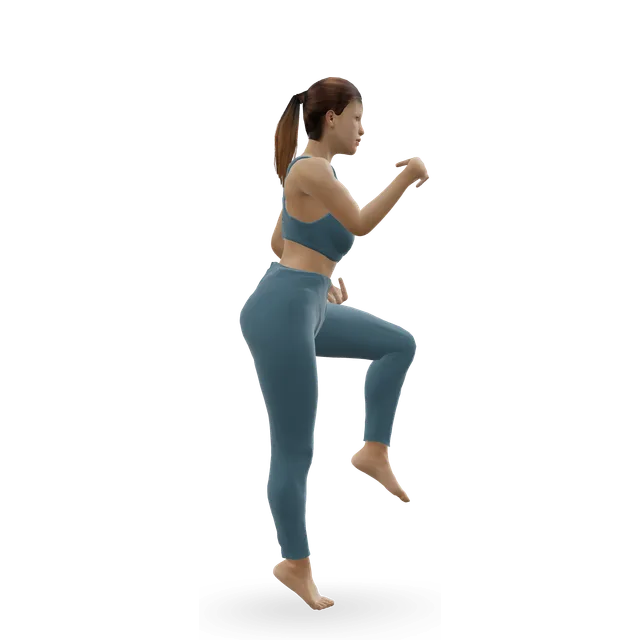
Running in exaggerated leaps from one leg to the other, the knee driving up and a long float between landings: bounding straight ahead, with a higher landing force than skipping.
Skip to bound family
Alternate-leg bounding
Loading the 3D figure…
Source-researched guide.
How to move
- From a jog, push off hard from the ball of one foot as the other knee drives up to hip height and the opposite arm swings forward.
- Float with the legs split, the push-off leg trailing long behind.
- Land on the front foot under the hip with the knee soft, and drive straight into the next bound off that leg.
Form cues
- Drive the knees and arms, and reach for distance rather than height.
- Land under a tall body with an active foot, not out in front.
Practice and cautions
No universal dose is assigned. Choose a manageable amount for your current capacity, leave room for controlled repetitions, and allow recovery. A clinician’s individual plan takes priority.
High hamstring and calf demand, so warm up thoroughly and avoid it with a recent hamstring, calf or hip flexor strain. This is movement education, not an assessment or treatment prescription. Stop for sharp or increasing pain, dizziness, numbness or tingling; seek individual guidance for symptoms, injury or restrictions.
Sources and review status
Sources support the educational description; they do not establish that this exercise is suitable for you.
- Kossow 2014 · Horizontal plyometric intensity (skipping the lowest landing force, below bounding; ISBS) ↗
- Buckthorpe & Della Villa 2021 · Plyometric training after ACL reconstruction (low, moderate, high and very high intensity stages; IJSPT) ↗
- Davies 2015 · Current concepts of plyometric exercise (beginner, intermediate and advanced drills; two-hand before one-hand throws; IJSPT) ↗
No variation is labeled clinically validated.
What it works
Muscles
Main: Glutes, Quads, Calves. Also: Hamstrings, Hip flexors.
Anatomy: Gluteus maximus, Piriformis, Obturator internus, Sartorius, Quadriceps, Rectus femoris.
Equipment
None: body weight and floor space.
Level
Advanced. See the easier and harder options above.
Workouts that use it
- Plyometrics for runners · 20 min
- FIFA 11+ warm-up · 20 min
- Activate rugby warm-up: the adult sample phase · 25 min
- Return to running after birth: readiness checks and strength · 25 min
- Netball warm-up: the KNEE programme · 20 min
- Badminton injury prevention warm-up · 20 min
- Gaelic games warm-up (built on the GAA 15) · 15 min
- Jumps warm-up: landings, take-offs and run-ups before the long, triple and high jump and pole vault · 20 min
- Australian football warm-up: built on Prep to Play, for every session and match · 10 min
Pain guides that use it
Part of a staged plan, with when to get help first.
Guides that use it
Similar moves
Browse more
Questions people ask
What muscles does the Alternate-leg bounding work?
Mainly the glutes, quads and calves, with help from the hamstrings and hip flexors.
What equipment do I need for the Alternate-leg bounding?
No equipment: your body weight and a little floor space.
Is the Alternate-leg bounding good for beginners?
It is an advanced move. Build up to it with the Skipping first.
What is an easier alternative to the Alternate-leg bounding?
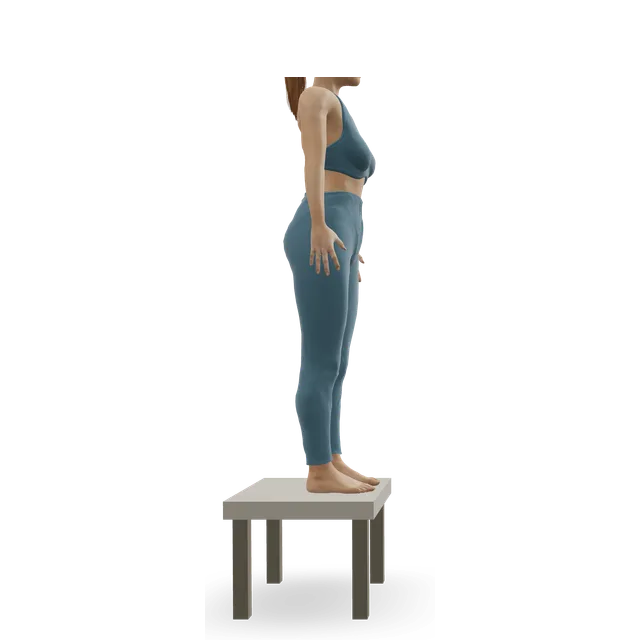
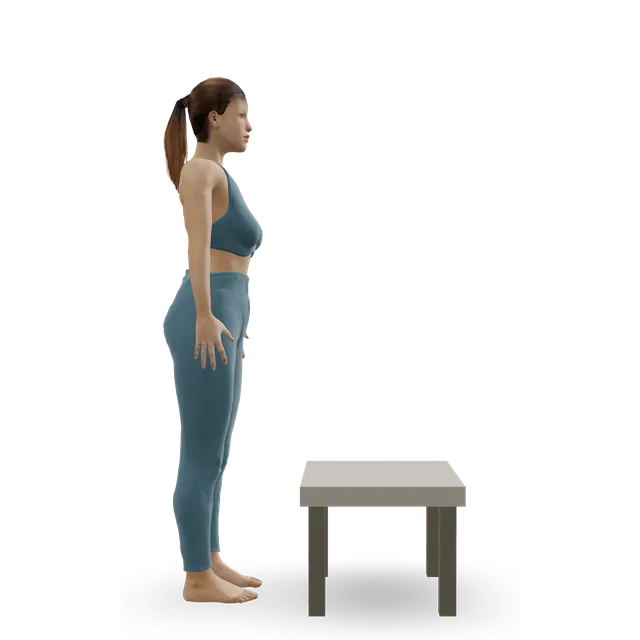
Try the Skipping or the Box drop landing. Both are written steps in the same progression.
How do I make the Alternate-leg bounding harder?
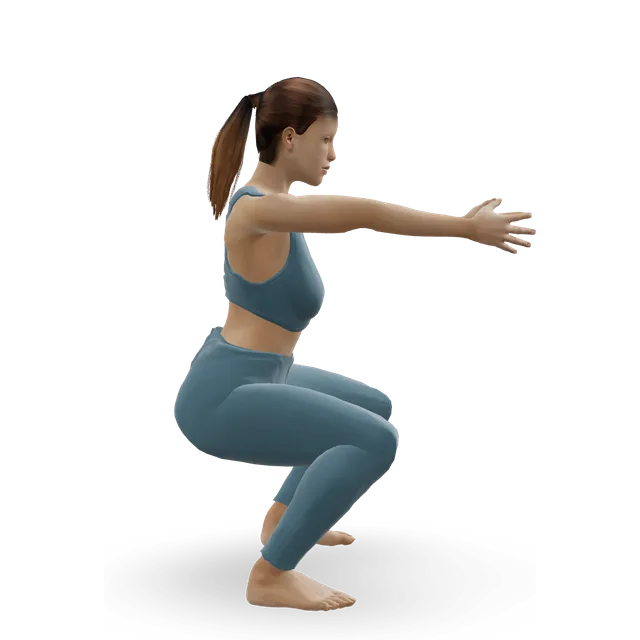
Progress to the Diagonal bounds or the Shrimp squat. Follow that guide’s technique and any stated timing.