Training guide

How to do sled drags: backward (reverse), forward and harness drags, sled pulls and rows, how heavy, your knees, and a first session

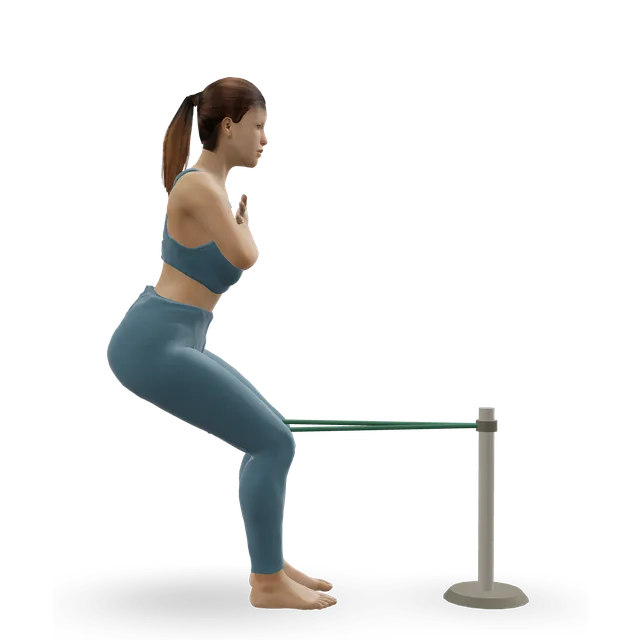
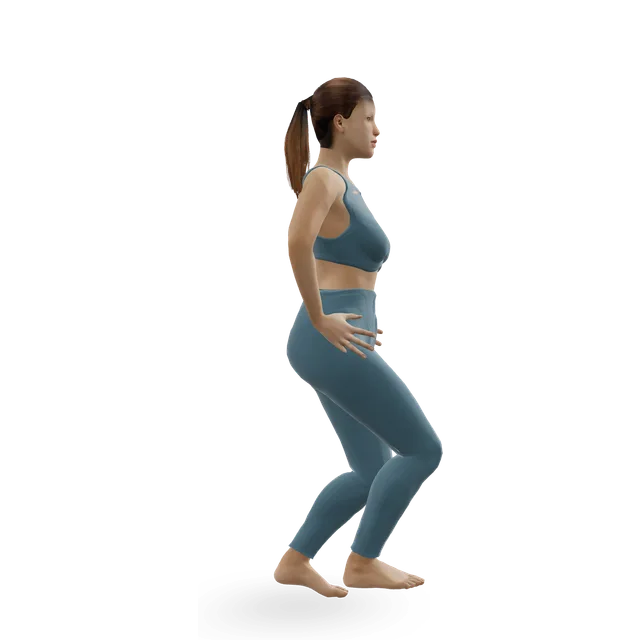
To do a backward sled drag, face a lightly loaded sled with the straps in your hands, sit your hips down a little, and walk backwards with short steps, pushing through the front of each foot. For a forward drag, clip the sled to a harness or belt, or hold the straps, and lean into it. Start with 4 to 6 drags of 20 to 30 metres, and check the lane behind you every time.

Sled drags are hard work with little soreness, because the sled only resists: there's almost no lowering. Walking backwards eased knee arthritis pain as part of rehabilitation in trials, though no better than walking forwards, and no study has tested sled drags for knee pain. The floor changes how heavy a sled feels more than the plates do.

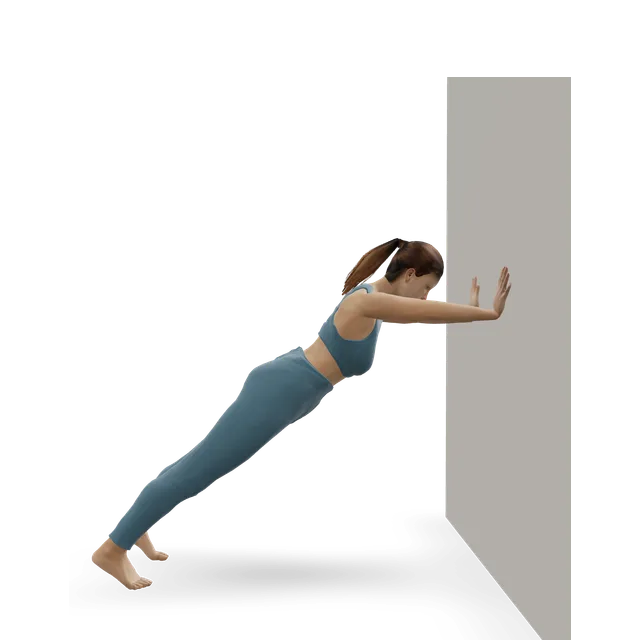
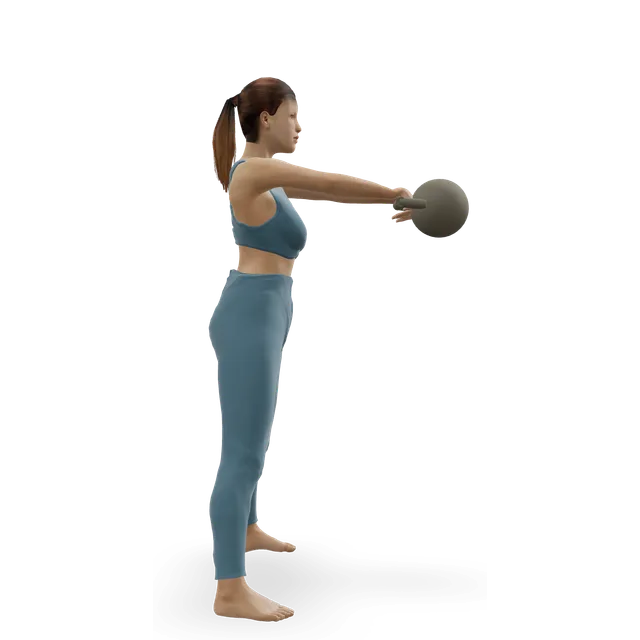
This guide covers backward, forward and harness drags and the rope sled pull step by step on the 3D figure, what they work, how heavy, your knees, soreness, the Hyrox sled pull, and a first session.

The short version

Four ways to drag a sled

Backward: face the sled, hold the straps and walk backwards. Forward: a harness or belt, or the straps in your hands, with the sled behind you. The rope pull: stand still and pull the sled to you hand over hand, as in the Hyrox race. Sled rows and reverse flys use your arms. Pushing a sled is a different exercise with its own guide.

Source 1

Backward drags work the front of your thighs, with little lowering

Going backwards, the thigh muscles work mostly by squeezing and shortening, with little braking, and walking backwards roughly doubled front-thigh activity against walking forwards at the same slow speed. The sled adds the load.

Sources 2, 3

Kinder to the kneecap for most people, but no cure

Running backwards cut the force behind the kneecap by about a quarter at the same speed, though not in 3 of 17 people, and no study has measured the knee in a loaded drag. Added to knee arthritis rehabilitation, backward walking eased pain across 13 trials, but it was no better than walking forwards when the two were compared.

Sources 4, 5, 6

Hard work, little damage

A hard session of backward drags (5 sets of two 20 m drags at 75% of body weight) sent blood lactate to 12.4 mmol/L in strength-trained men, but didn't raise a blood marker of muscle damage, and their jumping power was back within 3 hours. Soreness comes mainly from lowering work, which sleds lack.

Sources 7, 8

Set the load by the floor and the speed, not the plates

Sled friction ranged from 0.21 to 0.58 across four sports surfaces, so the same sled can feel nearly three times as heavy on one floor as another, and the researchers advise trial and error. By our arithmetic, keeping a sled sliding takes a pull of about a third of its weight in one test, and more than half on a grippy athletics track.

Sources 9, 10

Start light, and check behind you

4 to 6 drags of 20 to 30 metres with a light to moderate load, resting 1 to 2 minutes: the backward sled drag move page's dose, our editorial starting point. Once or twice a week, when your legs are fresh, as our sled workout advises, and clear the lane behind you before every backward drag.

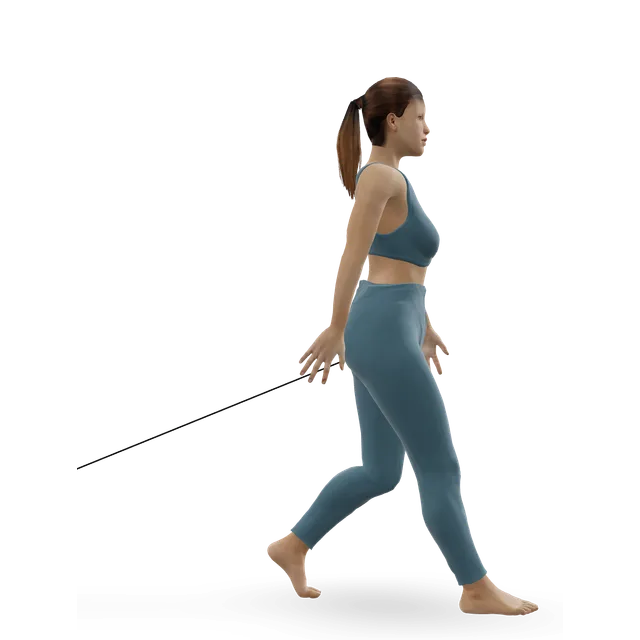
How to do a backward (reverse) sled drag, step by step

Our backward sled drag move page's steps, cues ("Short steps, soft knees, a steady pace"; "Your legs move the sled; your arms only hold on") and caution ("Clear the lane behind you before every drag"), with the lane check made a step of its own (editorial). The fast backward drag is the same with short, quick steps and a load you can move briskly.

  1. Load the sled lightly and attach a strap or handles. Face the sled, hold the handles with straight arms and walk back until the strap is taut.
  2. Look over your shoulder and check that the lane behind you is clear.
  3. Sit your hips down a little, knees bent and chest up, and lean back gently against the pull.
  4. Walk backwards with short steps, pushing through the front of each foot and straightening the knee as you drive.
  5. Keep a steady pace, your arms long and your legs doing the work; don't twist round to look behind you once you're moving.
  6. Keep going for the set distance, then stop, rest and walk back to the start.

Loading the 3D figure…

Gets into position, then repeats the movement. Technical checks passed; qualified exercise review is pending.

The movement on the figure: Backward sled drag

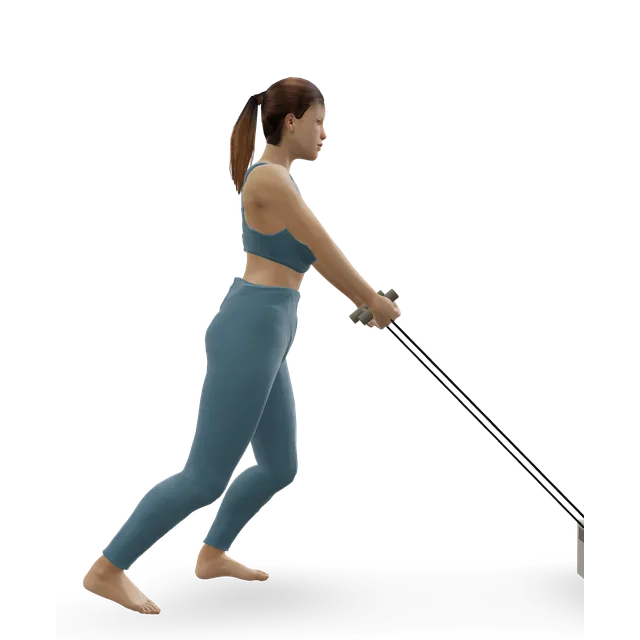
How to do a forward (harness) sled drag, step by step

Our harness sled drag move page's steps, cues ("Lean into the strap"; "Push the ground back, not down"; "Avoid: bending at the waist; lean with the whole body") and caution.

  1. Load the sled and clip its strap to a harness or a weight belt at your hips, or hold the handles at your sides.
  2. Walk forward until the strap is taut, using a strap long enough that the sled can't catch your heels.
  3. Lean forward from the ankles with your body in a straight line, arms ready to swing.
  4. Drive each leg back into the ground, straightening the hip and knee, with short, powerful steps.
  5. Keep going for the set distance, then stop and unclip. To drag backwards in a harness, face the sled and lean back instead.

Loading the 3D figure…

Gets into position, then repeats the movement. Technical checks passed; qualified exercise review is pending.

The movement on the figure: Harness sled drag

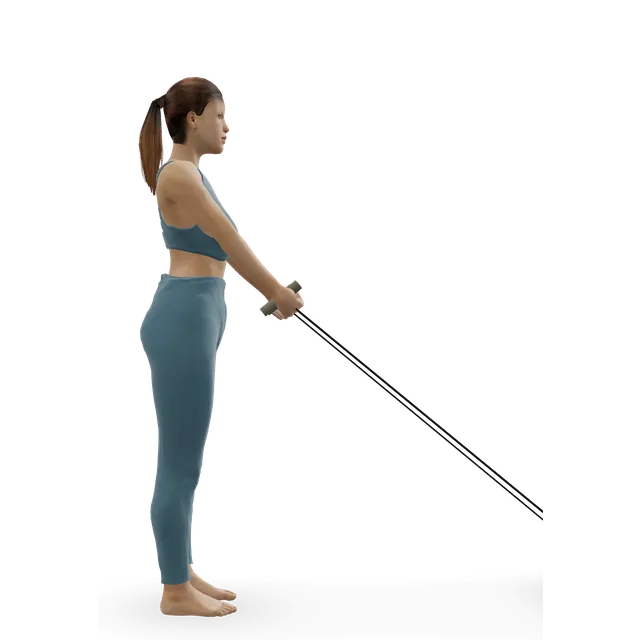
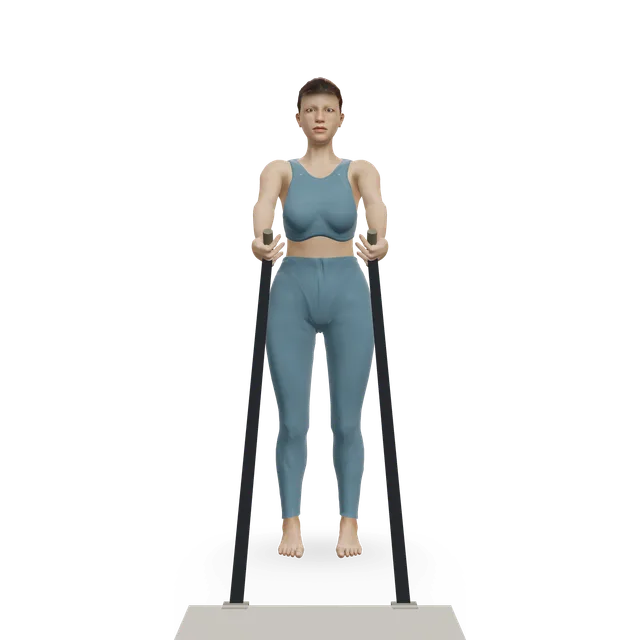
The rope sled pull and the sled row

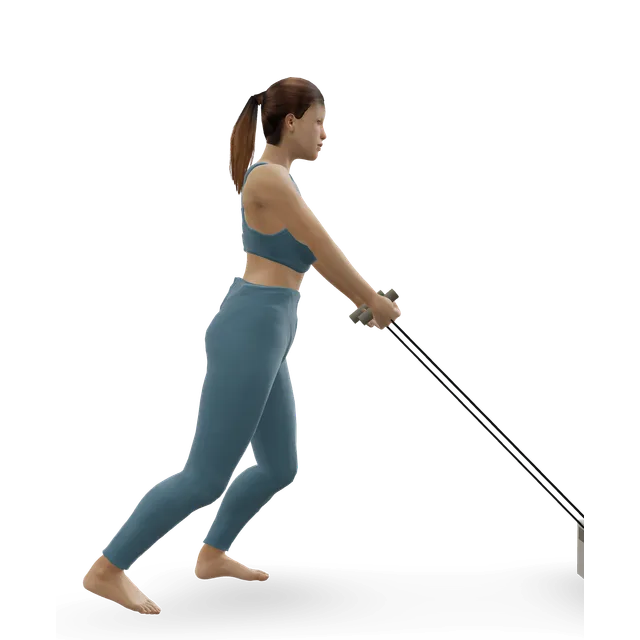
The sled row steps are our move page's ("Row with the arms and back; don't lean back to drag it"). The figure shows the row; the hand-over-hand rope pull has no 3D demo, and its cues are coaching practice (our editorial wording). In Hyrox, "the racer must remain standing"; kneeling or sitting to pull isn't allowed.

  1. Attach a rope, or two handles on a rope, to a loaded sled. Face the sled and back away until the rope is taut.
  2. Stand with your feet apart and your knees slightly bent, chest up, hips a little back.
  3. Sled row: start with straight arms and row the handles to your sides, squeezing your shoulder blades back, then step back to take up the slack.
  4. Rope pull: pull the rope in hand over hand, one arm after the other, keeping your trunk upright and the rope running down beside you rather than under your feet.
  5. Keep standing tall the whole way; when the sled is close, reset your feet and carry on, or walk it back to the start.

Loading the 3D figure…

Gets into position, then repeats the movement. Technical checks passed; qualified exercise review is pending.

The movement on the figure: Sled row

What sled drags are, and what they work

The sled and the versions

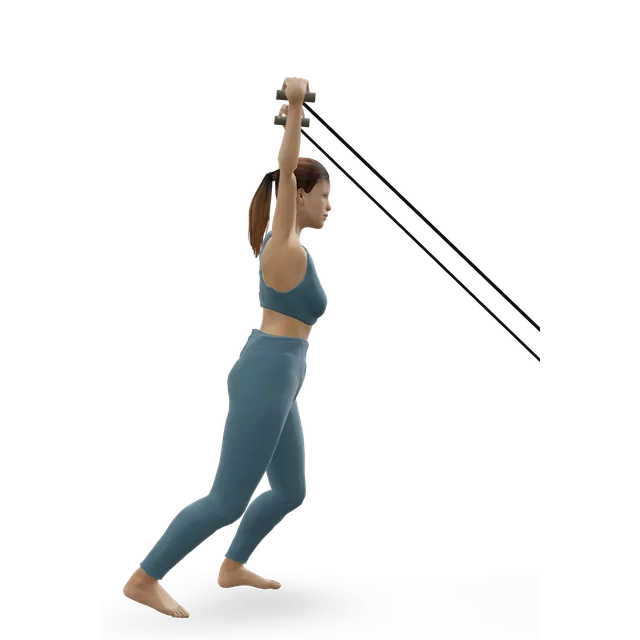
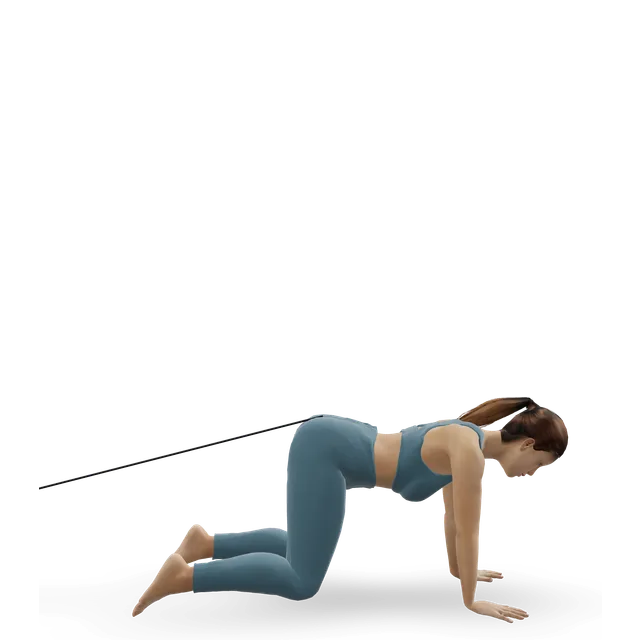
A weighted sled (often the same sled you'd push) dragged by a strap, rope or harness. Backward drags face the sled; forward and harness drags have it behind you, and heavy ones look like a sprint start; the rope pull, as in the Hyrox race, has you stand still and haul the sled in. Rows, reverse flys, overhead walks and bear crawl drags are variations on the figure. "Prowler" usually means the push.

Sources 1, 11

Backward drags: the front of the thigh

In backward running, the thigh muscles worked "largely eccentric and concentric during FR and isometric and concentric during BR" (eccentric means lengthening under load, isometric holding, concentric shortening), and in backward walking their activity shifted into the stance. Walking backwards at 3 km/h raised front-thigh (VMO) activity from about 25% to 51% of maximum in women with kneecap pain, and from about 28% to 43% in healthy women. Unloaded, the ankle does most of the pushing; with a sled, your knee straightens against the load as you drive.

Sources 2, 12, 3, 13

Forward drags: hips and legs, like a sprint start

A heavy forward sled pull (171 kg, 6 trained people) looked like the acceleration phase of sprinting, with shorter steps, longer foot contacts and a flatter trunk; in 33 athletes, heavier sleds bent the hips, knees and ankles more and leaned them further forward.

Sources 11, 14

Rows and rope pulls: back, arms and grip

They work your upper back, arms and grip, with your legs bracing. We found no muscle-activity or training study of them; the only study of a hand-over-hand sled pull filmed 3 wheelchair athletes.

Source 15

Before you start

The move pages ask for comfortable walking backwards without a load before the backward drag, a light backward drag before the fast one, a steady bear crawl before the crawl drag, and a comfortable overhead reach before the overhead walk. The harness drag needs nothing but a light sled.

How people differ

The load that slows each person by a set amount varies a lot: in 70 schoolboys on artificial turf, slowing them by 10% took 14 to 21% of their body weight, and by half took 71 to 107%. Kneecap force fell running backwards in most people but not in all.

Sources 16, 4

Your knees

Backward running lowered the force behind the kneecapEmerging evidence

In 5 joggers at their own chosen speeds, peak force behind the kneecap was 3.0 times body weight running backwards against 5.6 forwards, though they ran backwards more slowly. At matched speeds in 17 adults it was 3.4 against 4.5 times body weight, 27% lower, but "Results were not consistent in all subjects": 3 didn't drop.

Sources 17, 4

Unloaded backward walking is easy on the kneeEmerging evidence

In 24 young adults, the knee did far less work walking backwards than forwards. In 32 people with knee arthritis, walking backwards lowered the first peak of the twisting load on the inner knee (0.26 against 0.39 Nm/kg) but asked more of the thigh muscles than walking forwards at the same speed.

Sources 18, 19

Backward walking in knee arthritisEmerging evidence

In 68 adults with knee arthritis, 6 weeks of backward walking (10 minutes building towards 30, 3 days a week) on top of physiotherapy beat physiotherapy alone for pain, function and thigh strength, but it was no better than forward walking. Across 13 trials, adding backward walking to rehabilitation eased pain and disability; the authors want more trials of it on its own. In 34 adults over 12 weeks, it matched forward walking.

Sources 6, 5, 20, 21

After knee surgeryEmerging evidence

In 52 people after an ACL reconstruction, 4 weeks of treadmill backward walking improved their sense of the knee's position more than rehabilitation alone. Follow your surgical team's plan.

Source 22

What no one has tested

We found no study of knee forces or thigh muscle activity in a loaded backward sled drag, and no trial of sled drags for knee pain. So "kinder to the knee" is our reading of the unloaded studies, not a tested fact, and it doesn't hold for everyone.

What to do with sore knees

Start with backward walking, then a light backward drag with short steps, and keep within our knee guides' pain rule: up to 5 out of 10 if your knee is back to normal by the next morning, and 3 or less for tendon pain just below or above the kneecap. Sharp, catching or giving-way pain, or new swelling, means stop.

What else the evidence says

The one backward drag session studyEmerging evidence

11 strength-trained men did 5 sets of two 20 m maximal backward drags at 75% of body weight. Blood lactate rose from 1.7 to 12.4 mmol/L, jumping power fell from 4,445 to 3,464 watts and was back within 3 hours, and "No changes in CK levels were seen at any time point" (creatine kinase, a blood marker of muscle damage).

Source 7

Towing a sled builds jumping and sprinting in young athletesEmerging evidence

In 115 boys aged 13 to 15, 8 weeks of backward or forward sled towing (20 to 55% of body weight, twice a week) improved jump height and leg stiffness against PE lessons, and backward towing also improved 10 and 20 m sprints. Six weeks of uphill backward walking and running improved leg strength and power in 37 recreational athletes, with no active comparison group.

Sources 23, 24

Heavier sleds load the low back moreEmerging evidence

In 9 men towing a sled forwards, backwards and sideways, low-back compression reached 4,378 newtons and rose with the load. Build loads up gradually.

Source 25

Sleds for speed: the first few metresMixed evidence

Across 13 studies, sled training improved acceleration but wasn't better than the same sprints without a sled. Across 49 studies (1,281 people, 90% of them men), moderate (20 to 50% of body weight) and very heavy (80% or more) sleds beat plain sprints, mainly in trained athletes, and the authors say light sleds or none are probably enough for recreational players. Our sprint guide covers sleds for speed.

Sources 26, 27, 28, 29

Sled trials in team-sport playersMixed evidence

Very heavy sleds (80% of body weight) improved horizontal pushing force more than plain sprints in a pilot trial of 16 amateur footballers; 30% body weight sleds matched plain sprints in 13 professionals; and light sleds (12.6% of body weight) beat plain sprints over 10 and 30 m in 26 rugby players. A 2026 analysis of 12 studies found a small benefit and no clear effect of load, distance or surface.

Sources 30, 31, 32, 33

A few drags before a sprint don't speed it upEmerging evidence

In 18 trained men, backward or forward sled tows didn't make the next 5 m sprints faster.

Source 34

Strongman and fitness racingEmerging evidence

A strongman session with a 200% body weight harness drag over 12 m used about as much energy as a traditional weights session in 10 men (8.9 against 9.1 kcal a minute), and 7 weeks of strongman training worked about as well as traditional training in 30 rugby players. In a simulated Hyrox race, the sled pull took 11 recreational racers a median of 155 seconds.

Sources 35, 36, 37

Injuries: no sled-specific countsEmerging evidence

We found no study counting sled injuries. In 213 strongman athletes, 82% reported an injury in a year, and training with strongman implements was 1.9 times more likely to injure, allowing for time spent; weight-training sports have low injury rates compared with team sports. In 89 Hyrox athletes followed for 12 weeks there were 14.4 injuries per 1,000 hours, mostly overuse and most often the knee; the authors wondered whether gripping stations such as the sled pull played a part in elbow problems, from 2 people. No injury at two fitness racing events was put down to a sled, though the paper doesn't say which events used them, and a survey of 418 Hyrox athletes (a preprint, not yet peer reviewed) found half had an injury in a year, the knee most often.

Sources 38, 39, 40, 41, 42

Upper-body sled work: no studies

We found no study of standing sled rows, reverse flys or rope pulls. A coaching article in the journal of the NSCA (the US National Strength and Conditioning Association) uses handles on a 6 to 8 foot rope for sled drills, backward-walking pulls among them.

Sources 15, 43

How heavy: floors, friction and speed

The floor changes the loadEmerging evidence

Friction was 0.58 on a rubber-crumb athletics track, 0.45 on grass, 0.35 on artificial football turf and 0.21 on a hockey pitch, and closer to 0.6 in practice on bumpy pitches, the researchers estimated. They "recommend that coaches use a trial-and-error approach to finding the most appropriate sled weight". On an athletics track, friction also changed with speed.

Sources 9, 44

What that means for you (our arithmetic)

The pull needed is roughly the friction times the sled's total weight. In one test, starting a sled took about 0.43 of its weight and keeping it sliding 0.33, so a 100 kg sled needs about 33 kg of pull to keep moving there, and anything from about 21 to 58 kg across the four surfaces above. Compare loads only on the same floor.

Sources 10, 9

Each person's load differsEmerging evidence

In 70 schoolboys, "the load required to cause a given Vdec is highly individualized" (Vdec is the drop in top speed). The sled load that gave the most power in 27 athletes was about 80% of body weight, far heavier than old sprint guidelines.

Sources 16, 45

Our editorial starting point

Light enough that you can walk steadily with short steps and your chest up (backward), or keep a straight line from head to heels (forward). Add load when 20 to 30 m feels smooth. For speed, keep it light enough that you still move fast, as our sprint guide says. Some pages suggest half your body weight to start; on a grippy floor that's a heavy drag.

The Hyrox sled pull

In the 2026/27 singles rulebook: 50 m as 4 lanes of 12.5 m, pulled in by rope from a box, at 78 kg including the sled for women, 103 kg for Women Pro and men, and 153 kg for Men Pro; "it is not permitted to pull the sled from a seated or kneeling position". The sled in the race study differed from the race sled. Our Hyrox page has the whole race.

Sources 1, 37

Soreness and recovery

Little lowering, little sorenessEmerging evidence

In a classic study, "Pain and tenderness developed only in the muscle which had contracted eccentrically", peaking at about 48 hours, and unfamiliar lowering work is the known cause of delayed soreness. Flat sled drags are almost all shortening work, which is why the backward drag session above didn't raise the damage marker.

Sources 8, 46, 7

Downhill backward walking is differentEmerging evidence

An hour of walking backwards downhill (lowering work) caused soreness, a damage-marker rise and about a 25% loss of strength in 20 adults.

Source 47

Sled sprints aren't damage-freeEmerging evidence

After 8 sprints of 20 m at 0 to 80% of body weight, creatine kinase rose moderately at 24 hours at every load, including no sled, with no difference between loads. After 12 sprints with light or heavy sleds, power and speed were back within 24 hours.

Sources 48, 49

Common mistakes and how to fix them

Not checking behind you

Clear the lane behind you before every backward drag, as the move page says, and don't twist round once you're moving.

Long, reaching steps

"Short, quick steps beat long, reaching ones", as our fast drag move page says.

Pulling with your arms

In backward drags, your legs move the sled and your arms only hold on. In rows, row with your arms and back rather than leaning back to drag it.

Bending at the waist in a forward drag

Lean with your whole body from the ankles, as the harness drag move page cues.

A strap that's too short

Use one long enough that the sled can't catch your heels.

Too heavy, too soon

"Start much lighter than you think you need": rushing the load is the usual cause of sore knees the next day, as our sled workout's tip says.

Holding your breath on heavy drags

Keep breathing: heavy efforts against a held breath sent blood pressure very high in a lab study.

Source 50

Kneeling or sitting for the rope pull

Stay standing, as the Hyrox rules require, and keep the rope from tangling round your feet.

Source 1

How many, and how often

Starting doses

Backward drags: 4 to 6 drags of 20 to 30 metres with a light to moderate load, resting 1 to 2 minutes. Fast backward and harness drags: 4 to 6 drags of 20 metres with a load you can move briskly, resting 1 to 2 minutes. Sled rows: 2 to 3 sets of 8 to 12, stopping with 2 or 3 reps in reserve. Each is its move page's dose, our editorial starting point.

How often

Once or twice a week, when your legs are fresh, as our sled workout advises. The sled-towing trial trained twice a week for 8 weeks; the knee arthritis trial walked backwards 3 days a week.

Sources 23, 6

Progress one thing at a time

Add load, distance or speed, or cut the rest, one at a time, as our sled push guide advises.

Calories

No study has measured the energy cost of a sled drag on its own. The Compendium's nearest activity, moving or pushing heavy objects, is 7.5 METs, about 9 kcal a minute of active time for a 70 kg person (our arithmetic). Judge it by effort: if you can say only a few words, it's vigorous.

Source 51

No sled?

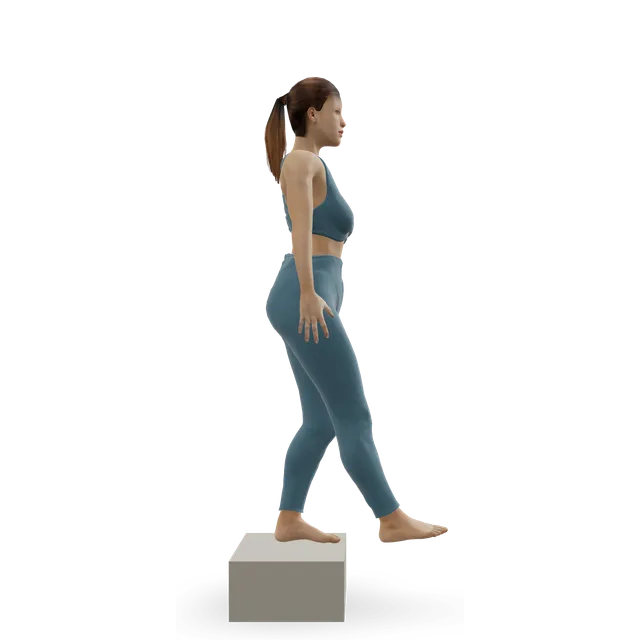
Walk backwards on flat ground or a treadmill set slow, 5 to 10 minutes most days (our backward walking move page's dose); do step-ups, 2 sets of 8 to 10 each leg, for the thighs, as our sled workout swaps them in; and do rows for the upper body. Nothing copies a drag exactly.

Drags, pulls and crawls

Each at its move page's dose (our editorial starting points): backward walking, 5 to 10 minutes most days; backward sled drags, 4 to 6 drags of 20 to 30 m; fast backward and harness drags, 4 to 6 drags of 20 m; sled rows, 2 to 3 sets of 8 to 12; sled reverse flys, 2 to 3 sets of 10 to 15; overhead backward sled walks, 3 to 4 walks of 15 to 20 m with a light sled; bear crawl sled drags, 4 to 6 crawls of 10 to 20 m. Clear the lane behind you before every backward drag.

Moves that go with it

Goblet squats, 3 sets of 8 to 12 (our full-body gym workout); step-ups, 2 sets of 8 to 10 each leg (our Hyrox strength workout); for sore knees, wall sits, 30 seconds, Patrick step-downs, 8 slow reps each side, and tibialis raises, 15 reps (our knee strengthening workout), or Spanish squat holds at their move page's dose (4 to 5 holds of 30 to 45 seconds); single-leg calf raises, 2 to 3 sets of 8 to 12 each side (our Hyrox strength workout). Warm up with walking lunges, 6 steps each leg, and knee-to-wall rocks, 10 each side, and finish with the hip flexor and calf stretches, 30 seconds each side (our sled workout).

Workouts to follow

Our sled workout has backward drags for both its speed and fitness tracks, with sled rows; the strongman conditioning workout uses the harness drag; the Hyrox workouts use the sled row as the closest move to the race's rope pull; the knee strengthening workout starts with backward walking.

A plan that uses it

The Hyrox training plan uses sleds in its strength and race-practice sessions, building towards race weight.

Who should change it

Sore knees or knee arthritis

Start with backward walking, then light backward drags with short steps, within the knee rule above. No trial has tested sled drags for knee pain; our knee pain guides cover the rest.

Sources 5, 6

Low back pain

Keep the sled light and your trunk tall: heavier sleds load the low back more. Our back pain guides' rule applies: discomfort up to about 5 out of 10, settling within an hour or so and no worse the next morning.

Source 25

High blood pressure or heart disease

Keep breathing through every drag and keep loads moderate while your blood pressure isn't controlled. With heart disease, ask your cardiac team before hard drags. The American Heart Association calls strength training safe and effective for adults with and without heart disease.

Sources 50, 52

Older adults, or poor balance

A sled-push machine session suited healthy older adults in one study. Start by walking backwards beside a wall or rail, then a light sled on a clear, even floor, and build up over weeks (our suggestion).

Source 53

Pregnancy

The NHS says it's not the time to start a new vigorous activity, and to avoid activities with a risk of falling. If you already drag a sled, keep it light and steady, take care walking backwards as your balance changes, and stop if you feel uncomfortable, too hot or unwell.

Source 54

After knee surgery or a knee replacement

Backward walking is used in some rehabilitation after ACL surgery; follow your surgical team's plan for when to add a sled.

Source 22

Warning signs

Stop and get medical help

If you get chest pain or pressure, feel faint or dizzy, are unusually breathless, or your heart races or beats irregularly during exercise, as our plans advise. The American Heart Association says these need immediate medical evaluation.

Source 52

Call 999 (911 in the US)

For chest pain that feels tight, heavy or squeezing, or spreads to your arms, neck, jaw or back; a sudden, extremely painful headache, especially while straining; someone who faints while exercising; or palpitations that don't go away, or come with chest pain, breathlessness or feeling faint. Don't drive yourself to A&E.

Sources 55, 56, 57, 58, 59, 60

Breathlessness

Severe difficulty breathing (gasping, choking or not able to get your words out) is a 999 call; being more short of breath than usual is a call to NHS 111, as the NHS advises.

Source 61

A headache with effort

Ask for an urgent GP appointment or get help from NHS 111 for a headache that's triggered or made worse by coughing, sneezing, bending down or exercising.

Source 57

After a first sled session or many heavy drags

Same day (call NHS 111, or go to A&E if you feel very unwell): after a big or unusual session, such as hundreds of pull-ups, push-ups, dips or curls, a challenge or a new class, muscle pain, swelling or weakness far worse than the session explains, and dark pee (red, brown, tea or cola coloured), sometimes starting hours or days later. Dark pee isn't always there, so muscles far sorer, more swollen or weaker than the session explains still need the same-day check. It can be rhabdomyolysis, a breakdown of muscle that can harm the kidneys.

Call 999 for sudden, severe pain in a swollen, tight muscle, as our pain guides advise.

Sources 62, 63, 64

Your knee

Pain from 0 to 2 out of 10 is fine, and up to 5 is acceptable if your knee is back to its usual level by the next morning; for tendon pain just below or above the kneecap, keep it to 3 or less. Sharp, catching or giving-way pain, or new swelling, means stop. That's our knee guides' rule.

Get advice from NHS 111 now: you cannot move the knee or put any weight on it, or it is very painful, badly swollen or has changed shape; or the knee locks, gives way or clicks painfully. Painless clicking is normal.

Source 65

A pop at the front of the knee

A pop or tearing feeling at the front of the knee, then you can't straighten it or lift the straight leg, there's a dent above or below the kneecap, or the kneecap sits higher or lower than the other: go to A&E or an urgent treatment centre, or get help from NHS 111, as our patellar tendon guide says.

A snap at the back of the heel or calf

Same day: a sudden snap or pop at the back of the heel or calf, or a feeling of being kicked there, then walking flat-footed and being unable to push off or stand on tiptoe. It could be an Achilles tendon rupture: go to A&E or a minor injuries unit, or contact NHS 111, as our Achilles rupture guide says.

Also call 999 for pain and swelling in one leg with breathlessness or chest pain: it can be a blood clot that has reached the lungs.

Sources 66, 67

A trip or fall walking backwards

Call 999 or go to A&E if you heard a crack, the joint or limb has changed shape or points at an odd angle, it's numb or tingling, or the skin looks blue or grey or feels cold. Get help from NHS 111 (in the US, urgent care) if it's very painful, very swollen or bruised, very stiff, or you can't put weight on it or walk more than a few steps.

Call 999 if someone has hit their head and has been knocked out and not woken up, can't stay awake, has a fit, has fallen from a height of more than 1 metre or 5 stairs, has problems with their vision, hearing, balance, walking or speech, or has new numbness or weakness. Get help from NHS 111 after a head injury if you're being sick or feel dizzy. If you're told to go to A&E, don't drive yourself.

Source 68

Your shoulder or elbow in rows and pulls

Keep shoulder pain to about 5 out of 10 or less during the exercise, back to its usual level by your next session, as our shoulder guides advise. A sharp pinch means lower, lighter or stop.

A pop or snap with sudden pain at the front of the elbow, especially with bruising, a gap at the front of the elbow or a bulge in the upper arm, can be a torn biceps tendon. Go to an urgent treatment centre or A&E (in the US, urgent care) the same day, and don't wait for it to settle, as our biceps guides say.

Sources 69, 70

Your lower back

Call 999 or go to A&E: loss of feeling or numbness around the genitals or bottom, new trouble peeing or controlling your bladder or bowels, changes in genital sensation during sex or problems with erections or orgasm, or pain, tingling, weakness or numbness in both legs. These are signs of cauda equina syndrome, which needs treating in hospital urgently. Don't drive yourself.

See a GP if pain spreading down a leg hasn't improved after a few weeks of home treatment, is getting worse or stops your normal activities. Sciatica on both sides, or weakness or numbness in both legs that's severe or getting worse, is a 999 call or a trip to A&E.

Sources 71, 72

A hernia

See a GP if you think you have a hernia, a bulge or lump that may get bigger when you strain and smaller when you lie down. Get help from NHS 111 if you have a hernia and pain in or around it, a bloated tummy, you feel or are sick, you're vomiting blood or your vomit looks like coffee grounds, you're constipated, you have a high temperature or feel hot, cold or shivery, or you've suddenly become confused. Call 999 or go to A&E for a femoral hernia (a small lump at the top of your thigh, in your groin) with very bad tummy pain, sickness, being unable to fart or poo, a high temperature or sudden confusion.

The NHS lists lifting heavy weights among the causes of a femoral hernia. After an inguinal hernia repair, avoid heavy lifting or strenuous activity for at least 4 to 6 weeks.

Sources 73, 74, 75

Before you start

Speak to your GP first if you haven't exercised for some time or have medical conditions or concerns, as the NHS advises. Get advice before hard or straining work if your blood pressure is uncontrolled (140/90 or higher at a clinic, or 135/85 at home), or you have heart disease or chest pain when you're active, a pacemaker or defibrillator, diabetic eye disease, glaucoma, a hernia, recent eye or tummy surgery, or you're pregnant, as our breathing guide lists.

With controlled high blood pressure, the American Heart Association considers low- to moderate-intensity strength training with proper breathing safe. Breathe out as you lift, as our breathing guide advises.

Check with your GP before hard intervals if you're inactive and have heart, metabolic or kidney disease, or symptoms when you're active, as our HIIT guide says.

Sources 76, 77, 52

Sore, or hurt?

Muscle soreness for a day or two after a new or harder session is common and fades. Sharp pain, or pain that builds during a set or lingers into the next day, isn't: swap to an easier version, and see a clinician if it persists, as our plans advise. The NHS says to stop exercising straight away if you feel any pain or become unwell, and to get help from 111 if symptoms worry you or don't go away.

Source 78
Myths

"Backward drags fix knee pain on their own"Emerging evidence

No trial has tested sled drags for knee pain. Backward walking added to rehabilitation eased knee arthritis pain across 13 trials, but it was no better than forward walking when compared directly. Claims that the "pump" repairs your knees cite nothing we could find.

Sources 5, 6, 20

"Walking backwards takes all the load off your knee"Emerging evidence

It lowered the force behind the kneecap in most people, but not in 3 of 17, and in knee arthritis it asked more of the thigh muscles at the same speed. With a sled, the load comes from the sled.

Sources 4, 19, 18

"Heavier is always better on a sled"Mixed evidence

Very heavy sleds helped trained athletes' first few metres, but light sleds or none are probably enough for recreational players; heavier sleds change sprint technique and load the low back more; and 30% body weight sleds were no better than plain sprints in professional footballers.

Sources 27, 14, 25, 31

"Sled work is only for athletes"Emerging evidence

A sled-push machine session suited healthy older adults, and backward walking trials included adults up to 78 with knee arthritis. A light sled at a steady walk is a beginner's exercise, and the NHS asks for strengthening done "to the point where you need a short rest before repeating the activity", not to exhaustion.

Sources 53, 6, 76

"Sled drags never make you sore"Emerging evidence

Flat drags caused no rise in a damage marker in one study, but sled sprints raised it moderately at 24 hours, the same as sprints without a sled. New work of any kind can leave you a little sore.

Sources 7, 48

"The kilograms tell you how hard it is"Emerging evidence

Friction ranged from 0.21 to 0.58 across four surfaces and changed with speed. Compare loads only on the same floor.

Sources 9, 44

"A few drags will make your next sprint faster"Emerging evidence

They didn't in 18 trained men.

Source 34

Questions people ask

How do you do a backward sled drag?

Face the sled with the straps in your hands and your arms straight, walk back until the straps are taut, sit your hips down a little and lean back gently. Check behind you, then walk backwards with short steps, pushing through the front of each foot and straightening your knee as you drive. Your legs move the sled; your arms only hold on.

What's the difference between a sled drag, a sled pull and a sled push?

In a drag you walk with the sled behind you on a harness or straps, or face it and walk backwards. In a sled pull you stand still and pull it to you on a rope, hand over hand, as in Hyrox. In a push you lean into the sled's posts and drive it in front of you; our sled push guide covers that.

What muscles do sled drags work?

Backward drags mostly work the front of your thighs, with your calves and glutes; walking backwards roughly doubled front-thigh activity against walking forwards at the same pace. Forward drags work your hips and legs like a sprint start, and rope pulls and sled rows work your upper back, arms and grip.

Are backward sled drags good for your knees?

Often, but they're not a cure. Going backwards lowered the force behind the kneecap for most people, and backward walking added to rehabilitation eased knee arthritis pain in trials, though no better than walking forwards. No study has tested sled drags for knee pain, so start light and keep within our knee pain rule.

How heavy should a sled drag be?

Light enough to keep moving at a steady walk with short steps and good posture. The floor matters more than the plates: friction varied nearly threefold between sports surfaces, so the same sled can feel much heavier on a grippy floor. Find your load by trial and error, and compare loads only on the same floor.

How far and how many sled drags should I do?

Start with 4 to 6 drags of 20 to 30 metres with a light to moderate load, resting 1 to 2 minutes, once or twice a week. Add load, distance or speed one at a time.

Will sled drags make me sore?

Much less than most leg exercises, because there's almost no lowering. After a hard session of backward drags, a blood marker of muscle damage didn't rise and jumping power was back within 3 hours. A brand-new session can still leave you a little sore.

Do sled drags make you faster?

Sled sprints improve the first few metres of a sprint, mostly in trained athletes with moderate or very heavy sleds, and often no more than the same sprints without a sled. Our sprint guide covers sleds for speed.

What can I do instead of a sled drag?

Walk backwards on flat ground or a treadmill set slow for the knee work, do step-ups or Spanish squat holds for the thighs, and rows for the upper body. Nothing copies the drag exactly.

What's the Hyrox sled pull weight?

In the 2026/27 singles rulebook, 78 kg including the sled for women, 103 kg for Women Pro and men, and 153 kg for Men Pro, over 4 lengths of 12.5 m, pulled by rope while you stay standing in your box. Check the current rulebook before you race.

How do I get better at the Hyrox sled pull?

Practise the rope pull at race weight and lighter, with sled rows and grip work, and build your aerobic fitness: in 11 recreational racers, a higher VO2 max and more endurance training went with faster finishing times. Stay tall and keep the rope out from under your feet.

Are sled drags safe for older adults?

One study found a sled-push machine session suited healthy older adults, with no adverse events, and backward walking is used in knee arthritis rehabilitation. Start with backward walking, then a light sled on a clear, even floor, and build up over weeks.

Sources

  1. HYROX · Rulebook for singles, season 26/27: the sled pull (race rulebook)
  2. Flynn 1993 · Muscle action and joint power in forward and backward running in 6 men (lab study, J Orthop Sports Phys Ther)
  3. Abdelraouf 2019 · Front-thigh muscle activity walking backwards in 40 women with and without kneecap pain (EMG study, Turk J Phys Med Rehabil)
  4. Roos 2012 · Kneecap compression in backward and forward running at matched speeds in 17 adults (lab study, J Biomech)
  5. Lin 2026 · Backward walking added to rehabilitation for knee osteoarthritis: 13 trials (systematic review and meta-analysis, Physiother Theory Pract)
  6. Alghadir 2019 · Retro or forward walking for 6 weeks in 68 adults with knee osteoarthritis (randomised trial, BMC Musculoskelet Disord)
  7. West 2014 · A hard backward sled drag session in 11 strength-trained men (lab study, J Strength Cond Res)
  8. Newham 1983 · Pain and fatigue after shortening and lengthening muscle work (lab study, Clin Sci)
  9. Linthorne 2013 · How four sports surfaces change the friction on a towed sled (lab study, Sports Biomech)
  10. Andre 2013 · Friction and pulling force in a weighted sled pull (lab study, J Strength Cond Res)
  11. Keogh 2010 · The heavy sprint-style sled pull in a harness, filmed in 6 trained people (kinematics, J Strength Cond Res)
  12. Thorstensson 1986 · How the walking pattern changes to walk backwards, in 5 people (EMG study, Exp Brain Res)
  13. Lee 2013 · Joint movement and forces in forward and backward walking (gait study, Gait Posture)
  14. Osterwald 2021 · Sled load and sprint technique in 33 athletes (lab study, Sports)
  15. Jones 2022 · Cross-training moves, a hand-over-hand rope sled pull among them, in 3 wheelchair athletes (movement study, J Spinal Cord Med)
  16. Cahill 2019 · The sled-pull load that slows each of 70 schoolboys by a set amount (lab study, Sports)
  17. Flynn 1995 · Kneecap compression in forward and backward running in 5 joggers (lab study, J Orthop Sports Phys Ther)
  18. Donno 2023 · Forward and backward walking compared in 24 young adults (gait study, Sensors)
  19. Zhang 2025 · Backward walking and knee loads in 32 people with knee osteoarthritis (gait study, Bioengineering)
  20. Goonasegaran 2022 · Retro against forward walking for 12 weeks in 34 adults with knee osteoarthritis (randomised trial, J Sports Med Phys Fitness)
  21. Chen 2021 · Backward walking for 4 weeks in 32 adults with knee osteoarthritis (randomised trial, Evid Based Complement Alternat Med)
  22. Shen 2021 · Backward walking and knee position sense after ACL reconstruction in 52 patients (randomised trial, Physiother Theory Pract)
  23. Uthoff 2021 · Eight weeks of backward or forward sled towing in 115 schoolboys (training study, J Strength Cond Res)
  24. Ferley 2023 · Six weeks of uphill backward walking and running in 37 recreational athletes (controlled trial, Int J Sports Med)
  25. Frost 2012 · Low-back loads in sled walking and other hip exercises in 9 men (lab study, J Sports Sci)
  26. Alcaraz 2018 · Resisted sled training for sprinting: 13 studies of towed sleds (systematic review and meta-analysis, Sports Med)
  27. Xu 2025 · Resisted sprint training by load: 49 studies, 1,281 people (systematic review and meta-analysis, Scand J Med Sci Sports)
  28. Petrakos 2016 · Resisted sled sprint training: 11 studies (systematic review, Sports Med)
  29. Fernández-Galván 2022 · Vest and sled sprint training in young footballers (systematic review and meta-analysis, J Strength Cond Res)
  30. Morin 2017 · Very heavy sled training in 16 amateur footballers (pilot trial, Int J Sports Physiol Perform)
  31. McMorrow 2019 · Heavy sled sprints in season in 13 professional footballers (trial, Int J Sports Physiol Perform)
  32. Panascì 2023 · Light sled sprints against plain sprints for 8 weeks in 26 rugby players (randomised trial, Int J Sports Physiol Perform)
  33. Góngora-Rodríguez 2026 · Distance, load and surface in resisted sled sprint training: 12 studies (systematic review and meta-analysis, Sports)
  34. Monaghan 2020 · Backward or forward sled tows before a sprint in 18 trained men (crossover study, J Strength Cond Res)
  35. Harris 2016 · A strongman session against a traditional session in 10 men (crossover study, J Strength Cond Res)
  36. Winwood 2015 · Strongman against traditional training for 7 weeks, in 30 rugby players (randomised trial, J Strength Cond Res)
  37. Brandt 2025 · A simulated Hyrox race in 11 recreational racers (lab and field study, Front Physiol)
  38. Winwood 2014 · Injuries in 213 strongman athletes over a year (retrospective survey, J Strength Cond Res)
  39. Keogh 2017 · Injuries across the weight-training sports (systematic review, Sports Med)
  40. Chittenden 2026 · Health problems in 89 Hyrox athletes over 12 weeks (prospective cohort, Front Sports Act Living)
  41. Williams 2020 · Injuries at two fitness racing events with 1,085 competitors (surveillance study, Int J Exerc Sci)
  42. Ketzer 2026 · Injuries in 418 Hyrox athletes (online survey, preprint, not peer reviewed)
  43. Bergeron · Enhancing motor learning with sled training: handles on a 6 to 8 foot rope (coaching article, NSCA Coach 1.4)
  44. Cross 2017 · Sled friction on an athletics track at different speeds (lab study, J Sports Sci)
  45. Cross 2017 · The sled load that maximises sprint power in 27 athletes (lab study, Int J Sports Physiol Perform)
  46. Hody 2019 · Eccentric muscle work: risks and benefits (narrative review, Front Physiol)
  47. Nottle 2005 · Muscle damage from an hour of downhill backward walking in 20 adults (lab study, J Sci Med Sport)
  48. Bachero-Mena 2020 · Muscle damage and recovery after sled sprints at five loads in 15 men (lab study, Int J Sports Physiol Perform)
  49. Monahan 2022 · One session of light or heavy sled sprints in 27 team-sport athletes (lab study, J Strength Cond Res)
  50. MacDougall 1985 · Blood pressure during heavy lifting in 5 bodybuilders (lab study, J Appl Physiol)
  51. Compendium of Physical Activities 2024 · Occupation: moving, carrying or pushing heavy objects of 75 lb or more at 7.5 METs (reference table)
  52. Paluch 2024 · Resistance training with and without heart disease: 2023 update (American Heart Association scientific statement, Circulation)
  53. Baumann 2024 · A progressive session on a sled-push machine against walking, in 36 older adults (randomised study, J Aging Phys Act)
  54. NHS · Exercise in pregnancy
  55. NHS · Chest pain (past its review date: reviewed August 2023, review due August 2026)
  56. NHS · Heart attack
  57. NHS · Headaches
  58. NHS · Subarachnoid haemorrhage
  59. NHS · Fainting
  60. NHS · Heart palpitations
  61. NHS · Shortness of breath
  62. NHS · Blood in urine
  63. NHS · Acute kidney injury (AKI)
  64. Hopkins 2019 · Rhabdomyolysis in 11 of 523 people treated for CrossFit injuries at one hospital (case series, J Sci Med Sport)
  65. NHS · Knee pain
  66. NHS · Heel pain
  67. NHS · Deep vein thrombosis (DVT)
  68. NHS · Sprains and strains
  69. NHS · Shoulder pain (past its review date: reviewed May 2023, review due May 2026)
  70. NHS · Elbow and arm pain
  71. NHS · Back pain
  72. NHS · Sciatica
  73. NHS · Hernia
  74. NHS · Femoral hernia
  75. NHS · Inguinal hernia repair
  76. NHS · Physical activity guidelines for adults aged 19 to 64
  77. NHS · High blood pressure
  78. NHS · How to warm up before exercising

Exercise education, not a personal prescription, and clinical review of these guides is pending. Check with a GP before starting hard training if you have a heart condition, chest pain, dizziness or breathlessness when active, and stop for sharp or increasing pain. Health disclaimer.