4-7-8 breathing
Breathing in through the nose for a count of 4, holding for 7 and breathing out through pursed lips for 8: the long hold and longer out-breath set it apart from plain slow breathing. Small trials report less anxiety after bariatric surgery and less tinnitus distress over 6 weeks; a pain study after knee replacement had no comparison group. In a direct test in 84 students, slow breathing without holds raised heart rate variability more.
Movement guide
4-7-8 breathing
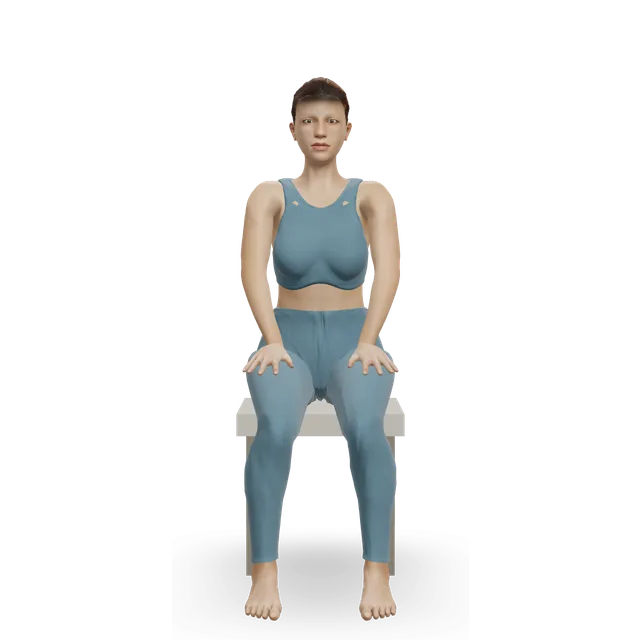
Loading the 3D figure…
Make it easier or harder
Choose a version that fits your control and comfort.
Easier option
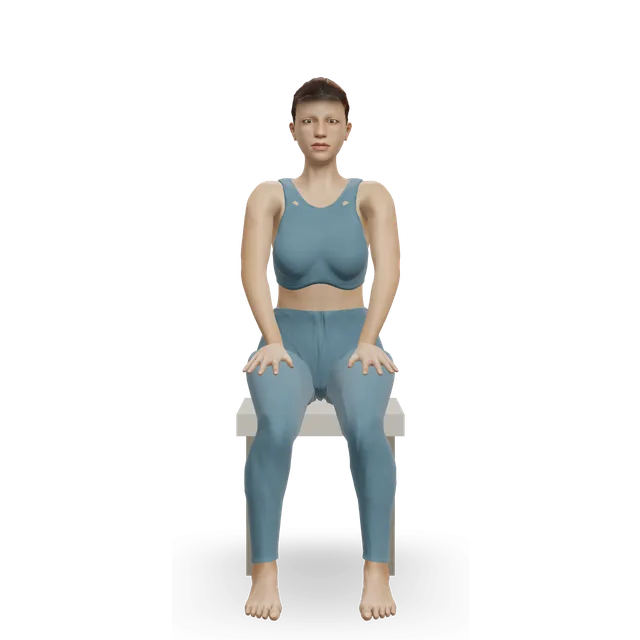 3D demoBox breathingBeginner · No equipment
Suggested next step, beginner grade.
Harder option
Choose a comfortable position and breathe without forcing it. Longer breath holds are not a harder tier. NHS comfortable, unforced breathing
Source-researched guide.
How to move
- Sit upright with your back supported and your hands resting on your thighs, or lie down.
- Breathe out fully through your mouth with a soft whoosh.
- Close your lips and breathe in quietly through your nose for a count of 4.
- Hold your breath for a count of 7, then breathe out fully through pursed lips for a count of 8 with a soft whoosh. That is one cycle.
- After 4 cycles, breathe normally. If the hold is a strain, count faster but keep the 4, 7, 8 ratio.
Form cues
- The ratio matters more than the speed of the count.
- Keep the shoulders soft and the breath in quiet.
- Avoid: taking a huge breath to get through the hold.
Practice and cautions
4 cycles, twice a day, sitting: the dose used for 6 weeks in the tinnitus trial. Keep to 4 cycles at a time while you get used to the hold.
The seven-count hold is long and light-headedness is common at first, so practise sitting or lying down and shorten the counts while keeping the ratio if you feel dizzy. Never do breath holds in water or while driving. If breath holds make you feel short of air or panicky, leave them out: breathe in for about 4 and out for about 6 instead. With heart disease or heart failure, leave out the holds and breathe slowly instead. With sickle cell disease, skip the breath holds: breathe slowly and evenly instead. This is movement education, not an assessment or treatment prescription. Stop for sharp or increasing pain, dizziness, numbness or tingling; seek individual guidance for symptoms, injury or restrictions.
Sources and review status
Sources support the educational description; they do not establish that this exercise is suitable for you.
- Kirazli 2026 · 4-7-8 breathing, 4 cycles morning and evening for 6 weeks, eased tinnitus distress, anxiety, stress and insomnia scores more than an information session alone (RCT of 48 patients, Brain and Behavior) ↗
- Aktaş 2023 · After bariatric surgery, 4-7-8 breathing lowered state anxiety more than deep breathing or usual care (RCT of 90 patients, Obesity Surgery) ↗
- Eskimez 2026 · 4-7-8 breathing after knee replacement: pain scores fell over 30 minutes, with no comparison group (uncontrolled single-group study, J Perianesth Nurs) ↗
- Marchant 2025 · Square, 4-7-8 and 6 breaths-a-minute breathing compared in one session: 6 a minute raised heart rate variability most; none changed mood or blood pressure (84 students, Applied Psychophysiology and Biofeedback) ↗
No variation is labeled clinically validated.
What it works
Muscles
Works the whole body. Individual muscles are not yet classified.
Equipment
None: body weight and floor space.
Level
Beginner. See the easier and harder options above.
Workouts that use it
Guides that use it
- Yoga for anxiety and sleep guide
- Yoga for high blood pressure guide
- Yoga for energy guide
- Yoga for lungs and COPD guide
- Yoga for heart health guide
- Yoga for stroke recovery guide
- Yoga for PTSD guide
- Yoga for tinnitus guide
Show all 20 guidesShow fewer guides
- Yoga for high cholesterol guide
- Yoga for low blood pressure guide
- Yoga for myasthenia gravis guide
- Yoga for veterans guide
- Yoga for firefighters guide
- Yoga for Crohn's and colitis guide
- Yoga for atrial fibrillation guide
- Yoga for heart failure guide
- Exercise for anxiety and panic attacks
- Exercise for sleep and insomnia
- Rest days guide
- Recovering faster guide
Similar moves
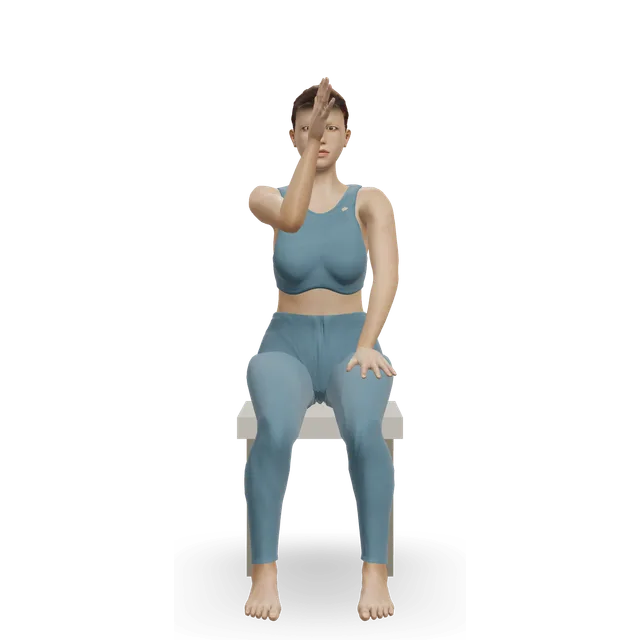
Browse more
Questions people ask
What muscles does the 4-7-8 breathing work?
It works the whole body.
What equipment do I need for the 4-7-8 breathing?
No equipment: your body weight and a little floor space.
Is the 4-7-8 breathing good for beginners?
It is graded beginner, so it suits most people starting out.
What is an easier alternative to the 4-7-8 breathing?
Try the Box breathing or the Slow breathing (6 breaths a minute). It is the suggested step down from this move.