Extended side angle (Utthita Parsvakonasana)
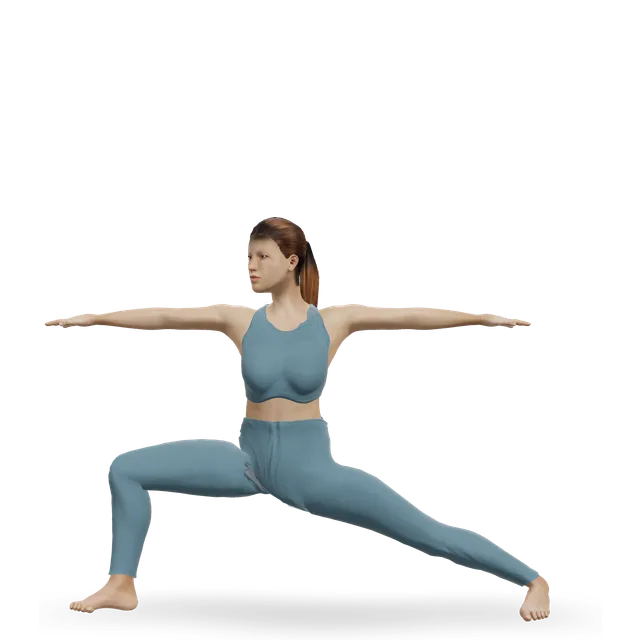
From warrior II the trunk leans out over the front thigh, the lower forearm or hand coming down and the top arm reaching past the ear: one long line from the back foot to the fingertips.
Side angle family
Extended side angle (Utthita Parsvakonasana)
Loading the 3D figure…
Source-researched guide.
How to move
- From warrior II, lean the trunk out over the front thigh.
- Rest the front forearm on the thigh, or the hand on a block or the floor outside the front foot.
- Reach the top arm overhead past the ear and hold, then come up and change sides.
Form cues
- The forearm on the thigh is the easier version; the hand on the floor comes later.
- Turn the chest up rather than letting it fall toward the floor.
Practice and cautions
No universal dose is assigned. Choose a manageable amount for your current capacity, leave room for controlled repetitions, and allow recovery. A clinician’s individual plan takes priority.
Do not drive weight into the front knee by pressing hard with the elbow. Skip the deep side bend with acute rib or low back pain. If osteoporosis gives you a high risk of fracture, keep the side bend small or leave it out, as Osteoporosis Canada advises for side bending in Pilates. This is movement education, not an assessment or treatment prescription. Stop for sharp or increasing pain, dizziness, numbness or tingling; seek individual guidance for symptoms, injury or restrictions.
Sources and review status
Sources support the educational description; they do not establish that this exercise is suitable for you.
- Yoga Journal · Extended side angle pose (warrior II as its preparation) ↗
- Brooke-Wavell 2022 · Strong, steady and straight: UK consensus statement on physical activity and exercise for osteoporosis (bend from the hips; twisting should be safe if smooth and comfortable; BJSM) ↗
- Osteoporosis Canada 2016 · Too Fit to Fracture booklet: at high risk of a spine fracture, change twisting and bending poses, try a gentle twist on your back, and avoid or change side bending in Pilates ↗
No variation is labeled clinically validated.
What it works
Muscles
Main: Quads, Glutes. Also: Adductors, Abs, Shoulders.
Anatomy: Sartorius, Quadriceps, Rectus femoris, Vastus medialis, Vastus lateralis, Gluteus maximus.
Equipment
None: body weight and floor space.
Level
Intermediate. See the easier and harder options above.
Workouts that use it
- Sun salutation flow · 20 min
- Hot yoga sequence without the heat (26-posture style) · 50 min
- Vinyasa flow for beginners: a 30-minute slow flow · 30 min
- Ashtanga yoga for beginners: a 40-minute short form · 40 min
- Yoga with props for beginners: a 40-minute standing-poses-first sequence · 40 min
- Power yoga workout: a 40-minute strong flow · 40 min
- Yoga for the pelvic floor: a 30-minute class with the squeeze built in · 30 min
Guides that use it
Similar moves
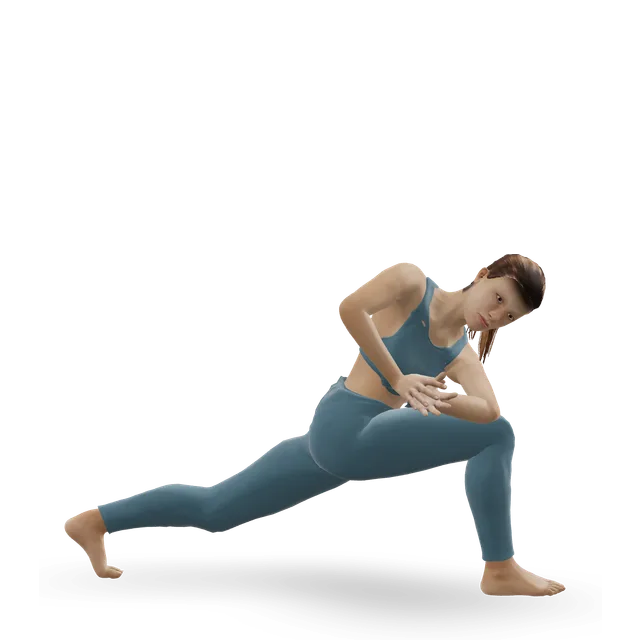 3D demoRevolved side angle (Parivrtta Parsvakonasana)Advanced · No equipment
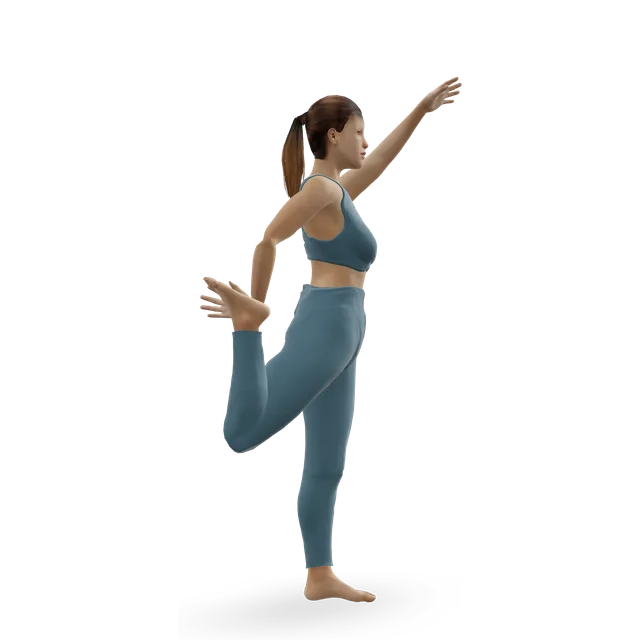 3D demoDancer pose (Natarajasana)Advanced · No equipment
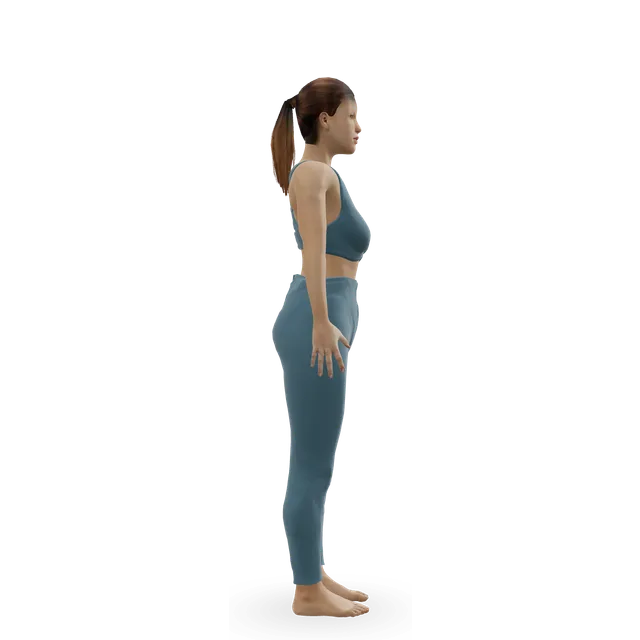 3D demoGet up and down from the floorBeginner · No equipment
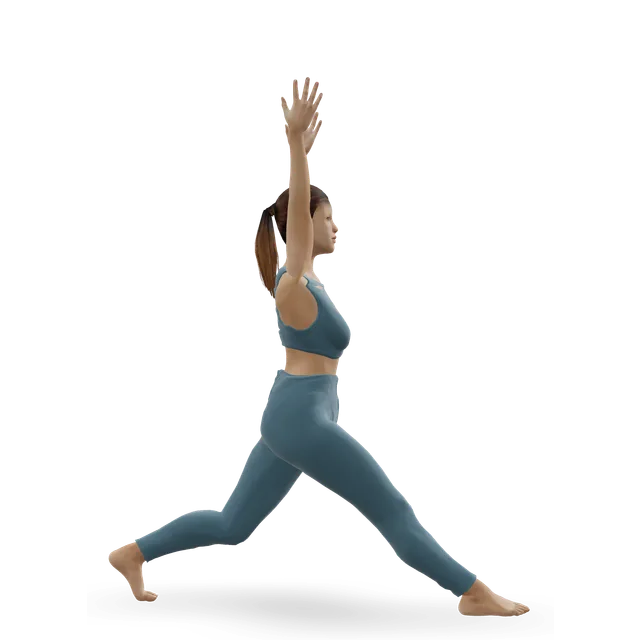 3D demoHigh lunge (crescent lunge, Ashta Chandrasana)Intermediate · No equipment
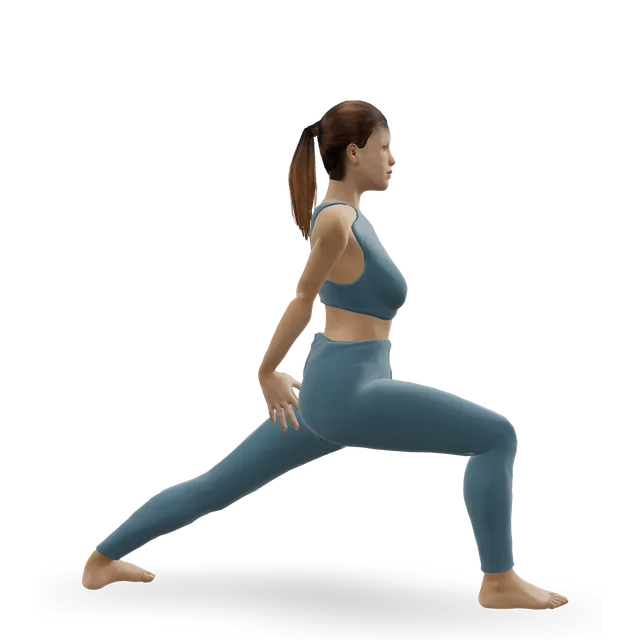 3D demoHumble warrior (Baddha Virabhadrasana)Intermediate · No equipment
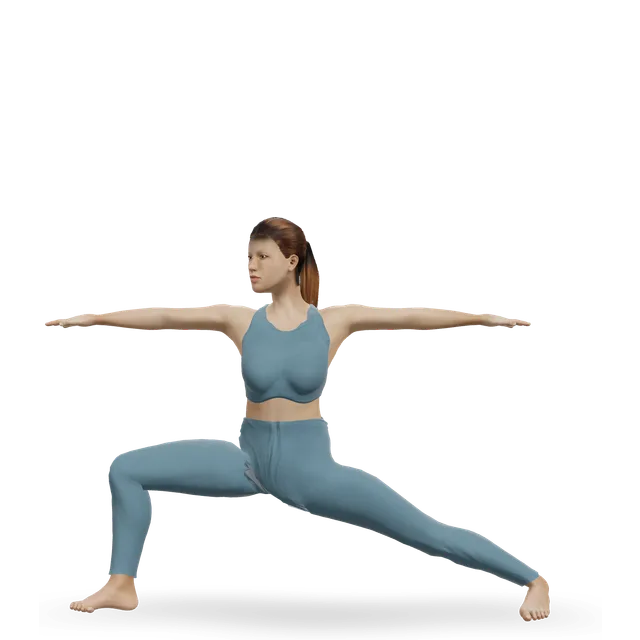 3D demoReverse warrior (Viparita Virabhadrasana)Intermediate · No equipment
Browse more
Questions people ask
What muscles does the Extended side angle (Utthita Parsvakonasana) work?
Mainly the quads and glutes, with help from the adductors, abs and shoulders.
What equipment do I need for the Extended side angle (Utthita Parsvakonasana)?
No equipment: your body weight and a little floor space.
Is the Extended side angle (Utthita Parsvakonasana) good for beginners?
It is graded intermediate. If it is too hard right now, start with the Warrior II (Virabhadrasana II).
What is an easier alternative to the Extended side angle (Utthita Parsvakonasana)?
Try the Warrior II (Virabhadrasana II) or the Chair pose (Utkatasana). Both are written steps in the same progression.
How do I make the Extended side angle (Utthita Parsvakonasana) harder?
Progress to the Half moon pose (Ardha Chandrasana). Follow that guide’s technique and any stated timing.