Feet-elevated push-up
Feet on a bench increase upper-body demand compared with the standard push-up.
Push-up family
Feet-elevated push-up
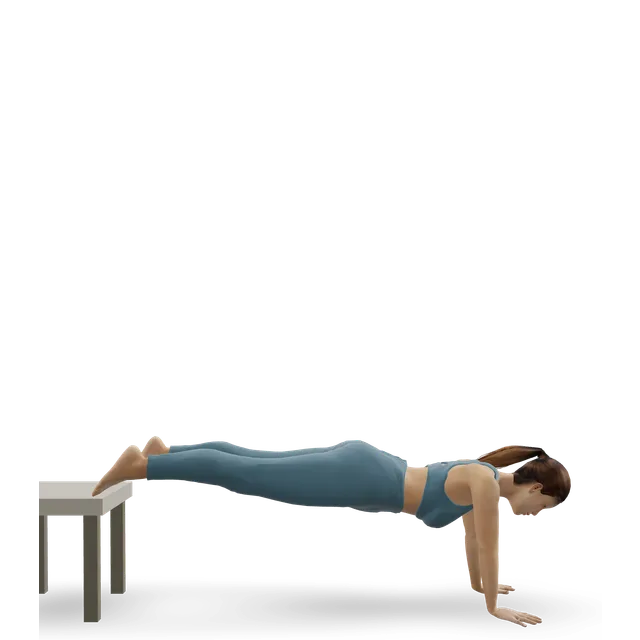
Loading the 3D figure…
Source-researched guide.
How to move
- Place both feet on a low secured bench and both hands on the floor just outside shoulder width.
- Keep the trunk aligned as you lower your chest toward the floor; avoid leading with your chin.
- Press back up with control, then step down deliberately when finished.
Form cues
- Begin with a low elevation.
- Do not trade trunk control for depth.
Practice and cautions
No universal dose is assigned. Choose a manageable amount for your current capacity, leave room for controlled repetitions, and allow recovery. A clinician’s individual plan takes priority.
Raising your feet puts your head below your hips, as in a decline bench press: keep sets short, breathe out on each push and come up slowly, and while your blood pressure isn't under control, use a floor or incline push-up instead. With proliferative or severe non-proliferative diabetic retinopathy, or after recent eye laser treatment or surgery, leave out head-down positions until your eye team says they are safe. With glaucoma, keep head-down positions brief or use a head-up version: in a small study, eye pressure rose within a minute in head-down yoga poses. Ask your eye team first if your glaucoma is advanced or you've had eye surgery. This is movement education, not an assessment or treatment prescription. Stop for sharp or increasing pain, dizziness, numbness or tingling; seek individual guidance for symptoms, injury or restrictions.
Sources and review status
Sources support the educational description; they do not establish that this exercise is suitable for you.
- NASM · Decline push-up ↗
- Wurm 2010 · Forces in six push-up variations in 23 adults (feet on a 30 or 61 cm box: 70 or 74% of body weight on the hands, against 64% on the floor; ISBS conference paper of Ebben 2011) ↗
- Lin 2026 · Push-ups at five body angles in 19 trained men (steeper feet-raised angles shifted work from the chest to the front shoulder, triceps and serratus anterior; BMC Sports Sci Med Rehabil) ↗
- Free Exercise DB · alias metadata ↗
Unlicense · Free Exercise DB contributors; derived from wrkout/exercises.json. Text import; no photographs or media. · Revision f00c92c7dcf1216a928a52c3706c7ce8e2f71ed5
- Free Exercise DB · alias metadata ↗
Unlicense · Free Exercise DB contributors; derived from wrkout/exercises.json. Text import; no photographs or media. · Revision f00c92c7dcf1216a928a52c3706c7ce8e2f71ed5
No variation is labeled clinically validated.
What it works
Muscles
Main: Chest, Triceps. Also: Shoulders, Abs.
Anatomy: Pectoralis major, Pectoralis minor, Serratus anterior, Triceps brachii.
Equipment
A bench or box
Level
Advanced. See the easier and harder options above.
Workouts that use it
Pain guides that use it
Part of a staged plan, with when to get help first.
Guides that use it
Similar moves
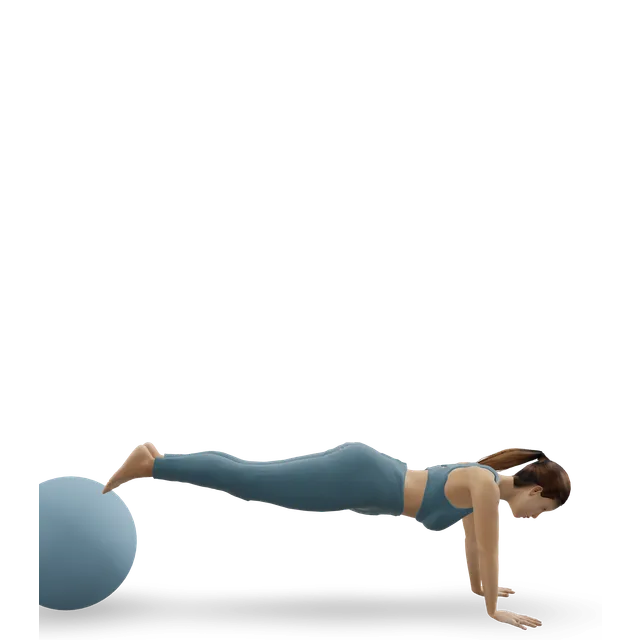 3D demoPush-up with the feet on an exercise ballAdvanced · Exercise ball
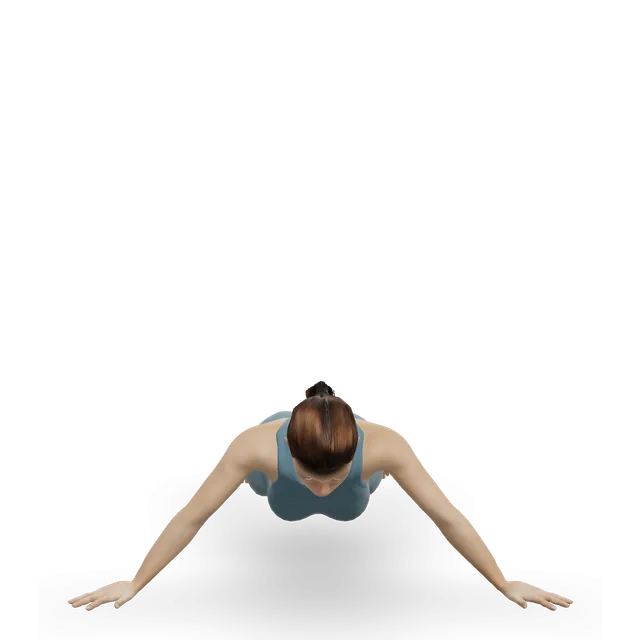 3D demoArcher push-upAdvanced · No equipment
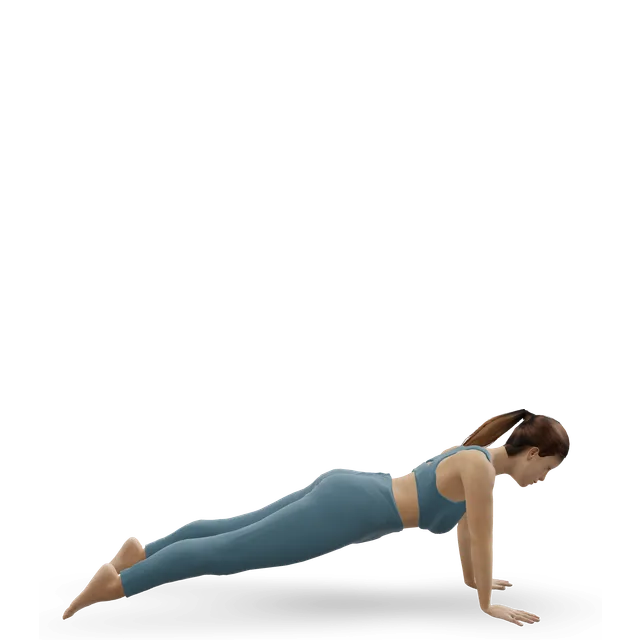 3D demoClap push-upAdvanced · No equipment
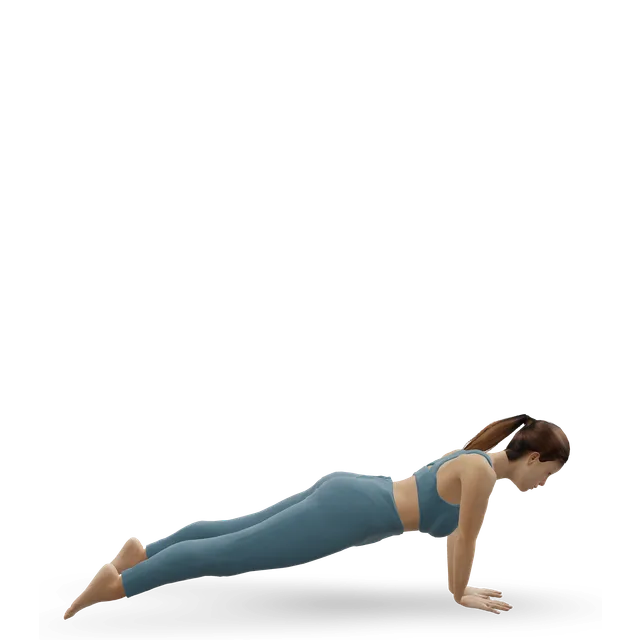 3D demoDiamond push-upIntermediate · No equipment
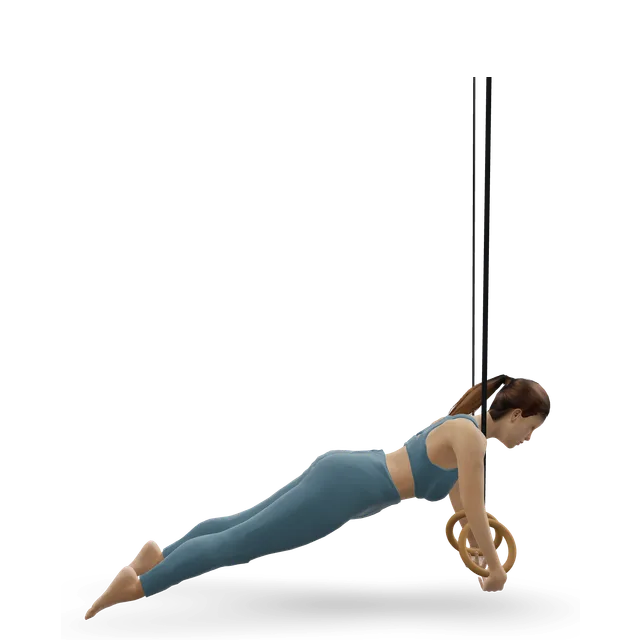 3D demoRing push-upIntermediate · Gymnastic rings
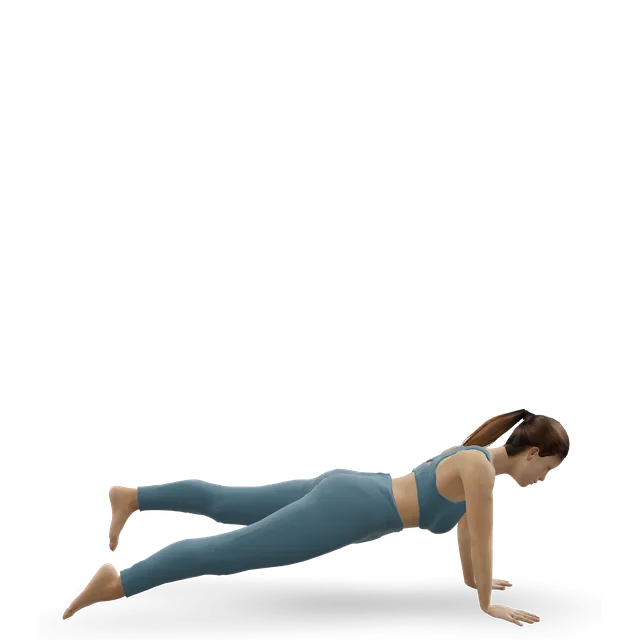 3D demoSingle-leg push-upAdvanced · No equipment
Browse more
Questions people ask
What muscles does the Feet-elevated push-up work?
Mainly the chest and triceps, with help from the shoulders and abs.
What equipment do I need for the Feet-elevated push-up?
A bench or box.
Is the Feet-elevated push-up good for beginners?
It is an advanced move. Build up to it with the Push-up first.
What is an easier alternative to the Feet-elevated push-up?
Try the Push-up or the Wide push-up. Both are written steps in the same progression.
How do I make the Feet-elevated push-up harder?
Progress to the One-arm push-up or the Wall handstand push-up. Follow that guide’s technique and any stated timing.