What a push-up asks of the back, and what no study has measuredEmerging evidence
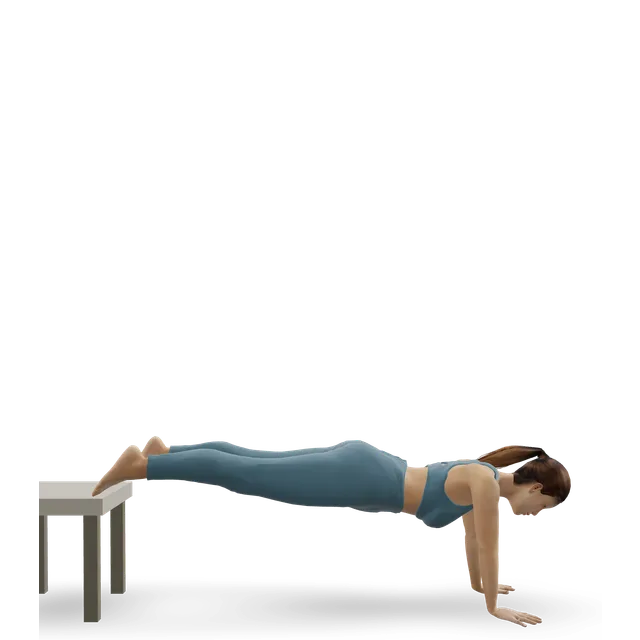
A push-up is a moving plank: hands just outside the shoulders, one straight line from head to heels, the chest lowered and pressed back up. Gravity tries to sag the middle of your body towards the floor, and the tummy muscles hold it up. In 11 men doing push-ups, the abdominal muscles provided 64% to 87% of the lower spine's stiffness, depending on the direction, while the deep tummy muscle, the multifidus and the back muscles contributed very little.
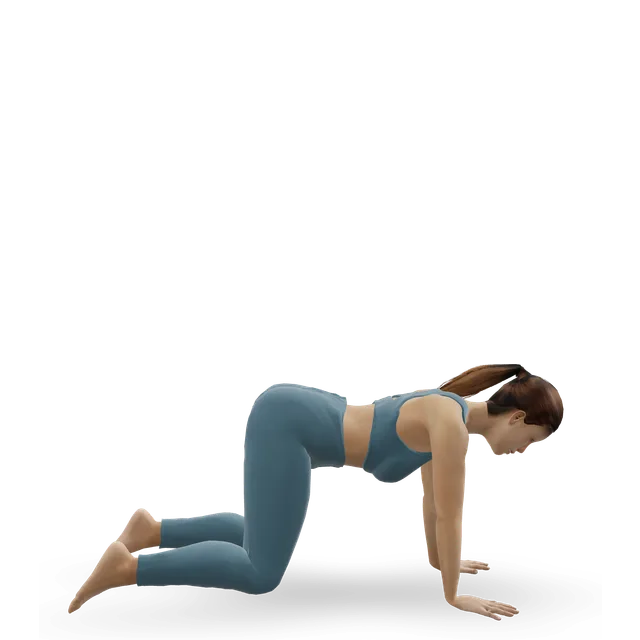
In 18 adults holding a plank on their toes (the top of a push-up), the back muscles worked at about 5% of their maximum, the six-pack and obliques at 29% to 40% and the rectus femoris, a hip flexor, at about 20%; on the knees, the six-pack and outer obliques worked less. Push-ups also worked the deep hip flexor (the psoas) at up to 25% of its maximum in fine-wire recordings.
In a lab model of 12 push-up styles in 10 people, clap and hand-moving push-ups needed more muscle activity and loaded the spine more, balls under the hands added only a little, and the one-arm push-up gave the highest spine compression. The abstract gives no figure for an ordinary push-up, and no study has counted back pain from push-ups, measured how far the lower back arches as a set goes on, or tested a change to the push-up for back pain. So this page's map comes from these lab studies, plank studies, back pain trials and NHS pages.