Pain guide · Shoulder pain

Shoulder pain on the chest fly: the front of the shoulder, the pec tendon, depth and the pec deck

Shoulder pain on the chest fly usually comes at the bottom of the rep, when your arm is out to the side, back and turned out. Where it hurts is the best clue: an ache at the front or outside of the shoulder is usually the rotator cuff or the biceps tendon, one finger on top at the end of the collarbone points to the acromioclavicular (AC) joint, and a pop at the front of the armpit with bruising can be a torn chest muscle tendon (pec), which is rare and mostly happens on the bench press. No study has tested how deep to go or compared the pec deck, cables and dumbbells for pain, so this guide says where its advice comes from: lowering only to about chest level with a soft, fixed elbow bend, setting the pec deck's arms a few clicks forward, lighter weights for 10 to 15 reps, and swaps such as the floor press usually help. Flys don't always wreck shoulders.

This guide starts with the signs that need checking, from a 999 call for chest pain that feels tight or spreads to your arm, neck or jaw, and accident and emergency (A&E) for a shoulder that looks out of place, to a same-day check through the National Health Service's 111 line (NHS 111) or an urgent treatment centre for a pop with bruising in the chest or armpit. It then maps the causes by where it hurts, explains what the muscle studies, injury series and case reports show, shows how to change your flys today, and gives a three-stage plan with a 3D demo of every move, from the floor press and the pec deck back to cable and dumbbell flys.

When to get help first

Exercise is for pain that has been checked or is clearly mild and settling.

Get urgent medical help if

  • Call 999 or go to A&E: after a fall or injury, your shoulder looks out of place or has changed shape, you cannot move your arm, or your shoulder is painful, bruised or swollen. Do not drive yourself, and do not try to put it back in yourself.
  • Call 999: shoulder or arm pain with chest pain that feels tight or squeezing, or chest pain that spreads to your arms, neck or jaw, especially with shortness of breath, sweating or feeling sick. It could be a heart attack.
  • Get help from NHS 111: pain or tightness in your chest, neck, shoulders, jaw or arms that comes and goes, often brought on by exercise, stress, emotion or cold and easing after a few minutes' rest. It can be angina, a sign of a heart problem. If you've been diagnosed with angina, get help from NHS 111 too if it feels worse than before, is happening more often, lasts longer or happens when you're resting.
  • Call 999 (911 in the US) if you're having severe difficulty breathing: you're gasping, choking or not able to get words out.
  • Call 999: you suddenly can't fully lift both arms and keep them there, because of weakness or numbness in one arm, especially if one side of your face droops or you slur your words or sound confused. It could be a stroke. Call even if the signs have stopped.
  • Same day (NHS 111 or an urgent treatment centre): a pop or tearing at the front of the armpit or chest during a lift, a dip or a tackle, followed by bruising into the chest or upper arm, a change in the shape of the chest or armpit (a thinner or lost armpit fold, or a chest or nipple that looks uneven), or weakness pushing. Don't wait for it to settle: it can be a torn pec tendon, and repairs done within about 6 weeks did better than later ones.
  • Same day (GP or NHS 111): a sudden pop or snap with pain at the shoulder or upper arm during a lift, with or without a bulge low in the upper arm. It's usually a torn long head of the biceps. Most need no operation, but the rotator cuff can tear at the same time.
  • Same day (GP or NHS 111): sudden weakness lifting the arm after an injury or fall. A rotator cuff tear caused by an injury needs urgent referral to a shoulder specialist. After a dislocation in anyone over 40, the rotator cuff should be checked: about 40% have a tear.
  • Same day (GP or NHS 111): sudden or very bad shoulder pain; you cannot move your arm; the arm or shoulder is badly swollen or has changed shape; pins and needles that do not go away; no feeling in the arm; the arm is hot or cold to the touch; pain that started after an injury such as a fall; or severe pain in both shoulders.
  • Same day (GP or NHS 111): the shoulder or arm is hot, swollen or red, or you have a high temperature (although not everyone has one) or feel unwell. A joint infection needs same-day care.
  • Get help from NHS 111 if you think you have costochondritis. Chest pain needs checking to rule out other, more serious conditions, and costochondritis is diagnosed only once the heart and lungs have been considered.
  • Same day (call NHS 111, or go to A&E if you feel very unwell): after a big or unusual session, such as hundreds of pull-ups, push-ups, dips or curls, a challenge or a new class, muscle pain, swelling or weakness far worse than the session explains, and dark pee (red, brown, tea or cola coloured), sometimes starting hours or days later. Dark pee isn't always there, so muscles far sorer, more swollen or weaker than the session explains still need the same-day check. It can be rhabdomyolysis, a breakdown of muscle that can harm the kidneys.
  • Call 999 or go to A&E if breathing suddenly becomes difficult, if pain in your chest or upper back comes on suddenly with breathlessness or a very fast heartbeat, or if someone passes out. Do not drive yourself. It can be a blood clot that has reached the lungs.

See a doctor or physiotherapist if

  • Pain that is getting worse or has not improved after 2 weeks of looking after it yourself, or it is very hard to move your arm. In many areas you can refer yourself to physiotherapy.
  • Your shoulder has partly or fully come out of joint, or you worry it might, including a clunk or a feeling it will slip with the arm low and back at the bottom of a press.
  • A dip or change in the chest's shape that you only notice once the bruising fades, or weakness pushing that isn't getting better: get it checked promptly through your GP or NHS 111, and ask about a shoulder specialist. A tendon tear found late can often still be repaired, though the results are better early.
  • Pins and needles or a cold arm alongside neck pain, or a new loss of strength or feeling in the arm that you cannot explain (a possible nerve problem).
  • Painful clicking or snapping at the front of the shoulder, or a feeling of something slipping there. The tendon can slip out of its groove, usually alongside a rotator cuff tear, so ask for an assessment.
  • Not clearly better after about 3 months of a good exercise programme, or it keeps coming back: ask about a specialist opinion.
  • Pain on top of the shoulder at the end of the collarbone that isn't settling after a few weeks of changed pressing: ask about weightlifter's shoulder (distal clavicle osteolysis), which often needs an MRI (magnetic resonance imaging) scan to confirm.
  • Pain beside the breastbone with no injury, sore to press: see our costochondritis guide, once the heart has been considered. Pain between the ribs after coughing or a twist: see our rib injury guide.
  • A past history of cancer, an unexplained lump or swelling, weight loss, or pain that is constant and does not ease when you change position.
  • See a GP if you have pain and stiffness for more than a week, especially if you're over 50, it's in both shoulders (often the neck and hips too) and the stiffness lasts longer than 45 minutes in the morning. It can be polymyalgia rheumatica.

Where does it hurt?

Location narrows the likely causes; it does not diagnose.

The front or outside of the shoulder and upper arm, an ache at the bottom of the fly, worse lifting the arm out or reaching behind you

Usually rotator cuff related pain, often called impingement: the commonest cause of shoulder pain in our reading. A shallower fly and rotator cuff work usually help.

Read: Shoulder impingement (rotator cuff pain) →
A tender spot in the groove at the front of the shoulder, sometimes with a snap, worse reaching back for a seatbelt

Often the long head of the biceps tendon, usually alongside the rotator cuff.

Read: Biceps tendinitis (shoulder) →
The front of the shoulder in general, and you're not sure which

Usually the rotator cuff, the biceps tendon or the AC joint. Our front of shoulder guide maps them.

Read: Front of shoulder pain →
A pop or tearing at the front of the armpit or chest during a heavy rep, then bruising into the upper arm, a changed armpit fold or weakness pushing

Possibly a torn pec tendon: rare, and mostly on the bench press. Get it checked the same day, as the warning signs say.

Read: Pec strain or tear →
A pulled feeling across the chest muscle at the bottom of the fly, sore to press, the chest keeping its shape

Often a strained chest muscle, which eases when you rest it.

Read: Pec strain or tear →
On top of the shoulder, one finger on the end of the collarbone, worse with heavy pressing or reaching across your body

The AC joint, including weightlifter's shoulder in people who bench press heavy and often.

Read: AC joint injury and pain →
Deep in the shoulder at the bottom of the fly, with a clunk, a dead arm or a feeling it will slip

Possibly a loose (unstable) shoulder, especially after a past dislocation or with very flexible joints.

Read: Shoulder dislocation and instability →
Deep at the back of the shoulder, especially with heavy dumbbells held over the chest at the top

Possibly the back of the joint. One case report describes a shoulder that slipped backwards at the top of a heavy fly.

Read: Back of shoulder pain →
Deep clicking or catching in the shoulder joint

Sometimes the labrum, the rim of the socket, though labral tears are common on scans of shoulders that don't hurt.

Read: SLAP tear →
The biceps or the inner elbow aching through a set of flys

The biceps holds the elbow bent, and it works much harder in a fly than in a press. At the inner elbow, it can be golfer's elbow.

Read: Upper arm pain →
Beside or behind the breastbone during or after flys

Often the chest wall, such as costochondritis. The heart comes first: see the warning signs.

Read: Sternum pain →
From the neck down the arm, with pins and needles or numbness

A nerve in the neck, even if your neck doesn't hurt.

Read: Pinched nerve in the neck →
An ache across the chest, the fronts of the shoulders and the biceps a day or two after a new or bigger session

Muscle soreness, which fades within days. Muscles far sorer, more swollen or weaker than the session explains need a same-day check.

Read: Shoulder pain after a workout →
Mainly on the bench press, dips or push-ups

Our bench press, dips and push-up guides cover grip, depth and hand position.

Read: Shoulder pain when benching →

Understand it

What the fly asks of the shoulder, and what no study has countedEmerging evidence

You open your arms wide in an arc with your elbows softly bent, then hug them back together. Only the shoulder moves: the big chest muscle (pectoralis major) does most of the work, the front of the shoulder helps, and the biceps holds the elbow bent. In 12 adults, chest and front-of-shoulder activity didn't differ much between the bench press and the dumbbell fly. In 17 trained men, the bench press drew 16% more chest activity, the fly drew 57% to 86% more biceps activity, and the authors note that the dumbbells' leverage on the shoulder is longest at the bottom of the fly. In 13 trained men, the front of the shoulder worked at about the same level in the fly as in the bench press, and less than in the shoulder press.

At the bottom of a fly your arm is out to the side, behind your body and turned out. In a case series of 20 weightlifters whose shoulders had become loose at the front, all said they had gradually become unable to do exercises in that position because of pain, and the American Council on Exercise (ACE) calls the pec deck's start position vulnerable for the front of the shoulder. That is an instability case series and expert opinion: no study has measured the load on the shoulder at the bottom of a fly. In a cadaver bench press, the lowest chest fibres stretched most in the last 30 degrees of the arm moving back.

No study has counted shoulder pain caused by flys, compared the pec deck, cable and dumbbell fly for pain in a peer-reviewed journal, or tested bench angle, depth or elbow bend. The muscle studies are in healthy adults over a few reps.

Sources 1, 2, 3, 4, 5, 6

Chest pain comes firstStrong evidence

A heavy set is exercise, and exercise can bring on angina or a heart attack. The NHS says call 999 for chest pain that feels tight or like squeezing, or that spreads to your arms, neck or jaw. It describes a chest sprain or strain as pain that starts after a chest injury or chest exercise, may get worse when you breathe in, and feels better when you rest the muscle. If you are unsure which it is, the warning signs come first.

Sources 7, 8

Who gets itEmerging evidence

Up to 36% of resistance training injuries are at the shoulder, a review says. In 77 men, signs of impingement went with lateral raises and upright rows above shoulder height, and were less common in men who trained the muscles that turn the arm outwards; in 159 men, weight trainers had more front-of-shoulder looseness, linked to behind-the-neck pulldowns and presses. Neither study names flys.

In our reading, flys bother people who lower heavy dumbbells as far as they will go, straighten their elbows, start the pec deck from its widest setting or train flys to failure, people with a loose shoulder or a past dislocation, and people who also press heavy and often: in 489 men, bench pressing more than 1.5 times body weight went with 19 times the odds of weightlifter's shoulder.

Sources 9, 10, 11, 12

The pec tendon, and the rare tearStrong evidence

Torn pec tendons are rare and happen almost only in men. Across 693 pooled tears (average age 31.5), 63.2% happened in weight training, and 87.0% of those on the bench press; there is no fly or pec deck group. Across 365 published cases, 48% happened in weight training, and in 60 men followed over 4 years the bench press caused 80%. The American Academy of Orthopaedic Surgeons (AAOS) lists a pop or ripping feeling, bruising, trouble raising the arm and a chest, armpit or nipples that look uneven, and says rest and ice won't heal a tear.

Three case reports name a fly: a complete tear on a chest fly machine in a 33-year-old amateur, whose scan suggested only a partial tear; a tendon strain in a 29-year-old on a dumbbell fly; and a shoulder that slipped backwards and broke a bone at the top of a heavy dumbbell fly. These show what can happen, not how often.

Sources 13, 14, 15, 16, 17, 18, 19

The biceps and the AC joint on flysEmerging evidence

Searches for chest flys hurting the biceps or the elbow are common. In trained men the biceps worked 57% to 86% harder in the dumbbell fly than in the bench press, holding the elbow bent, so an ache there through a set is usually that work (our reading).

Pain on top of the shoulder at the end of the collarbone in people who press heavy can be weightlifter's shoulder (distal clavicle osteolysis): 45 of 46 athletes in the first series lifted weights, and those who weren't operated on improved only after stopping or changing their weight training. Flys aren't named in this research.

Sources 2, 20, 12

What a scan shows, and when it mattersStrong evidence

Not at first, for an ache at the front or outside of the shoulder: rotator cuff changes on scans rose from 9.7% of people aged 20 and under to 62% of those over 80 across 30 studies, whether or not they had symptoms. A health professional examines the shoulder first and may arrange an X-ray.

A scan matters for a suspected pec tear (a specific MRI, magnetic resonance imaging, scan of the chest, or an ultrasound scan), a shoulder that came out of place (an X-ray in hospital) and pain on top of the shoulder in a lifter that isn't settling.

Sources 21, 22, 16, 23

How it usually goesEmerging evidence

No study follows shoulder pain from flys. The NHS says self-care usually needs about 2 weeks before shoulder pain starts to ease, and that recovery can take 6 months or longer. In the weightlifters with loose shoulders, 13 of 23 shoulders settled with rehab and changed technique, and all 20 lifters went back to lifting. After a pec tendon repair, most people return to their previous activity, but the AAOS says full activity typically takes at least 6 months, and in 44 men only half returned at the same intensity, with their heaviest dumbbell fly 35.7% lower. No one can promise a date.

Sources 22, 4, 13, 16, 24
What helps, and how strong the evidence is

Depth and elbows: hospital advice, not trialsEmerging evidence

A hospital shoulder handout says never fly with straight elbows and never lower the dumbbells below the level of your chest, and on the pec deck never let the weight stretch your arms so your elbows pass behind your chin, setting the arms a few clicks forward. An NHS trust leaflet for people back in the gym after a pec repair says not to let the elbow drop below the level of the shoulder on presses and flys, and a review of gym injuries recommends no maximum stretch in flys, pullovers and dips. The study fly kept a fixed elbow bend of 150 to 160 degrees. This is expert advice: no trial has compared fly depths or elbow bends.

Sources 25, 26, 27, 2

Machines and cables keep the chest workingEmerging evidence

In an ACE-funded study of 14 trained men, not peer reviewed, the pec deck drew 98% and a bent-forward cable crossover 93% of the bench press's chest activity. In 15 untrained men, one set of pec deck flys grew the upper and lower chest as much as three sets over 12 weeks, by 17% to 21%. ACE still advises against the pec deck for people with a history of shoulder problems, and against starting a cable fly with the arms behind the body.

Sources 5, 28

Flys and shoulder injury: no study links themMixed evidence

The hospital handout lists chest flys among exercises to avoid for shoulder safety, then gives precautions for anyone who does them. But surveys of weight trainers link shoulder signs to raises, upright rows and behind-the-neck lifts, not flys, and the fly isn't a category in 693 pooled pec tears. So the honest answer is cautious advice with little data either way.

Sources 25, 10, 11, 13

Exercise is the treatment for the commonest causeStrong evidence

In 102 people with long-standing rotator cuff pain, 12 weeks of specific rotator cuff and shoulder-blade exercises improved a shoulder score by 24 points against 9 for general exercise, 69% against 24% reported success, and 20% against 63% chose surgery. These were people with shoulder pain in general, not lifters, so this plan borrows the exercises.

Sources 29, 30

A torn pec: repair, and sooner rather than laterStrong evidence

Across 664 pec tendon injuries, repair beat no surgery for function, strength, satisfaction with the chest's shape and visible deformity, with complications in 14% and a re-tear in 3% after repair; the studies weren't randomised. In 112 cases, repair within about 8 weeks did better than non-surgical care or later repair, and in 60 men a poor result followed in 31% without surgery against 10% with it. Non-surgical care is usually for older, less active people or partial tears, the AAOS says.

Sources 13, 31, 15, 16

Weightlifter's shoulder: change the pressingEmerging evidence

Heavy, frequent bench pressing went with weightlifter's shoulder, and most people in the first series improved by changing their training; removing the end of the collarbone relieved all 19 operated patients who were followed. Fewer heavy pressing days and a sensible fly depth are the first steps.

Sources 12, 20

How much pain is OK while you exercise?

Up to 5 out of 10, back to normal by the next session; 3 to 4 for a pulled chest muscleEmerging evidence

This guide uses the shoulder hub's rule, as our other shoulder movement guides do. During shoulder strengthening, pain up to about 5 out of 10 is acceptable, and a little is expected. By your next session it should be back to where it was before. If it isn't, use a lighter band or weight or a smaller range next time, not nothing. This is how the Holmgren trial set each person's load: pain was not allowed above 5 out of 10 during the exercises, and any increase had to settle back to the starting level before the next session; otherwise the load came down. If pain climbs week on week, or a warning sign appears, stop and get it checked.

For a pulled chest muscle, it uses our pec strain guide's stricter limit. For a strain, or a tear managed without surgery: mild discomfort you'd call tolerable, about 3 to 4 out of 10, is fine during the exercises if it settles within the day and the chest is no worse the next morning. That number is borrowed from a hamstring strain trial, in which rehab that allowed pain up to a tolerable level was as quick as pain-free rehab and rebuilt more strength; it hasn't been tested in the chest muscles. Sharp pain, a new pop or more bruising means stop and drop back a step. Stop short of any pull with the arm out to the side and back (the bottom of a wide bench press, a fly, a deep dip, a doorway stretch) until pressing is comfortable: the repair protocols load that position last.

NHS inform's shoulder exercises use the same bands (0 to 3 minimal, 4 to 5 acceptable, 6 to 10 excessive) and want your pain no worse the morning after. In long-lasting pain, exercise into some pain did no worse than pain-free exercise across 7 trials. The hospital handout is stricter for the joint itself: don't work through pain in the shoulder joint.

For the fly (our suggestion, built on the same rule): choose the version (floor press, pec deck set forward, cable fly, dumbbell fly), the depth and the load where the last reps stay at 5 out of 10 or less and your shoulder is back to normal by the next session. If it isn't, go back a step and shorten the range first. A stretch or burn across the chest muscle is fine; sharp pain in the joint, a catch, a clunk or a feeling of slipping means stop. A pop, bruising in the chest or armpit, a change in the chest's shape, chest pain, or pins and needles that don't go away aren't pain-rule questions: see the warning signs.

Sources 29, 30, 32, 25

The exercise plan: 3 stages

Start at the first stage. Each move opens a full guide with a 3D demo.

Stage 1

Keep the chest working, take out the stretch

About the first 2 weeks, rotator cuff work most days and chest work 2 or 3 times a week: chest work without the arm going out and back, and the rotator cuff and shoulder-blade work the trial used. No flys for now. With a diagnosed condition (a torn pec, a dislocation, weightlifter's shoulder, a rotator cuff tear, costochondritis) or after surgery, that guide's plan or your team's comes first.

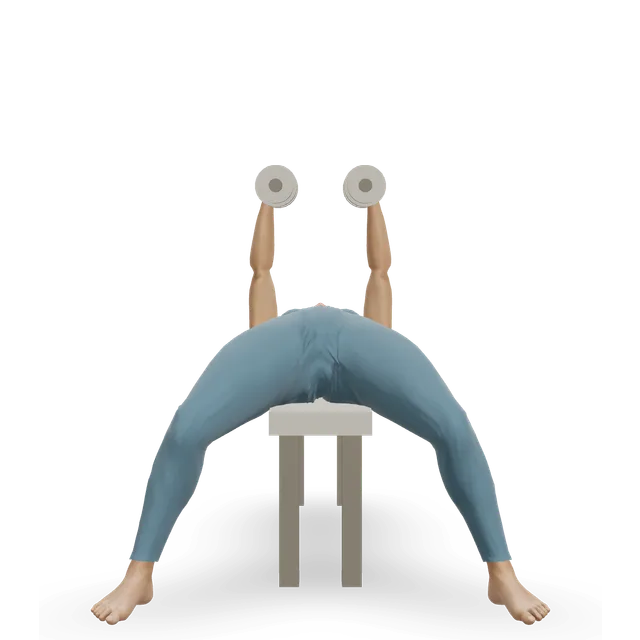
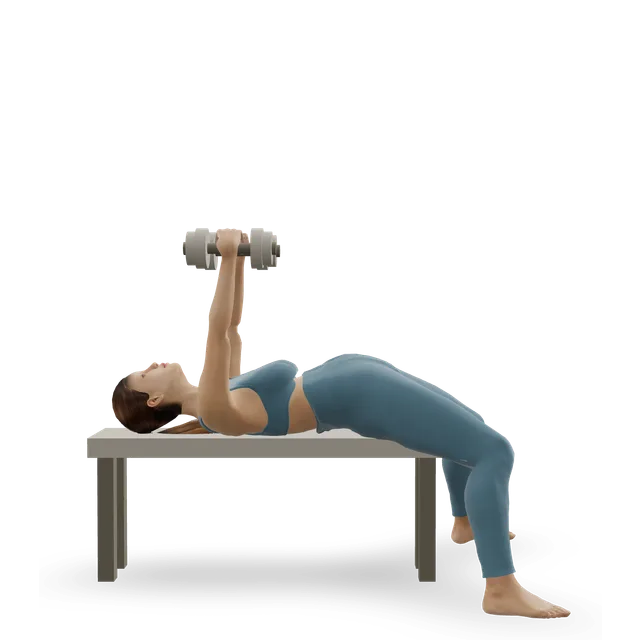
Dumbbell floor press demonstrated on the 3D figure3D demoDumbbell floor pressIntermediate · A dumbbell

2 to 3 sets of 8 to 12, stopping with 2 or 3 reps in reserve · The move page's dose. The floor stops your elbows before your shoulders go far back

Easier: Chest press machine · Harder: Bench press with chains

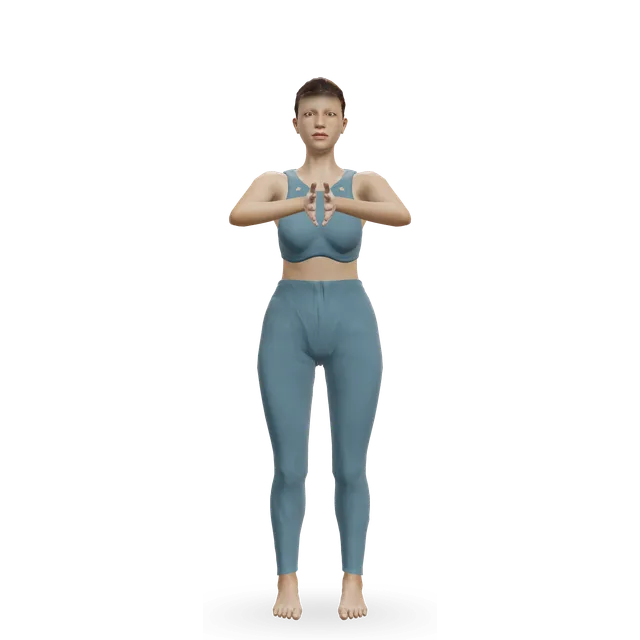
Isometric chest squeeze (palm press) demonstrated on the 3D figure3D demoIsometric chest squeeze (palm press)Beginner · No equipment

Hold each squeeze 5 to 10 seconds, rest about as long, and repeat 6 to 10 times · The move page's dose. The chest works with your arms in front of you

Harder: Machine chest fly (pec deck)

Incline push-up demonstrated on the 3D figure3D demoIncline push-upBeginner · A bench or box

2 to 3 sets of 8 to 12, hands on a bench or worktop, a short range at first · As in our bench press and dips guides (editorial)

Easier: Wall push-up · Harder: Push-up

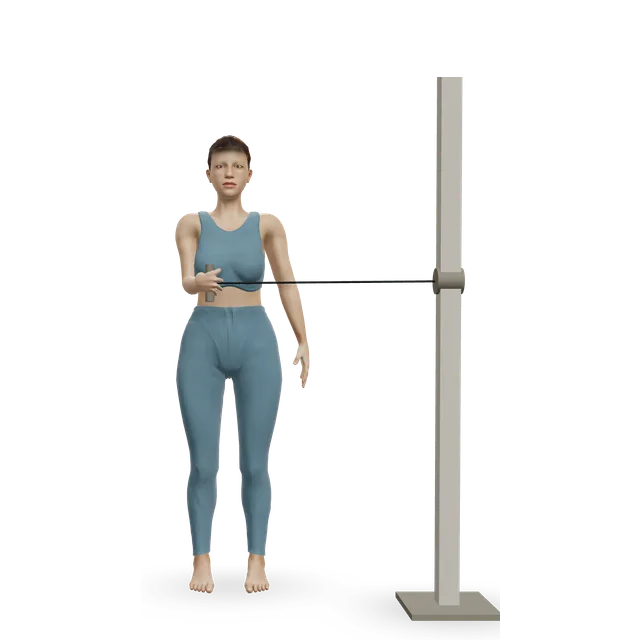
Standing band external rotation demonstrated on the 3D figure3D demoStanding band external rotationBeginner · A band + An anchor point

3 sets of 15, light band, elbow at your side, slow return, once or twice a day · The Holmgren trial's sets and reps

Easier: Stick-assisted external rotation (lying) · Harder: Side-lying external rotation

Band row demonstrated on the 3D figure3D demoBand rowBeginner · A band + An anchor point

3 sets of 10 to 15, stopping 2 to 3 reps short of failure, with 60 to 90 seconds' rest · The move page's dose

Harder: Supported single-arm dumbbell row

Scapular push-up (push-up plus) demonstrated on the 3D figure3D demoScapular push-up (push-up plus)Beginner · No equipment

2 to 3 sets of 10, at a wall or bench first · As in our bench press guide (editorial)

Easier: Dumbbell shoulder-blade punch · Harder: Push-up

Move on when: Floor presses and incline push-ups pass the pain rule, and your shoulder is back to its usual level by the next session (as in our dips guide).

Follow along: a timer, a cue and the next move, one step at a time.
Stage 2

Bring the fly back on a machine, in a short range

About weeks 2 to 6, 2 or 3 sessions a week: the fly's movement back with a set path and a limited range, and stronger rotator cuff and shoulder-blade muscles.

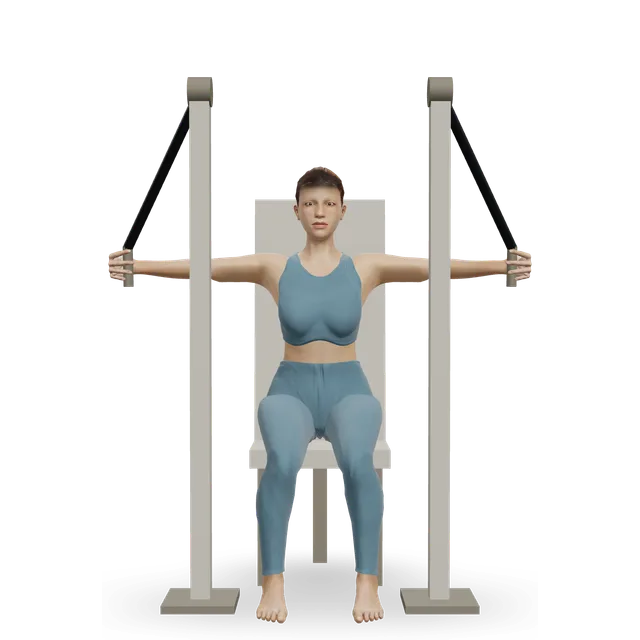
Machine chest fly (pec deck) demonstrated on the 3D figure3D demoMachine chest fly (pec deck)Beginner · Strength machine

2 sets of 12 to 15, the arms set a few clicks forward, elbows never behind your chin, slow on the way back · Our bodybuilding upper-body workout's sets and reps (editorial); the range from a hospital shoulder handout

Easier: Isometric chest squeeze (palm press) · Harder: Cable fly

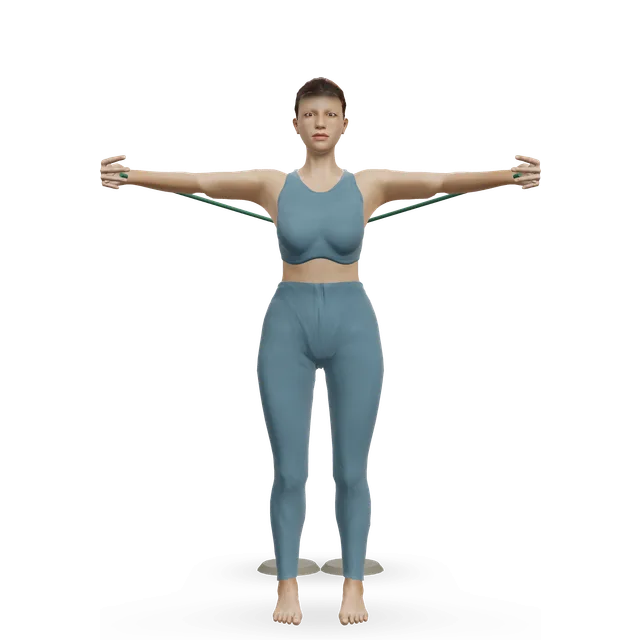
Standing band chest fly demonstrated on the 3D figure3D demoStanding band chest flyIntermediate · A band + An anchor point

2 to 3 sets of 10 to 15, stopping with 2 or 3 reps in reserve · The move page's dose. Never let the band pull your arms behind your shoulders, as the move page says

Easier: Machine chest fly (pec deck) · Harder: Bodyweight fly on rolling bars

Push-up demonstrated on the 3D figure3D demoPush-upIntermediate · No equipment

3 sets of 8 to 15, a comfortable depth · As in our dips guide (editorial)

Easier: Wall push-up · Harder: Close-grip push-up (close triceps position)

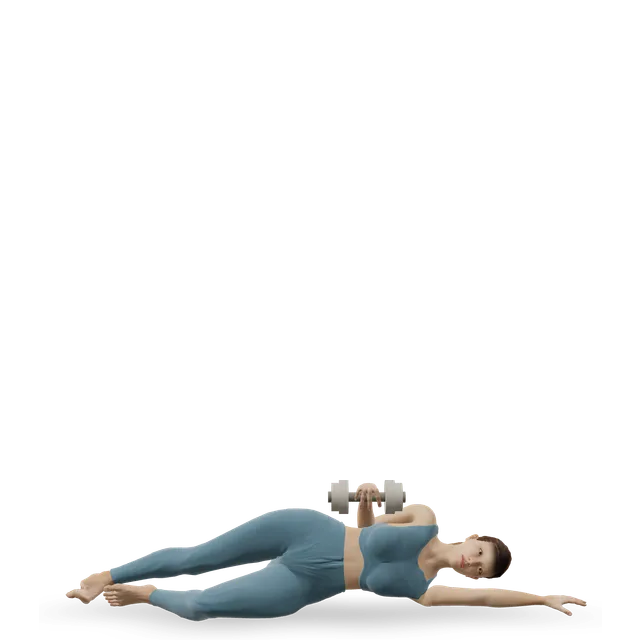
Side-lying external rotation demonstrated on the 3D figure3D demoSide-lying external rotationBeginner · A dumbbell

3 sets of 15, once a day, lowering over about 3 seconds · The Holmgren trial's sets and reps, as our dips guide uses them

Easier: Standing band external rotation · Harder: Cuban rotation

Face pull demonstrated on the 3D figure3D demoFace pullIntermediate · A band

3 sets of 12 to 15 · As in our bench press guide (editorial)

Easier: Prone Y-T-W raises · Harder: Tuck back lever

Scaption raise demonstrated on the 3D figure3D demoScaption raiseBeginner · A dumbbell

3 sets of 10 to 15, thumbs up, to shoulder height · As in our dips and push-up guides (editorial)

Easier: Band lateral raise · Harder: Smith machine upright row

Move on when: 2 sets of 15 on the pec deck with the arms set forward, and the band fly, pass the pain rule, with your shoulder back to normal by the next session (editorial).

Follow along: a timer, a cue and the next move, one step at a time.
Stage 3

Back to your usual flys

From about week 6: cable and dumbbell flys back to about chest level, one change at a time by the written steps below, with presses alongside. No trial has tested a return to flys after shoulder pain, so the order is editorial.

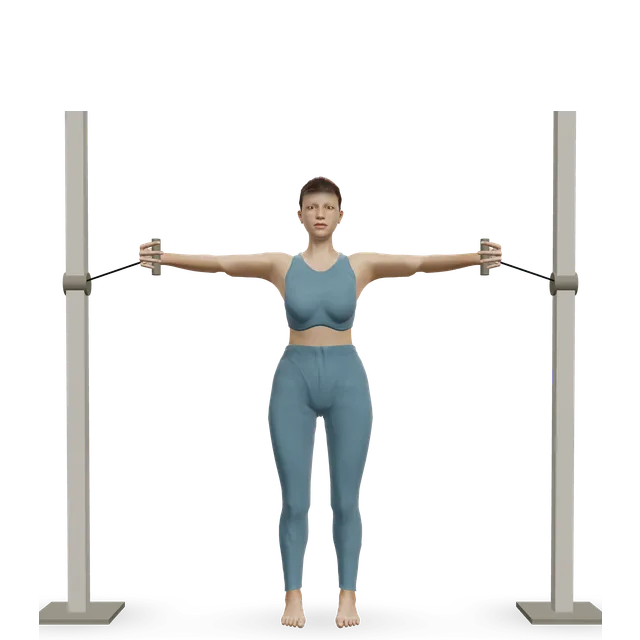
Cable fly demonstrated on the 3D figure3D demoCable flyIntermediate · A cable machine

3 sets of 12 to 15, resting 60 to 90 seconds, the last set 0 to 2 reps short of failure · Our push day workout B's dose (editorial). Never let the cables pull your arms behind your body

Easier: Machine chest fly (pec deck) · Harder: Dumbbell fly

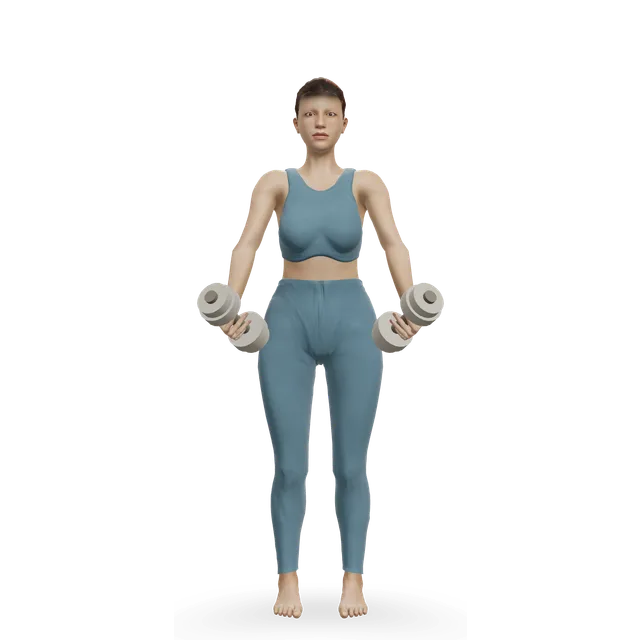
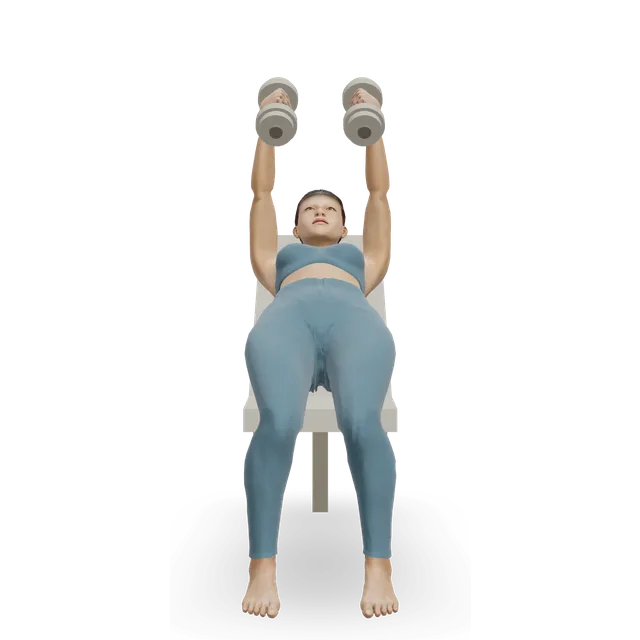
Dumbbell fly demonstrated on the 3D figure3D demoDumbbell flyIntermediate · A dumbbell + A bench or box

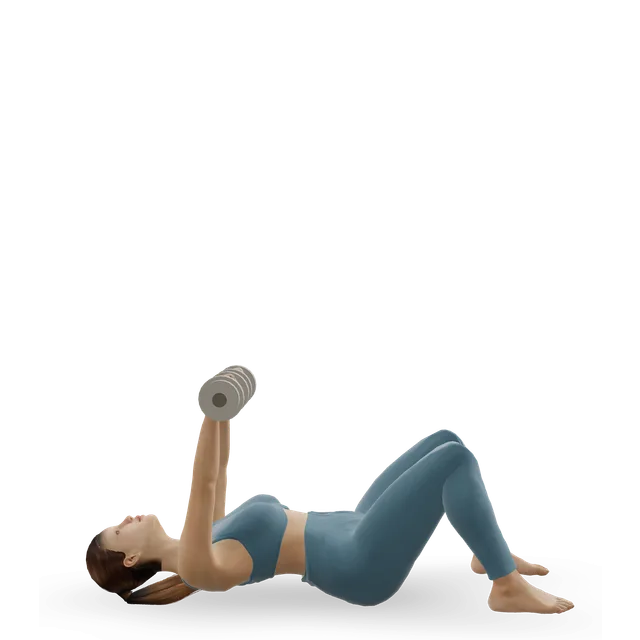
2 or 3 sets of 10 to 15, lowering to about chest level with a soft, fixed elbow bend · Our chest fly guide's editorial starting point; the depth from a hospital shoulder handout

Easier: Cable fly · Harder: Bodyweight fly on rolling bars

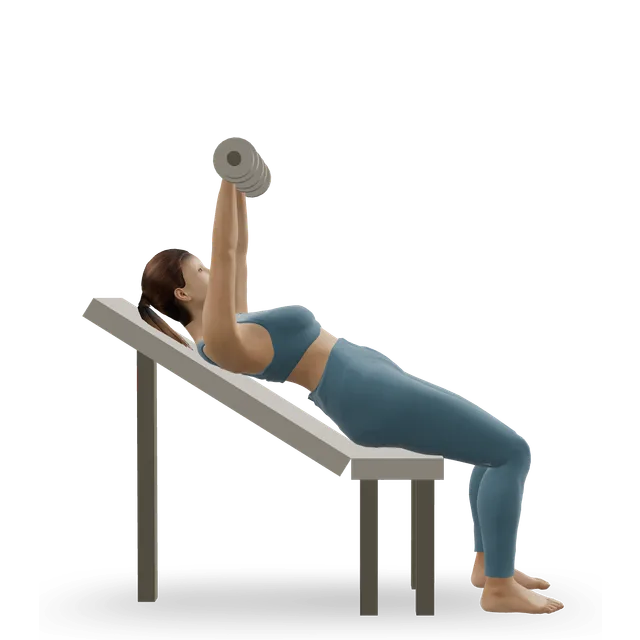
Incline dumbbell fly demonstrated on the 3D figure3D demoIncline dumbbell flyIntermediate · A dumbbell + A bench or box

2 or 3 sets of 10 to 15, to about chest level (optional) · Our chest fly guide's editorial starting point

Easier: Cable fly · Harder: Bodyweight fly on rolling bars

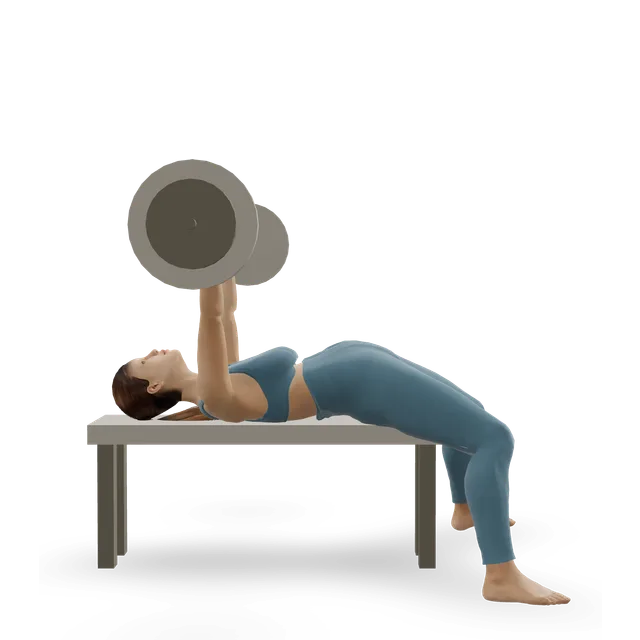
Neutral-grip dumbbell bench press demonstrated on the 3D figure3D demoNeutral-grip dumbbell bench pressIntermediate · A dumbbell + A bench or box

3 sets of 8 to 12 · As in our bench press and dips guides (editorial)

Easier: Barbell bench press · Harder: Bench press with bands

Cable external rotation demonstrated on the 3D figure3D demoCable external rotationBeginner · A cable machine

2 to 3 sets of 10 to 15, twice a week, kept going · As in our dips guide (editorial)

Harder: Side-lying external rotation

Move on when: Your usual flys to about chest level pass the pain rule for 2 weeks. Add weight in the smallest step only when every set reaches 15 controlled reps (our chest fly guide). If it flares, go back a stage for a few days, not to nothing (editorial).

Follow along: a timer, a cue and the next move, one step at a time.

What to change for now

Your fly for now (written steps)

Our 3D figure can't show the depth limit, the machine's settings or the elbow angle exactly. These steps come from a hospital handout, an NHS trust leaflet, a review of gym injuries, ACE and the NHS; where a step is our suggestion, it says so. No trial has tested a change to the fly for shoulder pain.

  • 1. Depth: lower only to about chest level, never below it (the hospital handout). After a pec repair, keep your elbows no lower than your shoulders (the NHS trust leaflet). Lying on the floor stops your arms at about chest level for you.
  • 2. Elbows: keep a soft bend that stays the same all the way, never straight (the hospital handout).
  • 3. The pec deck: set the arms a few clicks forward so the first rep starts from a comfortable stretch, and never let the weight pull your elbows behind your chin (the hospital handout). Take the handles one at a time if reaching back for both bothers your shoulder (our pec deck guide).
  • 4. Cables: start with your hands in front of your shoulders, not with your arms behind your body, and don't cross the handles past the middle (ACE).
  • 5. Load and reps: a weight you control for 10 to 15 reps, stopping 2 or 3 short of failure; avoid heavy weights for low reps (the hospital handout and the NHS trust leaflet). No maximum stretch (the review of gym injuries).
  • 6. Shoulder blades: keep them comfortable rather than forced hard back (our suggestion); one case report's authors think pinning them back is unfavourable for the back of the shoulder, an untested opinion.
  • 7. Fewer heavy pressing days if the top of your shoulder hurts: heavy, frequent bench pressing goes with weightlifter's shoulder.
  • 8. Keep using your arm for everyday jobs: the NHS says don't stop using your shoulder completely, and don't make up your own strenuous exercises or use heavy gym equipment while it hurts.

Sources 25, 26, 27, 5, 2, 19, 12, 22

Back to your usual training (written steps)

No study has tested how flys come back after shoulder pain, so these steps are our suggestion unless a source is named.

  • 1. One change at a time: the pec deck set forward, then cables, then dumbbells, then depth (to about chest level, no deeper), then load.
  • 2. Add weight in the smallest step only after every set reaches 15 controlled reps.
  • 3. After a pec repair, flys come back last, light, with the elbows no lower than the shoulders (the NHS trust leaflet; our pec strain guide waits about 6 months for heavy flys and the pec deck).
  • 4. Daily life alongside: carry shopping close to your body, reach back for a seatbelt or coat slowly, and sleep on the other side with a pillow under the sore arm (editorial).
  • 5. Swimming, throwing and contact sport: the strokes and throws that don't hurt first, and tackling last, after pressing and flys pass the pain rule (editorial).
  • 6. If a session flares it, go back a stage for a few days, not to nothing.

Sources 22, 26

Positions to swap, and why

Habit or positionWhy it mattersInstead
Lowering dumbbells below chest level for a bigger stretchA hospital handout says never lower below chest level, and the lowest chest fibres stretch most at the end of the arm moving back.Stop at about chest level, or fly on the floor.Try: Machine chest fly (pec deck)
Flying with straight elbowsThe handout says never fly with your elbows straight.A soft, fixed elbow bend all the way.
The pec deck from its widest setting, elbows going behind your chinThe handout's limit, and ACE calls the start position vulnerable for the front of the shoulder.The arms a few clicks forward, the handles taken one at a time.
Cable flys that start with your arms behind your bodyACE warns of injury risk in that position.Start with your hands in front of your shoulders.Try: Standing band chest fly
Heavy flys for low reps, or sets to failureThe handout advises against training to failure, and after a pec repair the NHS trust leaflet says avoid heavy weights for low reps.10 to 15 controlled reps, stopping 2 or 3 short.
Heavy dumbbell flys with a loose shoulder or after a dislocationLifters with loose shoulders found the arm out, back and turned out the hardest position to tolerate.The floor press, then the pec deck set forward.Try: Dumbbell floor press
Deep chest or doorway stretches while the front of your shoulder hurtsThey take the arm into the same position as the bottom of the fly (our reading), and our pec strain guide brings that position back last.Floor presses and rotator cuff work.Try: Standing band external rotation
Pushing on after a pop with bruisingIt can be a torn pec tendon, and early repair does better.Stop and get a same-day check.
Resting your arm completelyThe NHS says stopping using your shoulder completely can stop it getting better.The stage 1 moves and everyday use.Try: Incline push-up

Routines to follow

More moves for this area

Questions people ask

Why does my shoulder hurt when I do chest flys?

At the bottom of a fly your arm is out, back and turned out, the position lifters with loose shoulders find hardest, so a sore rotator cuff, biceps tendon or loose shoulder shows up there first. Lower only to about chest level with soft elbows, and use the map on this page.

Why does the front of my shoulder hurt on the pec deck?

The pec deck's start position stretches the front of the shoulder, which ACE calls vulnerable. Set the arms a few clicks forward and never let your elbows go behind your chin.

Are chest flys bad for your shoulders?

Not with a sensible depth and load, as far as the evidence goes: surveys of weight trainers link shoulder problems to raises, upright rows and behind-the-neck lifts, not flys. They do ask more of a sore shoulder than presses, so change them while it hurts.

How low should I go on a dumbbell fly?

About chest level: a hospital handout says never lower the dumbbells below your chest. No trial has compared depths, and going deeper isn't shown to build more muscle.

Pec deck, cables or dumbbells for a sore shoulder?

The pec deck with its arms set forward limits the range for you, and the pec deck and cable crossover came close to the bench press for chest activity in one study. Dumbbells come back last.

Why does my bicep or elbow hurt during chest flys?

The biceps holds your elbow bent, and it worked much harder in the fly than in the bench press in one study. A soft, fixed bend and a lighter weight usually help. A pop with a bulge in the upper arm needs a same-day check.

Can you tear your pec doing flys?

Rarely: three case reports describe a fly injury, including one complete tear on a chest fly machine, while most tears happen on the bench press. A pop with bruising or a changed armpit fold needs checking the same day.

What can I do instead of chest flys?

A floor press, push-ups, a chest press machine, or the pec deck with its arms set forward, and a band fly. Our plan brings flys back in stages.

Should I stop training my chest?

No: change the fly rather than stopping, and keep pain at 5 out of 10 or less and back to normal by the next session. Add rotator cuff work too, which helped most people with long-standing rotator cuff pain in a trial.

Do I need a scan?

Not at first: rotator cuff changes are common in shoulders that don't hurt. A suspected pec tear or a shoulder that came out of place needs imaging promptly.

How long will it take to get better?

The NHS says shoulder pain usually needs about 2 weeks of self-care to start easing, and can take 6 months or longer to recover. No one can promise a date.

When should I see a doctor?

Call 999 for chest pain that feels tight or spreads to your arm, neck or jaw, go to A&E for a shoulder that looks out of place, and get a same-day check for a pop with bruising or sudden weakness. See a GP or physiotherapist if it's no better after 2 weeks. In the US, call 911 where this page says 999.

Related exercise guides

Other pain guides

Sources

  1. Welsch 2005 · Bench press, dumbbell press and dumbbell fly in 12 adults (EMG study, J Strength Cond Res)
  2. Solstad 2020 · The bench press against dumbbell flys in 17 trained men (EMG study, J Sports Sci Med)
  3. Campos 2020 · Deltoid activity in the bench press, fly, shoulder press and lateral raise in 13 trained men (EMG study, J Hum Kinet)
  4. Gross 1993 · Anterior shoulder instability in 20 weightlifters (case series, Am J Sports Med)
  5. Schanke 2012 · Nine chest exercises compared in 14 trained men (ACE-funded EMG study, ACE Certified News, not peer reviewed)
  6. Wolfe 1992 · Pectoralis major ruptures: a cadaver bench press and 12 patients (anatomic study and case series, Am J Sports Med)
  7. NHS · Heart attack
  8. NHS · Chest pain (past its review date: reviewed August 2023, review due August 2026)
  9. Kolber 2010 · Shoulder injuries attributed to resistance training (review, J Strength Cond Res)
  10. Kolber 2014 · Shoulder impingement signs in 77 recreational weight trainers (cross-sectional study, J Strength Cond Res)
  11. Kolber 2013 · Shoulder instability and looseness in 159 weight trainers (cross-sectional study, J Strength Cond Res)
  12. Nevalainen 2016 · Weightlifter's shoulder and bench pressing intensity in 489 men (imaging case-control study, Skeletal Radiol)
  13. Bodendorfer 2020 · Surgery or no surgery for a torn pec tendon: 23 studies, 693 tears (systematic review and meta-analysis, Orthop J Sports Med)
  14. ElMaraghy 2012 · 365 published pectoralis major tears (systematic review, J Shoulder Elbow Surg)
  15. de Castro Pochini 2014 · 60 pectoralis major ruptures followed for 4 years (prospective study, Am J Sports Med)
  16. AAOS OrthoInfo · Pectoralis tendon tear (patient information, American Academy of Orthopaedic Surgeons)
  17. Beck 2022 · A pec tear on a chest fly machine in an amateur (case report, Sportverletz Sportschaden)
  18. Lin 2023 · A pec tendon strain on a dumbbell fly, seen on ultrasound (case report, J Yeungnam Med Sci)
  19. Nyffeler 2024 · A shoulder dislocated backwards during a heavy dumbbell fly (case report, JSES Rev Rep Tech)
  20. Cahill 1982 · Osteolysis at the end of the collarbone in 46 male athletes (case series, J Bone Joint Surg Am)
  21. Teunis 2014 · Rotator cuff changes by age: 30 studies, 6,112 shoulders (systematic review, J Shoulder Elbow Surg)
  22. NHS · Shoulder pain (past its review date: reviewed May 2023, review due May 2026)
  23. NHS · Dislocated shoulder
  24. Liu 2019 · Return to sport and weight training after pec tendon repair in 44 men (case series, Am J Sports Med)
  25. Massachusetts General Hospital Sports Medicine · Strength training for the shoulder (patient handout)
  26. Royal Berkshire NHS Foundation Trust · Pectoralis major repair: advice and exercises (physiotherapy leaflet, June 2026)
  27. Bonilla 2022 · Exercise selection and common gym injuries: 39 articles (integrative review, Int J Environ Res Public Health)
  28. Pinto 2025 · One against three sets of pec deck for 12 weeks in 15 untrained men (trial, J Strength Cond Res)
  29. Holmgren 2012 · Specific exercise and the need for surgery in rotator cuff pain, 102 people (RCT, BMJ)
  30. NHS inform · Exercises for shoulder problems
  31. Bak 2000 · Rupture of the pectoralis major: 112 cases (pooled case reports, Knee Surg Sports Traumatol Arthrosc)
  32. Smith 2017 · Painful against pain-free exercise for long-lasting pain: 7 trials (systematic review and meta-analysis, Br J Sports Med)

Exercise education, not a diagnosis or treatment plan. It is written from the guidelines and studies listed above; review by a clinician is pending. If your pain follows an injury, is severe, is getting worse, or comes with any warning sign listed on this page, get it assessed. Health disclaimer.