Inchworm walkout
From standing, the hands walk out to a plank and back: the trunk has to hold its line while the support shifts from hand to hand, a moving version of the plank.
Trunk control family
Inchworm walkout

Loading the 3D figure…
Source-researched guide. Clinical review is pending.
How to move
- From standing, fold forward with soft knees until the palms are on the floor just ahead of the feet.
- Walk the hands forward one at a time until the body is in a straight plank, hands under the shoulders.
- Walk the hands back toward the feet the same way and roll up to standing.
Form cues
- Keep the hips from swaying as each hand lifts.
- Bend the knees as much as the hamstrings need.
Practice and cautions
No universal dose is assigned. Choose a manageable amount for your current capacity, leave room for controlled repetitions, and allow recovery. A clinician’s individual plan takes priority.
Mild. Forcing straight knees pulls hard on tight hamstrings, and the walkout puts your body weight through your wrists; bend the knees and shorten the walk if either complains. With proliferative or severe non-proliferative diabetic retinopathy, or after recent eye laser treatment or surgery, leave out head-down positions until your eye team says they are safe. With glaucoma, keep head-down positions brief or use a head-up version: in a small study, eye pressure rose within a minute in head-down yoga poses. Ask your eye team first if your glaucoma is advanced or you've had eye surgery. This is movement education, not an assessment or treatment prescription. Stop for sharp or increasing pain, dizziness, numbness or tingling; seek individual guidance for symptoms, injury or restrictions.
Sources and review status
Sources support the educational description; they do not establish that this exercise is suitable for you.
No variation is labeled clinically validated.
What it works
Muscles
Main: Abs, Shoulders. Also: Hamstrings, Triceps.
Anatomy: Rectus abdominis, Obliques, Transversus abdominis, Deltoid, Rotator cuff, Supraspinatus.
Equipment
None: body weight and floor space.
Level
Intermediate. See the easier and harder options above.
Workouts that use it
- Full-body bodyweight workout · 30 min
- HIIT workout at home · 20 min
- Full-body dumbbell workout B · 35 min
- 10-minute dynamic warm-up · 10 min
- Animal moves for kids: a 15-minute active play workout · 15 min
- Tabata-style workout: 20 seconds on, 10 off · 22 min
- Strength workout for rugby players: legs, upper body, hamstrings and neck · 55 min
- Strength workout for American football: power, legs, upper body, hamstrings and neck · 55 min
Show all 18 workoutsShow fewer workouts
- Surf warm-up: mobility, hops, jumps and pop-ups before you paddle out · 15 min
- Strength workout for surfers: pull-ups, dips, pop-up power, shoulders and landings · 50 min
- Strength and landing workout for skateboarders: legs, ankles, wrists and core · 45 min
- Strength workout for mountain bikers: heavy trunk work, legs, pulling and grip · 50 min
- Strength workout for paddlers: heavy pulling, trunk rotation and shoulder care for kayaking, canoeing and SUP · 50 min
- Windsurf and kitesurf strength workout: landings, legs, pulling, grip and trunk · 50 min
- Strength workout for teenagers: technique first, with jumps and landings · 40 min
- Step-by-step burpees: practice sets and short efforts · 15 min
- Burpee ladder: one more burpee every minute · 18 min
- Crawling workout: bear crawls, crab walks and inchworms (20 minutes, no equipment) · 20 min
Pain guides that use it
Part of a staged plan, with when to get help first.
- Lower back pain when doing burpees: the plank, the landing, tiredness and the swaps that help
- Knee pain when doing burpees: the squat, the jump and landing, kneeling and the swaps that help
- Shoulder pain from surfing (surfer's shoulder): paddling, pop-ups, wipeouts, the neck and what helps
- Back pain from surfing: paddling, pop-ups, wipeouts, surfer's myelopathy and what helps
Guides that use it
Similar moves
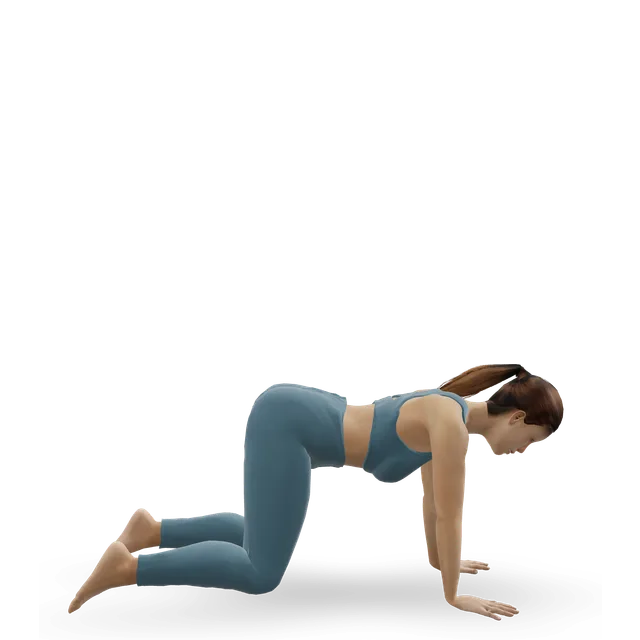 3D demoBear crawlIntermediate · No equipment
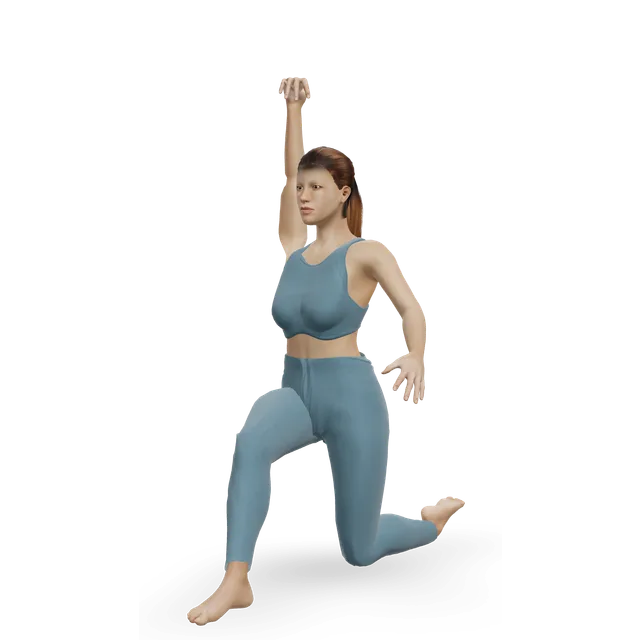 3D demoBodyweight get-upIntermediate · No equipment
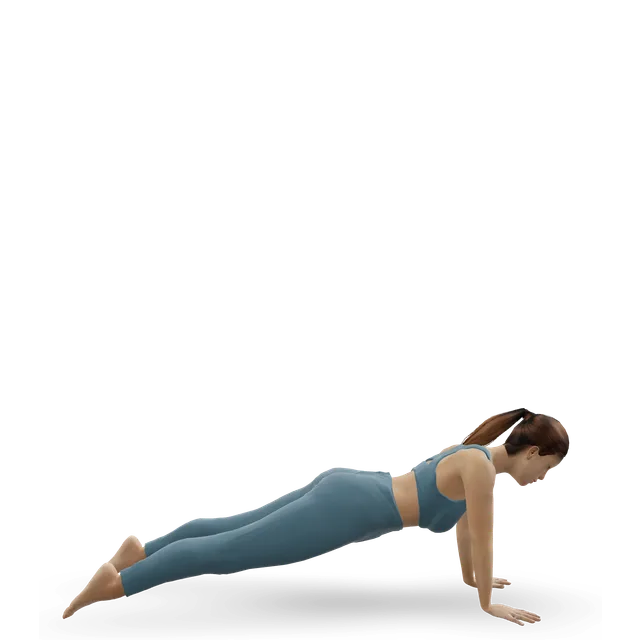 3D demoStraight-arm plank (high plank)Intermediate · No equipment
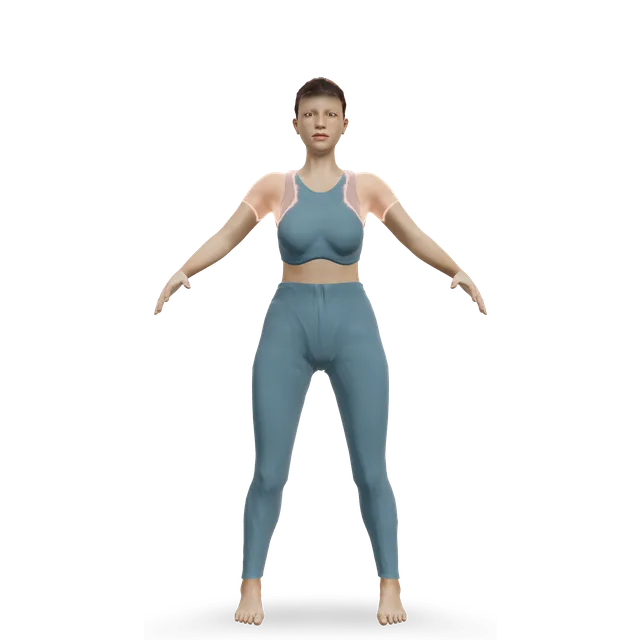 Human flagExpert · Other / check instructions
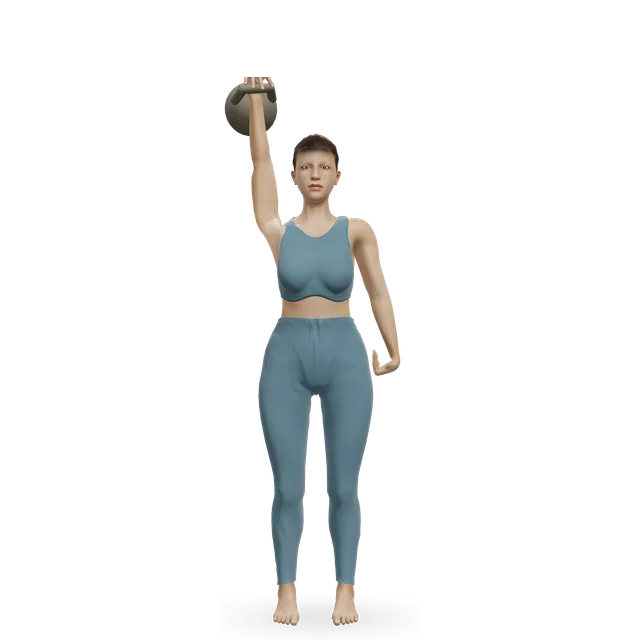 3D demoOverhead carry (waiter's walk)Intermediate · A dumbbell + A kettlebell
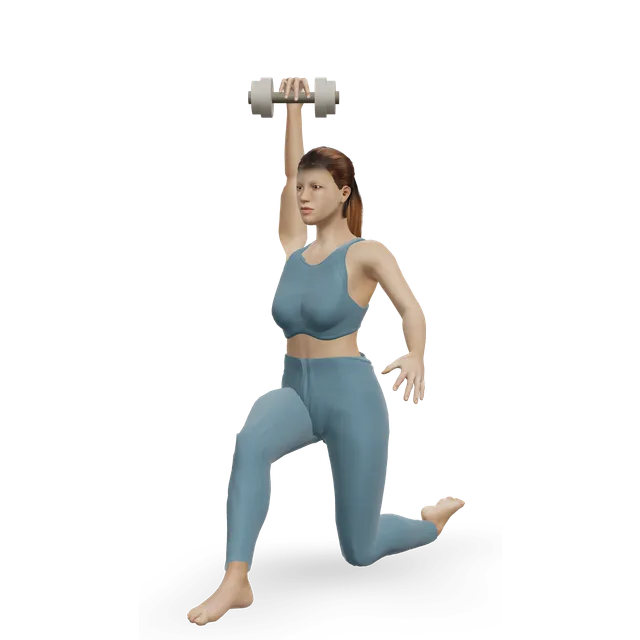 3D demoTurkish get-upAdvanced · A kettlebell + A dumbbell
Browse more
Questions people ask
What muscles does the Inchworm walkout work?
Mainly the abs and shoulders, with help from the hamstrings and triceps.
What equipment do I need for the Inchworm walkout?
No equipment: your body weight and a little floor space.
Is the Inchworm walkout good for beginners?
It is graded intermediate. If it is too hard right now, start with the Forearm plank.
What is an easier alternative to the Inchworm walkout?
Try the Forearm plank or the Leg pull-in. Both are written steps in the same progression.
How do I make the Inchworm walkout harder?
Progress to the Plank walk-up. Follow that guide’s technique and any stated timing.