Dead bug heel taps
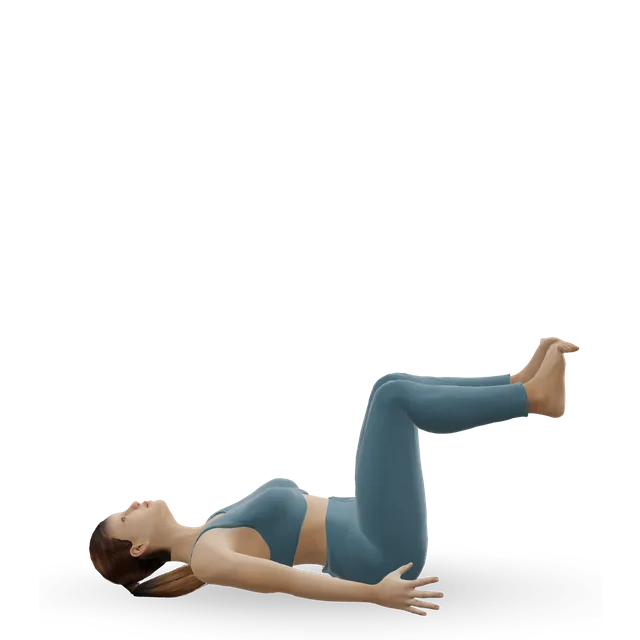
The dead bug with the arms left out: the hands stay flat by the hips and one bent leg at a time lowers to tap the heel, which asks less coordination and trunk control.
Trunk control family
Dead bug heel taps

Loading the 3D figure…
Source-researched guide. Clinical review is pending.
How to move
- Lie on your back with the hips and knees bent to right angles, the shins level, and the hands flat on the floor by the hips.
- Keeping the knee's bend, lower one leg slowly until the heel touches the floor.
- Bring it back up to the start, then lower the other.
Form cues
- Keep the low back resting on the floor; stop the leg short of the floor if it starts to arch.
- Breathe out as the leg lowers.
Practice and cautions
No universal dose is assigned. Choose a manageable amount for your current capacity, leave room for controlled repetitions, and allow recovery. A clinician’s individual plan takes priority.
In pregnancy, after the first trimester, keep time flat on your back to a few minutes: prop your upper body up, or use a side-lying or all-fours version. Roll onto your side if you feel dizzy, sick or unwell. This is movement education, not an assessment or treatment prescription. Stop for sharp or increasing pain, dizziness, numbness or tingling; seek individual guidance for symptoms, injury or restrictions.
Sources and review status
Sources support the educational description; they do not establish that this exercise is suitable for you.
- ACE · Supine dead bug (beginner; the heel lowers toward the floor from knees over hips) ↗
- Chan 2020 · The Sahrmann core test, its levels progressively harder (one heel lowered to the floor from 90/90 is level 2) ↗
No variation is labeled clinically validated.
What it works
Equipment
None: body weight and floor space.
Level
Beginner. See the easier and harder options above.
Workouts that use it
- Ab workout (no equipment) · 20 min
- Beginner Pilates workout · 20 min
- Pilates for back pain (gentle routine) · 15 min
- Beginner Pilates for over-50s · 20 min
- Hypermobility exercises: a strength and control routine · 25 min
- Gentle exercises for endometriosis: breathe, steady and stretch · 20 min
- Postnatal strength workout (from about 6 weeks) · 25 min
- Exercise after rhabdomyolysis: a light session for the first weeks back · 30 min
Show all 53 workoutsShow fewer workouts
- Core exercises with a stoma: levels 3 and 4 · 25 min
- Beginner barre workout at home: pliés, rises, leg lifts and holds at a chair, then mat work · 25 min
- Pilates for scoliosis: an even, both-sides routine · 20 min
- Pilates for MS: seated, standing and mat options · 25 min
- Pilates for hypermobility: a supported 20-minute class · 20 min
- Pilates for neck pain: a 20-minute head-supported class · 20 min
- Core session A: dead bugs, curls and front planks · 12 min
- Stepped wall Pilates class: standing moves, then feet on the wall · 20 min
- Flutter kick progression workout: from heel taps to low flutter kicks · 15 min
- Lower ab workout: a leg raise ladder from heel taps to bench leg raises · 15 min
- Big-movement Pilates for Parkinson's: a 25-minute chair, counter and mat class · 25 min
- Spine-extension Pilates for ankylosing spondylitis: a 25-minute class for posture, rotation and breathing · 25 min
- Yoga for hypermobility: a 25-minute stability-first class · 25 min
- Hands-free Pilates for lupus: a 30-minute class with a warm-up, balance, strength and a stretching cool-down · 30 min
- Yoga for SI joint pain: a 20-minute even, strength-first class · 20 min
- Stretch-and-strengthen Pilates for the hip flexors: a 25-minute class for the front and back of the hip · 25 min
- Even Pilates for SI joint pain: a 20-minute both-sides class, strength first · 20 min
- Pilates for a herniated disc: a 20-minute knees-bent class that lets your leg decide · 20 min
- Pilates for spinal stenosis: a 25-minute bend-forward class, from chair to mat to counter · 25 min
- Yoga for spinal stenosis: a 25-minute bend-forward class, from chair to mat to counter, with no backbends · 25 min
- Wrist-free Pilates for carpal tunnel: a 25-minute class with nerve and tendon glides and no weight on your palms · 25 min
- Yoga for spondylolisthesis: a 25-minute class with the spine still, bending forward to rest and no backbends · 25 min
- Spine-still Pilates for spondylolisthesis: a 25-minute class with no deep arching · 25 min
- Build-stage Pilates for hip bursitis: a 25-minute class that loads the side of the hip without squeezing it · 25 min
- Yoga for a hip labral tear or impingement: a 25-minute class that builds hip strength and stays out of the pinch · 25 min
- Pinch-free Pilates for a hip labral tear or impingement: a 25-minute class for hip strength in every direction · 25 min
- Floor Pilates for PoTS: a 20-minute class that never asks you to stand · 20 min
- Pilates after tummy surgery: a 25-minute return class in three stages, with a stop point after each · 25 min
- Up-in-stages Pilates for low blood pressure: a 25-minute class that wakes your legs before you stand · 25 min
- Yoga for gymnasts: a 25-minute control class for wrists, shoulders, the trunk and active range, with no extra stretching · 25 min
- After-shift Pilates for nurses: a 20-minute class with your legs up, a gentle lower back, hips, neck and shoulders, and a wind-down for sleep · 20 min
- Chair-to-mat Pilates for veterans: a 25-minute class for the back, upper back, legs and balance, with a seated option for every block · 25 min
- Remission-day Pilates for Crohn's and colitis: a 25-minute class for core levels 2 and 3, standing strength for bones and muscles, and a flare-day stop point · 25 min
- Spine-still yoga after spinal fusion: a 25-minute class for the first months, with no bending, twisting or arching of your back · 25 min
- Back-still Pilates after spinal fusion: a 25-minute return class in three stages, with a stop point after each · 25 min
- Knee-kind Pilates after ACL surgery: a 25-minute class in three stages, with no kneeling until you're cleared · 25 min
- Supported Pilates for cerebral palsy: a 25-minute class lying, sitting and standing with a chair, for trunk control and balance · 25 min
- Pilates after a hamstring strain: a 25-minute class with the hamstrings working, not stretching · 25 min
- Pilates after a groin strain: a 25-minute class with squeezes, side-lying work and side planks, and no wide-legged stretching · 25 min
- Pilates after whiplash: a 15-minute seated and lying class for the first weeks, head supported, with small neck movements · 15 min
- Pilates with weights and impact for women over 40: a 40-minute class for strength, bone and the pelvic floor · 40 min
- Trauma-sensitive Pilates: a 20-minute class where every move is your choice, sitting first, then standing, then an optional mat block · 20 min
- Buddy Pilates for Down syndrome: a 25-minute class for trunk control, balance and strength, with nothing on the head or neck · 25 min
- Counter-to-mat Pilates for women over 60: a 30-minute class for the pelvic floor, bone, leg and back strength, and balance · 30 min
- Band and chair Pilates for prostate cancer: a 30-minute class for strength, balance and the pelvic floor (head down, no twists) · 30 min
Pain guides that use it
Part of a staged plan, with when to get help first.
- Lower back pain: exercises that help, and when to get it checked
- Back spasm or pulled back muscle: what to do now, and what helps it settle
- Herniated, bulging or slipped disc: what the scan means and how to exercise
- Lumbar spinal stenosis: exercises that ease leg pain when you walk
- SI joint pain: exercises, belts and what the evidence really shows
- Hip impingement (FAI): exercise first, and what to expect
- Hip flexor pain: strengthen first, and the truth about tight hip flexors
- Hip labral tear: exercise first, what surgery adds, and what to avoid
Show all 70 pain guidesShow fewer pain guides
- Spondylolisthesis and spondylolysis: exercises for a slipped or cracked vertebra, at any age
- Facet joint pain in the lower back: what it is, what helps, and what injections can do
- Snapping hip: why your hip clicks or pops, and exercises that help
- Hip dysplasia in teenagers and adults: exercise, surgery and what to expect
- Sports hernia (inguinal-related groin pain): rehab, surgery and how it differs from a hernia
- Exercises after back surgery: discectomy, decompression and fusion, stage by stage
- Osteitis pubis (pubic bone pain): rehab, recovery time and how it differs from a sports hernia
- Avascular necrosis of the hip: causes, stages, treatment and safe exercise
- Pulled stomach muscle and side strain: tummy pain that isn't a strain, recovery times, and a staged plan
- Hip pointer: a bruised hip bone, the teenage fractures that mimic it, and getting back to sport
- Hip pain when squatting: the pinch at the front of the hip, finding your stance and building back
- Hip pain when running: what's likely, the stress fracture not to miss, and how to build back
- Groin pain when running: what's likely, the hip stress fracture not to miss, and how to build back
- Hip pain when cycling: groin, outer hip or buttock, what to change on the bike and how to build back
- Lower back pain on one side, right or left: the back, the kidneys and other causes, and what helps
- Groin pain: a strain, a hernia, the hip joint, the testicles and the other causes to know
- Lower back pain in women: the back itself, periods, pregnancy, the menopause, bones and the kidneys
- Lower back pain in men: the back itself, lifting at work, the kidneys, the prostate and an aneurysm
- Back pain when sneezing or coughing: a strain, a disc or a fracture, how to brace and when to worry
- Lower back pain after a workout: soreness or a strain, the moves behind it, and training again
- Back pain in pregnancy: why it happens in each trimester, what helps, and the signs to call about
- Hip pain in men: impingement when young, arthritis later, the back, a hernia and the signs to check
- Groin pain in men: strains, hernias, the hip, the testicles and prostate, and the signs to act on
- Back pain in menopause and perimenopause: the back itself, thin bones, fractures and what helps
- Groin pain in women: the hip, inner thigh strains, hernias, the pubic bone, gynae and urinary causes
- Hip pain when lifting your leg: the hip flexors, the joint, the groin, socks, the car and what helps
- Groin pain when sitting: the hip joint, a strain, a hernia, the nerves, pelvic causes and what helps
- Lower back pain when twisting: strains, the facet joints, discs, golf, lifting and what helps
- Lower back pain when doing leg raises: the arch, the hip flexors, the tummy muscles and what helps
- Lower back pain when doing planks: the sag, the hip flexors, holding too long and what helps
- Lower back pain when doing sit-ups: the arch, the hip flexors, the tailbone, crunches and what helps
- Lower back pain when doing lunges: the arch, the trunk lean, the back hip, stance and balance
- Hip flexor pain when doing sit-ups: the front of the hip, anchored feet, the groin and swaps
- Lower back pain when doing burpees: the plank, the landing, tiredness and the swaps that help
- Hip pain when doing mountain climbers: the hip flexors, a pinch at the front, pace and the plank
- Hip pain when doing step-ups: the front of the hip, a pinch in the joint, the outer hip, box height
- Back pain when doing push-ups: the lower back sagging, between the shoulder blades, and swaps
- Lower back pain when doing Russian twists: the rounded twist, your feet, the obliques and swaps
- Hip pain when doing hip thrusts: hip bones under the bar, a pinch at the front, the groin and swaps
- Groin pain when doing sit-ups: hooked feet, the inner thigh, the lower tummy, hernias and swaps
- Lower back pain when doing lat pulldowns: leaning back, the thigh pad, the bar and what helps
- Hip flexor pain when doing leg raises: the front of the hip, clicks, a pinch, the groin and swaps
- Back pain from jump rope: landings, posture and rope length, young athletes and what helps
- Lower back pain when doing Bulgarian split squats: the arch, the lean, the load, balance and swaps
- Lower back pain when doing ab wheel rollouts: the sag, how far to roll, the hip flexors and swaps
- Lower back pain on the treadmill: incline walking, the rails, running on the belt and what helps
- Lower back pain on the stair climber: leaning on the rails, posture, speed and what helps
- Hip pain on the rowing machine: a pinch at the catch, the hip flexors, the seat and what helps
- Hip pain when swimming: the breaststroke kick, the groin, the hip flexors, turns and what helps
- Lower back pain from golf: the swing, which side, discs and nerves, range practice and what helps
- Lower back pain from tennis: the serve, load, stress fractures in young players and what helps
- Neck pain from Pilates: the hundred, curl-ups, rolling moves and the reformer, and what to change
- Hip pain after dancing: the front of the hip, the groin, snapping, turnout and kicks, and what helps
- Back pain from skiing: the stance, long days, falls and lifts, snowboarders' backs and what helps
- Back pain from surfing: paddling, pop-ups, wipeouts, surfer's myelopathy and what helps
- Back pain from basketball: jumping, landing, contact, stress fractures in teens and what helps
- Back pain from pickleball: bending for low balls, twisting, lunges, stenosis and what helps
- Back pain from volleyball: spiking and serving, jumping, stress fractures in teens and what helps
- Back pain after football (soccer): kicking, tackles, young players' stress fractures and what helps
- Hip and groin pain after football (soccer): groin strains, sports hernia, impingement and help
- Back pain after rugby: scrums, rucks and tackles, young players' stress fractures and what helps
- Back pain from hockey: field and ice hockey, the crouch, drag flicks, young players and what helps
Guides that use it
- Pilates guide
- Pilates for beginners guide
- Pilates for your core guide
- Benefits of Pilates guide
- Pilates for back pain guide
- Pilates in pregnancy guide
- Pilates for osteoporosis guide
- Pilates for menopause guide
Show all 105 guidesShow fewer guides
- Pilates for scoliosis guide
- Pilates for sciatica guide
- Pilates for MS guide
- Pilates for hypermobility guide
- Pilates for neck pain guide
- Somatic Pilates guide
- Pilates at home guide
- Pilates for women guide
- Pilates for endometriosis guide
- Pilates for Parkinson's guide
- Pilates for ankylosing spondylitis guide
- Pilates for teenagers guide
- Pilates for chronic pain guide
- Pilates for lupus guide
- Pilates for the hip flexors guide
- Pilates for rheumatoid arthritis guide
- Pilates for SI joint pain guide
- Pilates for a herniated disc guide
- Pilates for spinal stenosis guide
- Pilates for bloating guide
- Pilates for carpal tunnel guide
- Pilates for headaches guide
- Pilates for spondylolisthesis guide
- Pilates over 50 guide
- Pilates for a hip labral tear guide
- Pilates for cervical spondylosis guide
- Pilates for POTS guide
- Pilates for piles guide
- Pilates with a hernia guide
- Pilates after gallbladder removal guide
- Pilates for low blood pressure guide
- Pilates for acid reflux guide
- Pilates after a hysterectomy guide
- Pilates after a concussion guide
- Pilates for anaemia guide
- Pilates for nurses guide
- Pilates for veterans guide
- Pilates for IBS guide
- Pilates for Crohn's disease and colitis guide
- Pilates after spinal fusion guide
- Pilates after ACL surgery guide
- Pilates for cerebral palsy guide
- Pilates for a hamstring injury guide
- Pilates for a groin strain guide
- Pilates for whiplash guide
- Pilates for women over 40 guide
- Pilates for epilepsy guide
- Pilates for PTSD guide
- Pilates for autism guide
- Pilates for Down syndrome guide
- Pilates for tinnitus guide
- Pilates for older women guide
- Pilates for spine health guide
- Pilates for the waist guide
- Pilates for women over 50 guide
- Pilates for prostate cancer guide
- Yoga for hypermobility guide
- Yoga for SI joint pain guide
- Yoga for spinal stenosis guide
- Yoga for spondylolisthesis guide
- Yoga for degenerative disc disease guide
- Yoga for hip flexors guide
- Yoga for a hip labral tear guide
- Yoga for ovarian cysts guide
- Yoga for a hernia guide
- Yoga for PoTS guide
- Yoga for gymnasts guide
- Yoga after spinal fusion guide
- Yoga after a hysterectomy guide
- Psoas release guide
- Hypermobility guide
- Exercise after giving birth
- Exercise for hypermobility
- Diastasis recti exercises
- Exercise for endometriosis
- Exercise for IBS
- Exercise with Crohn's and colitis (IBD)
- Exercise with a hernia and after hernia surgery
- Exercise after a hysterectomy
- Rhabdomyolysis (rhabdo) and exercise
- Exercise with a stoma
- Exercise after weight-loss surgery
- Exercise after a caesarean (C-section)
- Exercise after gallbladder removal
- Exercise after appendix removal (appendectomy)
- Exercise while breastfeeding
- Anterior pelvic tilt guide
- Rib flare guide
- Dead bugs guide
- Hollow body hold guide
- Reverse crunches guide
- Flutter kicks guide
- Bicycle crunches guide
- Leg raises guide
- V-ups guide
- Core strength guide
- Strengthen your hip flexors guide
Similar moves
 3D demoDead bugBeginner · No equipment
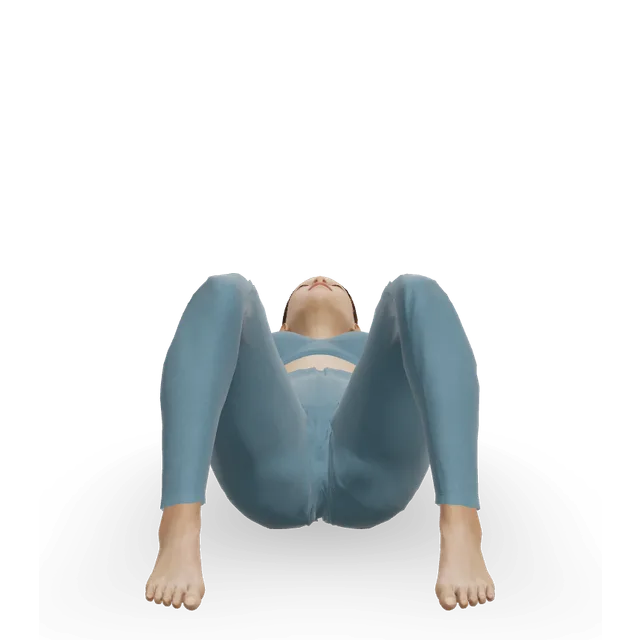 3D demoAlternating heel touchBeginner · No equipment
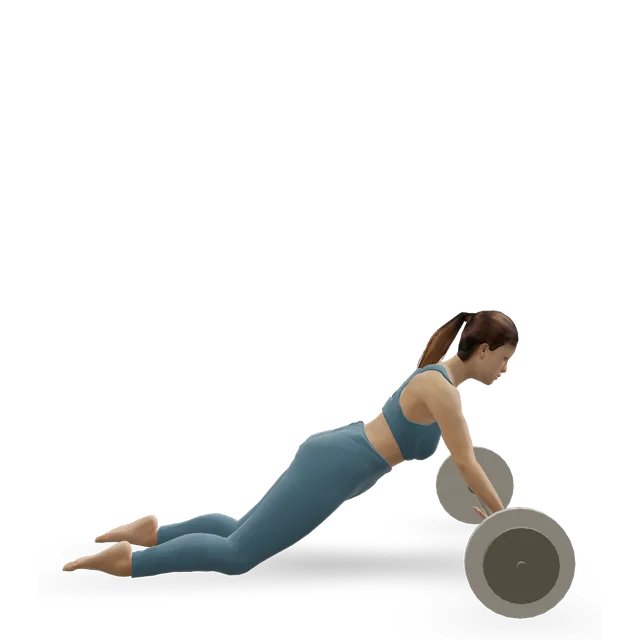 3D demoAb wheel rollout from the kneesAdvanced · An ab wheel
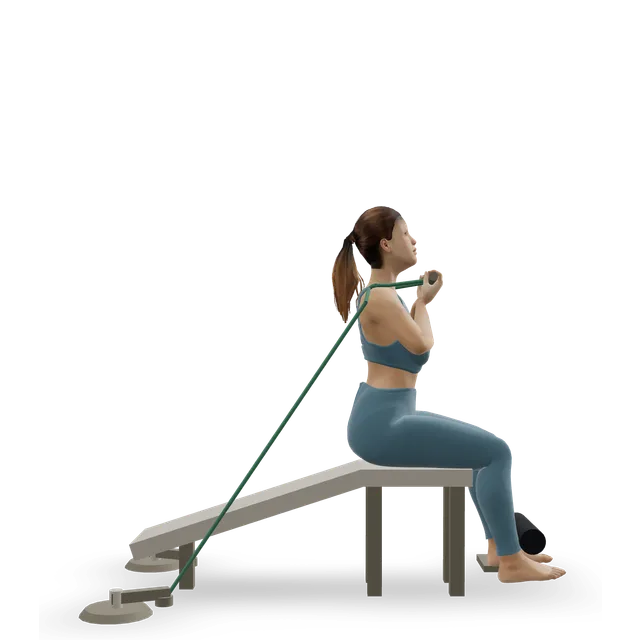 3D demoBanded decline sit-upIntermediate · A band + A bench or box
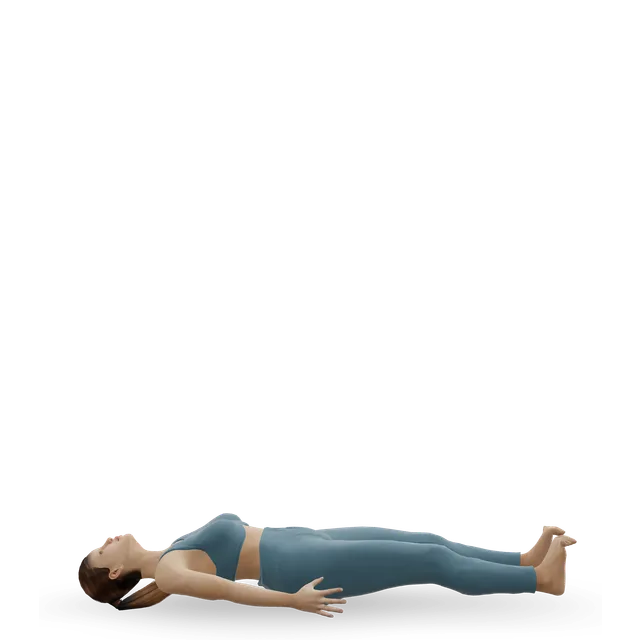 3D demoBench leg pull-inIntermediate · A bench or box
 3D demoBent-knee hip raiseIntermediate · No equipment
Browse more
Questions people ask
What muscles does the Dead bug heel taps work?
Mainly the abs, with help from the hip flexors.
What equipment do I need for the Dead bug heel taps?
No equipment: your body weight and a little floor space.
Is the Dead bug heel taps good for beginners?
It is graded beginner, so it suits most people starting out. When it feels easy, try the Forearm plank.
What is an easier alternative to the Dead bug heel taps?
Try the Bent-knee fall-out or the Knee fold. It is the suggested step down from this move.
How do I make the Dead bug heel taps harder?
Progress to the Forearm plank or the Leg pull-in. Follow that guide’s technique and any stated timing.