Sleeper stretch
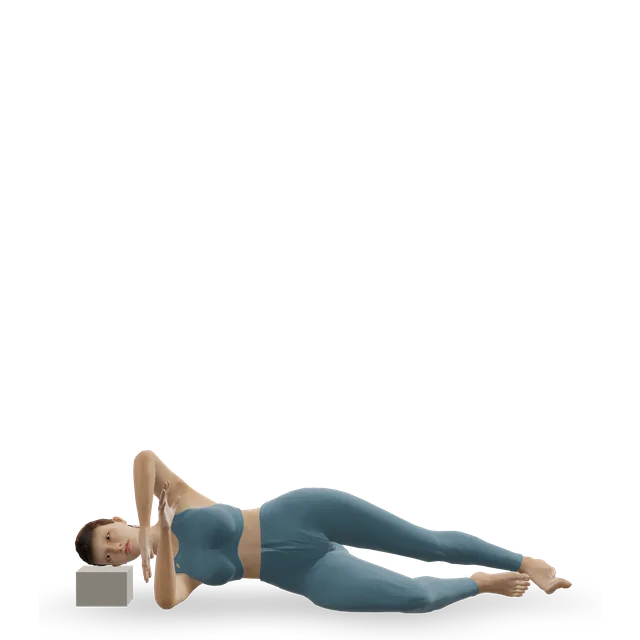
Lying on the shoulder with the arm out in front and the elbow bent square, the top hand easing the forearm down: the body's weight holds the shoulder blade, so the shoulder itself turns inward. More targeted, and easier to overdo.
Posterior shoulder stretch family
Sleeper stretch
Loading the 3D figure…
Source-researched guide.
How to move
- Lie on your side on a firm surface, the head on a pillow and the bottom shoulder under you.
- Bring the bottom arm straight out in front at shoulder height and bend the elbow to a right angle, the fingers toward the ceiling.
- With the top hand, press the forearm gently toward the floor until the back of the shoulder pulls; hold about 30 seconds, then let it back up.
Form cues
- Keep the pressure light and slow.
- Roll the trunk back a little if the front of the shoulder pinches.
Practice and cautions
No universal dose is assigned. Choose a manageable amount for your current capacity, leave room for controlled repetitions, and allow recovery. A clinician’s individual plan takes priority.
Easy to overdo: lying on the shoulder already compresses it, and pressing hard or through a front-of-shoulder pinch can aggravate impingement. Keep the pressure light, roll your trunk back slightly if it pinches, and skip it entirely with a currently painful or unstable shoulder. This is movement education, not an assessment or treatment prescription. Stop for sharp or increasing pain, dizziness, numbness or tingling; seek individual guidance for symptoms, injury or restrictions.
Sources and review status
Sources support the educational description; they do not establish that this exercise is suitable for you.
- AAOS OrthoInfo · Rotator cuff and shoulder conditioning program (the crossover arm stretch, and the sleeper stretch lying on the shoulder, the head on a pillow) ↗
- Laudner 2008 · Acute effects of the sleeper stretch (side-lying with the shoulder and elbow at 90°, the body's weight holding the shoulder blade; J Athl Train) ↗
- Manske 2013 · Glenohumeral motion deficits (the cross-body stretch for the back of the shoulder; the sleeper stretch can pinch the shoulder, so roll the trunk back or lower the arm; IJSPT) ↗
No variation is labeled clinically validated.
What it works
Muscles
Main: Shoulders. Also: Back.
Anatomy: Deltoid, Rotator cuff, Supraspinatus, Infraspinatus, Subscapularis, Teres minor.
Equipment
None: body weight and floor space.
Level
Intermediate. See the easier and harder options above.
Pain guides that use it
Part of a staged plan, with when to get help first.
- Frozen shoulder: exercises matched to how sore it is, and what really helps
- SLAP tear: why most don't need surgery, exercises that help, and getting back to throwing
- Shoulder pain when reaching behind your back: the rotator cuff, frozen shoulder, the front, dressing
- Shoulder pain when throwing: the rotator cuff, the labrum, instability, throwing load and what helps
- Shoulder pain from tennis: the serve, rotator cuff, labrum, racket and strings, and what helps
Guides that use it
Similar moves
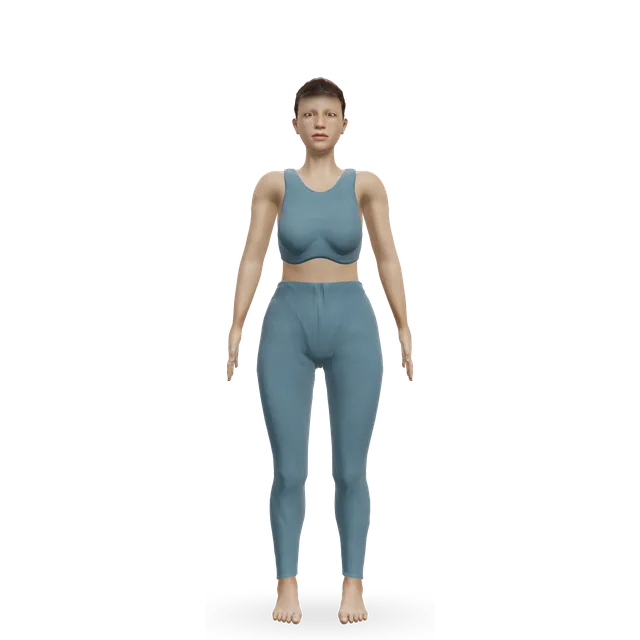 3D demoUpward stretch, hands pressing backBeginner · No equipment
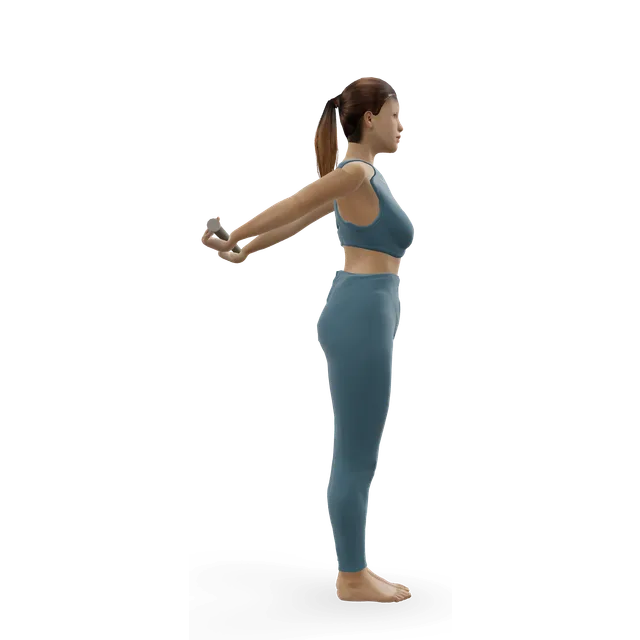 3D demoBehind-the-back stick shoulder stretchBeginner · Other / check instructions
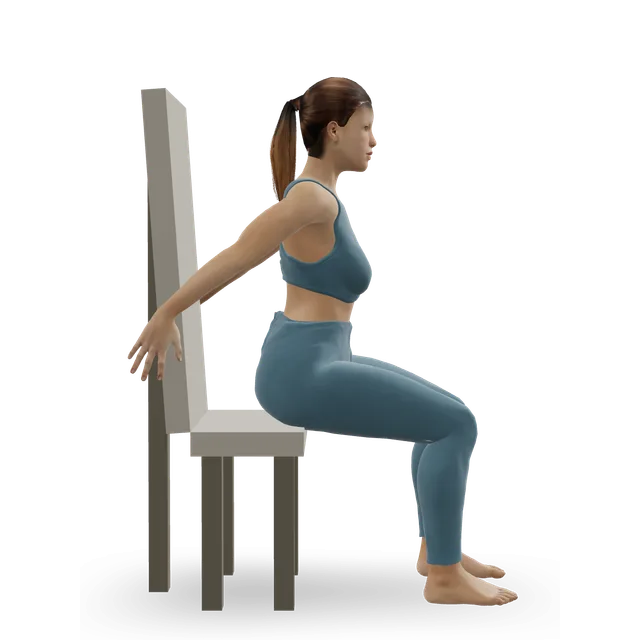 3D demoChair chest and shoulder stretchBeginner · A bench or box
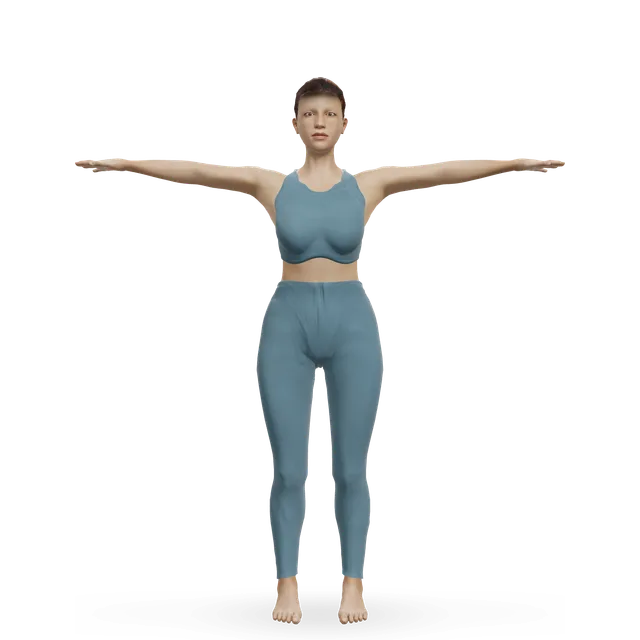 3D demoArm circlesBeginner · No equipment
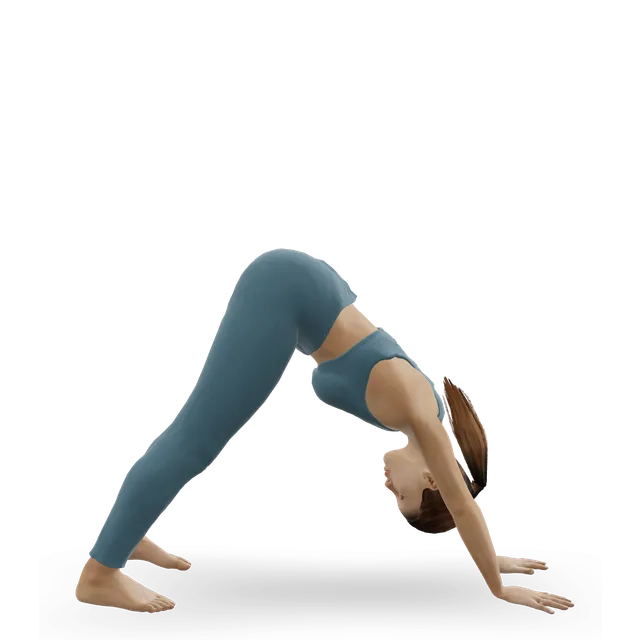 3D demoDownward-facing dog (Adho Mukha Svanasana)Beginner · No equipment
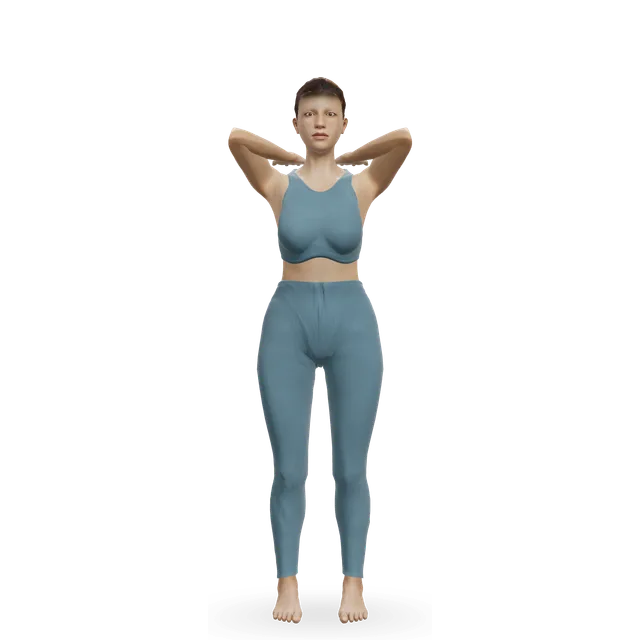 3D demoElbow circlesBeginner · No equipment
Browse more
Questions people ask
What muscles does the Sleeper stretch work?
Mainly the shoulders, with help from the back.
What equipment do I need for the Sleeper stretch?
No equipment: your body weight and a little floor space.
Is the Sleeper stretch good for beginners?
It is graded intermediate. If it is too hard right now, start with the Cross-body shoulder stretch.
What is an easier alternative to the Sleeper stretch?
Try the Cross-body shoulder stretch or the Side wrist pull (cross-body upper-back stretch). Both are written steps in the same progression.
How do I make the Sleeper stretch harder?
Progress to the Sots press. Follow that guide’s technique and any stated timing.