Training guide

How to do renegade rows: the plank and the row, dumbbells or kettlebells, your core and wrists, and how many

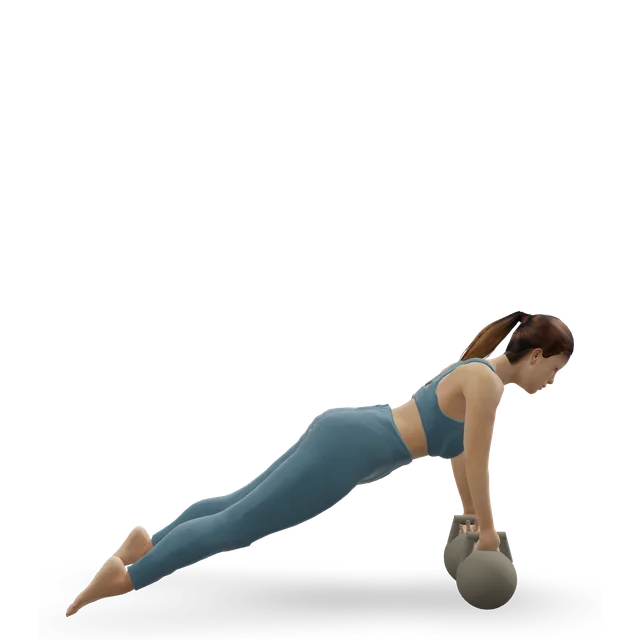
A renegade row is a row from a high plank: your hands on two dumbbells or kettlebells and your feet wide, you row one weight to your ribs while the other arm and your feet hold your body still, then swap. It's a plank and a row at once, and in our view your plank, not your back, decides how heavy you can go.

Nobody has studied the renegade row itself, so this guide uses what studies of planks, push-ups and one-arm rows show: rowing with one arm makes your trunk fight the twist, holding a plank raises your blood pressure, and how your wrists bend changes the load on them. The doses and the ladder here are our editorial starting points.

It covers the steps on the 3D figure, easier versions, dumbbells or kettlebells, your wrists, how heavy and how many, and who should swap it for something else.

The short version

A plank and a row at once

From a high plank on two dumbbells or kettlebells, row one weight to your ribs without letting your hips turn, lower it, then row the other side. The American Council on Exercise (ACE) adds a push-up between rows and rates it advanced; a National Strength and Conditioning Association (NSCA) article lists it among the complex rows.

Sources 1, 2

Nobody has studied it

We found no study of the renegade row's muscle activity, spine load, wrist load or training effect. One small report in 10 archers had no comparison group. Everything below comes from studies of planks, push-ups and one-arm rows.

Source 3

One arm at a time makes your trunk fight the twist

Rowing with both arms drew only 37 to 41% of the side-trunk (external oblique) activity of rowing with one in 15 trained men, and one-arm dumbbell presses worked the obliques far harder than two-arm presses. In push-ups, holding yourself on one arm gave the highest spine load of the styles tested in 10 people.

Sources 4, 5, 6

Light weights, wide feet, flat bells

Use light weights: your plank, not the row, sets the limit (our editorial view). Feet wider than your hips are steadier, and hex dumbbells or kettlebells that sit flat won't roll, as the move page says. Keep your hands under your shoulders, as ACE describes.

Source 1

Your wrists

Gripping the handles keeps your wrists straight. In 8 donated wrists, a bent-back push-up position raised pressure in part of the wrist joint, and in 14 volunteers force passed more evenly through a straight wrist. The evidence is mixed (see below), but handles suit most healthy wrists.

Sources 7, 8

How many, and who should swap it

Once a straight-arm plank is steady, start with 2 sets of 6 to 8 each side and end each set when your hips start to turn (our editorial starting point). Blood pressure climbs in a plank, so keep sets short and breathe. Leave it out with heart failure, as the British Heart Foundation advises for planks, and in the first weeks after a birth, when the NHS advises avoiding planks to start with.

Sources 9, 10, 11

What a renegade row is, and what it works

The exercise

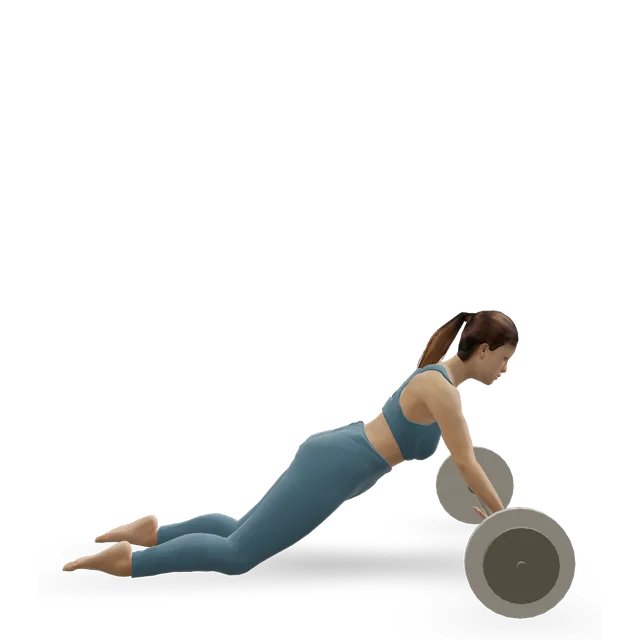
A row from a push-up plank: one hand presses its weight into the floor while the other rows its weight up beside your ribs, your hips staying level and square to the floor. The move page and our 3D figure use two kettlebells; ACE's version uses dumbbells and adds a push-up between each pair of rows. People also call it the plank row or the push-up row.

Source 1

What it works

The rowing arm's lats, middle back, rear shoulder and biceps; the supporting arm's chest, shoulder and triceps; and your trunk, which stops your body twisting towards the lifted side and sagging. No study has measured it, but one-arm rows worked the obliques at the sides of the trunk far harder than two-arm rows.

Source 4

What you need first

"A solid plank and the supported single-arm row", as the move page puts it: in practice, 3 straight-arm plank holds of 30 seconds with your hips level, and one-arm rows on a bench without twisting. ACE rates it advanced and the NSCA calls it complex, so start with the knees-down version.

Sources 1, 2

How people differ

Everyone's body weight goes through their hands in a plank, so larger bodies carry more through the wrists and shoulders; wider feet make it steadier for everyone. Wrist and shoulder comfort varies: handles keep your wrists straight, and a bench under your hands takes some weight off. Row only as high as you can without your hips turning (our view).

How to do a renegade row, step by step

From the move page's steps and cues ("Widen the feet to steady the hips"; "Hold the plank first; only the row moves") and ACE's set-up. The figure uses kettlebells; hex dumbbells work the same way. The bracing and breathing cues follow our plank and breathing guides; the counting and stopping rules are editorial.

  1. Put two hex dumbbells, or kettlebells that sit flat, on a firm floor about shoulder-width apart with the handles parallel. Start light.
  2. Kneel, grip the handles with your wrists straight, and step back into a high plank with your hands under your shoulders and your feet wider than your hips.
  3. Brace: ribs down, glutes lightly squeezed, one straight line from your head to your heels.
  4. Press one weight into the floor and, breathing out, row the other up beside your ribs, elbow close to your side, without letting your hips turn or sag.
  5. Lower it under control and set it down quietly before you shift your weight.
  6. Row the other side. One row on each side counts as one rep each side.
  7. End the set when your hips start to turn, sag or pike, or your wrists ache.

Loading the 3D figure…

Gets into position, then repeats the movement. Technical checks passed; qualified exercise review is pending.

The movement on the figure: Renegade row

What the evidence says

No study of the renegade row itselfEmerging evidence

We searched the research and found no study of muscle activity, spine load, wrist load or controlled training in the renegade row. The one training report we found had 10 female archers do renegade rows 3 times a week for 18 sessions; a push-and-pull test rose from 38.5 to 43.9 points, but with no comparison group it shows nothing any training wouldn't.

Source 3

One-arm loading works the sides of your trunkEmerging evidence

In 15 trained men, two-arm rows drew only 37 to 41% of the external oblique activity of one-arm rows. In 15 men, external oblique activity was about 81% lower seated and 68% lower standing in two-arm than one-arm dumbbell presses, and in 11 adults one-arm chest presses raised the activity of all the trunk muscles measured. A renegade row loads one arm at a time from a plank, so it very likely asks a lot of the obliques (our reading; untested).

Sources 4, 5, 12

One-arm support raises the load on your spineEmerging evidence

In 10 fit university-age adults doing up to 12 push-up styles, the one-arm push-up gave the highest compression of the lower spine, and staggered hands switched which side of the abs worked harder. A renegade row has you on one arm for each row, so it isn't a gentle exercise for the back (our reading).

Source 6

Blood pressure climbs in a plankEmerging evidence

In 62 healthy adults (average age 27, about half of them women) holding a plank until they tired, 97% passed the study's safety limit for the lower blood pressure number (115 mmHg) after about 50 seconds; nobody came to harm. Holding your breath under load drives blood pressure higher still. Keep sets short and breathe out on every row.

Sources 9, 13

Effort isn't growthEmerging evidence

Muscle activity measured in one session isn't a validated predictor of muscle growth, so none of these studies shows what renegade rows build over months.

Source 14

Easier and harder: from the plank to the push-up version

Our editorial ladder: work up when the step you're on is steady. The knee plank, 3 holds of 15 to 30 seconds (our plank challenge workout), or the knee hover, 3 holds of 15 to 30 seconds (its move page's dose); the straight-arm plank, 3 holds of 15 to 30 seconds (its move page's dose); plank walk-ups, 3 sets of 6 to 10 (our plank challenge workout), for shifting your weight between arms; the one-arm row on a bench, 3 sets of 10 to 12 each side (our pull day workout B), for the row; then the renegade row, first with your knees down and then on your feet, 2 to 3 sets of 6 to 8 each side (our editorial starting point; the move page gives no dose); and finally ACE's version with a push-up between each pair of rows, 2 to 3 sets of 4 to 6 rounds (our editorial starting point).

Other versions

None of these has its own 3D demo: follow the renegade row on the figure with the change described.

Knees down

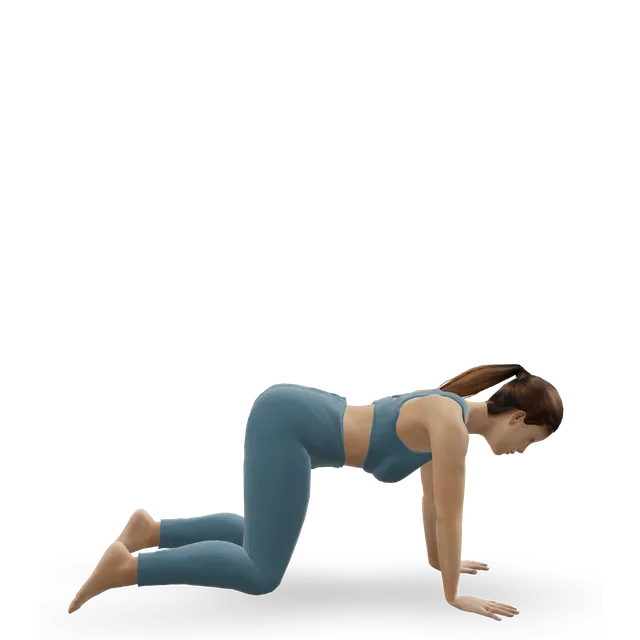
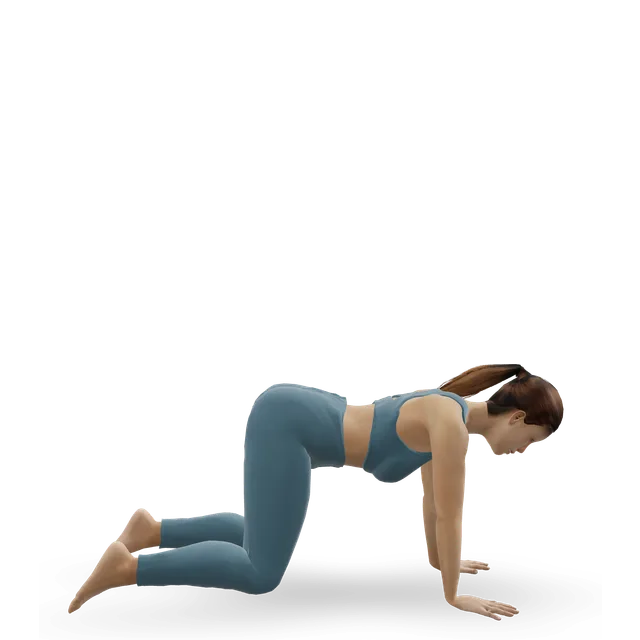
The same row from a kneeling plank, the easiest version. The NSCA article lists a "dumbbell quadruped row (on knees)" as an intermediate row, a step before the renegade row.

Source 2

Hands on a bench

Grip the dumbbells on a sturdy bench so your shoulders are higher than your feet; like an incline plank, it takes weight off your hands (our suggestion).

Feet wider or narrower

Wider is steadier; bring your feet in to make it harder once 3 sets of 8 each side are steady (our suggestion).

With a push-up

ACE's version: a push-up from the dumbbells, then a row with each arm. Our push-up guide teaches the push-up.

Source 1

One bell

One hand on the floor or a block and one on a single kettlebell, rowing one side at a time; finish one side, then swap (our suggestion).

Not the gorilla row

A gorilla row rows two weights alternately from a bent-over stance, not a plank, as our Pendlay row guide explains.

Your wrists and shoulders

Straight wrists on handles: mostly kinderMixed evidence

In 8 donated wrists, a push-up with the wrist bent back raised pressure in one part of the joint. In 14 volunteers, force passed more evenly through a straight wrist, which the authors judged likely safer, and in 14 men a straight wrist moved load from the elbow to the shoulder. But in 6 donated wrists with an existing ligament injury, the straight position widened the gap between two wrist bones more. So handles suit most healthy wrists; with a known wrist ligament injury, follow your hand therapist.

Sources 7, 8, 15, 16

What to do about sore wrists

Grip the middle of the handle with your wrist straight, go lighter, put your knees down or your hands on a bench, and warm up your wrists first. Our wrist pain in push-ups and planks guide has a staged plan.

Shoulders

The supporting shoulder carries a lot in each row. Press the floor away so your upper back doesn't sag, as our plank guide cues, and stop if a shoulder pinches. After a recent dislocation, leave out holding your weight on one arm until your shoulder guide or physiotherapist says so.

Dumbbells or kettlebells

Hex dumbbells

Their flat sides stop them rolling, and the handles keep your wrists straight. Round dumbbells can roll under your hand: avoid them here (our view).

Kettlebells

They work if they sit flat and steady, as the move page warns; a tall, narrow bell can tip as you press into it. Our figure uses kettlebells.

How heavy

Light: much lighter than your one-arm row. If your hips twist to finish a rep, the weight is too heavy for now (our editorial rule).

Common mistakes

Hips twisting towards the rowing side

Widen your feet, use a lighter weight and row a little less high, as the move page's cues suggest.

Hips sagging or piking

End the set, rest, and go back to the knees-down version, as our plank guide does for a sagging plank.

Rolling or tipping weights

Use hex dumbbells or bells that sit flat.

Wrists bending back over the handles

Grip the middle of the handle with a straight wrist, or go lighter.

Slamming the weights down

Lower each weight under control and set it down before you shift your weight.

Holding your breath

Breathe out as you row. Holding your breath drives blood pressure up sharply in hard efforts, as our breathing guide explains.

Source 13

How heavy, how many and how often

No study has tested renegade row doses. These are our editorial starting points, matching our dumbbell row and plank guides and our plans.

Build the base

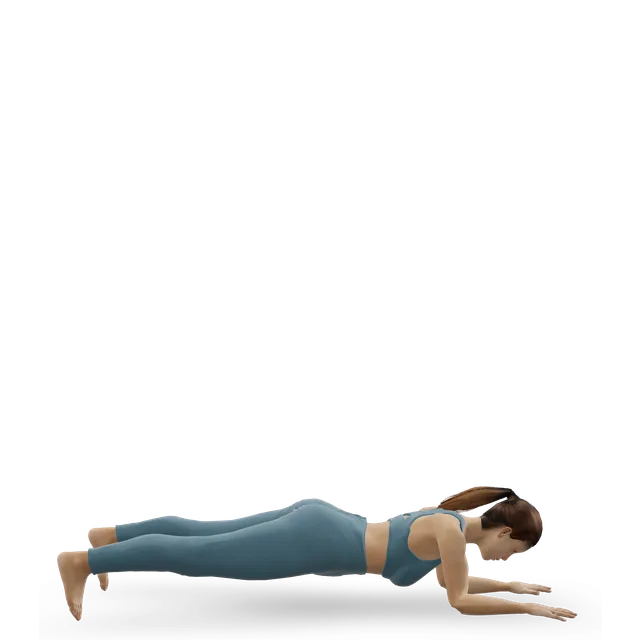
Straight-arm planks, 3 holds of 15 to 30 seconds (the move page's dose), until 3 holds of 30 seconds stay level, as our plank guide moves people on.

Your first sets

The knees-down renegade row, 2 sets of 6 to 8 each side, light (our editorial starting point).

Working sets

2 to 3 sets of 6 to 8 each side, stopping 2 or 3 reps short or when your hips start to turn (our dumbbell row guide's editorial 2 sets, with a third set added). You don't need to reach failure: it added a trivial amount of growth at most across 15 studies, and people misjudge the reps they have left by about one.

Sources 17, 18

Rest

About 90 seconds, as our plans advise for compound moves; resting more than about a minute gave a small growth benefit in a review of 9 studies.

Source 19

Progressing

Add reps up to 10 each side, then bring your feet closer, then use the next weight, then add the push-up (our editorial order, in the plans' reps-then-load pattern). Adding reps and adding load both worked in 43 trained people.

Source 20

How often

Once or twice a week as part of your core or upper-body work (our suggestion; our plank guide puts core work at 2 or 3 times a week). The NHS asks for strength work on at least 2 days a week.

Source 21

Warm up first

3 to 5 minutes of easy movement, wrist circles and rocks, and a few scapular push-ups, then a light first set, as our plans and the NHS suggest.

Source 22

Renegade rows against other exercises

The one-arm dumbbell row

For building your back, the one-arm row on a bench lets you row heavier and progress; the renegade row adds a plank, so it trains your trunk more and your back less (our view). Our dumbbell row guide covers it.

The plank

A renegade row is a straight-arm plank with a row added: harder for your trunk, and harder to keep short and breathing. Our plank guide covers holds.

The push-up

ACE's renegade row includes one. Our push-up guide covers the push-up and its wrist advice.

The Pallof press and side plank

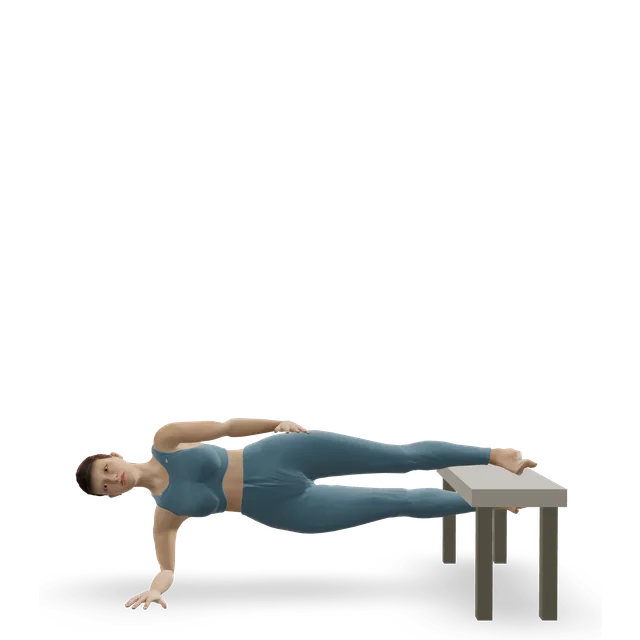
Both train your trunk against twisting or bending sideways without loading your wrists: good partners or swaps. Our Pallof press and side plank guides cover them.

The man maker

A longer chain that adds a squat, clean and press to the renegade row; it's a conditioning exercise, and we have no guide to it.

Moves that go with it

Warm up with the wrist and forearm flow, 60 seconds, and quadruped wrist rocks, 10 rocks each hand position (our wrist and forearm routine), and scapular push-ups, 10 reps (our dumbbell upper body workout). Train the rest of your trunk with side planks, 2 sets of 20 to 30 seconds each side (our full-body dumbbell workout B), the half-kneeling Pallof press, 2 sets of 8 to 10 each side (our full-body gym workout B), dead bugs, 2 sets of 6 to 8 each side (our full-body gym workout), bear crawls, 4 crawls of 8 to 10 metres (the move page's dose), and suitcase carries, 2 walks of 20 to 30 m each side (our dumbbell leg workout B).

Workouts to follow

None of our workouts includes renegade rows yet. Build the base with our plank challenge workout; the advanced core and full-body dumbbell B workouts suggest them as an option once a straight-arm plank is steady; the oblique workout trains the same anti-twist job without loading your wrists; and our kettlebell workout has the one-arm row.

Who should change it

Heart failure

Leave renegade rows out. The British Heart Foundation advises people with heart failure to avoid lifting heavy weights, holding their breath and "using your whole body as a weight, such as press-ups or planks".

Source 10

High blood pressure or heart disease

Blood pressure climbs in a plank. Keep sets short, breathe out on every row, use the knees-down version, and get advice first if your blood pressure is uncontrolled. The American Heart Association calls low- to moderate-intensity strength training with proper breathing safe when blood pressure is controlled.

Sources 9, 23

Glaucoma

Eye pressure rose during planks in healthy volunteers, as our plank guide explains: ask your eye team before long plank-based sets.

After a birth

The NHS advises trying to avoid exercises such as sit-ups, planks and high-impact exercises to start with, and seeing your GP if the gap between your tummy muscles is still obvious 8 weeks after the birth. Our diastasis recti guide brings planks back in stages; renegade rows come after full planks feel solid (our view).

Source 11

Pregnancy

Don't start renegade rows new in pregnancy: the NHS doesn't recommend starting new vigorous activity. If you already do them, move to the knees-down version and then to a one-arm row with a hand on a bench as your bump grows. A pregnancy charity advises avoiding exercises where a weight could hit your bump or you could lose your balance and fall. Stop if your tummy bulges into a ridge, as our plank guide says.

Sources 24, 25

A hernia, or after tummy surgery

After an umbilical or incisional hernia repair, leave planks out at first and build up through gentler core work, as our hernia guide says. With a hernia, leave out any move that makes it bulge.

Sore wrists or shoulders

Use the forearm plank and a one-arm row on a bench instead, and see our wrist pain in push-ups and planks guide or our shoulder pain guide.

Warning signs

Stop and get medical help

If you get chest pain or pressure, feel faint or dizzy, are unusually breathless, or your heart races or beats irregularly during exercise, as our plans advise. The American Heart Association says these need immediate medical evaluation.

Source 23

Call 999 (911 in the US)

For chest pain that comes on suddenly and doesn't go away, feels tight or like squeezing, spreads to your arms, neck, jaw, stomach or back, or comes with sweating, feeling sick, light-headedness or breathlessness; severe difficulty breathing; someone who faints while exercising; palpitations that don't go away, or come with chest pain, shortness of breath or feeling faint; or a headache that starts suddenly and is extremely painful, especially while lifting or straining, or comes with numbness or weakness, difficulty speaking or loss of vision. The NHS says a bleed on the brain may be more likely when lifting something heavy. Don't drive yourself to A&E.

Sources 26, 27, 28, 29, 30, 31

Back pain

Call 999 or go to A&E: loss of feeling or numbness around the genitals or bottom, new trouble peeing or controlling your bladder or bowels, changes in genital sensation during sex or problems with erections or orgasm, or pain, tingling, weakness or numbness in both legs. These are signs of cauda equina syndrome, which needs treating in hospital urgently. Don't drive yourself.

Same day (GP or NHS 111): back pain and you feel hot, cold, shivery or generally unwell, or severe pain that starts suddenly or is getting worse quickly.

Source 32

Your wrist

See a GP if wrist pain stops normal activities, is getting worse or keeps coming back, hasn't improved after 2 weeks of treating it at home, or comes with tingling or loss of feeling in your hand or wrist. Contact NHS 111 for severe wrist pain, a snap, grinding or popping noise at the time of an injury, a wrist you can't move or hold things with, a wrist that has changed shape or colour, or lost feeling in part or all of your hand.

Source 33

Your shoulder

Ask for an urgent GP appointment or get help from NHS 111 for sudden or very bad shoulder pain, an arm you can't move, a shoulder that has changed shape or is badly swollen, pins and needles that don't go away, no feeling in your arm or shoulder, an arm or shoulder that's hot or cold to touch, pain after an injury or a fall, or severe pain in both shoulders. Go to A&E if, after an injury, you can't move your arm or your shoulder looks out of place or has changed shape. See a GP if shoulder pain is getting worse or hasn't improved after 2 weeks.

Sources 34, 35

A hernia

See a GP if you think you have a hernia, a bulge or lump that may get bigger when you strain and smaller when you lie down. Get help from NHS 111 if you have a hernia and pain in or around it, a bloated tummy, you feel or are sick, you're vomiting blood or your vomit looks like coffee grounds, you're constipated, you have a high temperature or feel hot, cold or shivery, or you've suddenly become confused. Call 999 or go to A&E for a femoral hernia (a small lump at the top of your thigh, in your groin) with very bad tummy pain, sickness, being unable to fart or poo, a high temperature or sudden confusion.

Sources 36, 37

Before you start

Speak to your GP first if you haven't exercised for some time or have medical conditions or concerns, as the NHS advises. Get advice before heavy lifting or hard straining work if your blood pressure is uncontrolled, or you have heart disease or chest pain when you're active, a pacemaker or defibrillator, diabetic eye disease, glaucoma, a hernia, recent eye or tummy surgery, or you're pregnant, as our breathing guide lists. After a recent shoulder dislocation or shoulder surgery, follow our shoulder dislocation guide or your surgical team first.

Source 21
Myths

"Renegade rows are the best core exercise"Emerging evidence

No study has compared renegade rows with a plank or any other trunk exercise. One-arm loading raises the work at the sides of your trunk, and holding yourself on one arm raises the load on your spine, so it's demanding; but muscle activity isn't growth, and our plank guide explains that core exercise helps back pain about as much as other exercise, not more. A good harder plank, not the best anything.

Sources 4, 6, 14

"Renegade rows build a big back"

Your plank, not your back, sets the weight (our view). For back size, use rows you can load and progress, such as the one-arm or chest-supported row, and count renegade rows mainly as trunk work.

"Renegade rows burn belly fat"

Ab and core exercises don't remove the fat over your abs, as our plank and get abs guides explain. Your overall activity and eating decide that.

"Rowing heavy fixes rounded shoulders"Mixed evidence

Strengthening programmes, rows among them, improved measured forward-shoulder angles in the 18 trials that measured them (of 28 small trials, 901 people, in the review), but their effects on pain and function were inconsistent, and strengthening changed upper-back and neck posture in a review of 23 studies. We found no trial of rows on their own, and a review of 41 reviews found no consensus that posture causes back pain. Heavy loads aren't needed either. Row because it builds your back; our rounded shoulders guide covers what posture work can change.

Sources 38, 39, 40, 41

"You have to go to failure"Strong evidence

Across 15 studies, training to failure gave a trivial growth advantage at most. In a renegade row, failing means your plank collapses: stop while your hips are still level.

Source 17

Questions people ask

How do you do a renegade row?

Get into a high plank with your hands on two dumbbells or kettlebells and your feet wider than your hips. Row one weight to your ribs without letting your hips turn, lower it, then row the other side. Use a light weight.

What do renegade rows work?

The rowing arm's back, rear shoulder and biceps, the supporting arm's chest, shoulder and triceps, and your trunk, which has to stop you twisting and sagging. No study has measured the exercise itself; one-arm rows work the sides of the trunk harder than two-arm rows.

Are renegade rows good for your core?

They're a demanding plank: holding yourself on one arm makes your trunk fight the twist. Nobody has compared them with a plank or other core exercises, so they're one good option, not the best.

Dumbbells or kettlebells for renegade rows?

Either, if they sit flat. Hex dumbbells won't roll, and kettlebells must be steady enough not to tip as you press into them. Avoid round dumbbells.

Why do renegade rows hurt my wrists?

Usually your wrists are bending back over the handles, or the weight is too heavy for your plank. Keep your wrists straight, go lighter, or put your knees down. Severe pain, a popping noise at the time of an injury or a wrist you can't move needs NHS 111.

How do I make renegade rows easier?

Put your knees down, widen your feet, use a lighter weight, or put your hands on a bench. Practise straight-arm planks and one-arm rows on a bench first.

How heavy should renegade rows be?

Light: much lighter than your one-arm row. Your plank sets the weight, so if your hips twist to finish a rep, it's too heavy for now.

How many renegade rows should I do?

Start with 2 sets of 6 to 8 each side, stopping when your hips start to turn, with about 90 seconds' rest, building to 3 sets. These are our editorial starting points; no study has tested renegade row doses.

Should I add a push-up to renegade rows?

That's ACE's version: a push-up, then a row with each arm. Add it once 3 sets of 8 rows each side are steady.

Are renegade rows safe during pregnancy?

Don't start them new in pregnancy. If you already do them, move to the knees-down version and then to a one-arm row with a hand on a bench as your bump grows, since a weight could knock your bump or you could lose your balance.

Renegade row or dumbbell row?

For your back, the one-arm dumbbell row on a bench, because you can row heavier and progress. The renegade row adds a plank, so it trains your trunk more and your back less.

Can I do renegade rows after having a baby?

Not at first: the NHS advises avoiding planks to start with after a birth. Our diastasis recti guide brings planks back in stages, and renegade rows come after full planks feel solid.

Sources

  1. American Council on Exercise · Renegade row (exercise library, full body, rated advanced)
  2. Linkul (NSCA) · Strength training for the older client: a blueprint for programme design, with row progressions (coaching article, Personal Training Quarterly)
  3. Windasari 2021 · Renegade row training and arm strength in 10 female archers (pre-post study with no comparison group, Score; abstract in Indonesian)
  4. Saeterbakken 2015 · Free-weight, cable and machine rows with one arm and two: core muscle activity in 15 trained men (EMG study, Int J Sports Med)
  5. Saeterbakken 2012 · Core muscle activity in one- and two-arm, seated and standing dumbbell presses in 15 men (EMG study, Eur J Appl Physiol)
  6. Freeman 2006 · Muscle activity and spine load in push-up styles, including the one-arm push-up, in 10 people (lab study, Med Sci Sports Exerc)
  7. Daly 2018 · Push-up wrist position and joint pressure in 8 donated wrists (lab study, J Hand Surg Am)
  8. Polovinets 2018 · Force through the wrist in push-ups on a bent-back and a straight wrist in 14 volunteers (lab study, J Hand Ther)
  9. Jones 2026 · Blood pressure during plank and wall sit holds to fatigue in 62 adults (lab study, J Hypertens)
  10. British Heart Foundation 2026 · Exercise for heart failure: tips for exercising safely
  11. NHS · Your post-pregnancy body
  12. Behm 2005 · Trunk muscle activity in unstable and one-arm exercises in 11 adults (EMG study, JSCR)
  13. MacDougall 1985 · Blood pressure during heavy lifting, measured in the artery, in 5 bodybuilders (lab study, J Appl Physiol)
  14. Vigotsky 2022 · Surface EMG amplitude in one session is not a validated predictor of muscle growth (review, Sports Med)
  15. Werner 2020 · Wrist bones and ligament gaps in two push-up positions in 6 donated wrists with a ligament injury (lab study, Curr Rheumatol Rev)
  16. Polovinets 2026 · Straight-wrist and bent-back-wrist push-ups: loads at the elbow and shoulder in 14 men (lab study, Handchir Mikrochir Plast Chir)
  17. Refalo 2023 · Proximity to failure and muscle hypertrophy: 15 studies (meta-analysis, Sports Med)
  18. Halperin 2022 · Accuracy in predicting repetitions to failure: 12 studies, 414 people (scoping review and meta-analysis, Sports Med)
  19. Singer 2024 · Rest between sets and muscle growth: 9 studies (Bayesian meta-analysis, Front Sports Act Living)
  20. Plotkin 2022 · Progressing load or repetitions in 43 trained people (RCT, PeerJ)
  21. NHS · Physical activity guidelines for adults aged 19 to 64
  22. NHS · How to warm up before exercising
  23. Paluch 2024 · Resistance exercise training with and without cardiovascular disease: 2023 update (American Heart Association scientific statement, Circulation)
  24. NHS · Exercise in pregnancy
  25. Tommy's · Strength training in pregnancy (pregnancy charity information, reviewed September 2026)
  26. NHS · Chest pain (past its review date: reviewed August 2023, review due August 2026)
  27. NHS · Heart attack
  28. NHS · Fainting
  29. NHS · Heart palpitations
  30. NHS · Headaches
  31. NHS · Subarachnoid haemorrhage
  32. NHS · Back pain
  33. NHS · Wrist pain
  34. NHS · Shoulder pain (past its review date: reviewed May 2023, review due May 2026)
  35. NHS · Dislocated shoulder
  36. NHS · Hernia
  37. NHS · Femoral hernia
  38. Khorramroo 2026 · Corrective exercise for upper crossed syndrome: 28 trials, 901 people (systematic review and meta-analysis, BMC Sports Sci Med Rehabil)
  39. Warneke 2024 · Stretching or strengthening for spinal posture: 23 studies, 969 people (systematic review and meta-analysis, Sports Med Open)
  40. Swain 2020 · No consensus on causality of spine postures and low back pain: 41 reviews (review of systematic reviews, J Biomech)
  41. Schoenfeld 2017 · Low- against high-load training for strength and muscle growth: 21 studies (meta-analysis, JSCR)

Exercise education, not a personal prescription, and clinical review of these guides is pending. Check with a GP before starting hard training if you have a heart condition, chest pain, dizziness or breathlessness when active, and stop for sharp or increasing pain. Health disclaimer.