Why getting out of a car shows up hip problemsStrong evidence
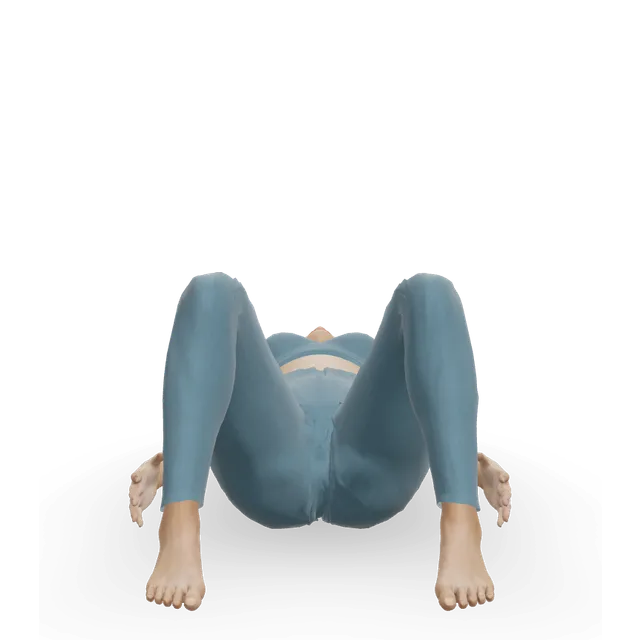
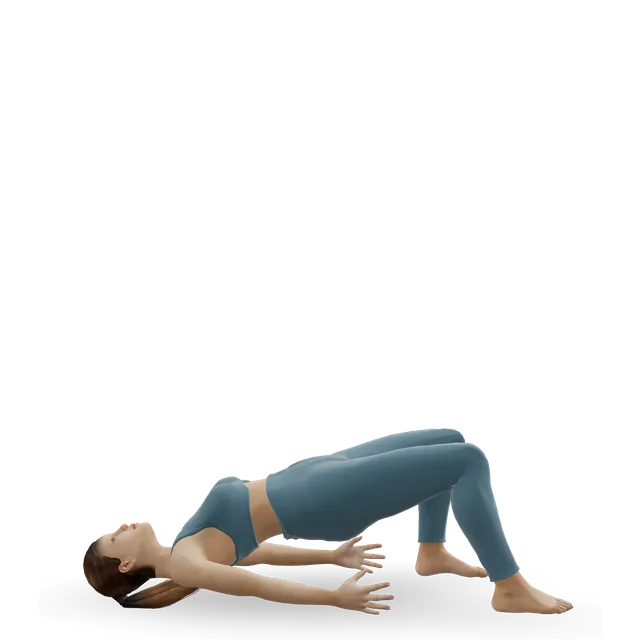
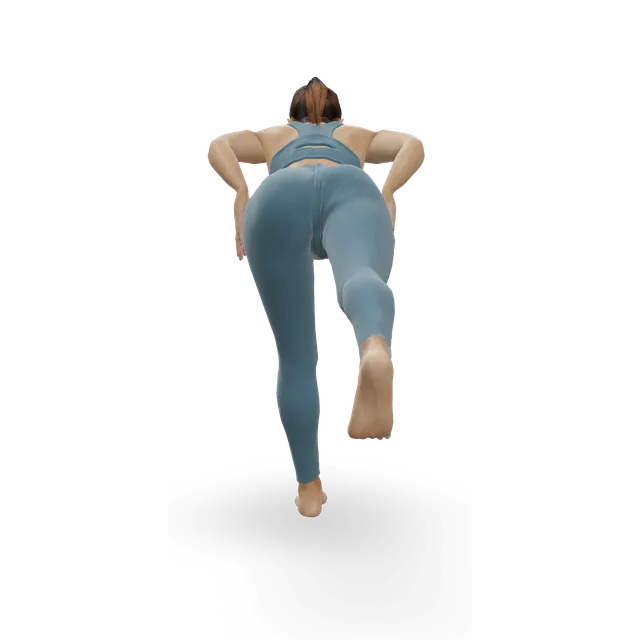
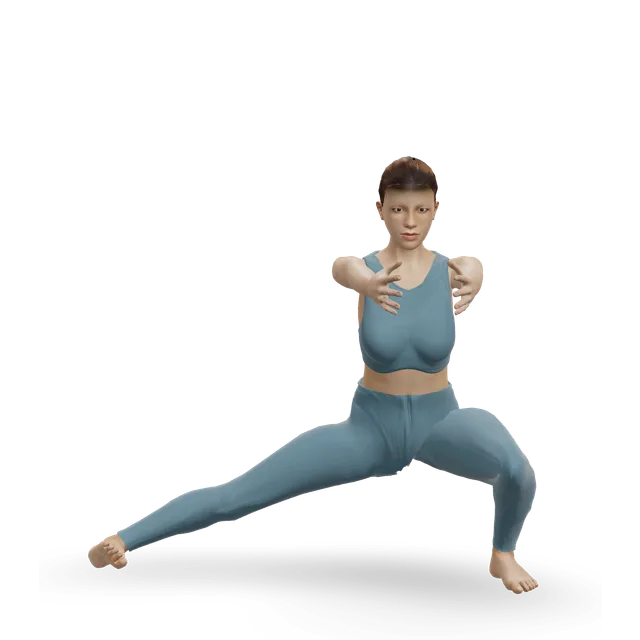
Getting out of a car asks a lot of the hip at once: from a low seat the hip is bent past a right angle, the body turns, one leg and then the other lifts over the sill, and then you stand up from low down (our description; in a French lab study, only the older drivers swung both legs out together). Getting in reverses it.
Health services name the car for three causes: hip osteoarthritis (the NHS says "you may find it difficult ... to get in and out of a car"), outer hip tendon pain (NHS inform lists "pain when lifting legs in or out of a car or bed"), and pelvic girdle pain in pregnancy. "Getting in/out of car?" is also a standard question in the hip questionnaires used worldwide; people waiting for a hip replacement rated it among the most relevant, and it improved a lot after surgery. No study counts the causes of hip pain getting out of a car.
Sources 1, 2, 3, 4, 5
Who gets which causeStrong evidence
Hip osteoarthritis is common and rises with age: about 12.6% of people in Europe show it on X-ray, and 19.2% of adults aged 65 and over in Oxfordshire had hip pain on most days for a month or more in a year. NICE (the National Institute for Health and Care Excellence) diagnoses it from 45 by its pattern, and losing the ability to turn the hip inwards is the first movement it limits. Outer hip tendon pain is commoner in women from about 40: in adults aged 50 to 79, about 15% of women and 7% of men had it on one side.
In younger, active adults, a deep groin pinch with bending and sitting points to the shape of the hip joint: in 51 people waiting for surgery, sitting made the pain worse in 65%, and 42% couldn't sit for more than 30 minutes. In sport, the groin muscles and hip flexors are common causes: in 207 athletes with long-standing groin pain, adductor-related pain came first (58%) and iliopsoas-related pain second (36%).
Sources 6, 7, 8, 9, 10, 11, 12, 13
The back and the pelvis can be felt in the hipEmerging evidence
NHS inform says problems felt in your hip can come from your back, even when your back doesn't hurt, often with pins and needles or burning down the leg. In 51 people whose pain was confirmed to come from the hip joint, it was felt in the buttock in 71%, the thigh in 57% and the groin in 55%, and never in the low back. The sacroiliac joint can cause pain low on one side of the back of the pelvis, but no single test or story picks it out, and outside pregnancy no study links it to the car. Pelvic girdle pain affects up to 1 in 5 pregnant women and isn't harmful to the baby.
Sources 14, 15, 16, 17, 3
Getting in and out after a hip replacementEmerging evidence
In 161 car users in Japan, a mean of 5.6 years after a hip replacement, 29% still found getting in and out uncomfortable, and weaker muscles on the other hip were the only predictor. In a lab study, pivoting on the operated leg reduced how far that hip bent. The general NHS page says don't bend your hip more than 90 degrees while you recover; a specialist NHS hospital tells most people with a normally shaped hip to be guided by pain; and in trials after the back approach, early dislocation was rare with or without precautions (1.2% against 0.6% in 1,616 people, low certainty). Follow the precautions your own team gives you.
Sources 18, 19, 20, 21, 22, 23
What a scan shows, and what it doesn'tStrong evidence
NICE says don't routinely use imaging to diagnose osteoarthritis. X-rays and pain often disagree: in one large study only 15.6% of hips with frequent pain showed arthritis on X-ray. Impingement shapes are common in hips that don't hurt (a cam shape in 37% of 2,114 pain-free hips), and labral tears showed in 54% of people without pain.
Scans matter after a fall (NICE: an MRI (magnetic resonance imaging) scan if a broken hip is suspected despite a normal X-ray), for a suspected stress fracture, which is rare, for outer hip pain that doesn't respond, to look for a torn tendon, and before surgery.
Sources 8, 24, 25, 26, 27, 16, 28
How it usually goesEmerging evidence
In 495 people with early hip osteoarthritis, 76% had stable or easing pain over 10 years; in a Danish education and exercise programme, 30% had a hip replacement within 2 years. Outer hip pain is slower: at least 36% still had it at 1 year in Dutch general practice, and NHS inform says it "can often take 6 to 12 months of rehabilitation to settle". In a UK impingement trial, physiotherapy alone improved hip scores a lot over a year. NHS inform expects new hip pain to begin to settle within 6 weeks. No one can promise a date.
Sources 29, 30, 31, 2, 32, 33, 14