What a curl asks of the shoulder: the biceps crosses itMixed evidence
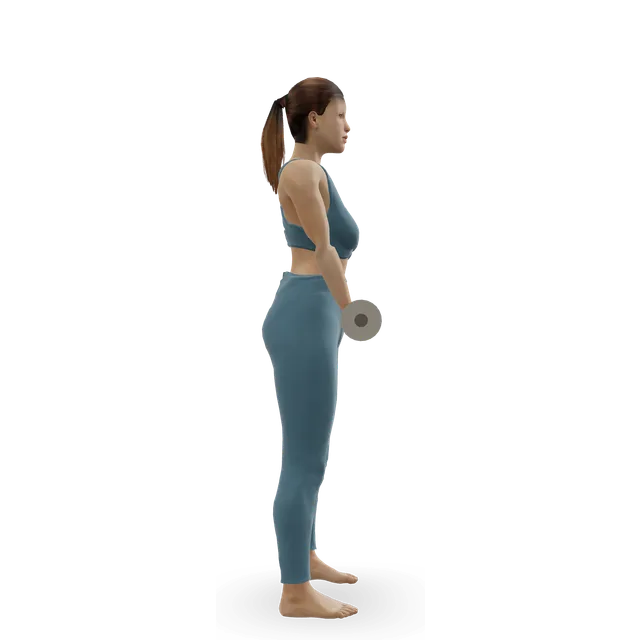
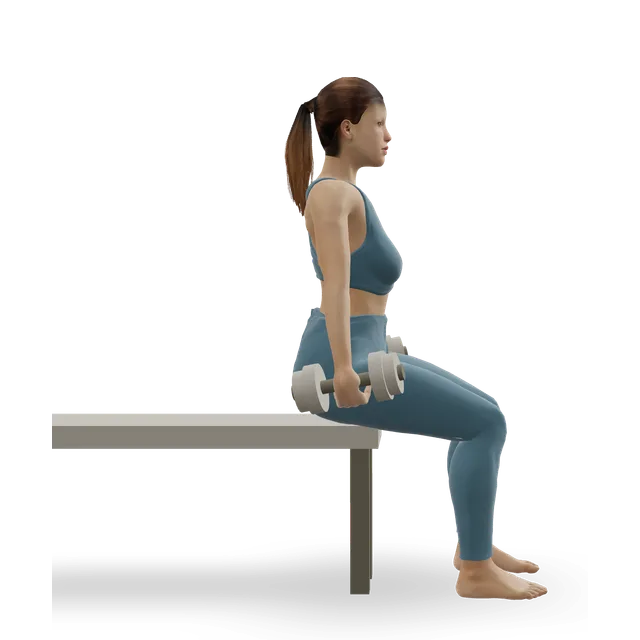
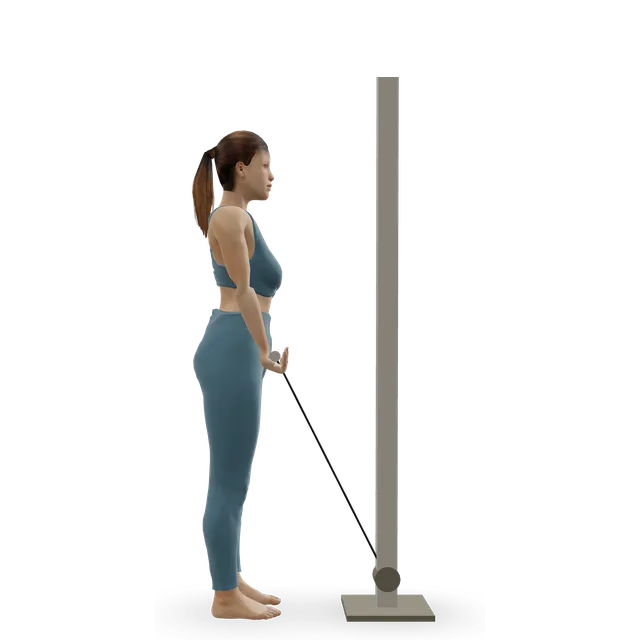
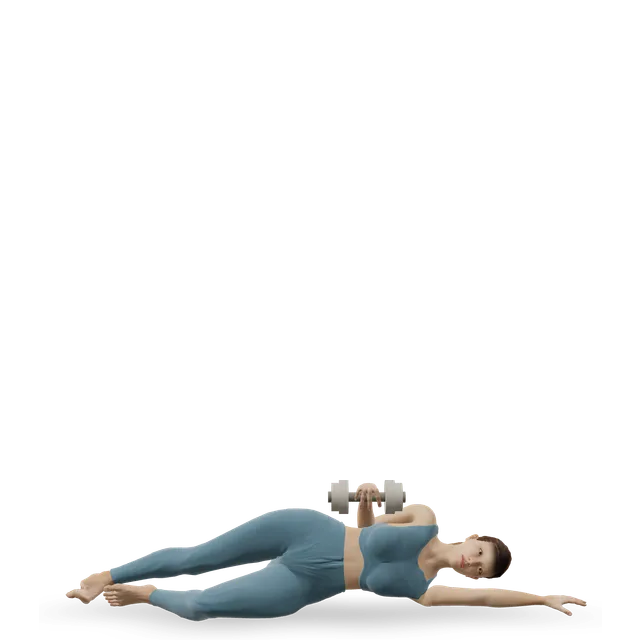
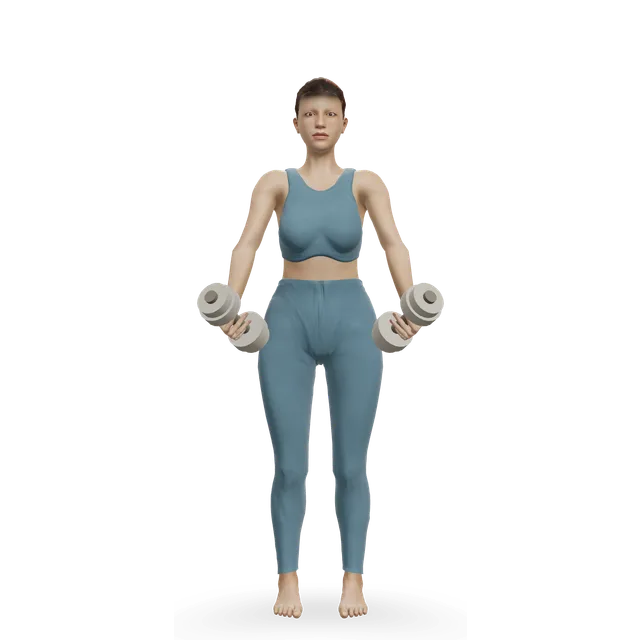
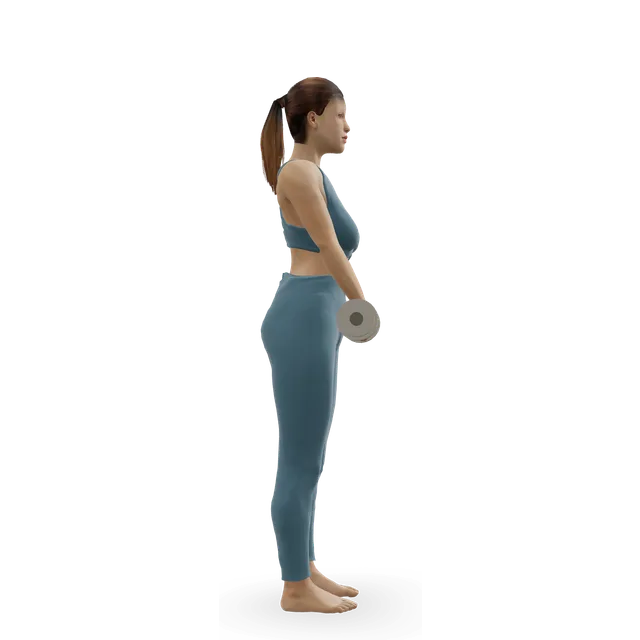
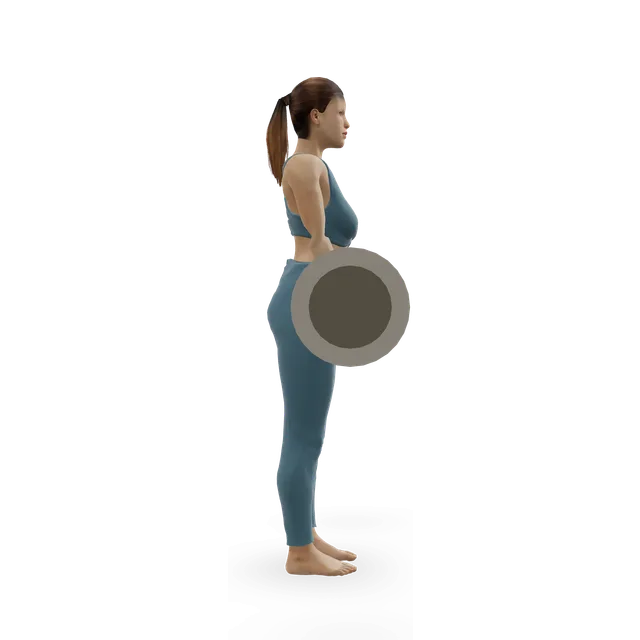
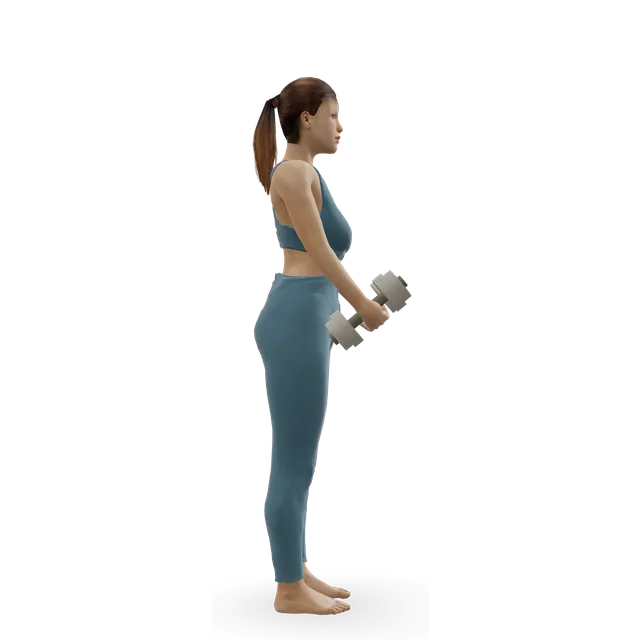
A curl bends the elbow against a weight while the upper arm stays by your side or rests on a pad. The biceps has two heads: the short head starts on a hook at the front of the shoulder blade, and the long head's tendon runs through a groove at the front of the upper arm bone and into the joint, to the top of the socket. So the biceps crosses the shoulder as well as the elbow.
How much it works at the shoulder is disputed. With the elbow locked straight in a brace, fine-wire recordings found no activity in the long head during shoulder movement (10 shoulders); surface recordings in 13 volunteers found low activity that rose as the arm lifted and with a 1 kg load at the elbow; and in 11 people the biceps was active in every shoulder movement tested and seemed to steady the top of the arm bone. When the biceps was stimulated in 30 people, its pull to raise the arm was greatest with the arm by the side and the elbow nearly straight, and near zero once the arm was raised 60 degrees or more.
Sources 1, 2, 3, 4, 5
Curl position, grip and swinging: what the lab studies show, and don'tEmerging evidence
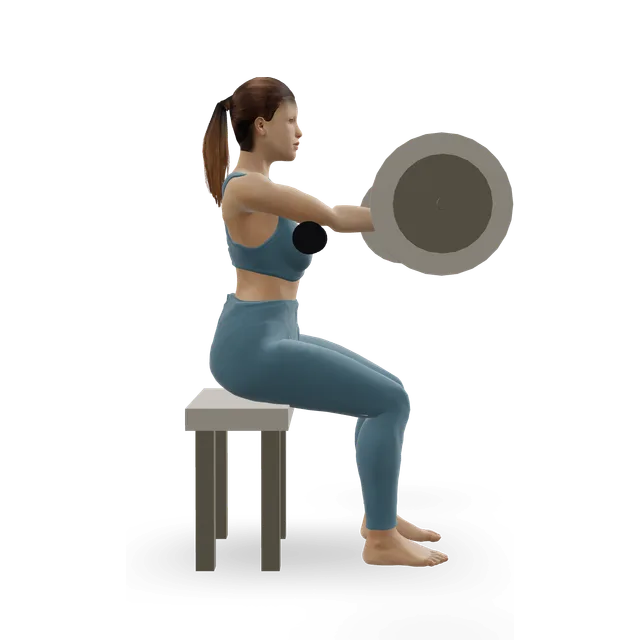
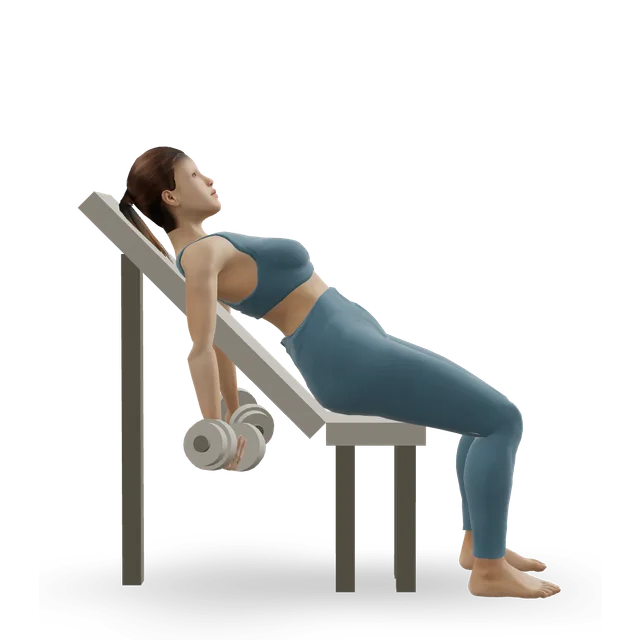
In 10 bodybuilders, the front of the shoulder (the anterior deltoid) worked 6% to 9% harder with palms-down and thumb-up (hammer) grips than palms up, which the authors put down to steadying the arm bone. So a hammer curl isn't automatically kinder to a sore front of the shoulder (our reading). In 22 people, standing and incline curls worked the biceps hardest late in the lift and preacher curls early; in a 10-week trial, curling with the shoulder in front of you or behind you built the same muscle and strength.
In 25 untrained adults, swinging curls built as much arm muscle as strict curls, and no injuries were reported. No study has measured the elbows drifting forward, swinging or curl type against shoulder pain. That the bottom of an incline or drag curl stretches the long head over the front of the shoulder, and that drifting elbows bring the front of the shoulder in, is our reading of these studies, as the site's biceps tendinitis guide and the incline curl's move page say.
Sources 6, 7, 8, 9
Who gets itEmerging evidence
In 1,387 gym users, the shoulder was by far the commonest painful area; 20% of those who did dumbbell curls, 18% on the curl machine and 13% with a barbell linked the exercise to their pain, without saying where it hurt. A narrative review found up to 36% of reported resistance training injuries at the shoulder. In 46 weight trainers and 31 non-lifters, signs of rotator cuff pinching were commoner in the lifters, and went with side raises and upright rows above shoulder height rather than curls.
In 406 shoulder scans (average age 55), long head tendon changes rose by about 4% for each year of age, and any rotator cuff problem made a long head problem about 7 times more likely. The American Academy of Orthopaedic Surgeons (AAOS) says biceps tendinitis usually comes with other shoulder problems such as rotator cuff wear, from a lifetime of normal use made worse by repeated overhead work. It tends to bother lifters from about 40, after a jump in curling, or with incline, drag or Bayesian curls new to a programme (our reading).
Sources 10, 11, 12, 13, 1
How it's recognised, and what tests and scans can't tell youStrong evidence
Biceps tendon pain sits at the front of the shoulder, worse lifting overhead or reaching back (a seatbelt or a coat), sometimes with an ache down the upper arm or a snapping feeling, and the groove is tender to press. The tests are weak on their own: in 100 shoulders checked during surgery, Speed's test picked up 74% of biceps problems but was positive in more than half of normal tendons, and Yergason's picked up only 42%. In 246 shoulders, 65% to 75% of healthy tendons could be wrongly called abnormal by the examination and ultrasound signs used, and no single shoulder test makes the diagnosis.
A scan isn't needed at first. The AAOS says ultrasound and magnetic resonance imaging (MRI) show the tendon in more detail than X-rays. A scan matters after a pop with a bulge (in 116 people with that bulge, 85% also had a rotator cuff tear on MRI), after sudden weakness or a fall, or if pain hasn't eased after about 3 months of good exercise.
Sources 1, 14, 15, 16, 17
How it usually goesStrong evidence
The NHS says shoulder self-care usually takes about 2 weeks to start helping and that it can take 6 months or longer to recover; NHS inform says many new shoulder problems begin to settle within 6 weeks. Across 16 studies, about half of new shoulder problems had fully recovered within 6 months, and in 101 GP patients, half still had some complaints at 26 weeks, though many of them felt cured.
After a torn long head, the AAOS says the pain usually goes away over time and most people return to their activities without limits; without repair, people lost on average 21% of their palm-up turning strength and 8% of their elbow bending strength. For tears of the rim of the socket (SLAP tears) treated without surgery, 78% of athletes who completed their rehabilitation got back to their sport. No one can promise a date.
Sources 18, 19, 20, 21, 22, 23, 24