Barbell bench press
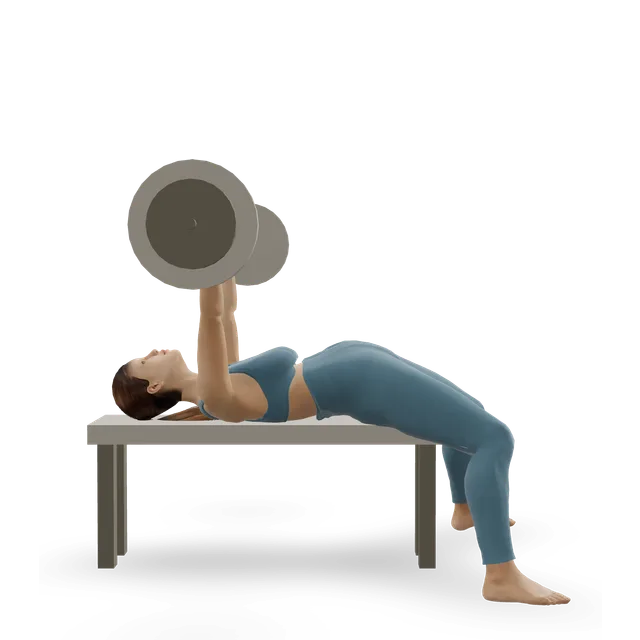
Lying on a bench, a barbell lowered to the chest and pressed back up: one bar the two hands steady together.
Chest press family
Barbell bench press
Loading the 3D figure…
Source-researched guide.
How to move
- Lie on the bench with the feet flat and grip the bar a little wider than the shoulders.
- Lift it from the rack over the chest, then lower it under control until it touches near the breastbone.
- Press back up to straight arms; rack it when finished.
Form cues
- Use a spotter or safety bars for heavy sets.
- Keep the shoulder blades drawn back on the bench.
- Wrap your thumbs around the bar.
Practice and cautions
No universal dose is assigned. Choose a manageable amount for your current capacity, leave room for controlled repetitions, and allow recovery. A clinician’s individual plan takes priority.
With glaucoma, breathe out through each effort rather than holding your breath, and keep loads moderate: eye pressure rises during heavy lifts, most with a held breath. Ask your eye team before maximal lifts. Never press heavy alone without safeties: a failed rep pinning the bar on your chest is genuinely dangerous. Keep the wrists stacked over the elbows, and switch to dumbbells if the fixed bar path bothers your shoulders. In pregnancy after the first trimester, press on an incline bench or seated machine instead, and breathe out as you press. With unstable proliferative or severe diabetic retinopathy, avoid heavy lifting, overhead lifting, breath-holding and hard isometric holds; keep effort moderate and ask your eye team. With heart disease, check with your cardiac team before lifting heavy, and never hold your breath on the effort. After heart surgery through the breastbone, or a heart or lung transplant, follow your surgeon's advice before pushing, pulling or lifting with your arms. After breast cancer surgery or reconstruction, follow your surgical team's advice on when you can lift your arm above shoulder height, or push, pull or lift with it. With epilepsy, use a spotter, safety bars or a machine for heavy lifts if you still have seizures. This is movement education, not an assessment or treatment prescription. Stop for sharp or increasing pain, dizziness, numbness or tingling; seek individual guidance for symptoms, injury or restrictions.
Sources and review status
Sources support the educational description; they do not establish that this exercise is suitable for you.
- ACE · Chest press (barbell) ↗
- ACE study · Common chest exercises compared; the barbell bench press most effective (EMG) ↗
- Hackett 2024 · Resistance exercise and eye pressure in healthy adults: 34 studies (systematic review, Journal of Strength and Conditioning Research) ↗
- Free Exercise DB · alias and muscle metadata ↗
Unlicense · Free Exercise DB contributors; derived from wrkout/exercises.json. Text import; no photographs or media. · Revision f00c92c7dcf1216a928a52c3706c7ce8e2f71ed5
No variation is labeled clinically validated.
What it works
Muscles
Main: Chest, Triceps. Also: Shoulders.
Anatomy: Pectoralis major, Pectoralis minor, Serratus anterior, Triceps brachii.
Equipment
A barbell + A bench or box
Level
Intermediate. See the easier and harder options above.
Workouts that use it
- Barbell strength workout A · 40 min
- Chest workout (gym) · 45 min
- Upper body gym workout · 50 min
- Push day workout · 55 min
- Bench press technique workout · 30 min
- Strength workout for rugby players: legs, upper body, hamstrings and neck · 55 min
- Strength workout for American football: power, legs, upper body, hamstrings and neck · 55 min
- Powerlifting workout for beginners: squat, bench press and deadlift to the competition standard · 75 min
Show all 16 workoutsShow fewer workouts
- Powerlifting mock meet: warm-up ladders, the referee's commands and openers · 90 min
- Strength workout for Gaelic football and hurling: drop jumps and sprints, legs, hamstrings and groins · 55 min
- Strength workout for handball players: jumps, barbell lifts, Shoulder Control, Nordics and Copenhagens · 55 min
- Strength workout for Australian football: sprints, lifts, Nordics, Copenhagens and neck strength · 55 min
- Dryland workout for water polo: jumps, heavy lifts, shoulder care and hips for the eggbeater · 55 min
- Chest and back workout: presses paired with pulls (gym) · 55 min
- Bench press strength workout: heavy sets, close-grip presses and the upper back · 60 min
- Chest and triceps workout: presses, flys, dips and extensions · 55 min
Pain guides that use it
Part of a staged plan, with when to get help first.
- Pulled chest muscle or torn pec: how to tell, when it needs surgery, and the way back to pressing
- Shoulder pain when bench pressing: what's likely, what to change and how to build back
- Wrist pain when lifting weights: presses, front squats, curls, grip, wraps and the TFCC
- Wrist pain in men: falls and sport, a scaphoid fracture, the gym, ganglions, gout and work tools
- Wrist pain when doing the bench press: the bent-back wrist, bar position, grip, wraps and swaps
- Elbow pain when bench pressing: inner and outer elbow, the triceps tendon, grip, lockout and swaps
- Lower back pain when bench pressing: the arch, leg drive, the hips lifting, the set-up and swaps
- Neck pain when bench pressing: the traps, your head on the bench, straining, the set-up and swaps
- Headaches when lifting weights: straining and breath holding, the neck, heat, and the signs to check
- Upper back pain when bench pressing: between the shoulder blades, the set-up, rib joints and swaps
Guides that use it
- Exercise and testosterone
- Sets and reps guide
- Rest between sets guide
- How to bench press guide
- Supersets guide
- Drop sets guide
- RPE and RIR guide
- Deload week guide
Show all 28 guidesShow fewer guides
- Compound vs isolation guide
- Free weights vs machines guide
- How to get a bigger chest guide
- How to get stronger guide
- Increase your bench press guide
- Incline bench press guide
- Close-grip bench press guide
- Decline bench press guide
- Floor press guide
- Chest press machine guide
- Dumbbell bench press guide
- How to lose chest fat guide
- How to bulk up guide
- Stronger without getting bigger guide
- Rugby guide
- American football guide
- Powerlifting guide
- Handball guide
- Water polo guide
- Sailing guide
Similar moves
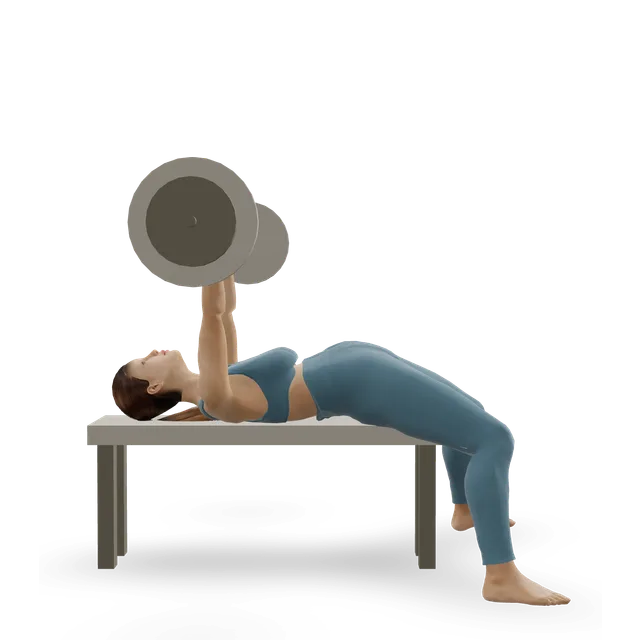 3D demoClose-grip barbell bench pressIntermediate · A barbell + A bench or box
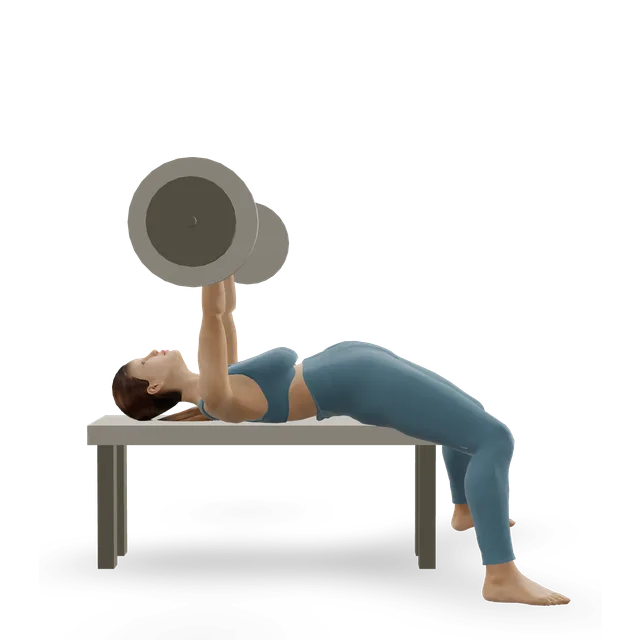 3D demoClose-grip EZ-bar bench pressIntermediate · EZ curl bar + A bench or box
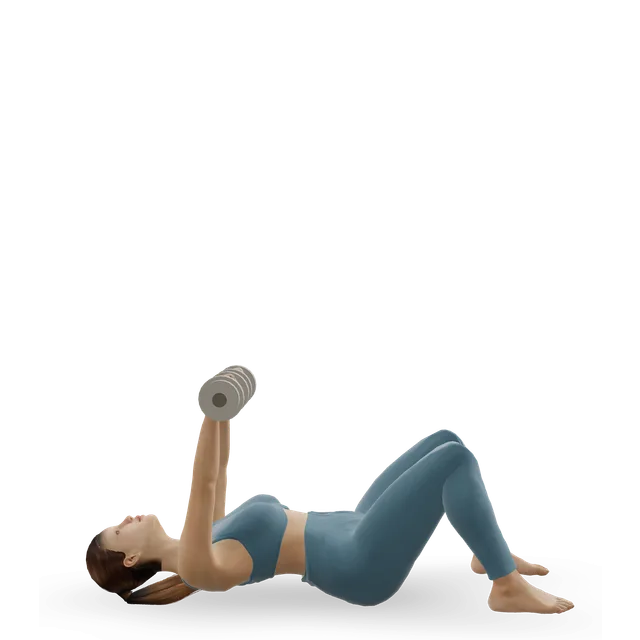 3D demoDumbbell floor pressIntermediate · A dumbbell
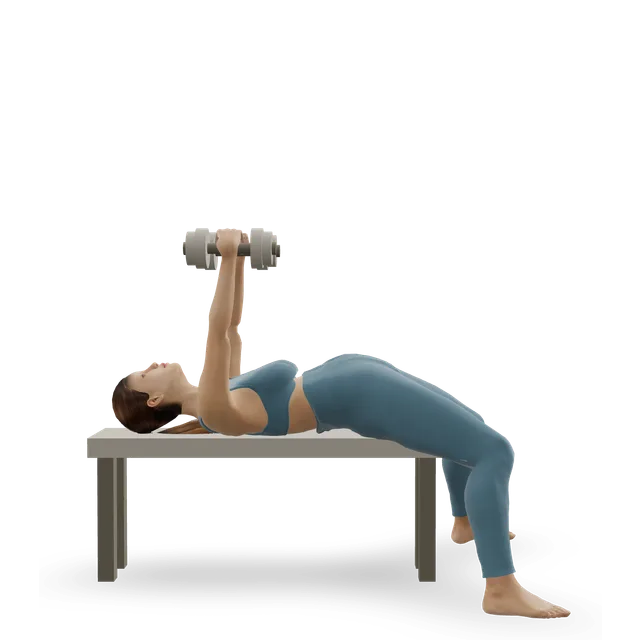 3D demoDumbbell squeeze pressBeginner · A dumbbell + A bench or box
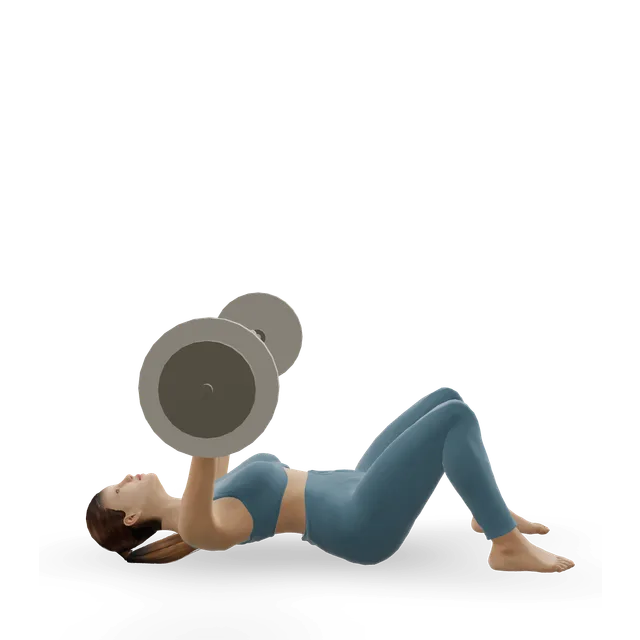 3D demoFloor press with chainsAdvanced · A barbell + Other / check instructions
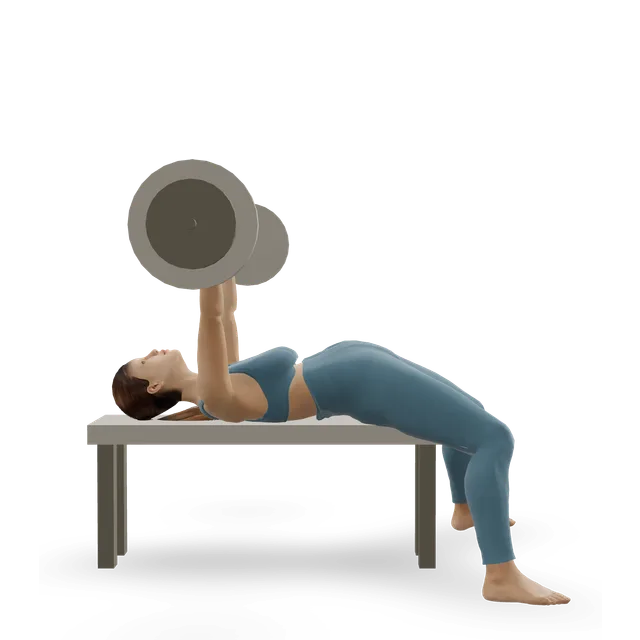 3D demoPin pressIntermediate · A barbell + A bench or box
Browse more
Questions people ask
What muscles does the Barbell bench press work?
Mainly the chest and triceps, with help from the shoulders.
What equipment do I need for the Barbell bench press?
A barbell + A bench or box.
Is the Barbell bench press good for beginners?
It is graded intermediate. If it is too hard right now, start with the Chest press machine.
What is an easier alternative to the Barbell bench press?
Try the Chest press machine or the Smith machine bench press. Both are written steps in the same progression.
How do I make the Barbell bench press harder?
Progress to the Dumbbell bench press or the Incline dumbbell press. Follow that guide’s technique and any stated timing.