Pike push-up
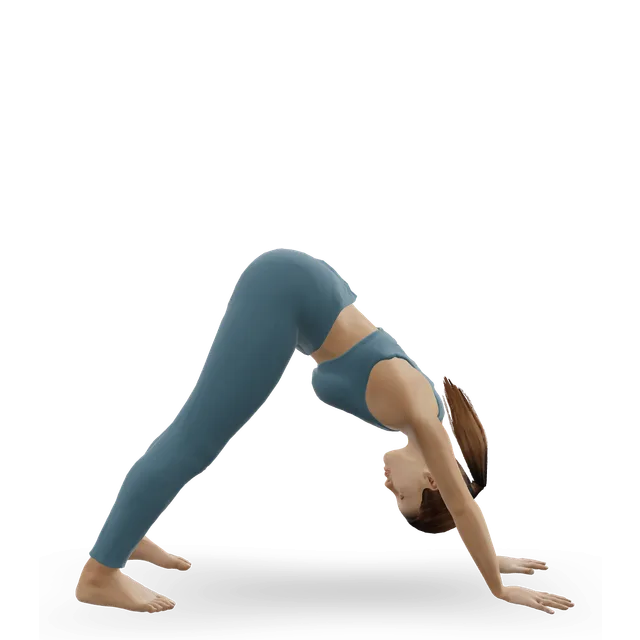
With the hips high in an upside-down V, the push-up turns into an overhead press with part of the body weight.
Handstand push-up family
Pike push-up
Loading the 3D figure…
Source-researched guide.
How to move
- From a push-up position, walk the feet in and lift the hips until the body makes an upside-down V, hands shoulder-width apart.
- Bend the elbows, angled back rather than straight out, to lower the top of the head toward the floor just ahead of the hands.
- Press back up to straight arms, keeping the hips high.
Form cues
- Keep the weight over the hands, not the feet.
- Raise the feet on a step later to load the arms more.
Practice and cautions
No universal dose is assigned. Choose a manageable amount for your current capacity, leave room for controlled repetitions, and allow recovery. A clinician’s individual plan takes priority.
With glaucoma, keep head-down positions brief or use a head-up version: in a small study, eye pressure rose within a minute in head-down yoga poses. Ask your eye team first if your glaucoma is advanced or you've had eye surgery. Come out of it if you get head pressure or dizziness with the head low. With proliferative or severe non-proliferative diabetic retinopathy, or after recent eye laser treatment or surgery, leave out head-down positions until your eye team says they are safe. If you push a manual wheelchair, dips and overhead pressing load the shoulder in positions the spinal cord injury guideline advises limiting: favour rows, pull-downs from shoulder height and rotator cuff work, and stop if it brings on shoulder pain. This is movement education, not an assessment or treatment prescription. Stop for sharp or increasing pain, dizziness, numbness or tingling; seek individual guidance for symptoms, injury or restrictions.
Sources and review status
Sources support the educational description; they do not establish that this exercise is suitable for you.
- Coach magazine · Seven push-up progressions on the way to the handstand push-up (pike push-ups last) ↗
- Jasien 2015 · Eye pressure in four head-down yoga poses, in 20 people with and without glaucoma (lab study, PLoS One) ↗
No variation is labeled clinically validated.
What it works
Muscles
Main: Shoulders, Triceps. Also: Chest, Abs.
Anatomy: Deltoid, Rotator cuff, Supraspinatus, Infraspinatus, Subscapularis, Teres minor.
Equipment
None: body weight and floor space.
Level
Intermediate. See the easier and harder options above.
Workouts that use it
- Full-body bodyweight workout · 30 min
- Handstand progression · 25 min
- Upper body workout at home · 30 min
- Gymnastics conditioning workout: jumps, landings, wrists, shoulders and trunk · 45 min
- Planche progression workout · 30 min
- Handstand push-up progression: pike push-ups to the wall · 30 min
- Human flag strength workout: the pulling, pressing and side-trunk strength behind the flag · 35 min
Pain guides that use it
Part of a staged plan, with when to get help first.
Guides that use it
Similar moves
Browse more
Questions people ask
What muscles does the Pike push-up work?
Mainly the shoulders and triceps, with help from the chest and abs.
What equipment do I need for the Pike push-up?
No equipment: your body weight and a little floor space.
Is the Pike push-up good for beginners?
It is graded intermediate. If it is too hard right now, start with the Incline push-up.
What is an easier alternative to the Pike push-up?
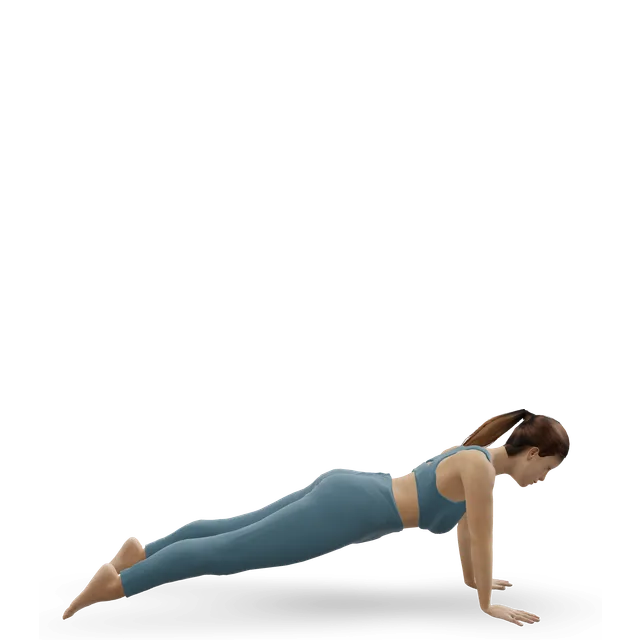
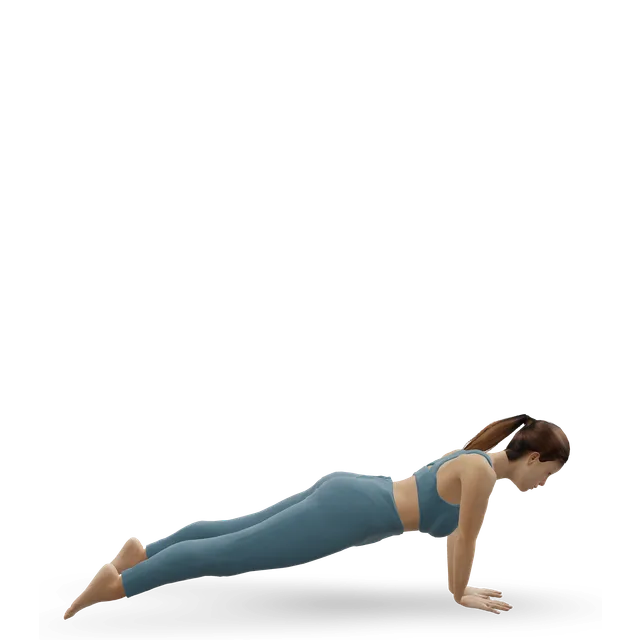
Try the Incline push-up or the Knee push-up. It works similar muscles at a lower grade.
How do I make the Pike push-up harder?
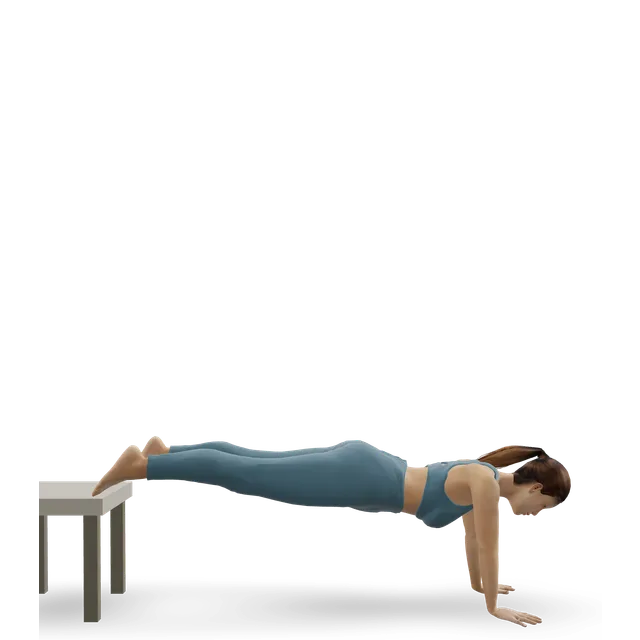
Progress to the Wall handstand push-up or the Archer push-up. Follow that guide’s technique and any stated timing.