Pain guide · Foot pain

Foot pain on the elliptical: numb toes, the ball of the foot, the heel, laces, shoes and what helps

Foot pain and numb toes on the elliptical (cross trainer) usually come from steady pressure under the ball of the foot, in our reading of pressure studies in healthy adults; nobody has counted them. The heel lifts on each stride, but the front of your foot never leaves the pedal, so it carries the load for the whole session, more so at a high resistance and in tight shoes or laces. Where it hurts is the best clue: numb toes that clear within minutes of stepping off are usually pressure, burning between the 3rd and 4th toes can be Morton's neuroma, an ache under the base of the toes is metatarsalgia, the top of the foot is often the laces, and one sore spot on a bone can be a stress fracture. The machine spares the heel, so heel pain usually comes from elsewhere. Snug but not tight laces, roomy shoes, feet flat with your weight shifted back, moderate resistance and shorter sessions usually help.

This guide starts with the signs that need help, from a 999 call for a foot that is suddenly cold, pale or numb, to a same-day check through the National Health Service's 111 line (NHS 111) or a general practitioner (GP) for a hot, swollen foot, any new foot problem with diabetes, or numbness that doesn't go when you stop. It then maps the causes by where and how it hurts, explains what the lab studies of foot pressure on the elliptical show, and don't, shows how to change your shoes, laces and sessions today, and gives a three-stage plan with a 3D demo of every move, back to your usual workouts.

When to get help first

Exercise is for pain that has been checked or is clearly mild and settling.

Get urgent medical help if

  • Call 999 or go to A&E: after an injury, you heard a crack, the foot or ankle has changed shape or points at an odd angle, a bone is sticking out, there is a bad cut over it, you're in severe pain, or the toes look blue or white, feel numb or are cold to touch. These can mean a broken bone. Don't drive yourself.
  • Same day (NHS 111 or an urgent treatment centre): after an injury, you can't put weight on it or walk more than a few steps, the pain is very bad or getting worse, there is a lot of swelling or bruising or it is getting worse, it feels very stiff, or it's not feeling any better after treating it yourself. Get the same help if you also have a very high temperature, or feel hot, cold or shivery: this could be an infection. If you think it's broken, don't treat it yourself.
  • Call 999 or go to A&E: a foot or leg that is suddenly cold, pale, numb, weak or very painful without an injury. A sudden loss of blood supply is a vascular emergency.
  • Contact a GP immediately (or NHS 111 if you can't): severe burning foot pain that carries on even when you're resting, skin turning pale, shiny, smooth and dry, wounds or ulcers on your feet that don't heal, or toes that become cold and numb, then turn red and then black. The blood supply to the foot may be failing.
  • Call 999 or go to A&E: you have diabetes and a foot ulcer with a fever or signs of sepsis, an ulcer with poor circulation, a possible deep infection of the soft tissues or bone in the foot (with or without an ulcer), or gangrene. NICE asks for these to go straight to hospital.
  • Same day: you have diabetes and a new foot problem, such as an ulcer or wound, signs of infection, or a hot, swollen foot with a change in colour, even if it doesn't hurt. Contact your diabetes foot team or GP: NICE asks for these to reach a specialist foot service within 1 working day, and a suspected Charcot foot is kept off weight until it has been checked.
  • If you have diabetes, see your local foot team urgently, within 24 hours, for a change in the colour or shape of your foot (especially a red, hot, swollen toe, ankle or foot), part of your foot feeling much colder or hotter than usual, new blisters, cuts or wounds (especially ones you can see but don't feel), a cut or wound that smells bad or is leaking fluid or pus, or new or unexplained pain in your foot. Meanwhile sit or lie down, take the weight off it and raise it.
  • Same day: a sudden, very painful, hot, swollen, red joint, often the big toe but sometimes the middle of the foot (the midfoot) or the ankle, especially with a high temperature, feeling shivery or being unable to eat. It may be gout, but it could be a joint infection (septic arthritis), which is urgent.
  • Call 999 or go to A&E: a red, hot, swollen foot with a very high temperature, feeling hot, cold or shivery, a fast heartbeat or fast breathing, purple patches on the skin (which may be less obvious on brown or black skin), feeling dizzy or faint, confusion or disorientation, cold, clammy or pale skin, or unresponsiveness or loss of consciousness.
  • Same day: skin on the foot that is painful, hot and swollen. It could be a skin infection (cellulitis).
  • Call 999: chest pain that started suddenly, or spreads to your arm, neck or jaw, or your chest feels tight. This could be a heart attack. Do not drive yourself to A&E.

See a doctor or physiotherapist if

  • Numbness, burning or pins and needles in your foot or toes that is still there after your session, keeps coming back despite looser laces and roomier shoes, or is there all the time: see a GP (our suggestion).
  • Tingling or loss of feeling in the foot, or a foot that feels weak.
  • Any foot pain if you have diabetes: foot problems can be more serious.
  • Pain, tingling or loss of feeling in your feet, loss of balance or weakness, or a cut or ulcer on your foot that isn't getting better: see a GP. These can be early signs of nerve damage (peripheral neuropathy).
  • Burning, tingling or numbness in both feet, or a cut or sore on your foot that isn't healing: see a GP.
  • Toes (or fingers) that turn white or blue in the cold, including on winter rides, if the attacks are very bad or getting worse, affect one side only, come with joint pain, skin rashes or muscle weakness, or start for the first time after the age of 30: see a GP (Raynaud's).
  • Leg ache when you walk that goes after a few minutes' rest: possible peripheral arterial disease (narrowed leg arteries), especially if you smoke or have diabetes.
  • One spot on a foot bone that hurts with every step and later at night: a possible stress fracture.
  • Pain in one spot on the shin or a foot bone that you can point to with a fingertip, worse with impact and later present at rest or at night: a possible stress fracture. Stop running and jumping until it has been checked.
  • Pain in the middle of the foot that is hard to pinpoint, on the outer edge of the midfoot, or on the front of the shin bone in a running or jumping athlete. These sites heal less well and need prompt assessment, often with a scan.
  • A stress fracture from ordinary activity, more than one stress fracture, periods that have stopped or become irregular, or worries that you're eating too little for your training: see a GP about bone health and energy intake.
  • Pain that has lasted 3 months despite changing your shoes and using insoles: see a doctor, as one NHS trust advises.
  • Swollen, stiff, painful joints at the balls of both feet, or in several joints, especially with stiffness that lasts longer than 30 minutes after getting up: see a GP. NICE asks GPs to refer suspected rheumatoid arthritis urgently when the small joints of the hands or feet are affected, even if blood tests are normal.
  • Difficulty lifting the front of your foot and toes (foot drop): see a GP. If it comes on suddenly with a drooping face, an arm you can't lift or slurred speech, or with back pain and numbness around your bottom or bladder or bowel changes, call 999.
  • Pain that isn't better after 2 weeks of looking after it yourself, is getting worse, keeps coming back, or stops you doing normal things.
  • Bone pain that is constant or worse at night, especially with a lump, unexplained weight loss, fever or tiredness, or a past history of cancer.
  • Numb or tingling toes that keep coming back on the elliptical despite looser laces, roomier shoes and shorter sessions: see a GP (our suggestion). The NHS says see a GP about pins and needles that keeps coming back.

Where does it hurt?

Location narrows the likely causes; it does not diagnose.

Numb, tingling or burning toes or ball of the foot, building through a session and easing within minutes of stepping off, with nothing else

Usually steady pressure under the forefoot, which never leaves the pedal, often with tight or narrow shoes or laces: the commonest pattern in our reading, though nobody counts it. Pins and needles from pressure usually stops when the weight comes off, the NHS says.

Burning or shooting pain between the 3rd and 4th toes, like a pebble in your shoe, sometimes with numb toes, lingering after the session

Often Morton's neuroma, worse in tight or narrow shoes.

Read: Morton's neuroma →
An ache under the joints at the base of the toes, worse with longer or harder sessions

Metatarsalgia (pain in the ball of the foot). The elliptical lowers pressure here much less than it does under the heel.

Read: Ball of foot pain →
Under the base of the second toe, like standing on a marble, the toe drifting or lifting

Possibly a plantar plate tear.

Read: Plantar plate tear →
Under the big toe joint, worse pushing through the ball of the foot

Possibly the small bones under the big toe joint (sesamoiditis). One spot that hurts with every step can be a stress fracture.

Read: Sesamoiditis →
One spot on a bone on the top of the forefoot that you can point to, after more training than usual, later aching at rest or at night

A possible stress fracture, most often of the metatarsals: stop and get it checked. The elliptical isn't automatically safe for it, because the ball of the foot stays loaded.

Read: Stress fracture →
Under the heel or arch, worst on the first steps in the morning or after sitting

Usually plantar heel pain (plantar fasciitis). The elliptical takes far less pressure through the heel than walking, so it is often a good swap, and the pain often comes from the rest of the day.

Read: Plantar fasciitis (plantar heel pain) →
The top of the foot under the laces, during or after a session, sometimes with tingling between the big and second toes

Often laces or shoes pressing on the tendons, or on the nerve that runs under the laces. Loosen or skip an eyelet over the sore spot.

Read: Pain on top of the foot →
Burning, tingling or numbness in the sole of one foot, worse standing

Possibly a trapped nerve behind the inner ankle (tarsal tunnel syndrome): see a GP.

Read: Tarsal tunnel syndrome →
Burning, tingling or numbness in both feet, on and off the machine, sometimes with poor balance

Possibly nerve damage (peripheral neuropathy), most often from diabetes: see a GP.

Read: Foot pain in older adults →
Toes that go white, then blue, then red in a cold gym or garage

Raynaud's, a problem with the blood supply in the cold rather than the machine. Our numb feet when cycling guide covers cold feet.

Read: Numb feet when cycling →
A calf or foot ache that comes on with effort and goes within minutes of rest, or cold, pale feet

Possibly narrowed leg arteries, more likely if you smoke or have diabetes: see a GP.

Read: Calf pain when walking →
Tingling or numbness on the top of the foot that runs up the back of the leg, with back pain

Sciatica, a nerve irritated in the lower back.

Read: Sciatica →
A sudden hot, red, swollen joint, often the big toe

Gout or a joint infection, not the machine: see the warning signs.

Read: Big toe pain →
Feet that hurt on the treadmill, the bike, walking or running as well

Our treadmill, cycling, walking and running foot guides cover each.

Read: Foot pain on the treadmill →
The ankle or the Achilles rather than the foot

Our ankle pain on the elliptical guide covers the Achilles, a pinch at the front of the ankle, an old sprain and the ramp.

Read: Ankle pain on the elliptical →

Understand it

What nobody has countedEmerging evidence

No study counts foot pain or numbness in elliptical users, and searches of the research found none. US emergency departments saw about 3,589 elliptical injuries in 2007 to 2011, but those are injuries such as falls, not numb toes.

So the map on this page is built from lab studies of foot pressure on the machine in healthy adults, studies of the conditions, cycling studies by analogy, and NHS, NHS inform and NICE pages, and it says so. That numb toes and a sore ball of the foot are the elliptical's typical foot complaints is our reading of those pressure studies.

Sources 1, 3

What the elliptical does to the foot: the heel is spared, the ball of the foot isn'tEmerging evidence

There is no landing: the load under the whole foot averaged 73% of body weight on an elliptical, against 112% walking and 201% jogging, in 75 adults. But the load sits on the front of the foot. In 30 adults, the heel lifted on each stride while the ball of the foot stayed on the pedal throughout, carrying 42% to 70% of body weight, and higher resistance raised the load; a steeper ramp didn't.

In 20 adults, peak pressure under the heel was 94 kPa on an elliptical against 215 walking, but under the ball of the foot it was 213 against 253, only about 16% lower. In 10 older adults, peak pressures were lower than walking on most machines, but the total pressure on the forefoot over a minute was no lower than walking, because the foot never leaves the pedal. Machines differed in how they loaded the heel. All of these were healthy adults without foot pain.

Sources 2, 3, 4, 5, 6

Why toes go numbEmerging evidence

The small nerves to the toes run between the long bones under the ball of the foot. Steady pressure there, a shoe that squeezes the forefoot, and laces that press on the top of the foot are the usual explanations. The NHS says pins and needles happens when the blood supply to the nerves is cut off and usually stops when the weight is taken off. In cyclists, whose forefoot also presses on a pedal, high pressure under the foot is a recognised cause of numb toes, and moving the cleat back eased foot pain in a small series of 21 riders with no comparison group. No study has looked at the nerves of elliptical users, so this is our reading by analogy.

A common idea is that feet swell during exercise. In 9 volleyball players, foot volume didn't change over a 2-hour practice, and in 10 runners the forefoot got narrower over a 10 km run while the foot warmed and moved in the shoe. So room at the toes and a shoe that holds the foot matter more than sizing up.

Sources 7, 8, 9, 10, 11

How the causes are told apartEmerging evidence

Burning, shooting or stabbing pain between the 3rd and 4th toes, like a pebble in your shoe, sometimes with numb toes, is often Morton's neuroma; the NHS says it may be worse in tight or high-heeled shoes, and it is about 8 times more common in women than men. Tight calves move pressure onto the ball of the foot. An ache under the joints at the base of the toes is metatarsalgia, which the NHS links with exercise, tight shoes and arthritis. One spot on a bone on the top of the forefoot that you can point to, after more training than usual, can be a stress fracture, most often of the metatarsals; the elliptical's low impact makes it an unusual cause, but it matters if you switched to it from running with a sore foot.

Heel or arch pain worst on the first steps in the morning is plantar heel pain, which affected 9.6% of UK adults over 50 in the past month in one survey. The top of the foot under the laces is often laces or tight shoes: lace pressure peaked over the top of the midfoot in runners, and tingling in the web between the big and second toes can be the deep peroneal nerve, which runs in a narrow tunnel under the laces.

Burning or numbness in both feet, on and off the machine, can be peripheral neuropathy, which affects almost 1 in 10 people aged 55 or over in the UK, most often from diabetes. Toes that go white or blue in the cold are Raynaud's. A calf or foot ache that goes within minutes of rest can be narrowed leg arteries. A sudden hot, red, swollen joint can be gout or an infection, and hot, painful, swollen skin can be cellulitis; neither comes from the machine.

Sources 12, 13, 14, 15, 16, 17, 19, 20, 21, 22, 23, 24, 25, 26, 27, 28, 29, 30

When a scan helps, and how it usually goesStrong evidence

Not usually at first. Morton's neuroma is diagnosed by examination, and nerve thickening that looks like a neuroma showed in 30% of 70 people without symptoms on MRI scans and 54% of 48 on ultrasound. A suspected stress fracture is checked by pressing the bone, with imaging if needed. Numbness in both feet needs a GP check for diabetes and other causes.

NHS inform says new foot problems should begin to settle within 6 weeks, and the NHS says pain in the top of the foot usually gets better in a few weeks. Pressure numbness fades within minutes once the pressure is off. Heel pain is slower: in 174 hospital patients followed for about 10 years, 54% had no symptoms and 46% still had some, and in a 12-week heel raise trial only 4 of 70 reached an acceptable level by 12 weeks. No one can promise a date.

Sources 31, 32, 16, 26, 33, 22, 7, 34, 35

What helps, and how strong the evidence is

Shoes and laces: sensible, partly tested, never against foot pain on the ellipticalEmerging evidence

Across 18 studies, between 63% and 72% of people wore shoes that didn't fit their width or length, and poor fit went with foot pain. An NHS podiatry leaflet asks for shoes of the right length, width and depth, holding the foot firmly with a round, deep front. In people with diabetes, the wrong shoe size raised the risk of ulcers, though exact fitting rules rest on little evidence.

In 20 healthy adults, completely loose laces raised the pressure over time under the big toe by about 16% and let the foot slip; firmer, higher lacing gave lower heel and midfoot peaks in runners; and less pressure over the top of the midfoot went with better comfort. So laces snug, not tight, and loosened over a sore spot on top, which is our reading of those studies.

Sources 36, 37, 38, 39, 40, 23

Changing the machine: lab readings, untested against foot painEmerging evidence

Higher resistance raised the load under the foot in 30 adults. Turning the toes out changed how the knee and hip moved in 16 men, but the study didn't measure the foot, and no study has tested where on the pedal the foot should sit. Machines differed in how they loaded the heel, so another machine may suit you better. Shifting your weight back through your heels every few minutes is our suggestion from the forefoot loading, untested. The recumbent bike gave the lowest forefoot pressure of five cardio exercises (41 kPa against 213 on the elliptical), so it is the swap for a sore ball of the foot.

Sources 3, 41, 6, 5, 4

Heel and arch pain: stretching, footwear and heavy heel raisesStrong evidence

A best practice guide built on 51 trials puts plantar fascia stretching, taping, education and footwear advice first, with managing load. In 48 people, heavy single-leg heel raises with a towel under the toes improved foot function more than stretching at 3 months, with no difference at 12 months. Across 19 trials of 1,660 people, insoles reduced pain a little at 7 to 12 weeks, and off-the-shelf insoles did as well as custom ones. The NHS suggests exercise that doesn't put pressure on your feet, such as swimming, and shoes with cushioned heels and good arch support.

None of these sources names the elliptical. That its low heel pressure makes it a good swap for heel pain is our reading.

Sources 42, 43, 35, 44, 19, 4

Morton's neuroma and the ball of the foot: few trialsEmerging evidence

The NHS advises wide shoes, soft insoles or pads, and cutting down on impact activities such as running and jumping. A review of 25 studies found the strongest evidence for steroid injections and manipulation or mobilisation, with no clear best treatment, and a Cochrane review of 6 trials found few treatments have been tested in randomised trials. Wide-fitting shoes and calf stretching come first in an instructional review. Our Morton's neuroma and ball of the foot guides cover injections and surgery.

Sources 12, 15, 45, 46, 14

Stress fractures: pain-free loading, and the elliptical isn't automatically safeEmerging evidence

With a suspected metatarsal stress fracture, an expert review in runners says the right load causes no symptoms during, after or the day after, and fitness can be kept by cross-training; an NHS trust manages many in a supportive boot for up to 6 weeks. The forefoot stays loaded on the elliptical, so a bike or swimming is gentler on a sore metatarsal (our reading), and orthopaedic surgeons' guidance names swimming and cycling.

Sources 18, 17, 16, 3, 4

Diabetes and numb feet: exercise is fine, with careEmerging evidence

The international guideline on preventing diabetic foot ulcers says an extra 1,000 steps a day of walking is likely to be safe for people at low or moderate risk, with suitable footwear and frequent skin checks. In 79 people with diabetic nerve damage, a weight-bearing programme didn't raise ulcer rates, and in 29, standing and seated exercise both helped. But the elliptical study in older adults urged care when starting elliptical training with loss of feeling, because the forefoot pressure over time is no lower than walking. NICE counts nerve damage as at least moderate risk, and wants a hot, swollen foot with a change in colour seen by a specialist foot service within 1 working day.

Sources 47, 48, 49, 5, 50

Where popular advice overstates itEmerging evidence

Sizing up for swelling: feet didn't measurably swell in two small studies, so the right length and width, with room at the toes, matters more. Custom insoles: off-the-shelf ones did as well for heel pain. Pedalling backwards to stop numbness: no study has measured the foot going backwards; the studies of direction looked only at the knee and hip. And the elliptical isn't zero impact for the ball of the foot, which took nearly as much peak pressure as walking.

Sources 10, 11, 44, 51, 4

How much pain is OK while you exercise?

Up to about 5 out of 10, settled within an hour; numbness means change something nowEmerging evidence

This guide uses the foot and ankle hubs' rule. Some discomfort during exercise is fine. Aim for pain you would call mild to moderate, no more than about 5 out of 10, that settles within an hour, with no more swelling or stiffness the next morning. If it's worse the next day, do a little less (a smaller range, fewer reps, a lighter band), not nothing.

The exceptions: pain in one spot on a bone should be pain-free, because it could be a stress fracture; burning, tingling or numbness means stop that movement; and if your feet are numb, pain won't warn you, so check your skin after exercise.

If pain climbs day after day, or you notice a warning sign, stop and get it checked. The 5 out of 10 figure is an editorial starting point that matches this site's other pain guides, not a tested rule.

For numbness, our numb feet when cycling guide's paragraph applies: Burning, tingling or numbness isn't a pain score: stop any movement that brings on burning or shooting pain, tingling or numbness between the toes, and change it rather than push through. Pain in one spot on a bone should be pain-free, because it could be a stress fracture. If your feet are numb, pain won't warn you, so check your skin after exercise and after every ride.

With Morton's neuroma, stop any movement that brings on burning or shooting pain, tingling or numbness between the toes, and change it rather than push through.

On the elliptical (our suggestion, built on the same rule): judge each session by its last few minutes, by how your feet feel 10 minutes after you step off, and, with heel pain, by your first steps the next morning. An ache up to about 5 out of 10 that settles within an hour is fine; NHS inform's ball of the foot advice uses the same 0 to 5 limit and says a little activity is better than nothing. When numbness, tingling or burning starts, shift your weight back through your heels, wiggle your toes, ease the resistance, or step off and loosen your laces. If it fades within a few minutes, carry on with the changes below; if it lasts after the session, comes back every session despite the changes, or is in both feet off the machine, see a GP, as the NHS advises for pins and needles that keep coming back. If your feet are numb, check your skin after every session. Pain at one spot on a bone, a hot, swollen foot, a cold, pale foot and any new problem with diabetes aren't pain-rule questions: see the warning signs.

Sources 52, 7, 47, 20
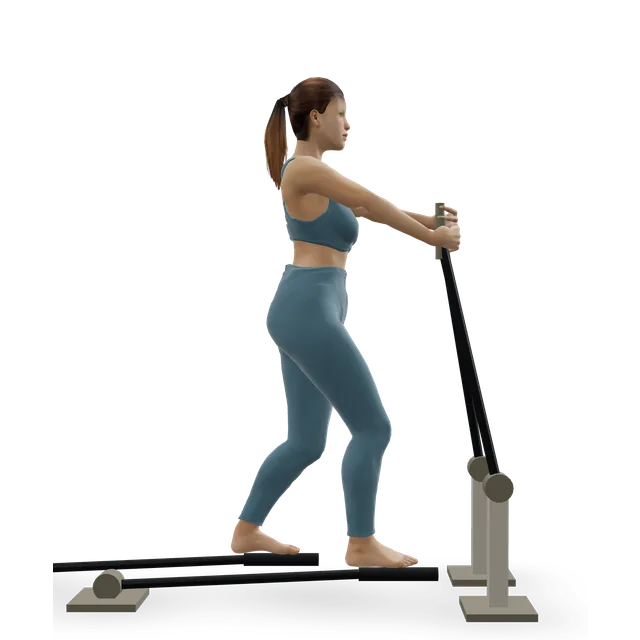
The exercise plan: 3 stages

Start at the first stage. Each move opens a full guide with a 3D demo.

Stage 1

Settle: shoes, laces, foot position, shorter sessions, and foot and calf work

About weeks 0 to 2: change your shoes, lacing and foot position on the pedals today (the written steps below), keep fit on the elliptical within the pain rule or swap to a bike, and start daily foot and calf work. With one sore spot on a bone, diabetes with a new foot problem, or a hot, swollen joint, use the warning signs first; with heel pain, our plantar fasciitis guide has the full heel plan, and with Morton's neuroma, our Morton's neuroma guide.

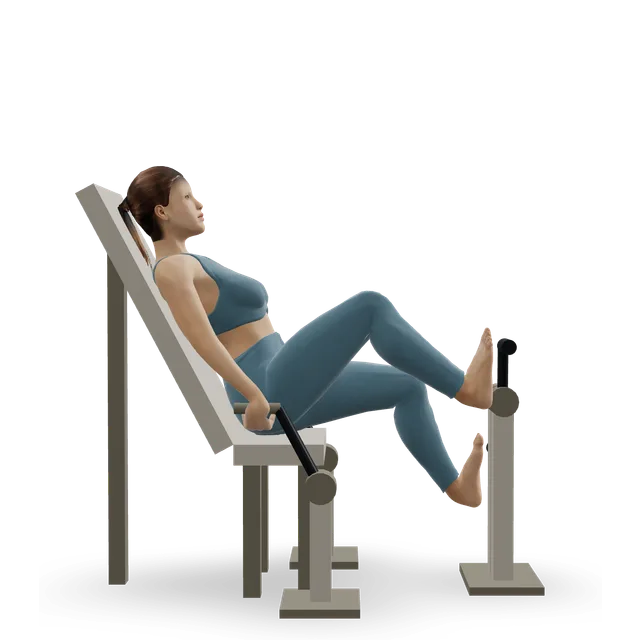
Elliptical trainer demonstrated on the 3D figure3D demoElliptical trainerBeginner · Cardio machine

Only if it passes the pain rule: 10 to 15 minutes at a moderate effort and moderate resistance, feet flat and pointing forwards, shifting your weight back through your heels every few minutes · Adapted from the move page's dose (its editorial starting point), shorter at first; the foot changes are our reading of pressure studies in healthy adults

Harder: Stair-stepper machine

Recumbent exercise bike demonstrated on the 3D figure3D demoRecumbent exercise bikeBeginner · Cardio machine

10 to 20 minutes at a moderate effort to start, building towards 30 (our editorial starting point). Moderate means you can talk but not sing, and those minutes count towards the 150 a week the NHS recommends. The resistance sets the effort: the Compendium rates stationary cycling from very light to very vigorous. · The move page's dose. The swap for a sore ball of the foot or numb toes: the recumbent bike gave the lowest forefoot pressure of five cardio exercises in a lab study. The pedal under the middle of the foot (our suggestion, as in our treadmill foot guide)

Harder: Stationary cycling

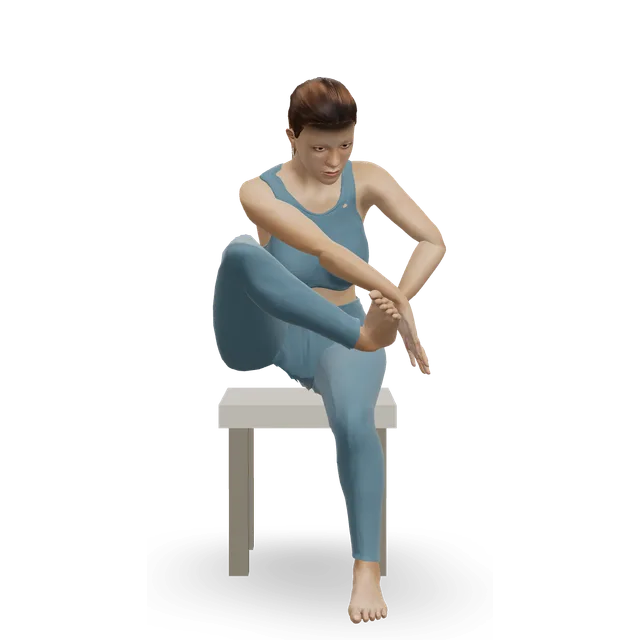
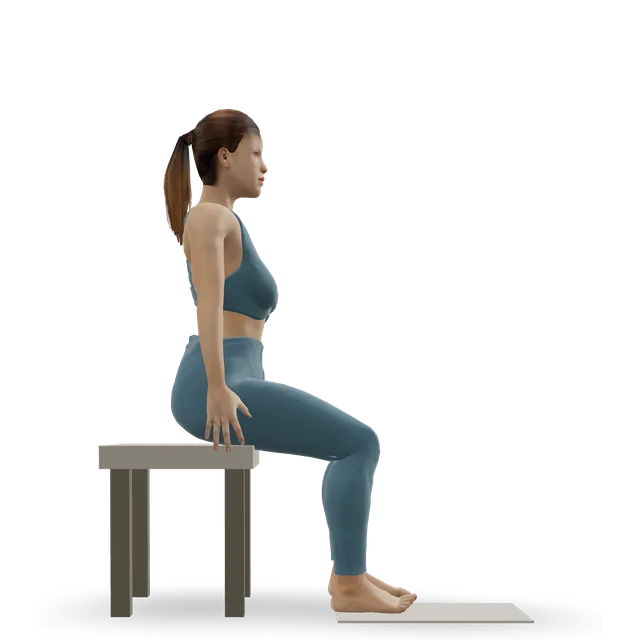
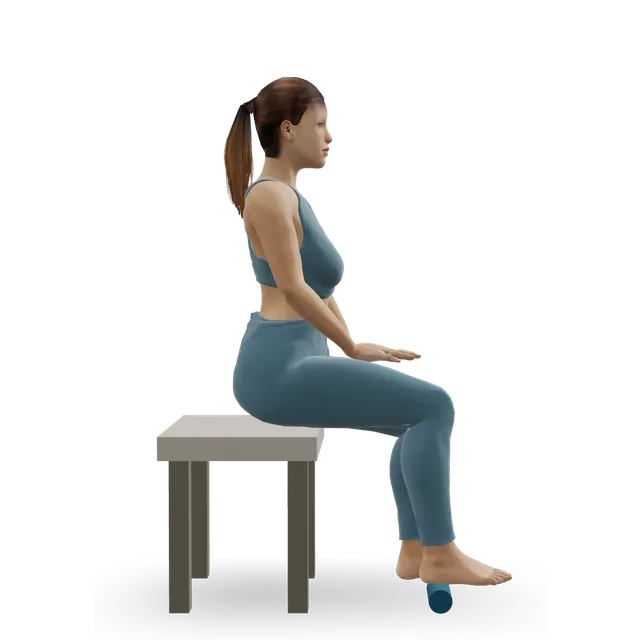
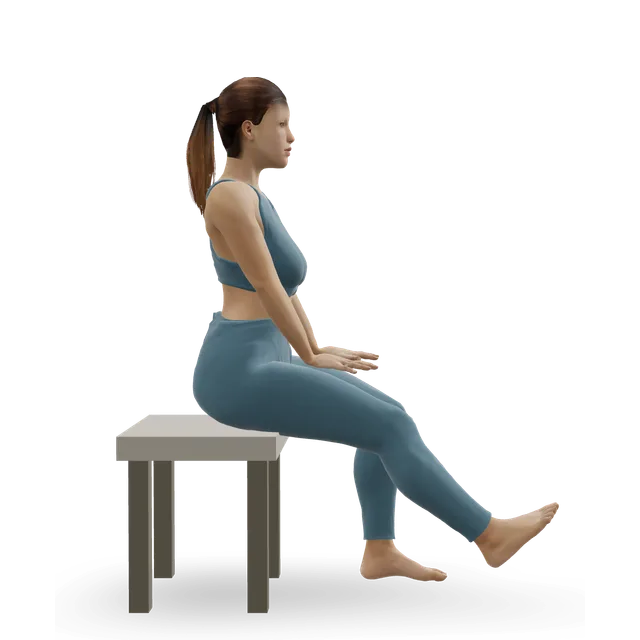
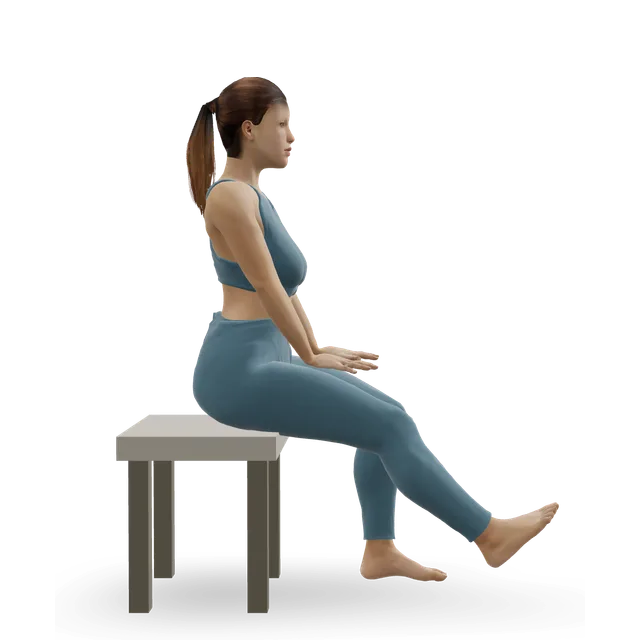
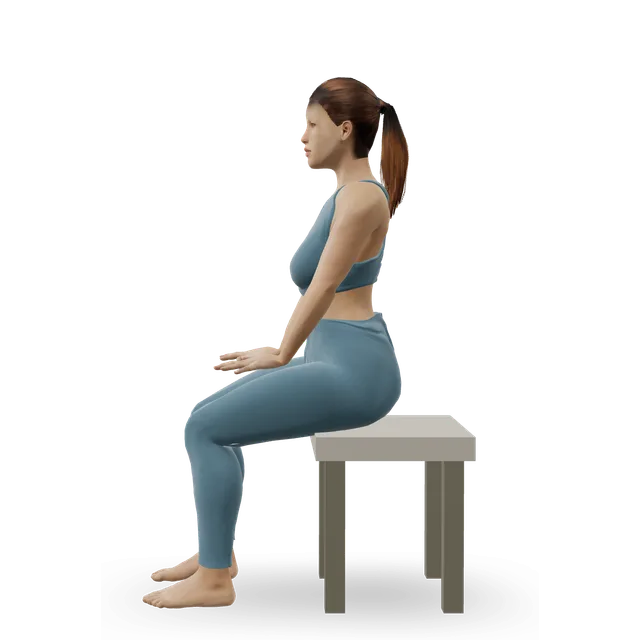
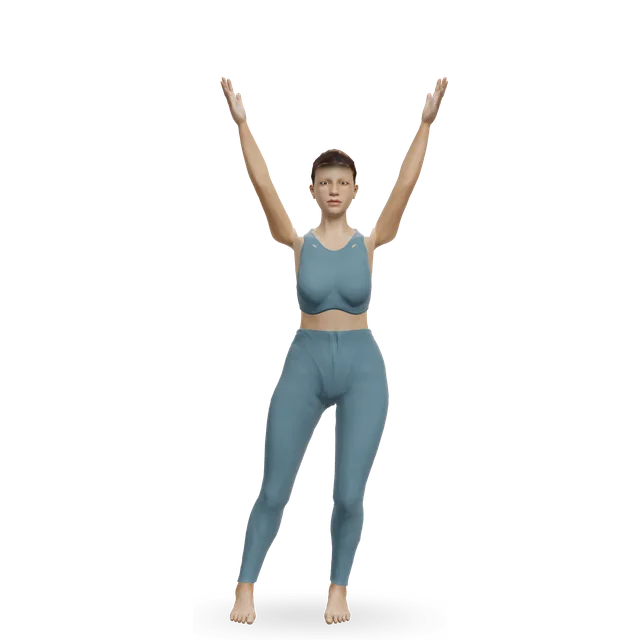
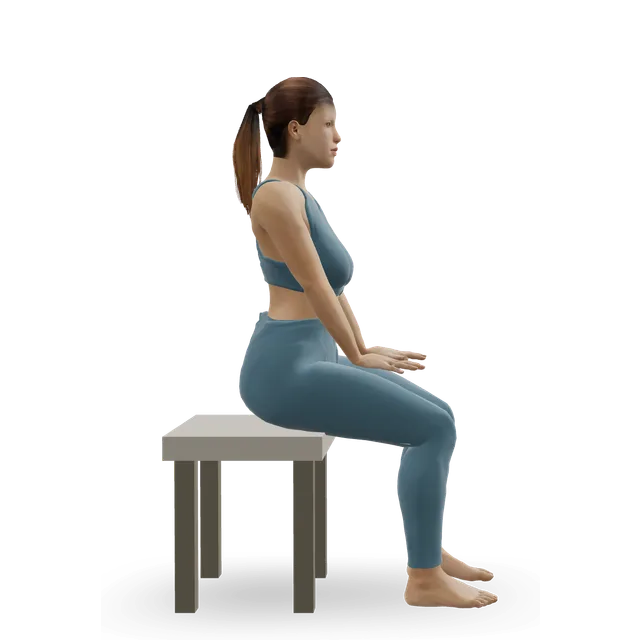
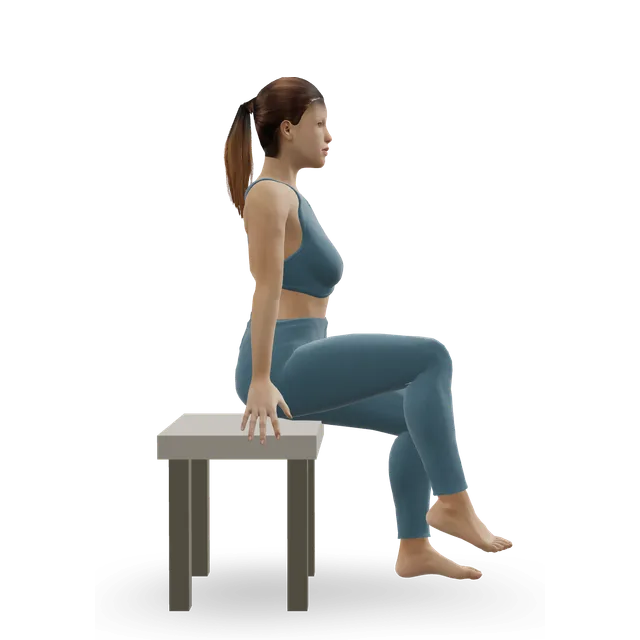
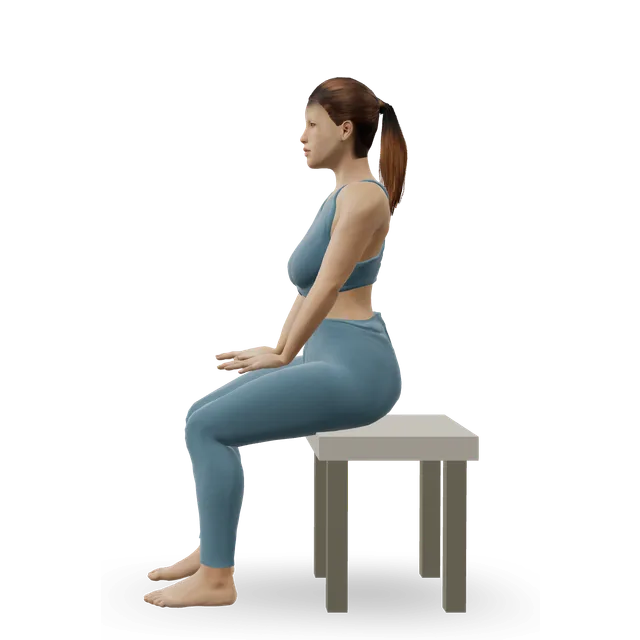
Plantar fascia stretch (seated) demonstrated on the 3D figure3D demoPlantar fascia stretch (seated)Beginner · A bench or box

3 to 5 holds of 10 to 30 seconds, 2 to 3 times a day, starting before your first steps in the morning. The hold length is the range used in trials, as summarised in the 2023 heel pain guideline. · The move page's dose. For heel and arch pain: plantar fascia stretching is first-line care in a best practice guide

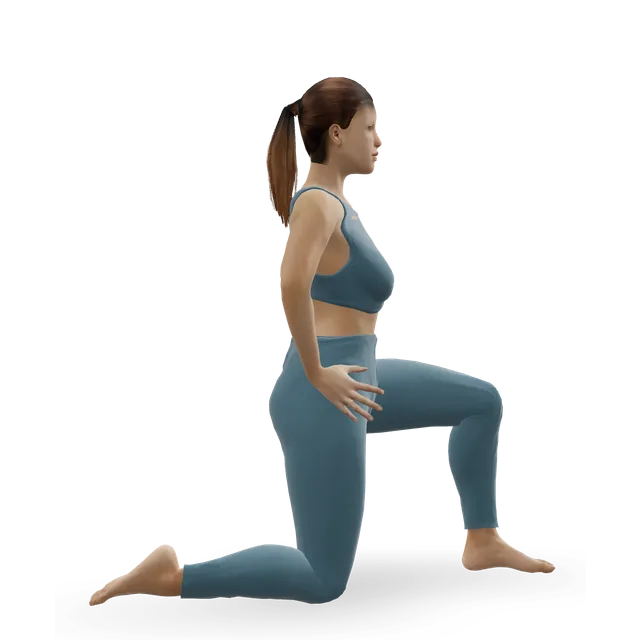
Harder: Toes-tucked kneeling (toe squat)

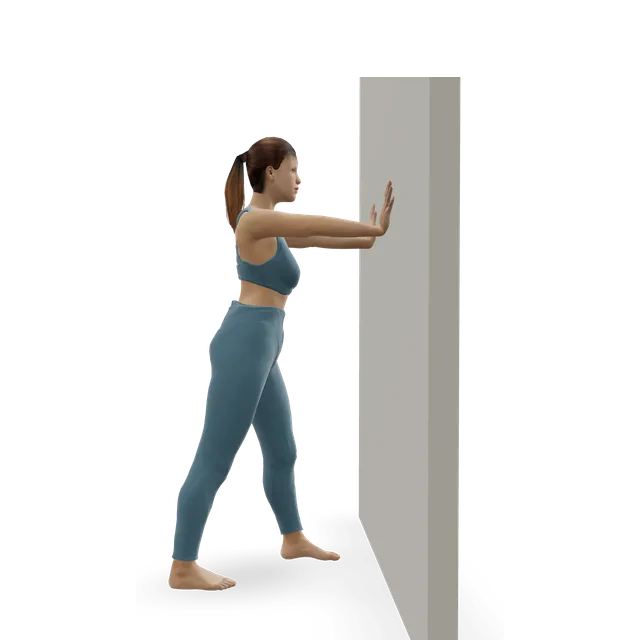
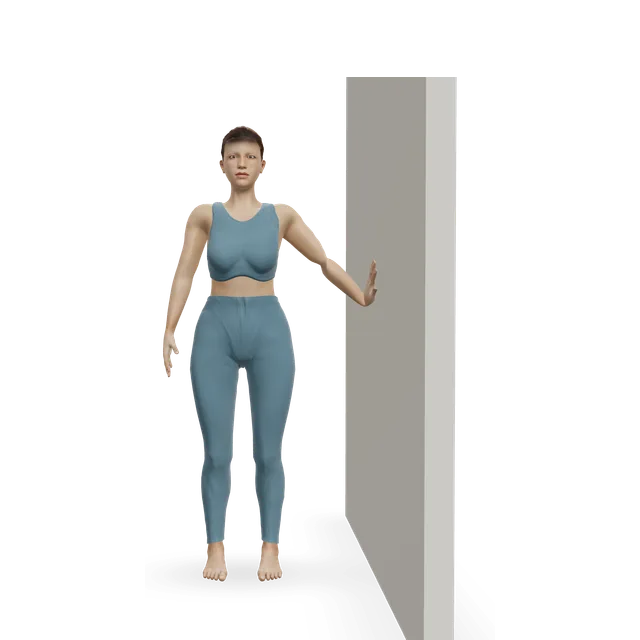
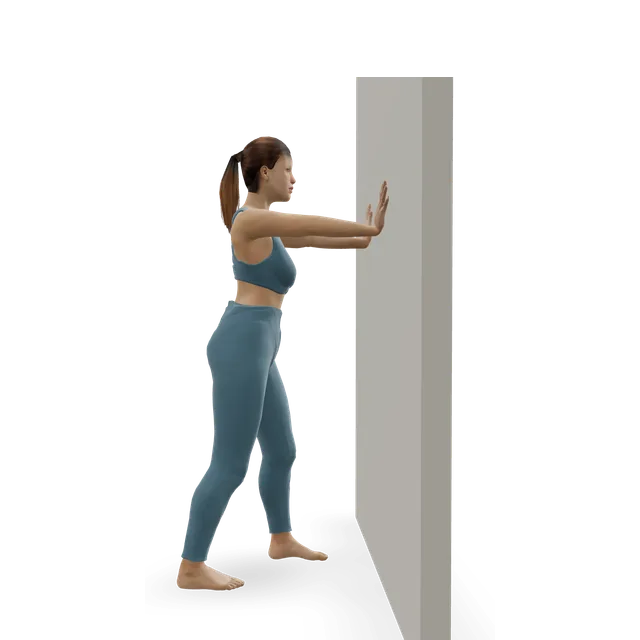
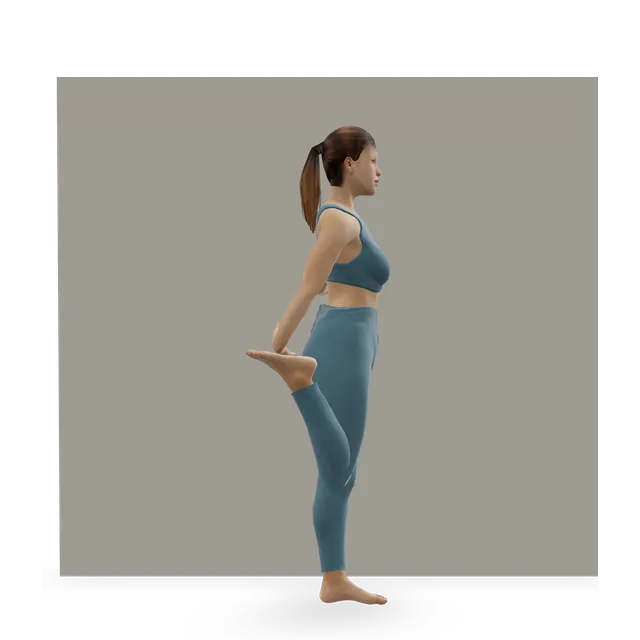
Wall calf stretch (gastrocnemius) demonstrated on the 3D figure3D demoWall calf stretch (gastrocnemius)Beginner · A wall

3 holds of 30 seconds each side · As in our ball of the foot guide (editorial): tight calves move pressure onto the ball of the foot. The move page gives no dose

Easier: Seated calf stretch with a towel · Harder: Heel-on-step calf and hamstring stretch

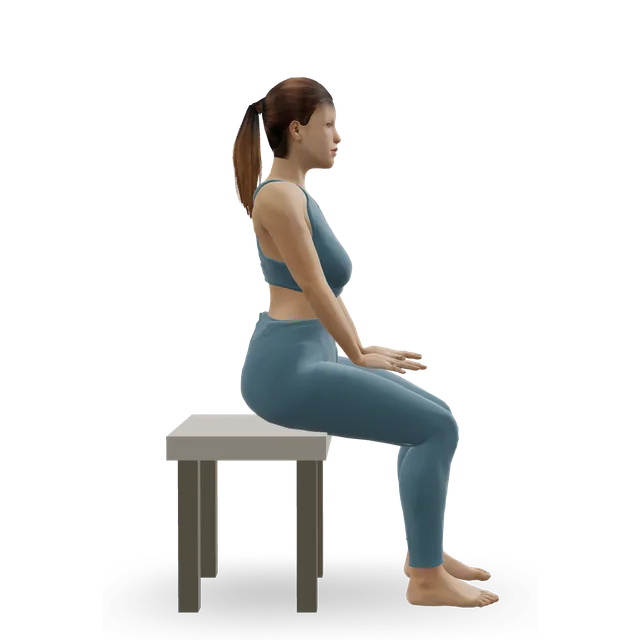
Seated bent-knee calf raise (soleus raise) demonstrated on the 3D figure3D demoSeated bent-knee calf raise (soleus raise)Beginner · A bench or box

3 sets of 15 · As in our running and treadmill foot guides (editorial)

Harder: Slow calf raise

Towel toe curl demonstrated on the 3D figure3D demoTowel toe curlBeginner · Other / check instructions + A bench or box

3 sets of 20 · As in our running foot and plantar fasciitis guides (editorial); stop if it brings on burning or tingling between the toes, as our ball of the foot guide says

Easier: Big toe press (seated toe-flexor hold) · Harder: Short foot + toe splay

Move on when: 20 minutes on the elliptical leaves your toes clear within a few minutes of stepping off, your first steps in the morning are steady or easing, and no spot on a bone hurts to press (our suggestion, as in our treadmill and walking foot guides).

Follow along: a timer, a cue and the next move, one step at a time.
Stage 2

Build: calf and foot strength, and time on the machine

About weeks 2 to 6: strength every second day, the elliptical 3 to 5 times a week. The slow, heavy heel raise used in a heel pain trial, calf, shin and balance work, and elliptical time built up a few minutes at a time.

Elliptical trainer demonstrated on the 3D figure3D demoElliptical trainerBeginner · Cardio machine

Build towards 30 minutes, adding about 5 minutes every session or two, time before resistance · Editorial, as in our elliptical guide; resistance last because it raises the load under the foot

Harder: Stair-stepper machine

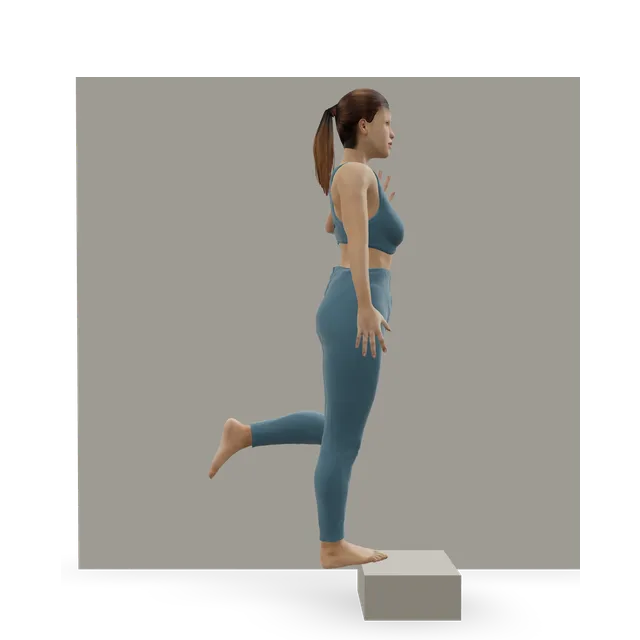
Heel raise with a towel under the toes demonstrated on the 3D figure3D demoHeel raise with a towel under the toesIntermediate · A step + Other / check instructions

Every second day, as in the trial. Start both feet, then one, at a load you can lift about 12 times for 3 sets, and progress over several weeks to heavier loads you can lift about 8 times, adding a backpack or dumbbell, as in the pre-set heavy-slow program. · The move page's dose. For heel pain; with ball of the foot pain or Morton's neuroma, leave it out or stop short of full tiptoe, as our ball of the foot guide does

Easier: Slow calf raise · Harder: Standing dumbbell calf raise

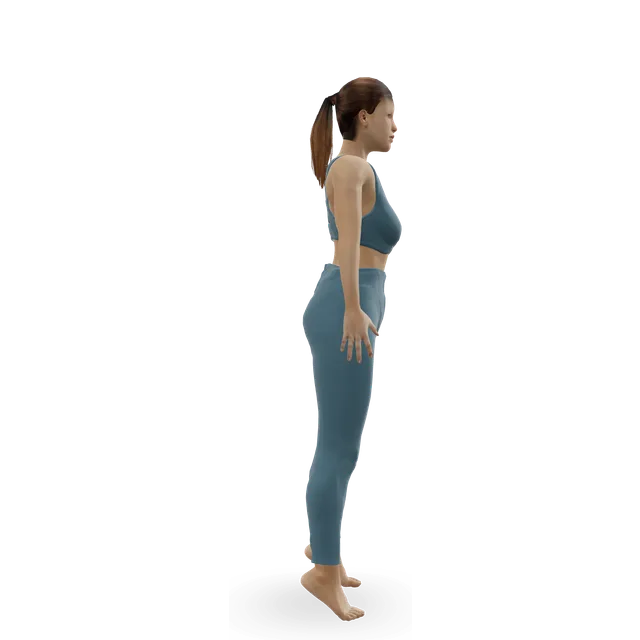
Slow calf raise demonstrated on the 3D figure3D demoSlow calf raiseBeginner · A wall

3 sets of 15, both feet, then one · As in our running foot guide (editorial)

Easier: Seated bent-knee calf raise (soleus raise) · Harder: Standing dumbbell calf raise

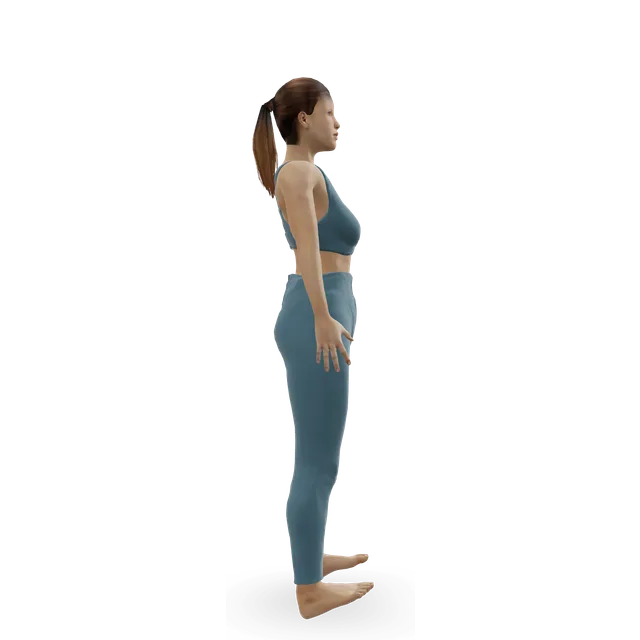
Tibialis raise demonstrated on the 3D figure3D demoTibialis raiseBeginner · No equipment

3 sets of 15 · As in our running foot guide (editorial)

Harder: Single-leg tibialis raise

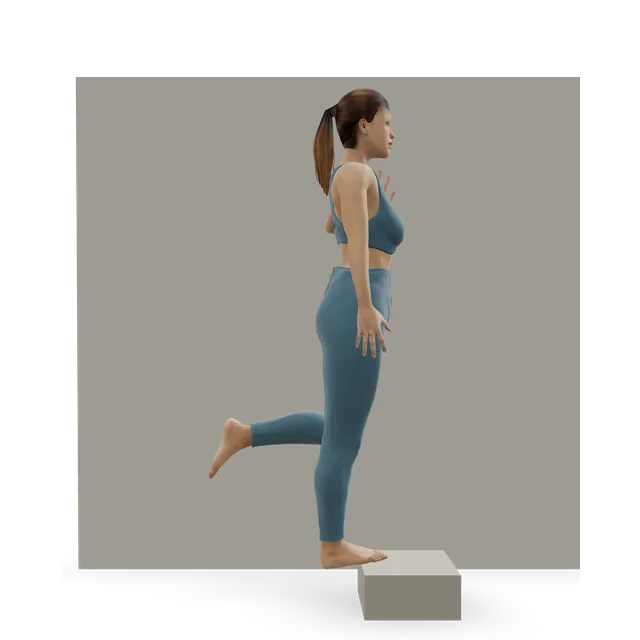
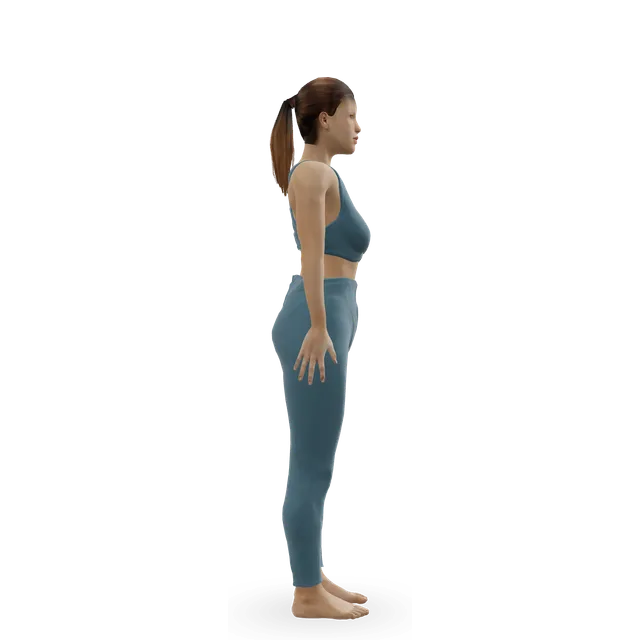
Single-leg stand demonstrated on the 3D figure3D demoSingle-leg standBeginner · A wall

3 holds of 30 seconds each side · As in our running foot guide (editorial)

Easier: Tandem stance and heel-to-toe walk · Harder: Single-leg reach matrix

Move on when: 30 minutes on the elliptical at your usual effort leaves your feet clear within a few minutes and your first steps no worse the next morning, and the strength work is comfortable (editorial).

Follow along: a timer, a cue and the next move, one step at a time.
Stage 3

Back to your usual sessions, and keep strong

From about week 6, then ongoing, strength twice a week: your usual elliptical sessions, then harder ones, one change at a time by the written steps below, with walking and calf strength kept up. No study has tested a return to the elliptical after foot pain, so the order is editorial.

Elliptical trainer demonstrated on the 3D figure3D demoElliptical trainerBeginner · Cardio machine

Your usual sessions; then resistance a level at a time, then the ramp, then intervals (1 minute harder, 2 minutes easy, 4 rounds building to 8), then backwards for variety · Editorial, as in our elliptical guide and our elliptical hip and knee guides

Harder: Stair-stepper machine

Single-leg calf raise from a step demonstrated on the 3D figure3D demoSingle-leg calf raise from a stepIntermediate · A step + A wall

3 sets of 15 to 20 each leg, twice a week · As in our running foot guide (editorial)

Easier: Slow calf raise · Harder: Single-leg pogo hops

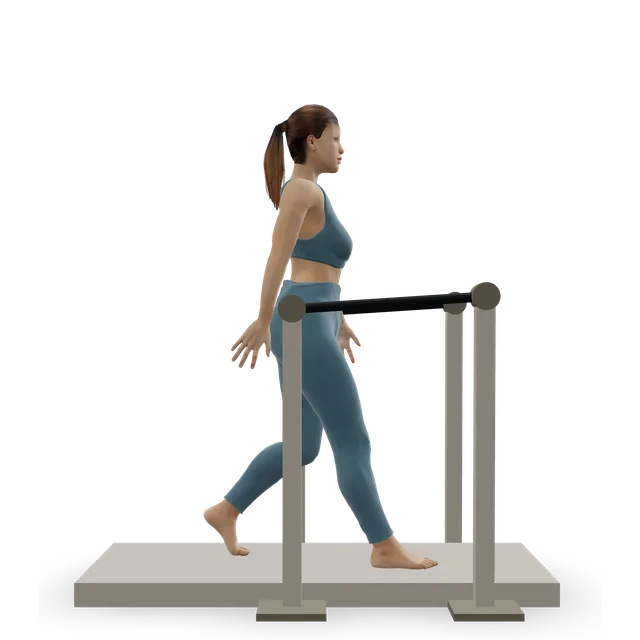
Treadmill walking demonstrated on the 3D figure3D demoTreadmill walkingBeginner · Cardio machine

Build to 30 minutes of brisk walking without pain, adding a few minutes a week · As in our running foot guide (editorial); walking outdoors counts the same. The move page gives no dose

Harder: Treadmill jogging

Heel raise with a towel under the toes demonstrated on the 3D figure3D demoHeel raise with a towel under the toesIntermediate · A step + Other / check instructions

Twice a week, at the heaviest load you reached, once heel pain has settled · Adapted from the move page's dose (every second day in the trial); twice a week to keep it up is our suggestion

Easier: Slow calf raise · Harder: Standing dumbbell calf raise

Move on when: Your usual sessions pass the pain rule and your feet are clear within minutes of stepping off, for 2 weeks. If numbness or pain comes back, go back to the last setting that was fine, not to nothing (editorial).

Follow along: a timer, a cue and the next move, one step at a time.

What to change for now

What to change on the elliptical and in your shoes today (written steps)

Our 3D figure can't show your shoes, your laces or where your feet sit on the pedals. These steps come from lab studies of foot pressure and lacing in healthy people, NHS pages, an NHS podiatry leaflet and our foot and elliptical guides; where a step is our suggestion or our reading, it says so. None has been tested against foot pain on the elliptical. Keep what passes the pain rule.

  • 1. Check the fit: shoes of the right length, width and depth with a round, deep front, as an NHS podiatry leaflet says; most people's shoes don't fit their width or length. Leave room in front of the longest toe, because the foot slides forward in the shoe.
  • 2. Lace snugly, not tightly: loose laces let the foot slide and loaded the toes more. Loosen or skip an eyelet over a sore spot on top of the foot, where lace pressure peaks (our suggestion, as in our running and treadmill foot guides).
  • 3. Feet on the pedals: flat, pointing forwards, heels down and the whole foot on the pedal, as our elliptical move page says, not jammed against the front of the foot wells. The ball of the foot stays loaded the whole stride, so every few minutes shift your weight back through your heels for a few strides (our suggestion).
  • 4. Resistance: moderate. Higher resistance raised the load under the foot.
  • 5. Time: shorter sessions, or a long session split in two, with a minute off to wiggle your toes when they start to tingle (our suggestion).
  • 6. Numb or tingling toes: stop, loosen the laces over the front of the foot, wiggle your toes, and try roomier shoes, as our treadmill foot guide advises. If there is burning between the toes, see our Morton's neuroma guide.
  • 7. Ball of the foot pain: roomy shoes with a low heel and a soft sole, and soft insoles or pads, as the NHS says; a recumbent bike unloads the forefoot most.
  • 8. Heel pain: the elliptical is often a good swap from walking or running, because it takes far less pressure through the heel (our reading); shoes with cushioned heels and good arch support, as the NHS says.
  • 9. Another machine: ellipticals differ in how they load the foot, so if one always numbs your toes, try another (our suggestion).
  • 10. Cold gyms and garages: warm socks that don't make the shoe tight, and keep your core warm, if your toes go white or blue (our suggestion, as our numb feet when cycling guide says).
  • 11. Numb feet or diabetes: shoes always, never socks or bare feet on the pedals; start gently, as the elliptical study in older adults advises; and check your feet for redness, blisters or cuts after every session, as the diabetic foot guideline and Diabetes UK advise.
  • 12. One change at a time, a few sessions apart, so you can tell what helped (our suggestion, as in our running foot guide).

Sources 37, 36, 10, 39, 23, 3, 15, 4, 19, 6, 5, 47, 53

How the elliptical comes back (written steps)

No trial has tested how to bring the elliptical back after foot pain. These steps are our suggestion, following our elliptical guide's one-change-at-a-time order.

  • 1. Short sessions at a moderate resistance, feet flat, shifting your weight back every few minutes.
  • 2. Longer sessions, time first.
  • 3. Resistance, a level at a time, since it raises the load under the foot.
  • 4. The ramp.
  • 5. Intervals.
  • 6. Backwards for variety. If numbness or pain comes back, go back a step, not to nothing.

Positions to swap, and why

Habit or positionWhy it mattersInstead
Long sessions at a high resistanceHigher resistance raised the load under the foot, and the ball of the foot never leaves the pedal.Moderate resistance and shorter sessions, building time before resistance.
Laces done up hard, or a tight, narrow shoeLace pressure peaks over the top of the midfoot, and narrow shoes squeeze the nerves between the toes.Laces snug, not tight, and a shoe wide enough for your forefoot.
Laces left looseLoose laces let the foot slide and loaded the toes more.Snug laces to the top eyelet.
Toes pushed to the front of the pedals, up on the balls of your feetThe ball of the foot already carries the load for the whole stride.Feet flat, heels down, and your weight shifted back through the heels every few minutes.
Pushing on through numbness that doesn't fadePins and needles that keeps coming back needs a GP check.Stop, loosen your laces, and see a GP if it lasts or keeps returning.
Switching to the elliptical to keep training through one sore spot on a foot boneThe forefoot stays loaded throughout, and a stress fracture needs pain-free loading.Get it checked, and use the recumbent bike or swimming meanwhile.Try: Recumbent exercise bike
Buying shoes a size up for swellingFeet didn't measurably swell during exercise in small studies, and a loose shoe lets the foot slide.The right length and width, with room at the toes.
Socks or bare feet on the pedals, especially with numb feet or diabetesNumb feet can't warn you of damage.Shoes always, and a skin check afterwards.
Rolling a ball hard under a numb or burning forefootIt adds pressure to an irritated nerve (our caution).Wider shoes and calf stretches.Try: Wall calf stretch (gastrocnemius)
Resting your feet completelyNHS inform says a little activity is better than nothing.The bike, or the elliptical within the pain rule.Try: Recumbent exercise bike
Pushing on through chest pain, chest tightness or breathlessnessThat is a heart or lung warning sign.Stop, and act on the warning signs at the top of this page.

Routines to follow

Plantar fascia routine

Plantar fascia and calf stretches, a gentle foot roll and the towel heel raise: the exercises the 2023 heel pain guideline supports.

8 minBeginner7 movesA bench or box, A massage ball

Foot and ankle strengthening routine: toes, arches, calves and balance

A 15-minute barefoot routine for stronger toes, arches, calves and ankles, finishing with balance. You need only a towel, a wall and a resistance band.

15 minBeginner11 movesA wall, Other / check instructions

Calf workout: straight-knee and bent-knee raises with a step

A 25-minute calf workout with a step and a dumbbell: single-leg raises for the big calf muscle, then seated raises for the soleus, with gym swaps for each move.

25 minIntermediate7 movesA wall, A step

Elliptical workout for beginners: set-up, steady rounds and first intervals on the cross trainer

A first elliptical (cross trainer) workout: step on safely, ride steady at a talk-but-not-sing effort, then add 1-minute pushes once 20 minutes is easy.

30 minBeginner4 movesCardio machine, A wall

Low-impact cardio workout (no jumping)

A 25-minute standing cardio circuit with no jumping: marching, step jacks, sit-to-stands, punches, step-ups and wall push-ups, with a seated option for most moves.

25 minBeginner9 movesA bench or box, A step

Exercises for peripheral neuropathy: balance and leg strength in shoes

A 35-minute home routine for numb feet: seated ankle work, leg strength and balance at a counter, then a walk, with shoes on and a foot check before and after.

35 minBeginner13 movesA bench or box, Something with weight

More moves for this area

Questions people ask

Why do my feet go numb on the elliptical?

Usually steady pressure: the ball of the foot never leaves the pedal, so it carries load for the whole session, and tight shoes or laces add to it, in our reading of lab studies. Shift your weight back through your heels every few minutes, loosen your laces, ease the resistance and take short breaks. Numbness that lasts after you stop, or keeps coming back, needs a GP.

Is it normal for my feet to go numb on the elliptical?

It's common, and pins and needles from pressure usually stops when the weight comes off, the NHS says. That doesn't make it something to ignore. See a GP if it lasts, keeps coming back, is in both feet off the machine, or you have diabetes.

Why do the balls of my feet hurt on the elliptical?

The elliptical spares the heel much more than the ball of the foot: in a lab study, peak pressure under the ball of the foot was only about 16% lower than walking. Roomy shoes with a soft sole, moderate resistance and shifting your weight back help, and a recumbent bike unloads the forefoot most. Burning between the 3rd and 4th toes points to Morton's neuroma.

Why does the top of my foot hurt on the elliptical?

Usually laces or shoes pressing there: lace pressure peaks over the top of the midfoot, and the NHS lists tight shoes among the causes. Loosen or skip an eyelet over the sore spot. One spot on a bone that you can press needs checking for a stress fracture.

Is the elliptical good for plantar fasciitis?

Often yes, as a swap from walking or running: in a lab study, heel pressure was 94 kPa on an elliptical against 215 walking. No trial has tested it, so judge it by your first steps the next morning, and keep the heel stretches and heel raises going.

Can the elliptical cause plantar fasciitis?

No study shows it does, and it loads the heel less than walking. Heel pain that starts while you use one is more often from your total time on your feet, your shoes or long days standing.

Which shoes are best for the elliptical?

Shoes that fit your length and width, with a round, deep front and room at the toes, laced snugly. Most people's shoes don't fit their width or length. Running shoes are fine, and NHS inform calls them particularly useful for heel pain.

Does foot position on the pedals matter?

Probably, though no study has tested it against foot pain. The ball of the foot stays loaded throughout, so keep your feet flat, pointing forwards and heels down, and shift your weight back every few minutes. Turning the toes out mainly changed the knee and hip in a lab study.

Should I pedal backwards to stop numb feet?

It's worth trying for a minute or two, but no study has measured what it does to the foot; the backwards studies looked only at the knee and hip. Looser laces and lower resistance are more likely to help.

I have diabetes. Can I use the elliptical?

Usually yes, with care: weight-bearing exercise didn't raise ulcer rates in a trial of people with diabetic nerve damage, but the forefoot pressure over time is no lower than walking, so start gently. Wear shoes, check your feet after every session, and contact your foot team within 24 hours about any change.

Do I need a scan?

Usually not: Morton's neuroma is diagnosed by examination, and neuroma-like findings are common in people without symptoms. One sore spot on a bone, or numbness in both feet, needs a GP check.

When should I see a doctor?

Call 999 for a foot that is suddenly cold, pale, numb or very painful, or chest pain on the machine. Get help the same day for a hot, red, swollen foot or joint, or any new foot problem with diabetes, and see a GP for numbness that lasts or keeps coming back, numbness in both feet, one sore spot on a bone, or foot pain that isn't better after 2 weeks. In the US, call 911 where this page says 999.

Related exercise guides

Other pain guides

Sources

  1. Graves 2014 · Injuries from home exercise machines in US emergency departments, 2007 to 2011 (surveillance study, Inj Prev)
  2. Kaplan 2014 · Foot loads in walking, jogging, treadmill jogging and on an elliptical in 75 adults (lab study, Gait Posture)
  3. Kaplan 2014 · Foot loads with changing resistance and incline on an elliptical in 30 adults (lab study, Orthop J Sports Med)
  4. Burnfield 2007 · Foot pressures on five cardio machines and in walking and running, in 20 adults (lab study, Med Sci Sports Exerc)
  5. Burnfield 2020 · Foot pressures on four ellipticals against walking in 10 older adults (lab study, Clin Biomech)
  6. Cesar 2020 · Foot pressures on four ellipticals against walking in 10 young adults (pilot study, Foot)
  7. NHS · Pins and needles
  8. Casado-Hernandez 2023 · Hard insoles and pressure under the foot when cycling (crossover study, Bioengineering)
  9. Bonfatti 2024 · Moving the cleat back for foot pain in 21 cyclists (case series, J Sports Med Phys Fitness)
  10. Chalk 1995 · Foot volume before and after 2 hours of exercise in 9 volleyball players (lab study, J Am Podiatr Med Assoc)
  11. Song 2024 · Foot shape and temperature over a 10 km treadmill run in 10 runners (lab study, Sci Rep)
  12. NHS · Morton's neuroma
  13. American Academy of Orthopaedic Surgeons (OrthoInfo) · Morton's neuroma
  14. Gougoulias 2019 · Morton's interdigital neuroma (instructional review, EFORT Open Rev)
  15. NHS · Pain in the ball of the foot
  16. American Academy of Orthopaedic Surgeons (OrthoInfo) · Stress fractures of the foot and ankle
  17. Cambridge University Hospitals NHS Foundation Trust · Metatarsal fractures and stress fractures (patient information, 2024)
  18. Warden 2021 · The right load for low-risk shin and metatarsal bone stress injuries in runners (clinical commentary, J Orthop Sports Phys Ther)
  19. NHS · Plantar fasciitis
  20. NHS inform · Plantar heel pain
  21. Thomas 2019 · Plantar heel pain in 5,109 UK adults aged 50 and over (population survey, BMC Musculoskelet Disord)
  22. NHS · Pain in the top of the foot
  23. Hagen 2010 · Lacing patterns, pressure on the top of the foot and comfort in 14 runners (lab study, Res Sports Med)
  24. Bojovic 2025 · Trapped nerves in the foot and ankle (narrative review, Int Orthop)
  25. Banu 2024 · The tunnel on the top of the foot that carries the deep peroneal nerve (cadaver anatomy study, Cureus)
  26. NHS · Peripheral neuropathy (past its review date: reviewed October 2022, review due October 2025)
  27. NHS · Raynaud's (past its review date: reviewed July 2023, review due July 2026)
  28. NHS · Peripheral arterial disease (PAD) (last reviewed April 2026)
  29. NHS · Gout (past its review date: reviewed August 2023, review due August 2026)
  30. NHS · Cellulitis
  31. Zanetti 1997 · Neuroma-like findings on MRI scans of 70 people without foot symptoms (imaging study, Radiology)
  32. Symeonidis 2012 · Thickened nerves between the toes on ultrasound in 48 people without symptoms (observational study, Foot Ankle Int)
  33. NHS inform · Foot and toe problems
  34. Hansen 2018 · Plantar fasciitis 5 to 15 years on in 174 hospital patients (cohort study, Orthop J Sports Med)
  35. Riel 2019 · Self-dosed against set heavy heel raises for plantar heel pain in 70 people (randomised trial, J Physiother)
  36. Buldt and Menz 2018 · Ill-fitting shoes, foot pain and foot problems: 18 studies (systematic search and narrative review, J Foot Ankle Res)
  37. Oxford Health NHS Foundation Trust · Diabetes: footwear advice (podiatry leaflet, 2024)
  38. Jones 2026 · How strong is the evidence for shoe fitting rules in people with diabetes? (systematic review, J Foot Ankle Res)
  39. Fiedler 2011 · Loose laces, pressure under the foot and the foot sliding in the shoe in 20 adults (randomised lab study, Gait Posture)
  40. Hagen 2009 · Lacing patterns and foot loading in 20 runners (lab study, J Sports Sci)
  41. Paquette 2015 · Foot position on an elliptical and hip and knee movement in 16 men (lab study, J Appl Biomech)
  42. Morrissey 2021 · Managing plantar heel pain: a best practice guide from 51 trials, expert reasoning and patient values (Br J Sports Med)
  43. Rathleff 2015 · Heavy heel raises with stretching against stretching alone for plantar fasciitis in 48 people (randomised trial, Scand J Med Sci Sports)
  44. Whittaker 2018 · Foot orthoses for plantar heel pain: 19 trials (systematic review and meta-analysis, Br J Sports Med)
  45. Matthews 2019 · Non-surgical treatments for Morton's neuroma: 25 studies (systematic review and meta-analysis, J Foot Ankle Res)
  46. Matthews 2024 · Treatments for Morton's neuroma: 6 trials (Cochrane systematic review)
  47. Bus 2024 · Preventing foot ulcers in people with diabetes: the IWGDF 2023 update (international guideline, Diabetes Metab Res Rev)
  48. LeMaster 2008 · Weight-bearing exercise and foot ulcers in 79 people with diabetic neuropathy: Feet First (randomised trial, Phys Ther)
  49. Mueller 2013 · Standing against seated exercise in 29 people with diabetes and neuropathy (randomised trial, Arch Phys Med Rehabil)
  50. NICE NG19 · Diabetic foot problems: prevention and management (recommendations, last updated October 2019)
  51. Hummer 2021 · Pedalling direction, ramp angle and leg movement on an elliptical in 24 adults (lab study, Knee)
  52. NHS inform · Pain in the ball of the foot
  53. Diabetes UK · Serious foot problems and diabetes
  54. NHS · Toe pain
  55. NHS · Heel pain
  56. NHS · Pain in the bottom of the foot
  57. NHS · Foot drop
  58. NHS · Heart attack

Exercise education, not a diagnosis or treatment plan. It is written from the guidelines and studies listed above; review by a clinician is pending. If your pain follows an injury, is severe, is getting worse, or comes with any warning sign listed on this page, get it assessed. Health disclaimer.