Pilates is safe for most people, and serious shoulder injury is rareEmerging evidence
No study gives a Pilates injury rate for the shoulder or any other part, and no country collects Pilates injury statistics. The instructor survey has no shoulder figure, and a Dutch survey of 494 people injured in the gym pooled yoga and Pilates, whose most injured part was the back. In a back pain trial, 2 of 44 people in the Pilates group had minor shoulder pain, and a trial of reformer classes in 54 women with back or neck pain reported no adverse events from the programme.
In an online Pilates programme for people with hypermobility, 17.1% of 251 people reported more pain or a flare they put down to the Pilates, with shoulder, wrist, neck or hip discomfort in particular moves among the examples; about half settled, and none was known to be severe.
Sources 1, 2, 3, 4, 5, 6, 7
What Pilates asks of the shoulderEmerging evidence
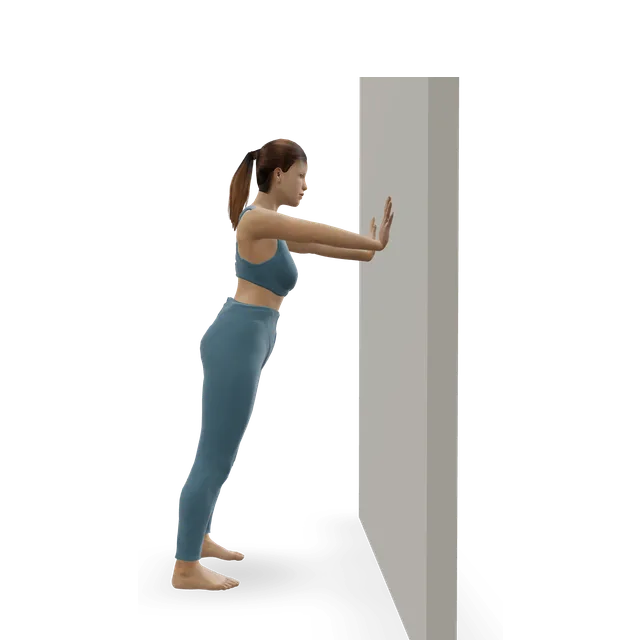
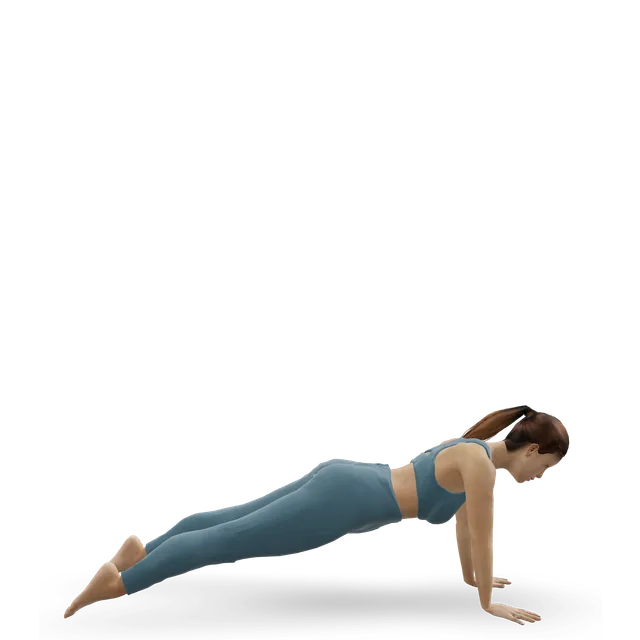
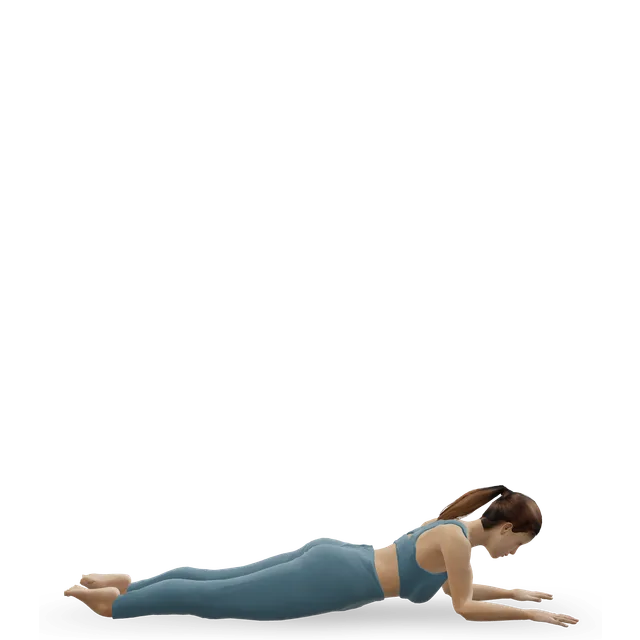
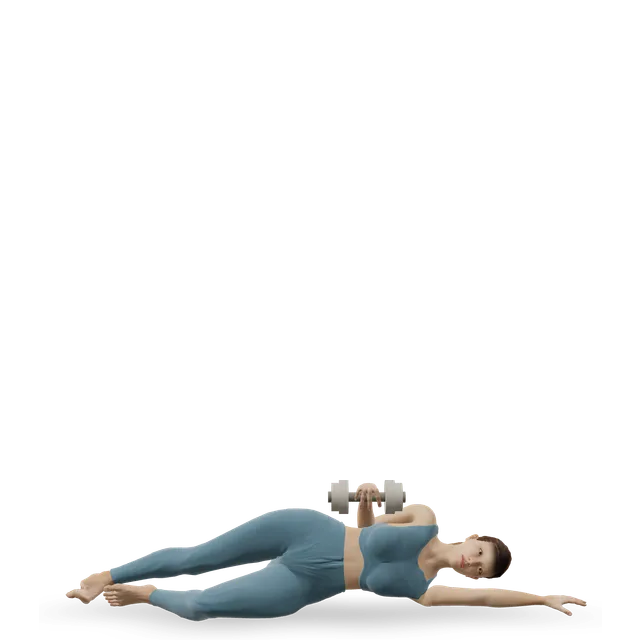
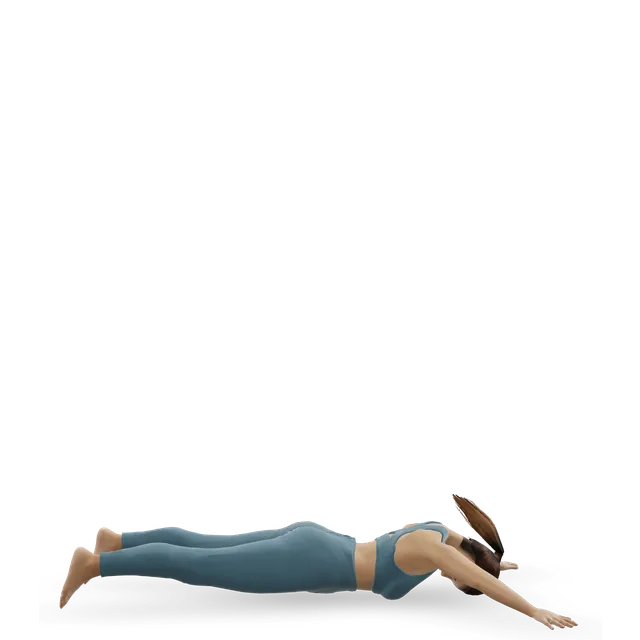
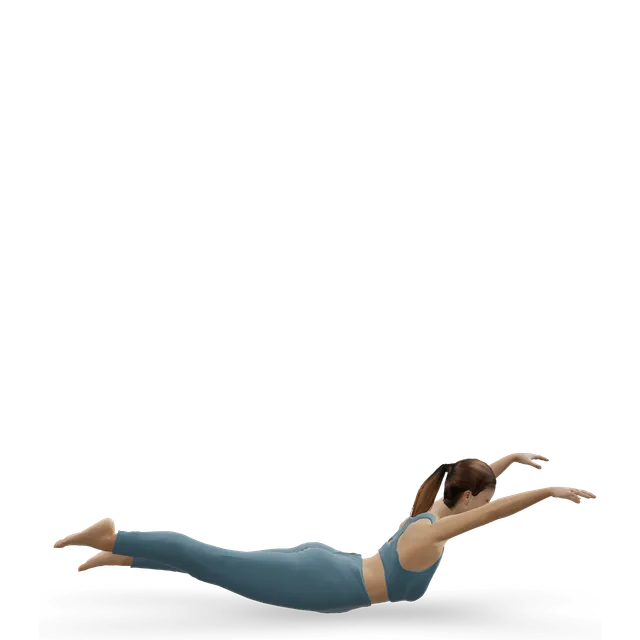
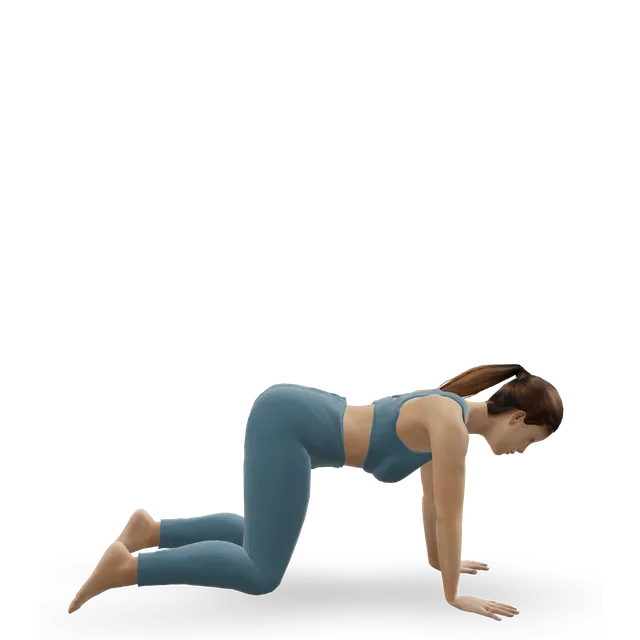
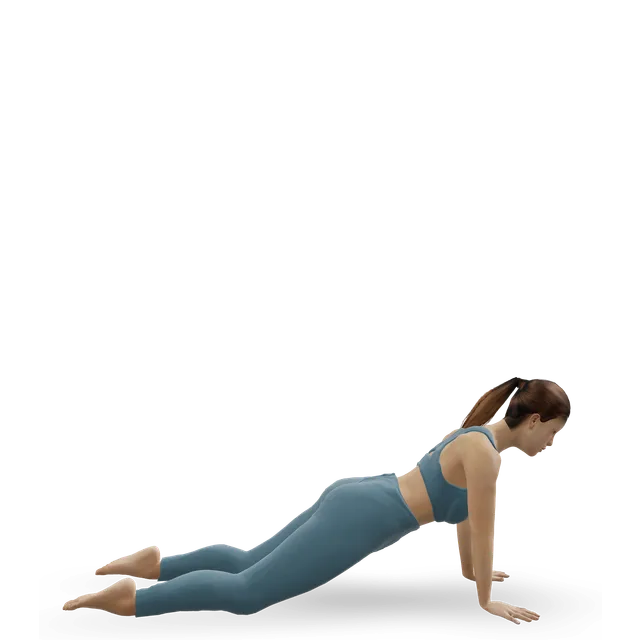
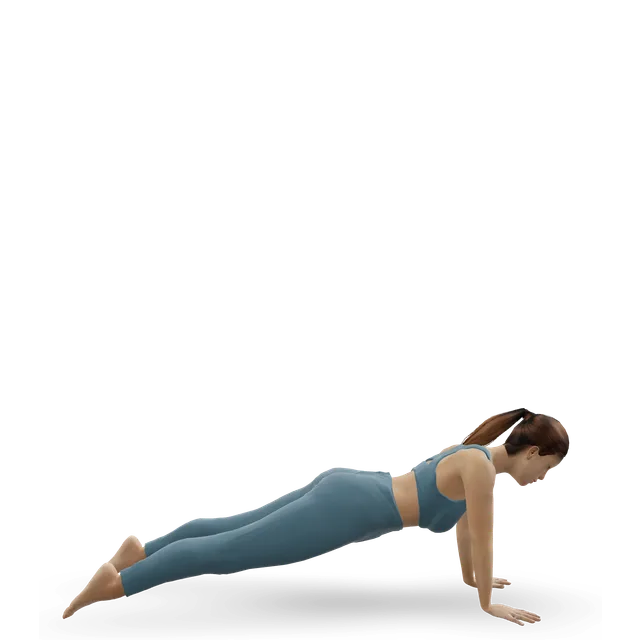
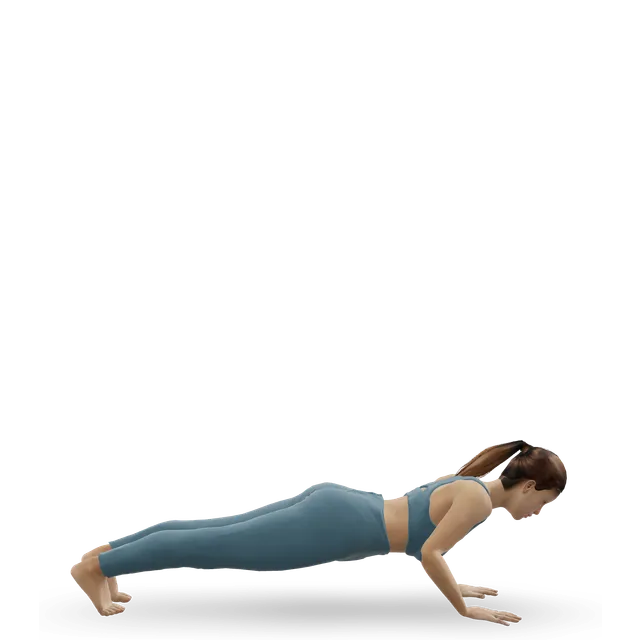
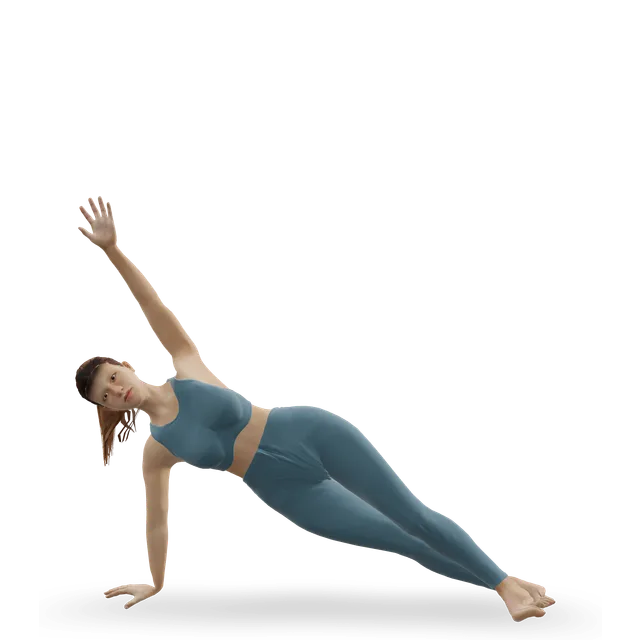
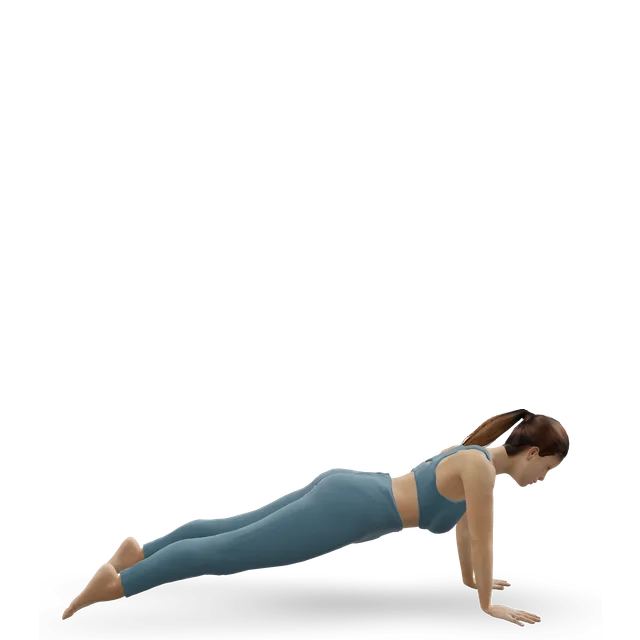
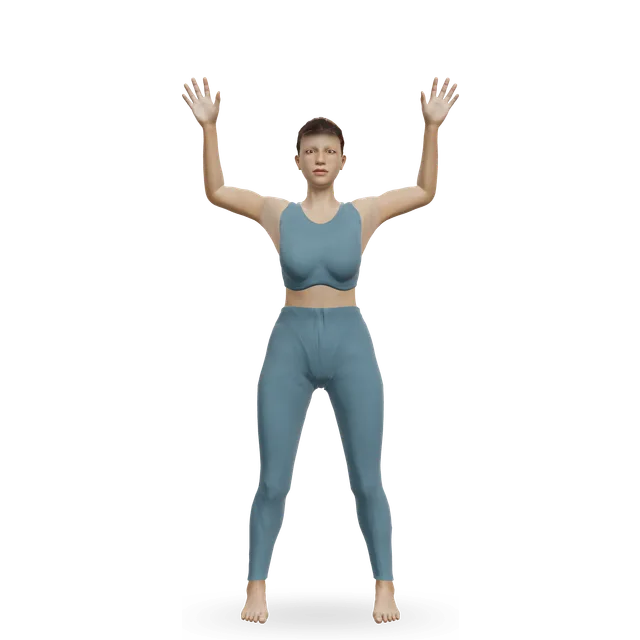
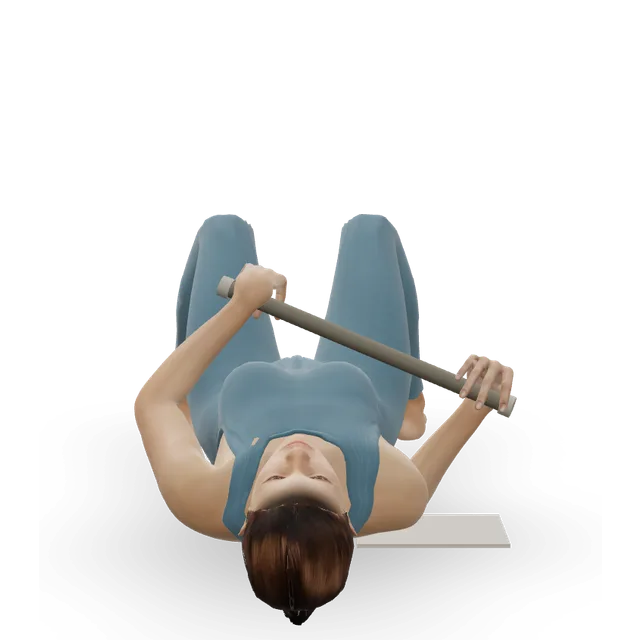
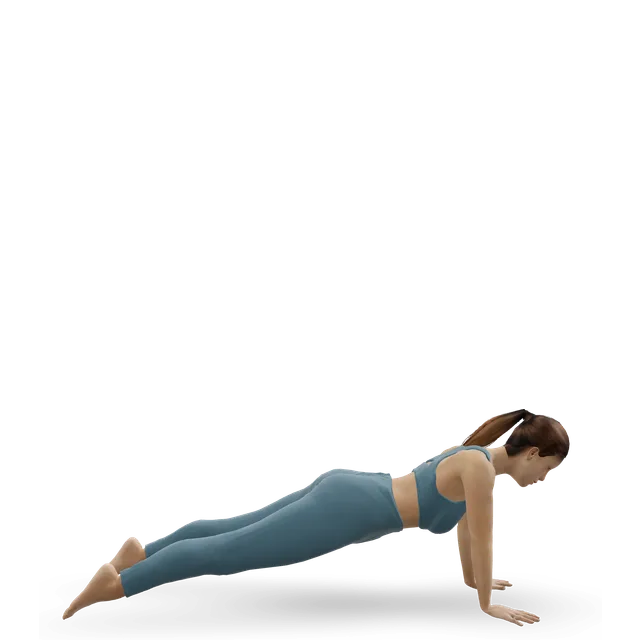
On the mat, the knee hover, the high plank, the leg pull front and back, the push-up and the side bend put weight on the hands; the roll-up, swimming and the teaser reach overhead; rocking, the leg pull back and the double-leg kick's clasp take the arms behind you; the roll-over, jack knife, control balance and boomerang put weight towards the shoulders and neck; and the side kick is often propped on one elbow.
On the reformer, arm work in the straps (seated arm work, rowing, chest expansion, hug a tree, pulling straps and backstroke) works the shoulder against springs, the hundred is done with the hands in the loops, and the elephant, long stretch, up stretch and knee stretches put the hands on the footbar. The reformer maker lists wrist, arm or shoulder problems as a precaution for arm work and back, neck and shoulder injuries for the short box series, and the classical manual lists shoulder issues for the reformer hundred.
Sources 8, 9
How much load: push-up, plank and implant studies, not PilatesEmerging evidence
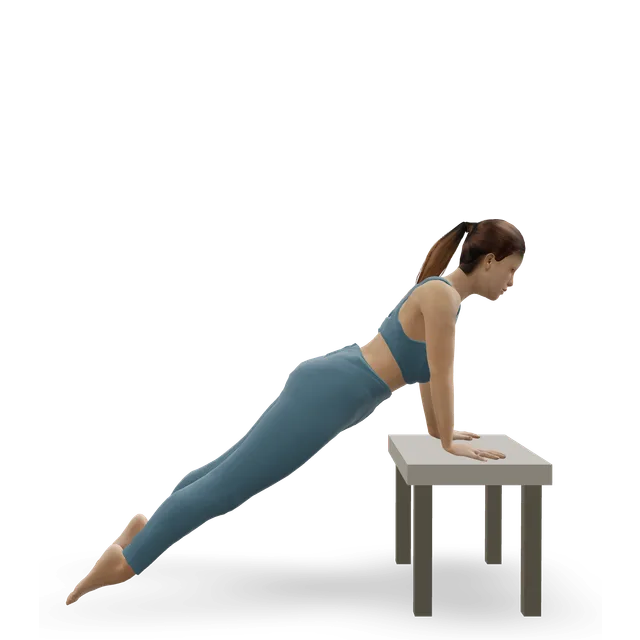
No study has measured shoulder joint load in a Pilates move. In gym push-ups, the hands took about 64% of body weight, 49% from the knees and 41% to 55% with the hands raised. In 21 men, taking weight onto fewer points of support in ten plank variations raised shoulder and shoulder-blade muscle work. People with measuring shoulder implants show how big these loads can be: lifting the body out of a wheelchair with the arms loaded the shoulder to about 1.9 times body weight (measured in one person), walking with crutches up to 1.7 times, and lifting a 1.5 kg weight with a straight arm about body weight. These are daily tasks in a handful of people, and the authors think the number of repetitions matters more than the peak for overuse.
In reformer arm work, shoulder-girdle muscle activity rose with each heavier spring, and in the overhead version the authors warn that too heavy a spring may bring compensation; the arm's angle changed which parts of the trapezius worked. Both studies were in healthy young men, not people with shoulder pain.
Sources 10, 11, 12, 13, 14, 15, 16, 17
Who gets it, and what it usually isEmerging evidence
People who step up planks, push-ups and arm work, move to a faster or stronger class, or go to heavier springs (our reading of the load studies). People from mid-life, when rotator cuff changes become common anyway: from 9.7% at 20 and under to 62% at 80 and over, many without pain. Very flexible people, whose shoulders can slip: hypermobile athletes had about three times the odds of shoulder injury, on low quality evidence, and the NHS lists shoulder instability, sometimes because of hypermobility, among the causes of shoulder pain.
Most shoulder pain in a class is rotator cuff related shoulder pain, an umbrella for impingement, tendon pain and cuff tears.
Sources 18, 19, 20
Rare but serious: dislocations, falls, a clot in the arm and the heart
Two case reports describe both shoulders dislocating forwards on a reformer with the arms out to the side and turned back: a 41-year-old woman during an unsupervised session, and an active 69-year-old woman with fractures during resistance work, who was allowed to return to Pilates after surgery. The authors of the first call such dislocations extremely rare. Australia's Pilates association reports practitioners discussing fractures to both shoulders after a fall in a group reformer class, and a news report describes a woman who slid off the reformer on her first jump board move and injured her shoulder.
One case describes a clot in the arm vein in a 45-year-old woman after repeated shoulder movements during Pilates: the Pilates link rests on that single case report. And shoulder or arm pain with chest pain can be the heart: the NHS says to call 999 for chest pain that is spreading to your arms, neck or jaw. These are rare: they show what the warning signs are for, not a risk.
Sources 21, 22, 1, 23, 24, 25
When a scan mattersStrong evidence
Most shoulder pain is diagnosed from the story and an examination. Rotator cuff changes on scans are common enough with age to count as a normal part of ageing, and about 75% of people with full-thickness tears that came on without an injury did well with a physiotherapy programme over 2 years. A scan or X-ray matters after a fall with a shoulder that looks out of place or an arm you can't lift, for sudden weakness after an injury, and when exercise hasn't helped after about 3 months.
Sources 18, 26
How it usually goesStrong evidence
The NHS says you usually need 2 weeks of looking after it before shoulder pain starts to ease, and it can take 6 months or longer to recover; NHS inform says new pain or a flare-up should begin to settle within 6 weeks. In a review of cohort studies, about half of new shoulder episodes had fully recovered within 6 months, and many more were better; in the GRASP trial both advice and exercise groups improved a lot over a year.
Muscle soreness after a new class peaks at 1 to 3 days and goes within 5 to 7. No one can promise a date.
Sources 20, 27, 28, 29, 30