Pilates is safe for most people, and no study counts wrist injuries in itEmerging evidence
No study gives a Pilates injury rate for the wrist or any other part: an Australian Pilates body says reliable national safety data specific to Pilates does not yet exist. The only wrist figure comes from instructors' own work aches: 19.3% of 166 Brazilian Pilates instructors reported wrist pain, against 62.0% neck and 63.3% lower back (instructors, not clients). In trials of Pilates for back pain that looked for harms, they were minor; across reviews of exercise for back pain, Pilates among them, fewer than a third reported side effects, and those were mostly soreness and short-lived rises in pain. In 54 women with long-lasting back or neck pain, 6 weeks of reformer classes brought no adverse events.
Flares do happen. In an online Pilates programme for people with hypermobility, 17.1% of 251 people reported more pain or a flare they put down to the Pilates, with wrist discomfort in particular moves among the examples; about half said it passed, or settled when they changed or skipped those moves, and none was known to be serious.
Sources 1, 2, 3, 4, 5, 6, 7
What Pilates asks of the wristEmerging evidence
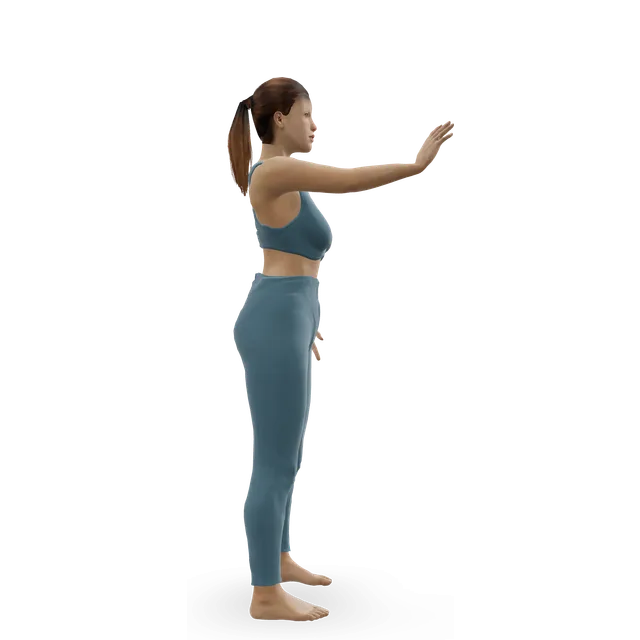
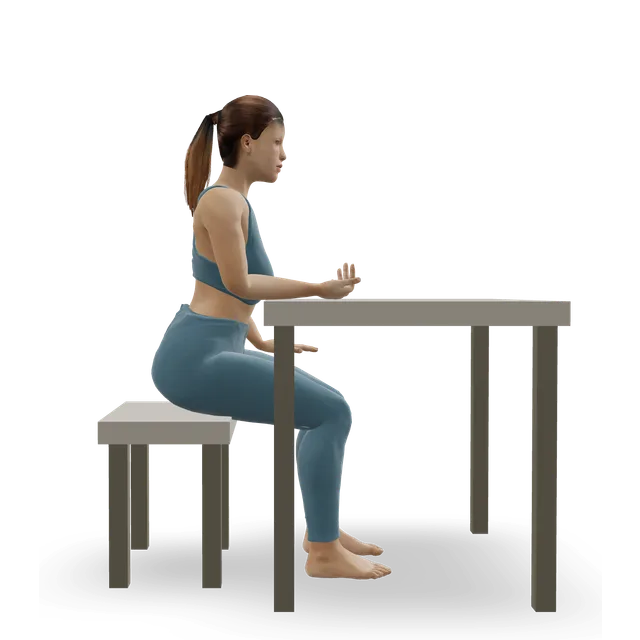
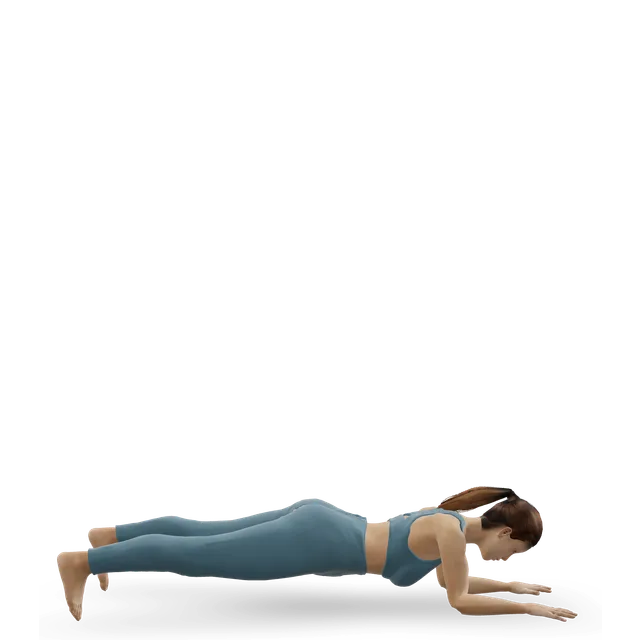
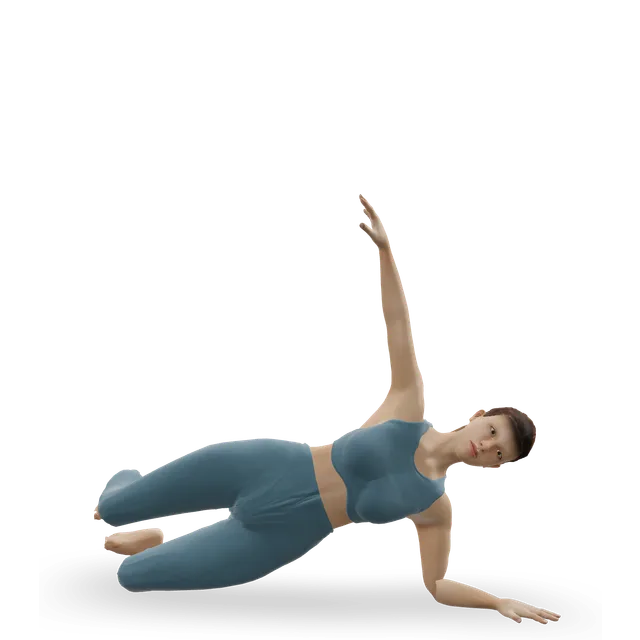
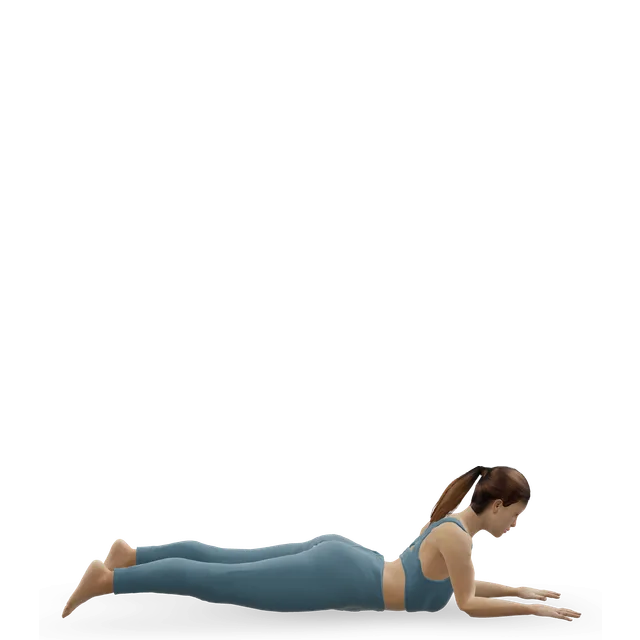
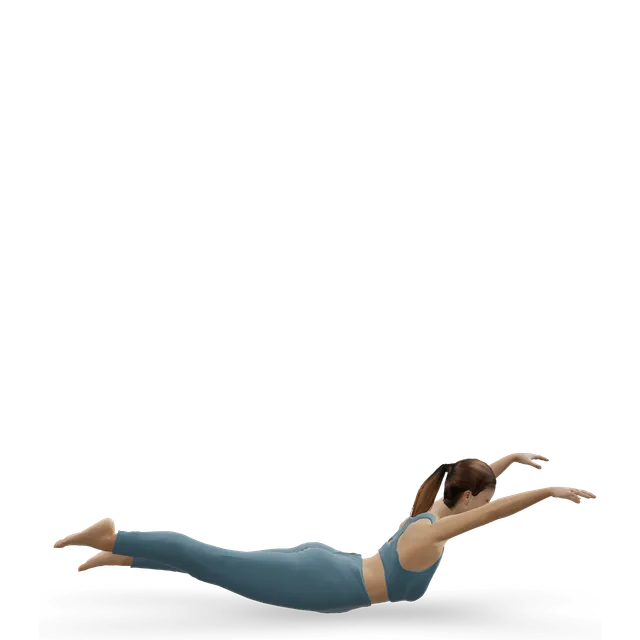
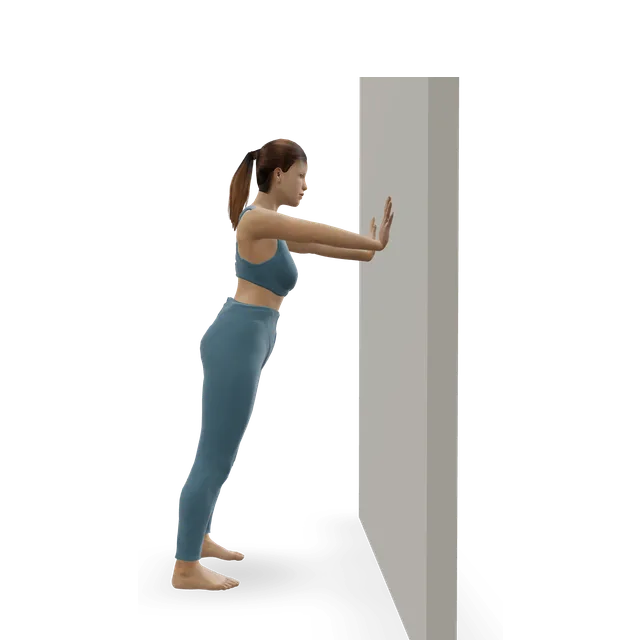
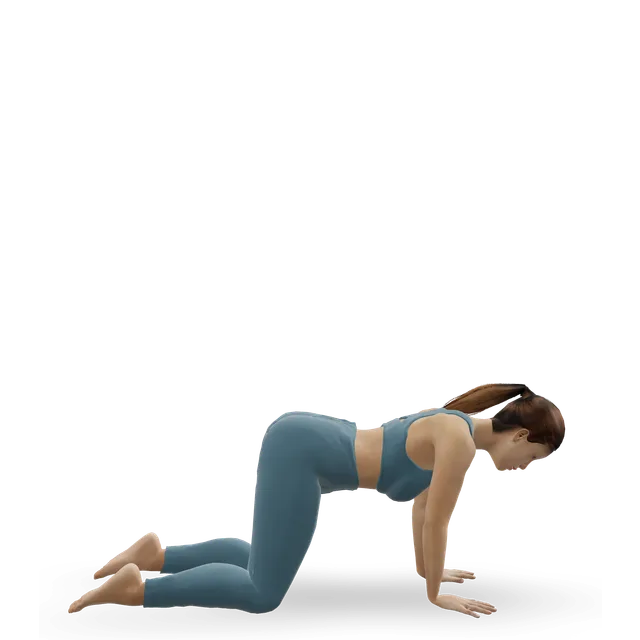
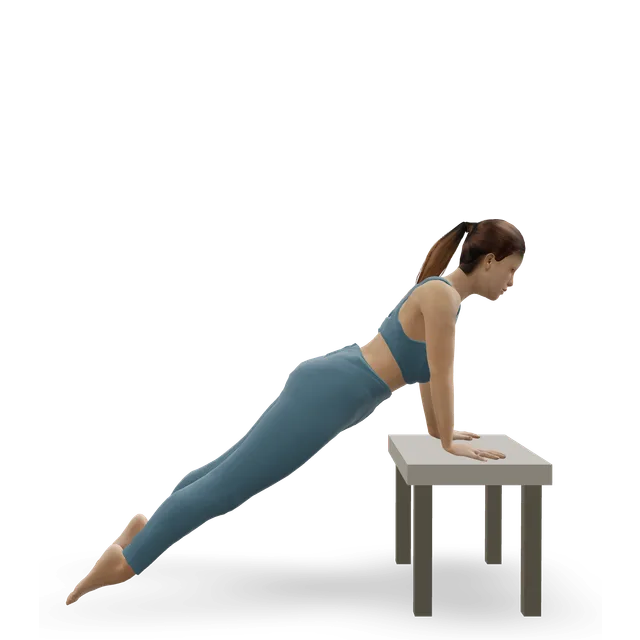
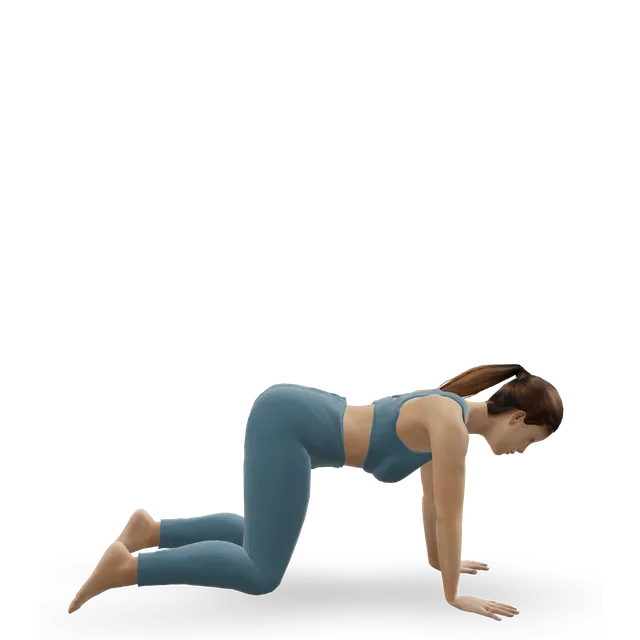
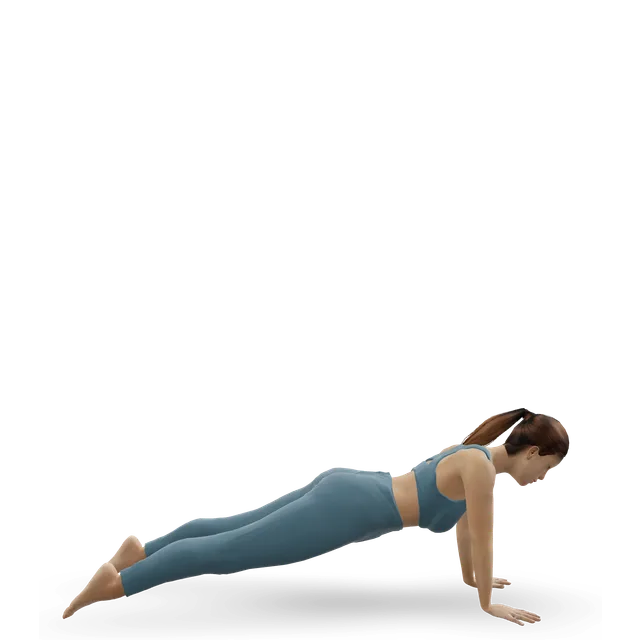
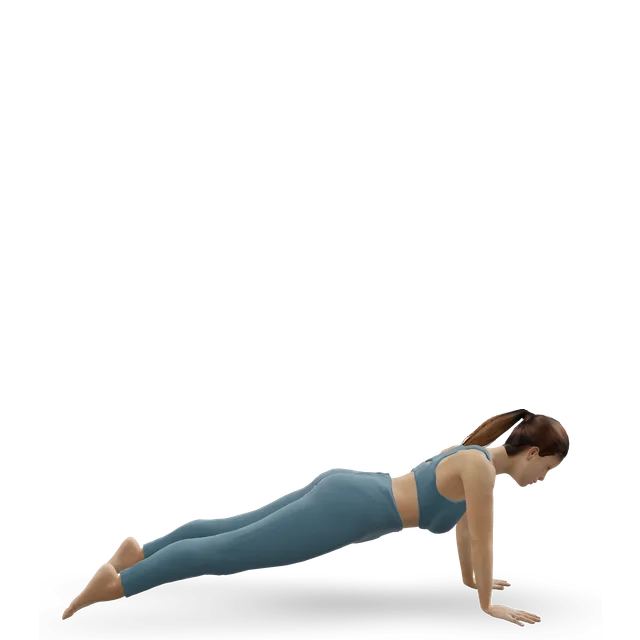
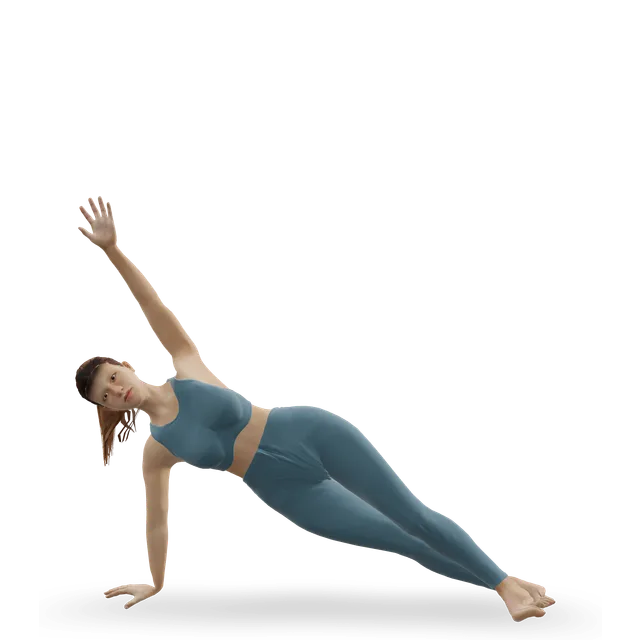
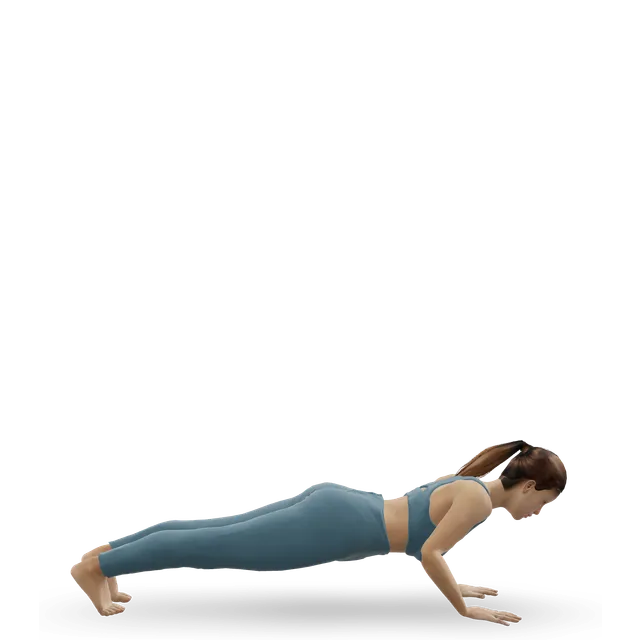
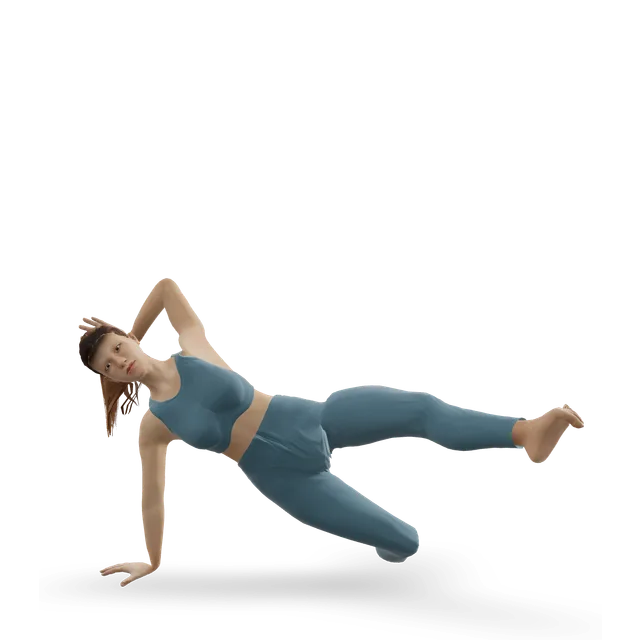
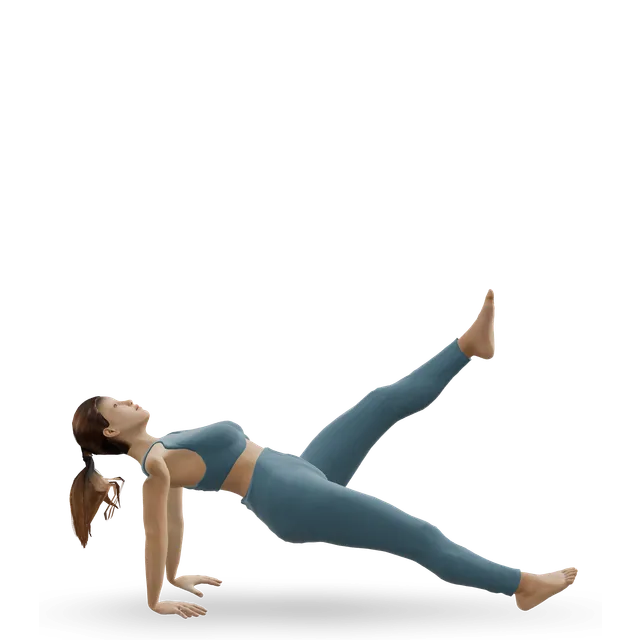
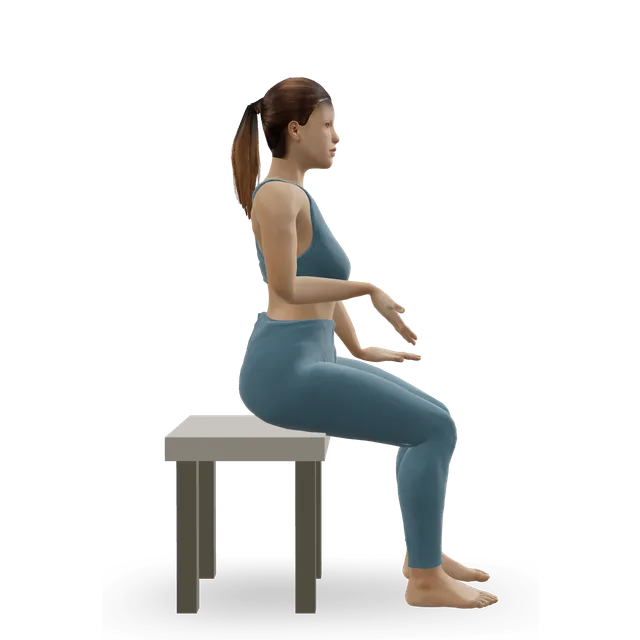
Most mat Pilates is done lying, side-lying, seated or standing with the hands resting. The moves that put weight on the hands with the wrist bent back are the knee hover, the high plank, the leg pull front and back, the push-up, the side bend, the kneeling side kick, the swan pressed up on the hands, the hip twist and all-fours work; the high scissors and high bicycle rest the pelvis on the hands.
On the reformer, the elephant, long stretch, up stretch and knee stretches put the hands on the footbar, and kneeling abdominals put them on the frame. Arm work in the straps and the hundred in the loops ask the hands to grip against a spring. The reformer maker lists wrist, arm or shoulder problems as a precaution for its arm work, and shoulder, elbow and wrist problems for kneeling abdominals. The classical cues for the footbar are to keep the wrists straight in the elephant, and long with the thumb and fingers together in the long stretch.
Sources 8, 9, 10, 11, 12
How much load, and where it goesEmerging evidence
No study has measured the wrist in a Pilates position, so these figures come from other groups. In 23 fit adults on a force plate, the hands took about 64% of body weight in a full push-up, 49% from the knees, and 55% and 41% with the hands raised on a 30 cm and a 61 cm box. Holding the top of a push-up (a plank) puts less weight on the hands than the bottom. Crawling on hands and knees, each hand took about 37% of body weight at its peak, in 6 adults. In a yoga sun salutation, the wrist bent back about 85 degrees in the low push-up position, with wide differences between people.
In 8 donated wrists, a flat-hand push-up raised pressure where the scaphoid (a small bone on the thumb side) meets the forearm bone, compared with a knuckle push-up, and in 14 volunteers the force moved towards the back and little-finger side of the wrist when it was bent back. A straight wrist isn't free: it moved some load up to the shoulder in 14 men, and in donated wrists with a damaged ligament between two wrist bones, a straight-wrist push-up opened the gap between them more.
Sources 13, 14, 15, 16, 17, 18, 19, 20, 21
Telling the causes apartEmerging evidence
A general practitioner (GP) or physiotherapist presses on the exact spot, compares movement and grip with the other side, and asks what brings it on. An ache across the back of both wrists that settles within minutes is usually load the wrist isn't used to yet; that is our reading, as on the site's other wrist pages, since no study has counted the causes of wrist pain in Pilates.
The same pain every time, for weeks, in one spot points to something more specific. In 25 people at a hand surgery centre whose pain on the back of the wrist came with weight on the extended wrist, in push-ups, planks, yoga or Pilates poses, a magnetic resonance imaging (MRI) scan found a cause in 84%, against 12% of comparison wrists, most often a ganglion too small to see or feel, then partial tears of a ligament between two wrist bones. A review of this pain in athletes adds a pinched joint lining, tendon problems and, rarely, Kienböck's disease.
Little-finger-side pain comes from the TFCC, the tendon beside it (the extensor carpi ulnaris), the joints between the forearm bones and the wrist, and the hamate bone, and is common with twisting, side-bending the wrist, loading through the hand and gripping. Thumb-side pain made worse by lifting the thumb or gripping points to de Quervain's. Tingling is a nerve sign: in people with carpal tunnel syndrome, the pressure in the carpal tunnel was 32 mmHg (millimetres of mercury) with the wrist straight and 110 bent back 90 degrees, against 2.5 and 30 in people without it, and holding the wrist and fingers bent back for a minute raised it further.
Sources 22, 23, 24, 25, 26, 27, 28
Rare but serious: a fall onto the hand
A fall from the reformer, the box or a standing exercise can break a wrist or a scaphoid. A broken scaphoid occurs most often after a fall onto an outstretched hand, and the hollow at the base of the thumb on the back of the wrist (the snuffbox) is where it is usually most tender. It can feel like a sprain, and UK hand surgeons say a sprain that doesn't settle may hide a more significant injury. One case report describes stress fractures of hand bones in a soldier doing daily knuckle push-ups, so build fist work up gradually, on a padded mat. These are rare: they show what the warning signs are for, not a risk.
Sources 29, 30, 31
When a scan or test mattersEmerging evidence
For load pain that is settling, no scan is needed (our reading). An X-ray comes first after a fall onto the hand. A hand specialist may ask for an MRI scan for back-of-wrist pain that keeps coming back with loading after weeks of changes.
A scan finding isn't always the cause: changes in the TFCC were found in 38% of 103 wrists without symptoms, and full-thickness TFCC tears in 41% of 154 volunteers, more often with age, and abnormal findings are common in athletes without pain too. Carpal tunnel syndrome is diagnosed from the symptoms and an examination, with a nerve test or a scan if it isn't clear.
Sources 32, 22, 33, 34, 24, 35
How it usually goesEmerging evidence
No study has followed Pilates clients with wrist pain, so this is our reading of the conditions themselves. Load pain usually settles over a few weeks of changing the position and building back up; the NHS says to see a GP if wrist pain hasn't improved after 2 weeks of looking after it at home. Ganglion cysts are common and often get better on their own, carpal tunnel syndrome sometimes gets better by itself in a few months, and back-of-wrist pinching in athletes mostly settles within 2 to 3 months of rest, a splint and anti-inflammatories. No one can promise a date.
Sources 28, 36, 35, 23