Balance board stand
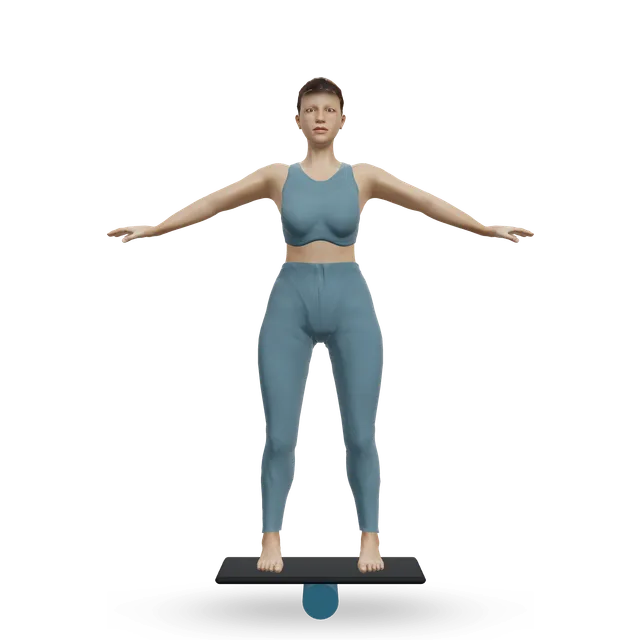
Standing on a balance or wobble board and keeping it level: harder than balancing on the floor, because the board tips with every shift of weight. A wobble board raised calf, hamstring and trunk muscle activity in trained lifters, and in trials board programmes cut ankle sprains in volleyball players with a past sprain and sports injuries in teenagers.
Movement guide
Balance board stand
Loading the 3D figure…
Make it easier or harder
Choose a version that fits your control and comfort.
Easier option
 3D demoSingle-leg standBeginner · A wall
Suggested next step, beginner grade.
Harder option
Keep this variation and develop the control, repetitions or hold described in its guide before changing skills. ACSM 2026 resistance training position stand
Source-researched guide. Clinical review is pending.
How to move
- Put the board on a firm, non-slip floor beside a wall or rail you can hold.
- Step on one foot at a time, the feet hip-width apart either side of the centre and the knees soft.
- Find the point where the board's edges stop touching the floor and hold it there, standing tall with the eyes on a point ahead.
- Hold for the time you've set, then step off one foot at a time.
Form cues
- Make small, early corrections at the ankles rather than big ones at the hips.
- Progress from both hands on the wall to hands hovering, then free.
- Avoid: locking the knees.
Practice and cautions
Several holds of 20 to 30 seconds on most days (our editorial starting point). In one trial a wobble board programme ran daily for 6 weeks, then weekly for 6 months.
Keep a wall or rail within reach and step off rather than fight a fall. In one trial, players with a past knee injury had more knee overuse problems during board training. With vertigo or numb feet, use the board only once one-leg standing on the floor is steady, with a rail or counter in reach. This is movement education, not an assessment or treatment prescription. Stop for sharp or increasing pain, dizziness, numbness or tingling; seek individual guidance for symptoms, injury or restrictions.
Sources and review status
Sources support the educational description; they do not establish that this exercise is suitable for you.
- Verhagen 2004 · A balance board programme cut ankle sprains in volleyball players with a past sprain; knee overuse problems rose in those with a past knee injury (controlled trial, Am J Sports Med) ↗
- Emery 2005 · A home wobble board programme improved balance and cut sports injuries in teenagers (cluster RCT, CMAJ) ↗
- Wahl & Behm 2008 · Instability devices compared: a wobble board raised calf, hamstring and trunk activity, while calf raises on a soft disc did not change it (EMG, trained lifters, JSCR) ↗
- Free Exercise DB · community text ↗
Unlicense · Free Exercise DB contributors; derived from wrkout/exercises.json. Text import; no photographs or media. · Revision f00c92c7dcf1216a928a52c3706c7ce8e2f71ed5
No variation is labeled clinically validated.
What it works
Muscles
Main: Calves. Also: Shins, Hamstrings, Abs.
Anatomy: Gastrocnemius, Soleus, Tibialis posterior, Popliteus, Plantaris, Flexor hallucis longus.
Equipment
Other / check instructions
Level
Beginner. See the easier and harder options above.
Workouts that use it
- Volleyball injury prevention · 30 min
- Table tennis strength and footwork workout · 40 min
- Strength and landing workout for snowboarders: legs, trunk rotation, landings and wrists · 45 min
- Off-ice workout for figure skaters: landings, jumps, legs, hips, ankles and trunk · 45 min
- Balance, agility and speed workout for roller skaters: the 4-week school team programme · 50 min
- Balance training workout: from standing still to moving · 20 min
Pain guides that use it
Part of a staged plan, with when to get help first.
- High arches (pes cavus): foot pain, ankle sprains and when to get them checked
- Sinus tarsi syndrome: pain in the hollow on the outer ankle, the causes to rule out and what helps
- Broken heel (calcaneus fracture): weight limits, surgery or not, and walking again
- Outer ankle pain: a new or old sprain, the peroneal tendons, impingement and how to build back
- Ankle pain in women: sprains, tendons and flat feet, heels, loose joints and swollen ankles
- Ankle pain going down stairs: the front of the ankle, the Achilles, arthritis and old sprains
- Foot pain when hiking: blisters, boots, laces, the heel, the ball of the foot, toes and what helps
- Ankle pain on the elliptical: the Achilles, the front and outer ankle, the ramp and what helps
Show all 12 pain guidesShow fewer pain guides
- Ankle pain after dancing: pointe, plié, landings, sprains and the Achilles, and what helps
- Ankle pain from basketball: rolled ankles, high ankle sprains, the Achilles, braces and what helps
- Ankle pain after football (soccer): sprains, footballer's ankle, the Achilles, Sever's and help
- Ankle pain from netball: sprains, repeat sprains, the Achilles, braces, shoes and courts, and help
Guides that use it
- Pilates for the ankles guide
- Yoga for the ankles guide
- Exercises for vertigo
- Exercises for peripheral neuropathy
- How to improve balance guide
- Strengthen your ankles guide
- Strengthen tendons and ligaments guide
- Coordination guide
Show all 13 guidesShow fewer guides
Similar moves
 3D demoAnkle bounces (mini pogo)Beginner · No equipment
 3D demoBand ankle eversionBeginner · A band + A bench or box
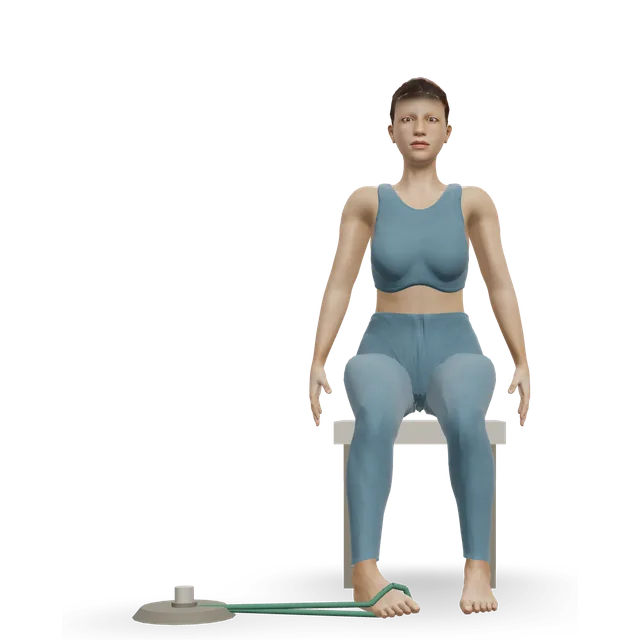 3D demoBand ankle inversionBeginner · A band + A bench or box
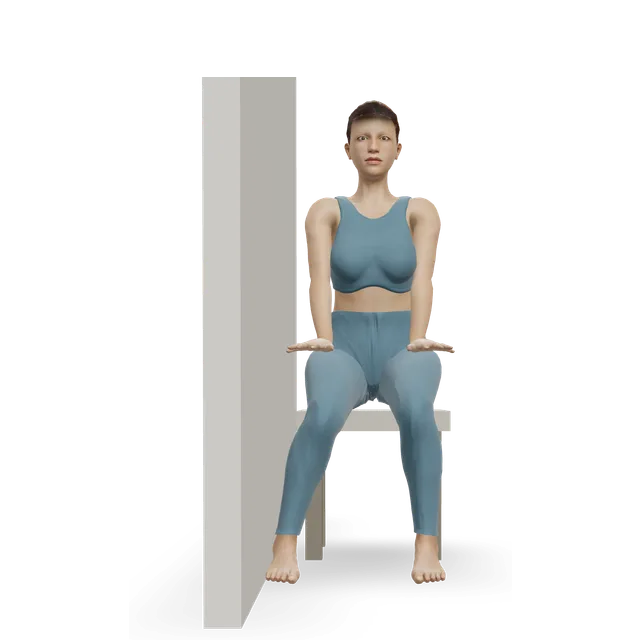 3D demoIsometric ankle eversion against a wallBeginner · A wall + A bench or box
 3D demoPogo hopsIntermediate · No equipment
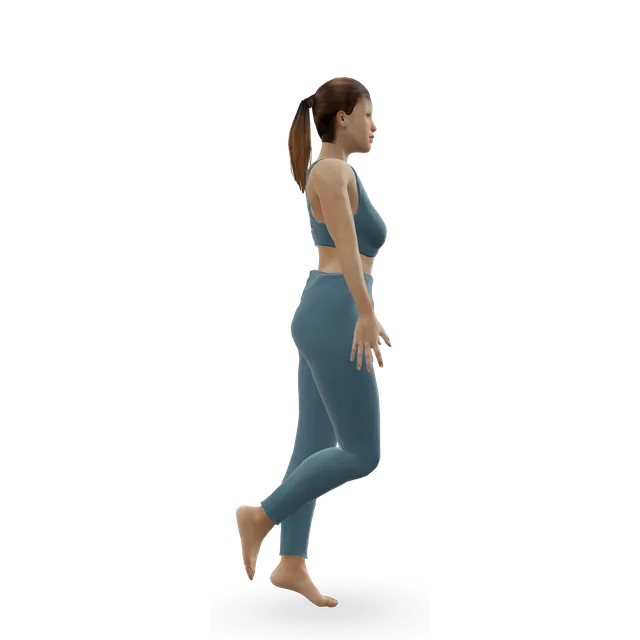 3D demoSingle-leg pogo hopsAdvanced · No equipment
Browse more
Questions people ask
What muscles does the Balance board stand work?
Mainly the calves, with help from the shins, hamstrings and abs.
What equipment do I need for the Balance board stand?
Other / check instructions.
Is the Balance board stand good for beginners?
It is graded beginner, so it suits most people starting out.
What is an easier alternative to the Balance board stand?
Try the Single-leg stand. It is the suggested step down from this move.