Handstand at the wall (Adho Mukha Vrksasana, chest to wall)
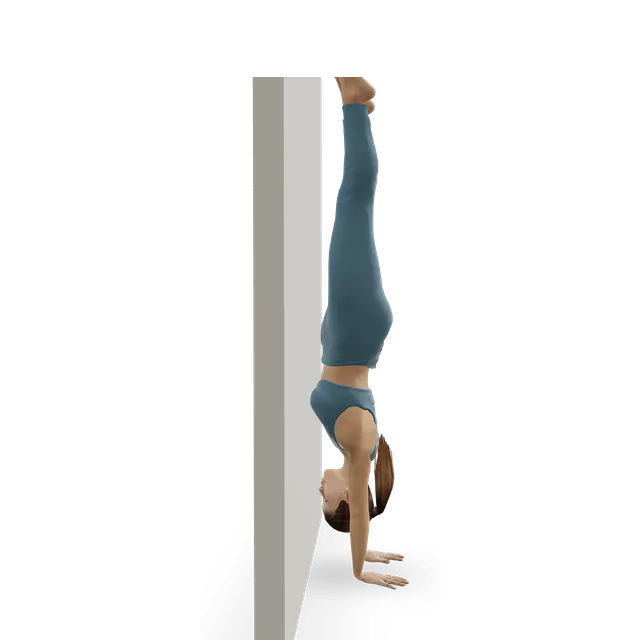
Facing the wall, the feet walk up until chest, hips and toes are close to it: the whole body is upside down in one line, the wall only catching the balance.
Handstand family
Handstand at the wall (Adho Mukha Vrksasana, chest to wall)
Loading the 3D figure…
Source-researched guide.
How to move
- Place the hands on the floor about a hand's width from the wall with your back to it.
- Walk the feet up the wall behind you while walking the hands closer, until the body is one straight line from wrists to heels.
- Push the floor away and hold, then walk the hands out and the feet down to come out.
Form cues
- Tuck the ribs and tailbone into a hollow line rather than arching.
- Plan how you will walk down before you go up.
Practice and cautions
No universal dose is assigned. Choose a manageable amount for your current capacity, leave room for controlled repetitions, and allow recovery. A clinician’s individual plan takes priority.
Skip it with glaucoma unless your eye specialist agrees, and while high blood pressure isn't controlled. Don't start learning it in pregnancy. Build wrist tolerance first, and leave it while a shoulder injury is healing. With proliferative or severe non-proliferative diabetic retinopathy, or after recent eye laser treatment or surgery, leave out head-down positions until your eye team says they are safe. This is movement education, not an assessment or treatment prescription. Stop for sharp or increasing pain, dizziness, numbness or tingling; seek individual guidance for symptoms, injury or restrictions.
Sources and review status
Sources support the educational description; they do not establish that this exercise is suitable for you.
- Yoga International · Moving handstand away from the wall (walking the feet up the wall, the chest toward it) ↗
- Yoga Journal · Handstand building blocks (walk the feet up the wall before kicking up) ↗
No variation is labeled clinically validated.
What it works
Muscles
Main: Shoulders. Also: Triceps, Abs, Back.
Anatomy: Deltoid, Rotator cuff, Supraspinatus, Infraspinatus, Subscapularis, Teres minor.
Equipment
A wall
Level
Advanced. See the easier and harder options above.
Workouts that use it
Pain guides that use it
Part of a staged plan, with when to get help first.
Guides that use it
Similar moves
 3D demoWall angelBeginner · A wall
 3D demoWall climb (finger walk up the wall)Beginner · A wall
 3D demoChair chest and shoulder stretchBeginner · A bench or box
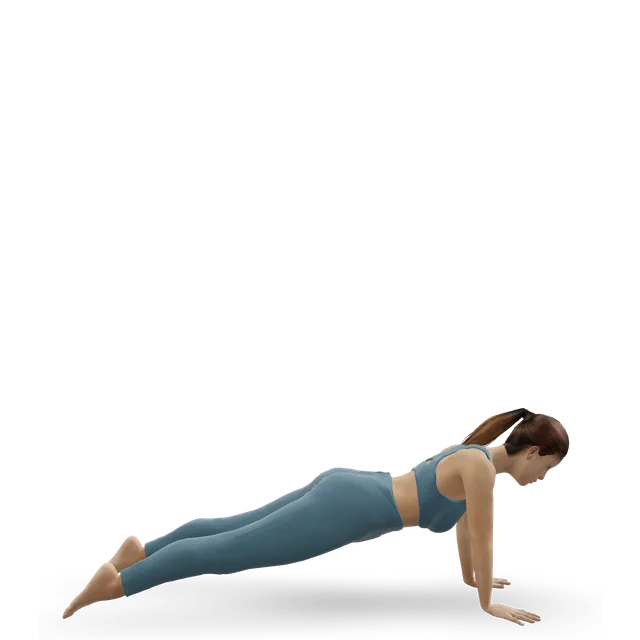 3D demoUpward-facing dog (Urdhva Mukha Svanasana)Intermediate · No equipment
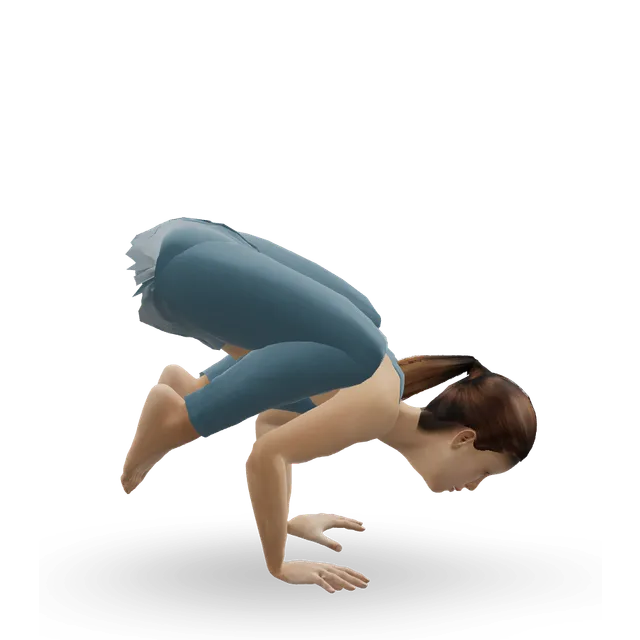 3D demoCrow pose (Bakasana)Intermediate · No equipment
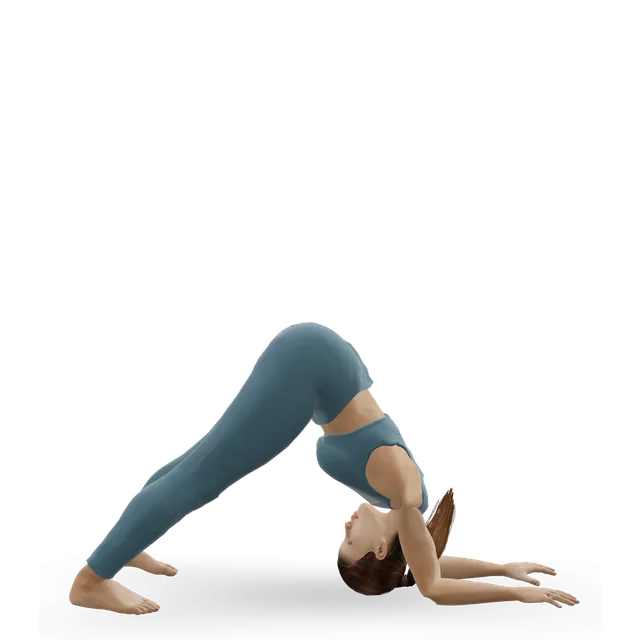 3D demoDolphin pose (Ardha Pincha Mayurasana)Intermediate · No equipment
Browse more
Questions people ask
What muscles does the Handstand at the wall (Adho Mukha Vrksasana, chest to wall) work?
Mainly the shoulders, with help from the triceps, abs and back.
What equipment do I need for the Handstand at the wall (Adho Mukha Vrksasana, chest to wall)?
A wall.
Is the Handstand at the wall (Adho Mukha Vrksasana, chest to wall) good for beginners?
It is an advanced move. Build up to it with the Half handstand at the wall (Ardha Adho Mukha Vrksasana) first.
What is an easier alternative to the Handstand at the wall (Adho Mukha Vrksasana, chest to wall)?
Try the Half handstand at the wall (Ardha Adho Mukha Vrksasana) or the Downward-facing dog (Adho Mukha Svanasana). Both are written steps in the same progression.
How do I make the Handstand at the wall (Adho Mukha Vrksasana, chest to wall) harder?
Progress to the Freestanding handstand or the Supported headstand (Salamba Sirsasana). Follow that guide’s technique and any stated timing.