Bent-over reverse fly
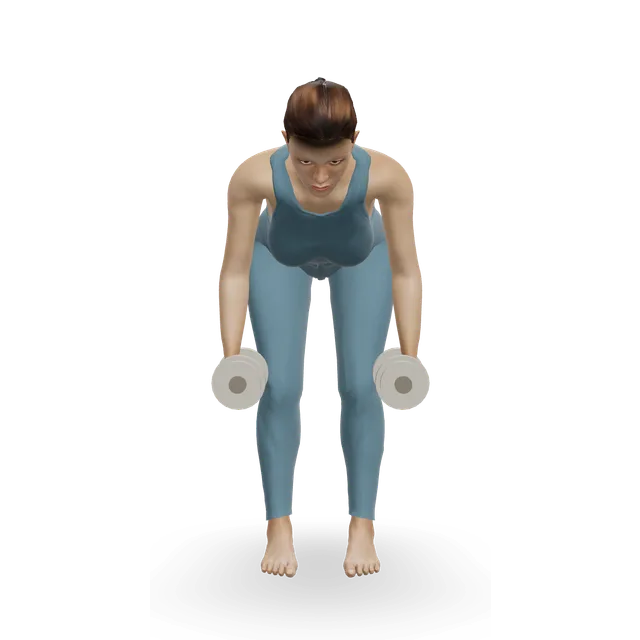
Hinged forward with light dumbbells, the arms open out to the sides until level with the back: the same shoulder-blade work with a load, and the trunk held in the hinge throughout. One of the five exercises in the strength programme that relieved neck muscle pain.
Shoulder blades family
Bent-over reverse fly
Loading the 3D figure…
Source-researched guide. Clinical review is pending.
How to move
- Hinge at the hips until the trunk nears level, knees soft and back flat, light dumbbells hanging below the shoulders.
- Open the arms out to the sides with soft elbows until they are level with the back, drawing the shoulder blades together.
- Lower slowly.
Form cues
- Keep the back flat and still; the arms do the moving.
- Start lighter than you expect: the lever is long.
Practice and cautions
No universal dose is assigned. Choose a manageable amount for your current capacity, leave room for controlled repetitions, and allow recovery. A clinician’s individual plan takes priority.
The give-away cheat is standing up and swinging as the set gets hard; the weight that lets you stay hinged and move only your arms is smaller than pride prefers. When the hinge fails, the set is over, and chest support on a bench removes the problem entirely. This is movement education, not an assessment or treatment prescription. Stop for sharp or increasing pain, dizziness, numbness or tingling; seek individual guidance for symptoms, injury or restrictions.
Sources and review status
Sources support the educational description; they do not establish that this exercise is suitable for you.
No variation is labeled clinically validated.
What it works
Muscles
Main: Shoulders, Back. Also: Hamstrings.
Anatomy: Deltoid, Rotator cuff, Supraspinatus, Infraspinatus, Subscapularis, Teres minor.
Equipment
A dumbbell
Level
Intermediate. See the easier and harder options above.
Workouts that use it
- Dumbbell upper body workout · 40 min
- Shoulder workout · 40 min
- Neck and shoulder knots routine: press, stretch, strengthen · 15 min
- Shoulder workout at home: presses, lateral raises and rear-shoulder work · 30 min
- Back workout at home: dumbbells, a band and an optional bar · 40 min
- Traps workout: shrugs, rows, raises and carries · 30 min
Pain guides that use it
Part of a staged plan, with when to get help first.
- Neck pain: exercises that help, and when to get it checked
- Tech neck: what really helps desk and phone neck pain
- Pinched nerve in the neck (cervical radiculopathy): exercises and what to expect
- Whiplash: exercises for recovery, and what the trials found
- Headaches from the neck (cervicogenic headache): exercises, and when to get checked
- Neck arthritis (cervical spondylosis): exercises, scans and warning signs
- Tension headaches: relief, prevention, and how they differ from neck headaches
- Occipital neuralgia: shooting pain at the back of the head, nerve blocks, and what exercise can do
Show all 26 pain guidesShow fewer pain guides
- Neck pain when cycling: position, reach, looking up from a low position, and exercises that help
- Neck pain when swimming (swimmer's neck): breathing, head position and how to build back
- Neck pain from sleeping: waking with a sore neck, pillows, positions and exercises
- Neck pain when turning your head: a stiff neck, a trapped nerve, whiplash, driving and what helps
- Pain on the side of the neck: muscles and joints, a pinched nerve, glands, the throat and thyroid
- Neck and shoulder pain: the neck, a trapped nerve or the shoulder, desk and sleep, and the heart
- Neck pain in women: desk work, stress, migraine, pregnancy, the menopause and heart attack signs
- Neck pain after a workout: soreness or a strain, crunches, shrugs and presses, and training again
- Upper back pain in women: desk work, the neck and ribs, bra fit and breasts, bones, and heart signs
- Neck pain in men: desk and site work, the gym and sport, whiplash, trapped nerves and heart signs
- Neck pain when looking down: phones and screens, the muscles and joints, nerve pain and what helps
- Shoulder pain when doing lateral raises: the rotator cuff, height, angle, thumbs and what helps
- Shoulder pain when doing face pulls: the rotator cuff, pulley height, elbows, neck and what helps
- Neck pain on the treadmill: looking down, the rails, the upper back, headaches and what helps
- Neck pain when driving: the headrest, looking over your shoulder, long journeys and after a crash
- Neck pain after flying: sleeping upright, neck pillows, screens, lifting bags and what helps
- Neck pain after a massage: the face cradle, deep pressure, headaches and the signs to act on
- Neck pain after a chiropractor: soreness after an adjustment, headaches, rare harms and what helps
Guides that use it
Similar moves
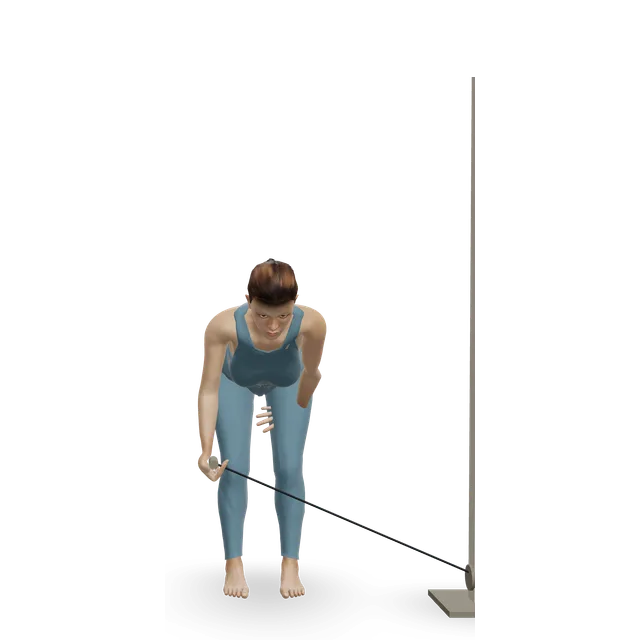 3D demoBent-over cable rear raiseIntermediate · A cable machine
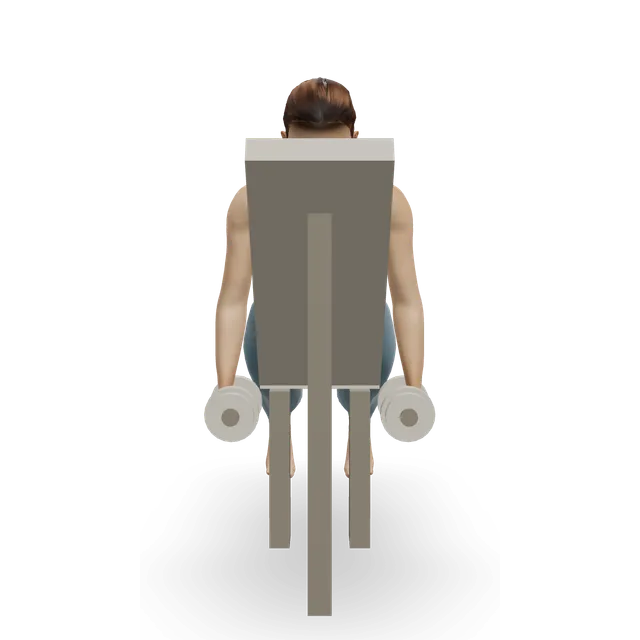 3D demoIncline reverse flyBeginner · A dumbbell + A bench or box
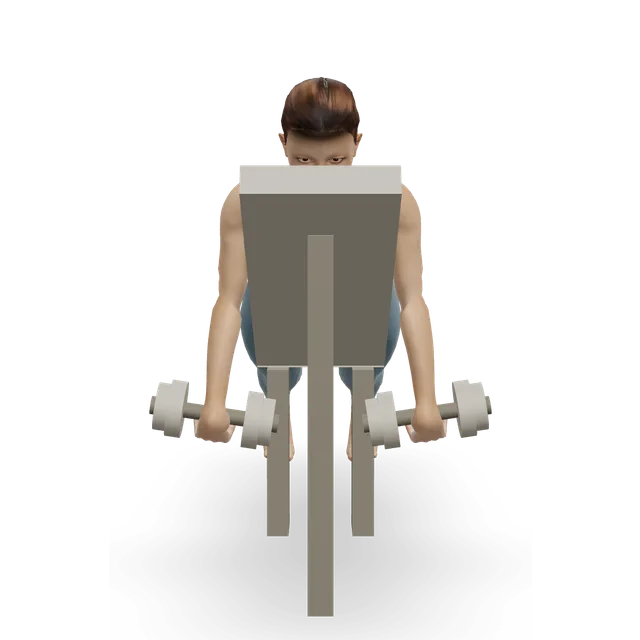 3D demoIncline reverse fly with external rotationIntermediate · A dumbbell + A bench or box
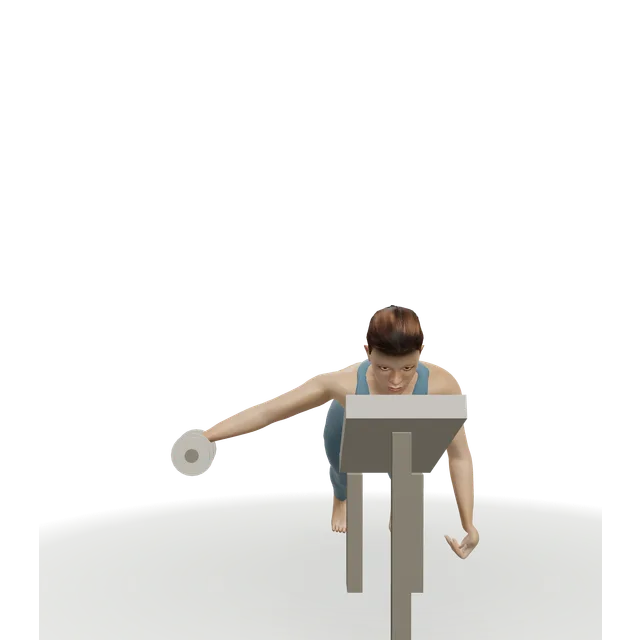 3D demoOne-arm incline reverse flyBeginner · A dumbbell + A bench or box
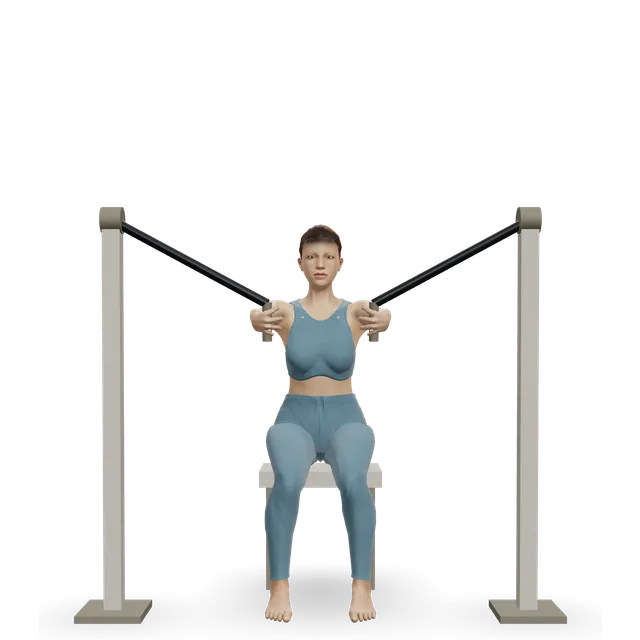 3D demoReverse fly machineBeginner · Strength machine
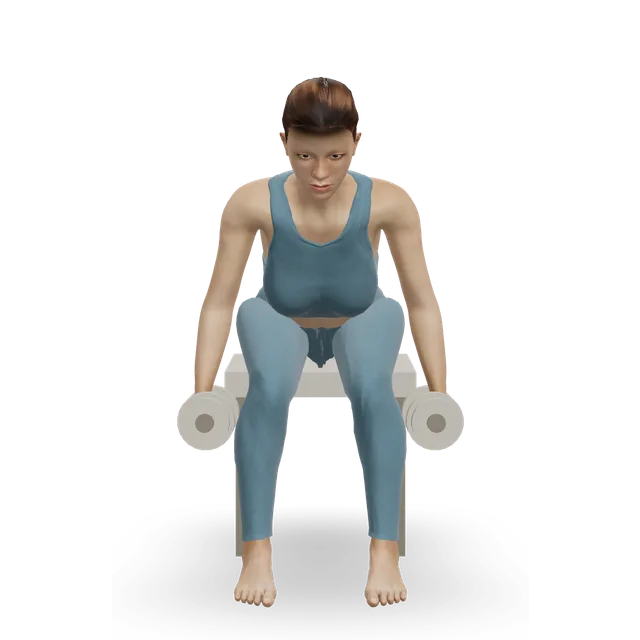 3D demoSeated bent-over rear delt raiseIntermediate · A dumbbell + A bench or box
Browse more
Questions people ask
What muscles does the Bent-over reverse fly work?
Mainly the shoulders and back, with help from the hamstrings.
What equipment do I need for the Bent-over reverse fly?
A dumbbell.
Is the Bent-over reverse fly good for beginners?
It is graded intermediate. If it is too hard right now, start with the Prone Y-T-W raises.
What is an easier alternative to the Bent-over reverse fly?
Try the Prone Y-T-W raises or the Wall angel. Both are written steps in the same progression.
How do I make the Bent-over reverse fly harder?
Progress to the Barbell rear-delt row or the Bent-over barbell row. Follow that guide’s technique and any stated timing.