Triangle pose (Utthita Trikonasana)
Both feet down in a wide stance, the trunk tipped long over the front leg, the chest turned open.
Triangle to half moon family
Triangle pose (Utthita Trikonasana)
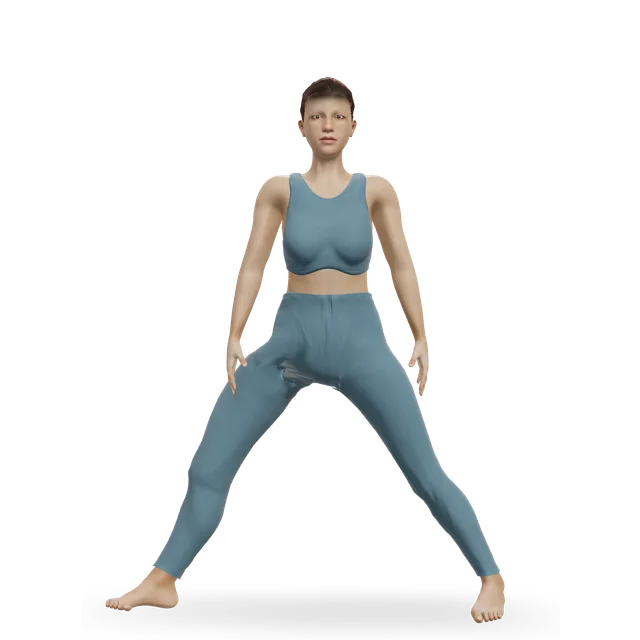
Loading the 3D figure…
Source-researched guide.
How to move
- Stand with the feet wide, the front foot turned out and the legs straight.
- Reach the trunk long over the front leg, then tip sideways to rest the lower hand on the shin, a block or the floor.
- Point the top arm up and turn the chest open; hold, then change sides.
Form cues
- Keep both sides of the waist long.
- Use a block rather than collapsing to the floor.
Practice and cautions
No universal dose is assigned. Choose a manageable amount for your current capacity, leave room for controlled repetitions, and allow recovery. A clinician’s individual plan takes priority.
Back off with a recent hamstring strain, which this pose easily aggravates. Look down rather than up if turning the neck makes you unsteady. If osteoporosis gives you a high risk of fracture, keep the side bend small or leave it out, as Osteoporosis Canada advises for side bending in Pilates. With pelvic girdle pain in pregnancy, skip it or keep the stance narrow. This is movement education, not an assessment or treatment prescription. Stop for sharp or increasing pain, dizziness, numbness or tingling; seek individual guidance for symptoms, injury or restrictions.
Sources and review status
Sources support the educational description; they do not establish that this exercise is suitable for you.
- Yoga Journal · Ways to sequence half moon pose (usually cued from triangle or warrior 2) ↗
- Brooke-Wavell 2022 · Strong, steady and straight: UK consensus statement on physical activity and exercise for osteoporosis (bend from the hips; twisting should be safe if smooth and comfortable; BJSM) ↗
- Osteoporosis Canada 2016 · Too Fit to Fracture booklet: at high risk of a spine fracture, change twisting and bending poses, try a gentle twist on your back, and avoid or change side bending in Pilates ↗
No variation is labeled clinically validated.
What it works
Muscles
Main: Hamstrings, Adductors. Also: Abs, Glutes.
Anatomy: Hamstrings, Biceps femoris, Adductors, Gracilis, Pectineus.
Equipment
A step
Level
Intermediate. See the easier and harder options above.
Workouts that use it
- Beginner yoga flow · 20 min
- Prenatal yoga workout (no lying on your back) · 20 min
- Hatha yoga class: a 45-minute beginner session · 45 min
- Ashtanga yoga for beginners: a 40-minute short form · 40 min
- Yoga with props for beginners: a 40-minute standing-poses-first sequence · 40 min
- Yoga for neck pain: a 20-minute gentle sequence · 20 min
- Yoga for high blood pressure: a 40-minute balanced practice · 40 min
- Yoga for digestion: a 25-minute routine for bloating and IBS · 25 min
Show all 14 workoutsShow fewer workouts
- Yoga for mobility: a 20-minute flow for range you can control · 20 min
- Wall yoga for beginners: a 20-minute routine at the wall · 20 min
- Yoga for the pelvic floor: a 30-minute class with the squeeze built in · 30 min
- Yoga for heart health: a 35-minute gentle class with no breath holds · 35 min
- Yoga for golfers: a 25-minute rotation, hip and balance class for non-golf days · 25 min
- Chair-to-mat yoga for bigger bodies: a 30-minute class seated, standing at a chair and wall, and on the mat, with a chair-only option · 30 min
Pain guides that use it
Part of a staged plan, with when to get help first.
Guides that use it
- Yoga guide
- Yoga for beginners guide
- Types of yoga guide
- Yoga for back pain guide
- Yoga in pregnancy guide
- Yoga for flexibility guide
- Vinyasa yoga guide
- Hatha yoga guide
Show all 37 guidesShow fewer guides
- Ashtanga yoga guide
- Iyengar yoga guide
- Yoga for neck pain guide
- Yoga for high blood pressure guide
- Yoga for digestion guide
- Yoga for mobility guide
- Yoga for tight hamstrings guide
- Wall yoga guide
- Yoga for the pelvic floor guide
- Yoga for IBS guide
- Yoga for heart health guide
- Yoga for ADHD guide
- Yoga for golfers guide
- Yoga for memory and concentration guide
- Yoga for plus-size bodies guide
- Yoga after a knee replacement guide
- Yoga for a hamstring injury guide
- Yoga for cervical spondylosis guide
- Yoga for rowers guide
- Yoga for cricketers guide
- Yoga for sprinters guide
- Yoga after spinal fusion guide
- Yoga for hip arthritis guide
- Yoga for prolapse guide
- Yoga after a hysterectomy guide
- Yoga for love handles guide
- Yoga for the neck and shoulders guide
- Fascia exercises guide
- Fascia stretching guide
Similar moves
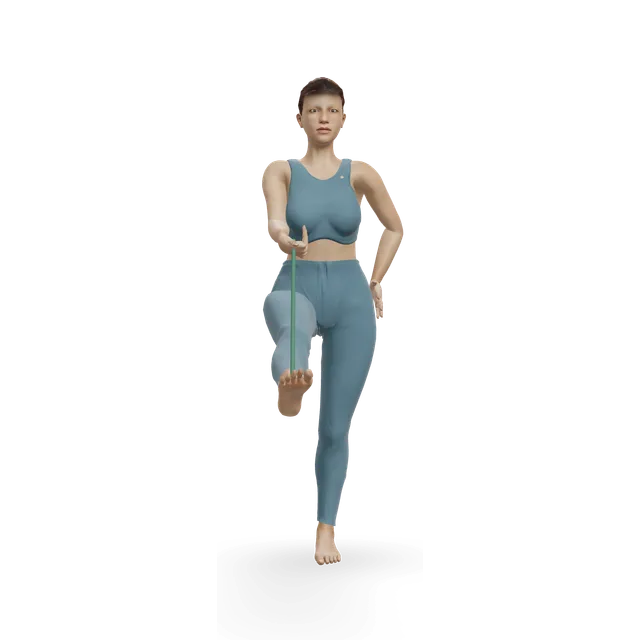 3D demoStanding hand-to-big-toe pose (Utthita Hasta Padangusthasana)Advanced · No equipment
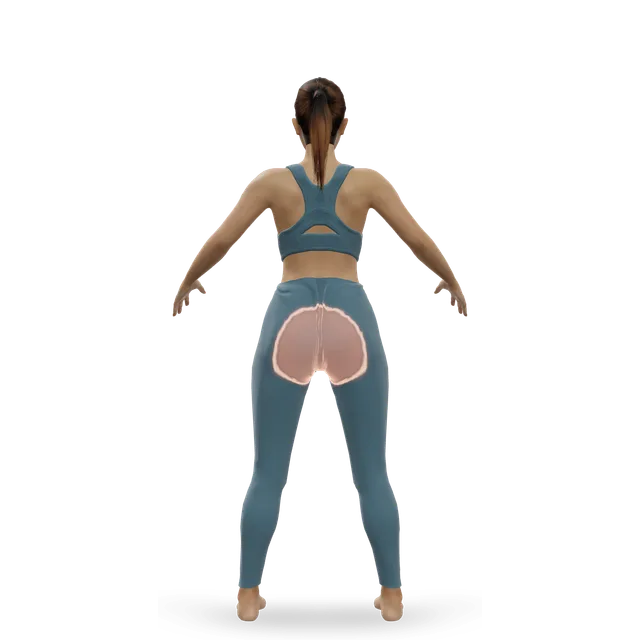 Bird of paradise (Svarga Dvijasana)Expert · No equipmentCompass pose (Parivrtta Surya Yantrasana)Advanced · No equipment
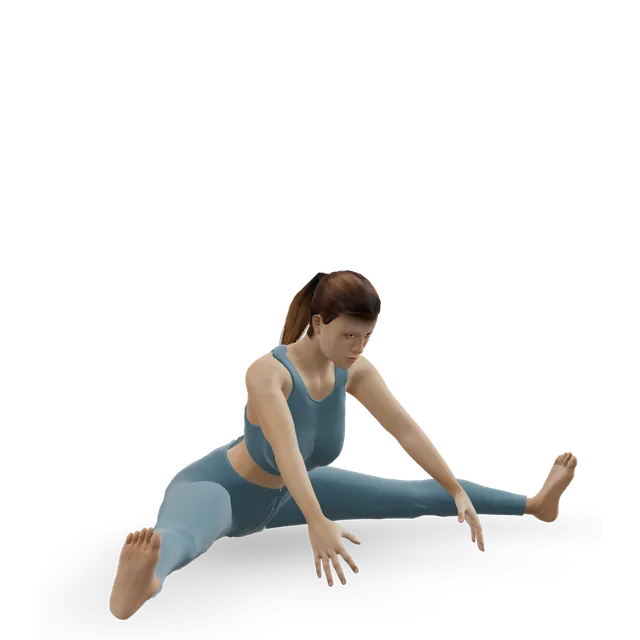 3D demoWide-angle seated forward fold (Upavistha Konasana)Intermediate · No equipment
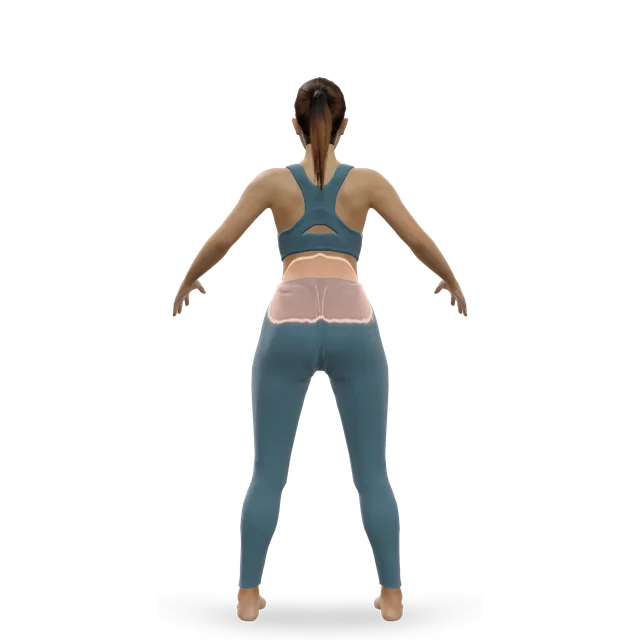 Tortoise pose (Kurmasana)Advanced · No equipment
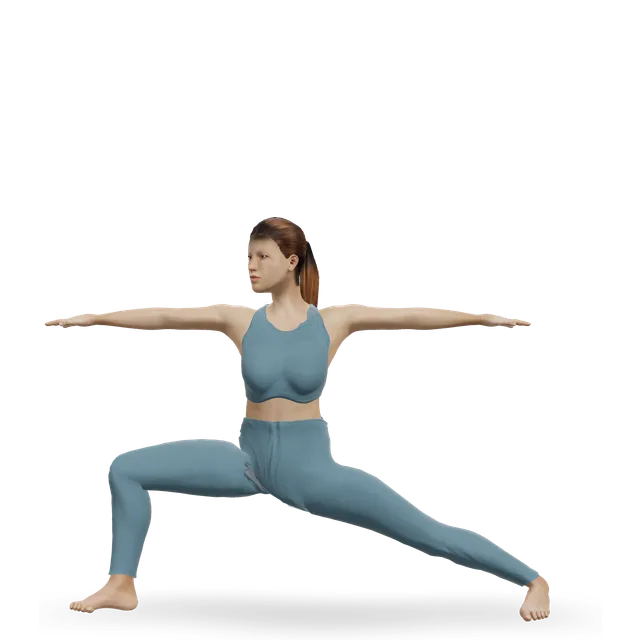 3D demoExtended side angle (Utthita Parsvakonasana)Intermediate · No equipment
Browse more
Questions people ask
What muscles does the Triangle pose (Utthita Trikonasana) work?
Mainly the hamstrings and adductors, with help from the abs and glutes.
What equipment do I need for the Triangle pose (Utthita Trikonasana)?
A step.
Is the Triangle pose (Utthita Trikonasana) good for beginners?
It is graded intermediate. If it is too hard right now, start with the Wide-legged standing forward fold (Prasarita Padottanasana).
What is an easier alternative to the Triangle pose (Utthita Trikonasana)?
Try the Wide-legged standing forward fold (Prasarita Padottanasana) or the Seated straddle stretch. It works similar muscles at a lower grade.
How do I make the Triangle pose (Utthita Trikonasana) harder?
Progress to the Half moon pose (Ardha Chandrasana) or the Revolved triangle pose (Parivrtta Trikonasana). Follow that guide’s technique and any stated timing.