Ankle CARs (controlled articular rotations)
Sitting with one foot lifted and the shin held still, you draw the biggest slow circle the ankle can make: pointing, rolling the sole in, pulling up and rolling it out. Unlike relaxed ankle circles, they press into the edge of the range on every side. CARs come from coaching rather than research, and their first trial (2026) tested the hip; after an ankle sprain, stretching with home exercise did most to restore ankle bend in the first weeks.
Movement guide
Ankle CARs (controlled articular rotations)
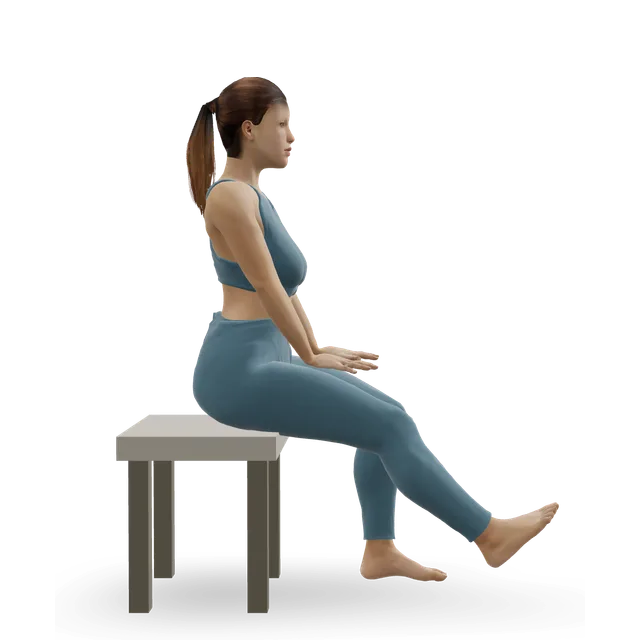
Loading the 3D figure…
Make it easier or harder
Choose a version that fits your control and comfort.
Easier option
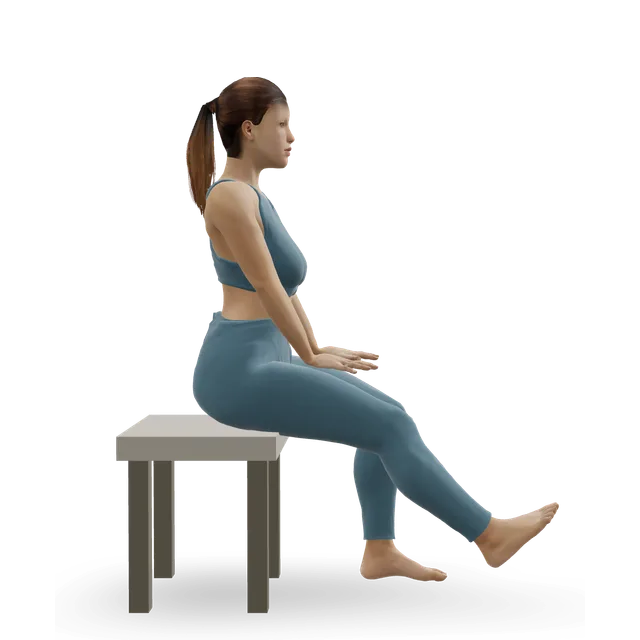 3D demoAnkle circlesBeginner · No equipment
Suggested next step, beginner grade.
Harder option
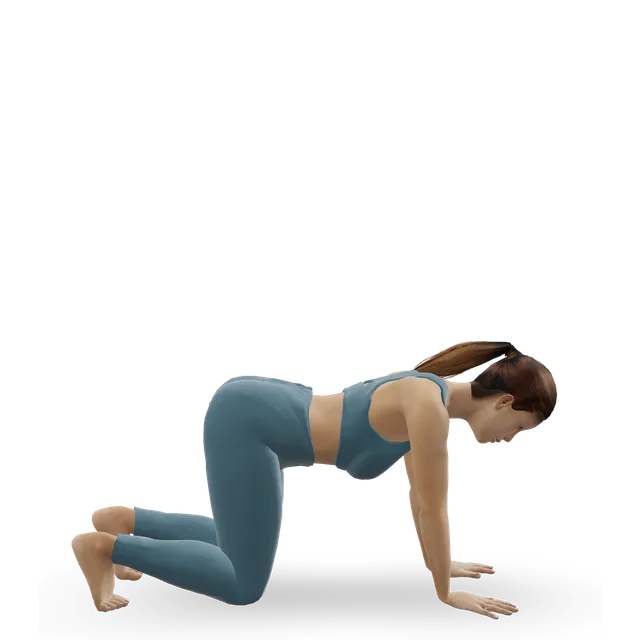 3D demoToes-tucked kneeling (toe squat)Intermediate · No equipment
Similar move, intermediate grade.
Source-researched guide.
How to move
- Sit tall on a chair, or stand holding a support, and lift one foot a little off the floor in front of you. Steady the shin with your hands if it helps.
- Point your foot and toes away from you as far as they go, then roll the sole inwards to face the other foot.
- Keep circling: pull the foot and toes up towards the shin, then roll the sole outwards, pressing into the edge of the range at each point.
- Take about 5 seconds over each circle, then circle the other way and change feet.
Form cues
- Only the ankle moves; the knee and shin stay still.
- Slow and big: aim for the edge of the range on every side.
- Avoid: flicking the foot round quickly.
Practice and cautions
5 slow circles each way with each ankle, morning and evening (our editorial starting point). While an ankle is stiff, an NHS leaflet suggests ankle range exercises regularly through the day.
Stay inside the range you can control instead of forcing the circle. A sharp pinch at the front of the ankle means work the smaller pain free range instead. This is movement education, not an assessment or treatment prescription. Stop for sharp or increasing pain, dizziness, numbness or tingling; seek individual guidance for symptoms, injury or restrictions.
Sources and review status
Sources support the educational description; they do not establish that this exercise is suitable for you.
- Sherwood Forest Hospitals NHS · Ankle range of motion exercises (sitting or lying: point, pull up, turn the sole in and out, then circle each way, regularly through the day, pain as the guide) ↗
- Terada 2013 · Restoring ankle bend after a sprain: stretching with home exercise helped most in the first weeks after an acute sprain (systematic review of 9 studies, J Athl Train) ↗
- Head 2026 · Two 1-minute bouts of slow hip CARs raised inward hip rotation by about 5 degrees, as much as static stretches, still raised 15 minutes later; the first trial of CARs on their own (RCT of 28 young adults with stiff hips, Int J Exerc Sci) ↗
No variation is labeled clinically validated.
What it works
Muscles
Anatomy: Gastrocnemius, Soleus, Tibialis posterior, Popliteus, Plantaris, Flexor hallucis longus.
Equipment
None: body weight and floor space.
Level
Beginner. See the easier and harder options above.
Workouts that use it
- Runner's warm-up · 8 min
- Daily mobility routine · 12 min
- Joint care workout: move and strengthen every joint · 25 min
- Plyometrics for runners · 20 min
- Hiking training workout · 35 min
- Hill repeats for beginners · 35 min
- 5K time trial: warm-up, even pacing and cool-down · 60 min
- Strength workout for dancers: feet, hips, hamstrings, trunk and landings · 55 min
Show all 43 workoutsShow fewer workouts
- Dance warm-up: feet, hips, spine and small jumps · 15 min
- Skateboarding warm-up: ankles, wrists, landings and how to fall · 12 min
- Strength and landing workout for skateboarders: legs, ankles, wrists and core · 45 min
- Sprint speed workout: drills, accelerations and flying sprints · 45 min
- Off-ice workout for figure skaters: landings, jumps, legs, hips, ankles and trunk · 45 min
- Figure skating warm-up: ankles, hips, spine, balance and landings before the ice · 15 min
- Strength workout for trampolinists: isometric squats, calves, jumps, trunk shapes and pelvic floor · 45 min
- Mini-trampoline workout for beginners: bounces, balance and strength on a rebounder · 30 min
- Sprint and hurdles warm-up: drills, hips, build-ups and starts before training or a race · 20 min
- Jumps warm-up: landings, take-offs and run-ups before the long, triple and high jump and pole vault · 20 min
- Parkour strength and landing workout: landings, precision jumps, rolls, climb-up strength, legs and calves · 50 min
- Parkour warm-up: jog, ankles, hips, wrists, crawls, landings and rolls · 15 min
- Dance fitness strength and landing workout: calves, ankles, hips, knees, trunk and quiet landings · 40 min
- Calf workout: straight-knee and bent-knee raises with a step · 25 min
- Yoga for arthritis: a 30-minute joint-friendly class with a chair · 30 min
- Pilates for arthritis: a 25-minute joint-friendly class (no kneeling) · 25 min
- Yoga for mobility: a 20-minute flow for range you can control · 20 min
- Machine calf workout: the standing calf machine, the leg press and the seated calf machine · 20 min
- Trail yoga: a 25-minute class for after a hike or a rest day, with a 10-minute standing version · 25 min
- Breathe, move and rest: a 30-minute gentle yoga class for rheumatoid arthritis, mostly in a chair, with a flare-day version · 30 min
- Yoga for Achilles tendinopathy: a 25-minute class with calf loading built in, heels level and no jumping · 25 min
- Tendon strengthening workout: holds, heavy slow calf and leg work, then springs · 35 min
- Yoga for shin splints: a 25-minute class with calf, shin and hip strength, and no jumping · 25 min
- Ankle mobility routine: the knee-to-wall test, calf stretches and full-range calf raises · 12 min
- Yoga after an ankle sprain: a 25-minute class for ankle range, calf strength and balance, built up step by step · 25 min
- Running form drills: skips, quick feet, arm swing and strides · 25 min
- Calf-loading Pilates for Achilles tendinopathy: a 25-minute class with holds, slow heel raises, heels kept level and no jumping · 25 min
- Downhill running practice: short, easy descents for stronger thighs · 30 min
- Ankle-steadying Pilates after a sprain: a 25-minute class for ankle strength, hips and one-leg balance · 25 min
- Off-ice Pilates for figure skaters: a 25-minute class for both-ways rotation, the trunk, the landing leg, hips and ankles, with back bends kept small · 25 min
- Trail-ready Pilates for hikers: a 25-minute class for ankles, a trunk that carries a pack, hips, the lowering leg and one-leg balance · 25 min
- Yoga for skateboarders: a 25-minute class for ankles and one-leg balance, the riding stance, wrists in stages, hips and the back, after skating or on a rest day · 25 min
- Yoga for badminton players: a 25-minute class for calves and the Achilles, lunges, one-leg balance, the hitting shoulder and the back, after play or on a rest day · 25 min
- Chair yoga for knee arthritis: a 30-minute class sitting, then standing at a chair, with no kneeling and no floor work · 30 min
- Yoga for the calves: a 25-minute class to stretch and strengthen both calf muscles, with one-leg balance · 25 min
Pain guides that use it
Part of a staged plan, with when to get help first.
- Foot pain: where it hurts, what helps, and when to get it checked
- Ankle pain: where it hurts, what helps, and when to get it checked
- Sprained ankle: what to do now, exercises, and stopping the next one
- Ankle arthritis and stiff ankles: what exercise can and cannot do
- Ball of foot pain (metatarsalgia): shoes, pads, insoles and exercises
- Sesamoiditis: pain under the big toe joint, and how to offload it
- Turf toe: a sprained big toe joint, from first aid to return to play
- Hammer, claw and mallet toes: shoes, pads, toe exercises and when surgery helps
Show all 31 pain guidesShow fewer pain guides
- Posterior ankle impingement: pain at the back of the ankle when you point your foot, from rehab to surgery
- Anterior ankle impingement (footballer's ankle): pain at the front of the ankle when you squat, lunge or climb
- Osteochondral lesion of the talus (talar dome lesion, ankle OCD): deep ankle pain after a sprain
- Foot pain when running: heel, arch, top or ball of the foot, stress fractures to rule out, and shoes
- Ankle pain when running: where it hurts, the stress fractures to rule out, and how to build back
- Foot pain when walking: the heel, arch, ball of the foot and toes, shoes, insoles and what helps
- Ankle pain when walking: an old sprain, the tendons, arthritis, shoes, supports and what helps
- Ankle pain at night: arthritis, an old sprain, tendons, gout, cramps and the night pain to check
- Inner ankle pain: the tibialis posterior tendon, a sprain, tarsal tunnel, flat feet and what helps
- Outer ankle pain: a new or old sprain, the peroneal tendons, impingement and how to build back
- Foot pain when standing up: first steps after rest, the heel and arch, stiff joints and what helps
- Ankle pain going down stairs: the front of the ankle, the Achilles, arthritis and old sprains
- Ankle pain when squatting: the front of the ankle, an old sprain, the Achilles and what helps
- Ankle or heel pain when doing calf raises: the Achilles, the step, a pinch at the back and cramp
- Ankle pain when doing lunges: a pinch at the front, the back leg, the outer ankle and your stride
- Foot pain on the treadmill: the heel and arch, the ball of the foot, numb toes, shoes and what helps
- Ankle pain on the treadmill: incline, the Achilles, the front and outer ankle, shoes and what helps
- Ankle pain on the elliptical: the Achilles, the front and outer ankle, the ramp and what helps
- Foot pain after dancing: the ball of the foot, the big toe, heels and pointe, and what helps
- Ankle pain after dancing: pointe, plié, landings, sprains and the Achilles, and what helps
- Ankle pain from basketball: rolled ankles, high ankle sprains, the Achilles, braces and what helps
- Ankle pain after football (soccer): sprains, footballer's ankle, the Achilles, Sever's and help
- Ankle pain from netball: sprains, repeat sprains, the Achilles, braces, shoes and courts, and help
Guides that use it
- Pilates for arthritis guide
- Pilates for lupus guide
- Pilates for rheumatoid arthritis guide
- Pilates for the feet guide
- Pilates for Achilles tendinopathy guide
- Pilates for varicose veins guide
- Pilates after an ankle sprain guide
- Pilates for psoriatic arthritis guide
Show all 57 guidesShow fewer guides
- Pilates for volleyball players guide
- Pilates for figure skaters guide
- Pilates for hikers guide
- Pilates for knee arthritis guide
- Pilates for mobility guide
- Pilates for the calves guide
- Pilates for the ankles guide
- Pilates for your joints guide
- Yoga for arthritis guide
- Yoga for mobility guide
- Yoga for neuropathy guide
- Yoga for weightlifters guide
- Yoga for hikers guide
- Yoga for rheumatoid arthritis guide
- Yoga for lupus guide
- Yoga for basketball players guide
- Yoga for Achilles tendinopathy guide
- Yoga for psoriatic arthritis guide
- Yoga for gout guide
- Yoga for shin splints guide
- Yoga for an ankle sprain guide
- Yoga for skateboarders guide
- Yoga for badminton players guide
- Yoga for the calves guide
- Yoga for the ankles guide
- Yoga for joint pain guide
- Joints guide
- Ankle and foot guide
- Runners guide
- Feet guide
- Exercise for type 2 diabetes
- Exercise for arthritis
- Exercise for rheumatoid arthritis
- Exercises for peripheral neuropathy
- Exercise for lupus
- Exercise for psoriatic arthritis
- Exercises for varicose veins
- Mobility guide
- Calf raises guide
- Cossack squats guide
- Tibialis raises guide
- Seated calf raises guide
- Calf raise machine guide
- Ankle mobility guide
- Squat depth guide
- Running form guide
- Running uphill guide
- Running in the cold guide
- Hiking and hillwalking guide
Similar moves
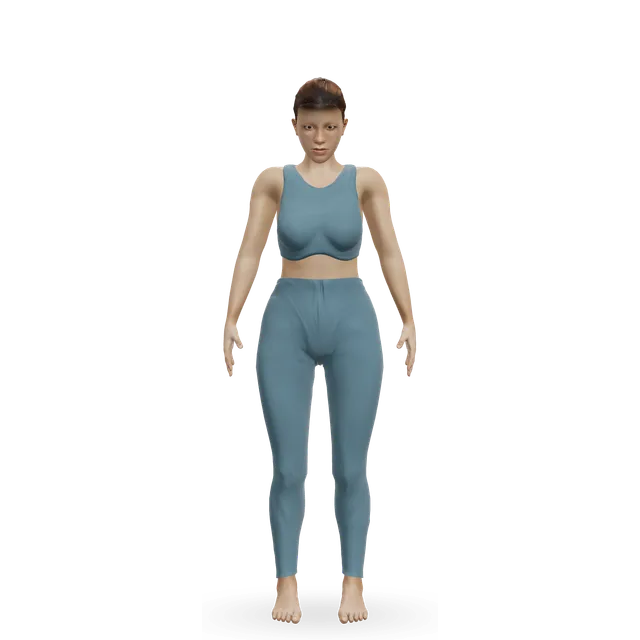 3D demoNeck CARs (controlled articular rotations)Beginner · No equipment
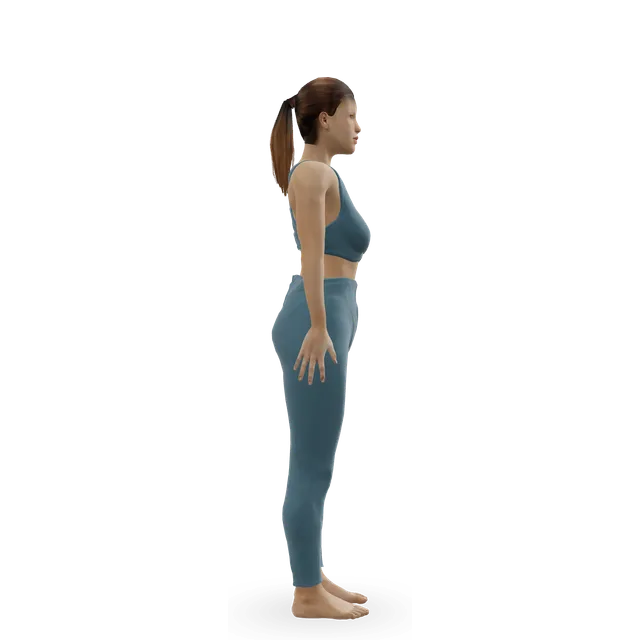 3D demoShoulder CARs (controlled articular rotations)Beginner · No equipment
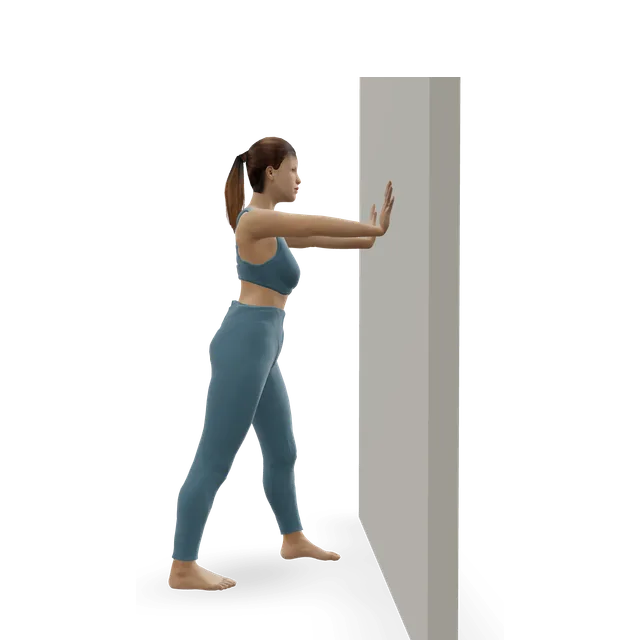 3D demoForearms-on-wall calf stretchBeginner · A wall
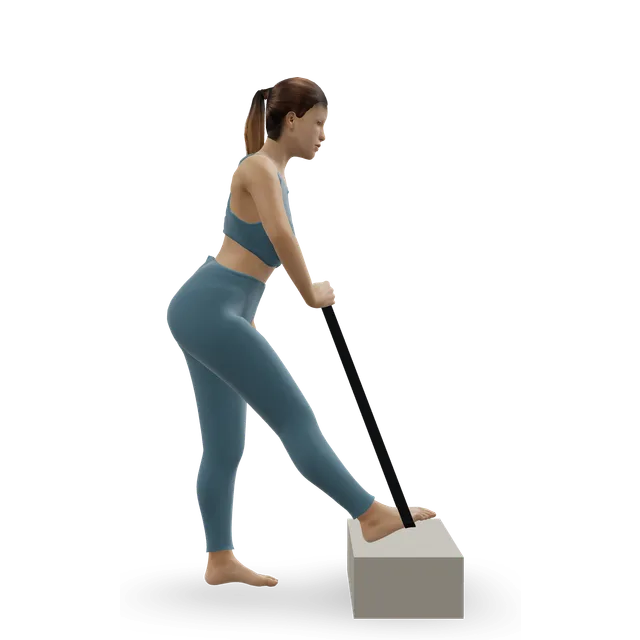 3D demoHeel-on-step calf and hamstring stretchBeginner · A step
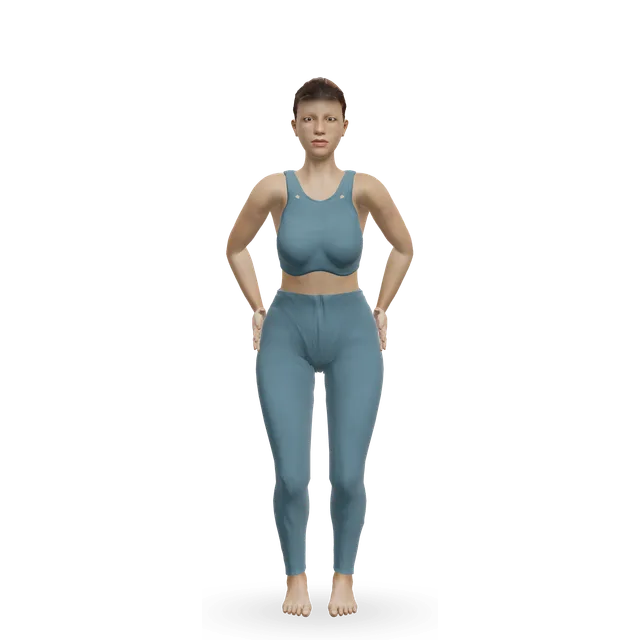 3D demoKnee circlesBeginner · No equipment
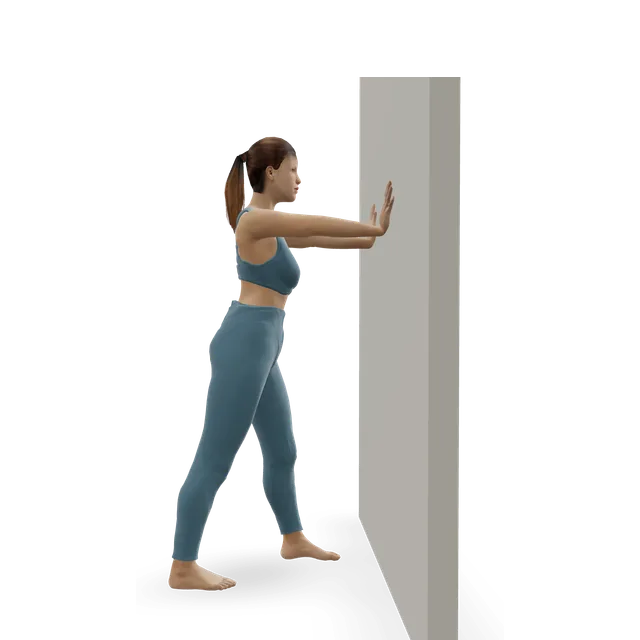 3D demoLeaning wall calf stretchBeginner · A wall
Browse more
Questions people ask
What muscles does the Ankle CARs (controlled articular rotations) work?
Mainly the calves and shins.
What equipment do I need for the Ankle CARs (controlled articular rotations)?
No equipment: your body weight and a little floor space.
Is the Ankle CARs (controlled articular rotations) good for beginners?
It is graded beginner, so it suits most people starting out. When it feels easy, try the Toes-tucked kneeling (toe squat).
What is an easier alternative to the Ankle CARs (controlled articular rotations)?
Try the Ankle circles. It is the suggested step down from this move.
How do I make the Ankle CARs (controlled articular rotations) harder?
Progress to the Toes-tucked kneeling (toe squat). Follow that guide’s technique and any stated timing.