Pogo hops
Higher, springy hops in place off stiff ankles, the knees barely bending.
Pogo hops family
Pogo hops
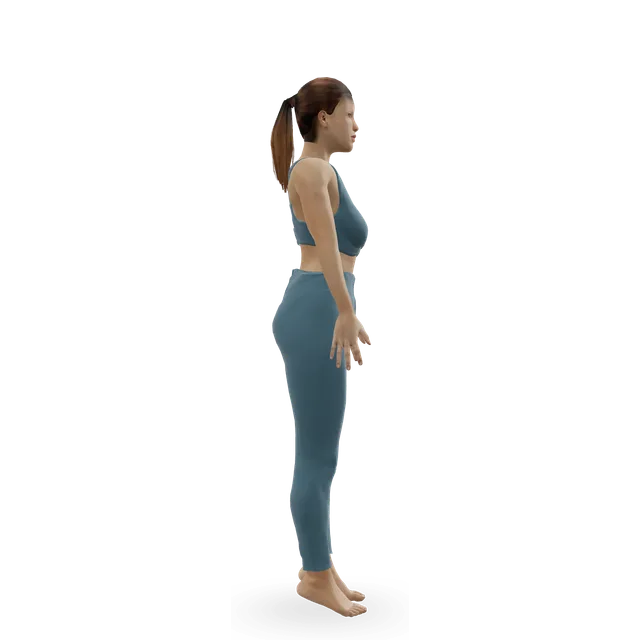
Loading the 3D figure…
Source-researched guide.
How to move
- Stand tall on the balls of the feet with the legs long and stiff.
- Hop in place off the ankles, each contact short and quiet.
- Stop when the contacts start to get longer or louder.
Form cues
- Think of the legs as springs, not shock absorbers.
- Keep the trunk tall and still.
Practice and cautions
No universal dose is assigned. Choose a manageable amount for your current capacity, leave room for controlled repetitions, and allow recovery. A clinician’s individual plan takes priority.
Avoid during acute Achilles or plantar heel pain, and talk to a clinician first if you have osteoporosis or a recent stress fracture. In pregnancy, don't start new jumping or impact work; if you already do it, drop it when it causes leaking, heaviness or pelvic pain. After giving birth, UK guidance suggests waiting until at least 3 months before running and jumping, and only when walking, hopping and jogging on the spot cause no leaking, heaviness or pain. This timing is expert advice. With proliferative or severe non-proliferative diabetic retinopathy, avoid jumping and jarring. With numb feet from diabetes or another cause, choose low-impact options, wear well-fitting shoes, and check your feet for redness or blisters afterwards; with an open sore or ulcer, do no weight-bearing exercise until your foot team says so. With osteonecrosis (avascular necrosis) of the hip or knee, ask your specialist before impact exercise. This is movement education, not an assessment or treatment prescription. Stop for sharp or increasing pain, dizziness, numbness or tingling; seek individual guidance for symptoms, injury or restrictions.
Sources and review status
Sources support the educational description; they do not establish that this exercise is suitable for you.
No variation is labeled clinically validated.
What it works
Muscles
Main: Calves. Also: Quads, Shins.
Anatomy: Gastrocnemius, Soleus, Tibialis posterior, Popliteus, Plantaris, Flexor hallucis longus.
Equipment
None: body weight and floor space.
Level
Intermediate. See the easier and harder options above.
Workouts that use it
- Runner's warm-up · 8 min
- Plyometric workout · 30 min
- Strength workout for runners (gym) · 45 min
- Plyometrics for runners · 20 min
- Strength workout for cyclists (gym) · 50 min
- Springy starter: calf strength and gentle bounces · 20 min
- Basketball strength and jump workout · 45 min
- Return to running after birth: readiness checks and strength · 25 min
Show all 19 workoutsShow fewer workouts
- Surf warm-up: mobility, hops, jumps and pop-ups before you paddle out · 15 min
- Vertical jump workout: landings, jumps and strength · 40 min
- Badminton strength and footwork workout · 45 min
- Table tennis warm-up · 10 min
- Strength workout for trampolinists: isometric squats, calves, jumps, trunk shapes and pelvic floor · 45 min
- Obstacle race conditioning workout: hill repeats, carries, crawls and landings · 50 min
- Windsurfing, kitesurfing and wing foiling warm-up: kit checks, mobility and landings on the beach · 12 min
- Strength workout for spin classes: legs, jumps for bone, back, neck and shoulders · 45 min
- Tendon strengthening workout: holds, heavy slow calf and leg work, then springs · 35 min
- Running form drills: skips, quick feet, arm swing and strides · 25 min
- Double-under progression: bounce, spring and timing · 20 min
Pain guides that use it
Part of a staged plan, with when to get help first.
- Jumper's knee (patellar tendinopathy): a loading plan
- Leg pain: exercises that help, and when to get it checked
- Shin splints exercises: settle, strengthen, return to running
- Achilles tendonitis exercises (Achilles tendinopathy)
- Calf pain: strain, cramp or clot, and the exercises that help
- ACL injury: rehab, surgery or not, and how to prevent it
- Osgood-Schlatter disease: knee pain in active children and teenagers
- Ankle pain: where it hurts, what helps, and when to get it checked
Show all 71 pain guidesShow fewer pain guides
- Sprained ankle: what to do now, exercises, and stopping the next one
- Chronic ankle instability: exercises for an ankle that keeps rolling
- Stress fractures of the foot, shin, thigh and hip: recovery and getting back to running
- Achilles tendon rupture: recovery with or without surgery
- Dislocated kneecap: what to do, exercises, and stopping it happening again
- Exertional compartment syndrome: leg pain that builds every time you run
- Peroneal tendonitis exercises (peroneal tendinopathy): outer ankle tendon pain
- Sever's disease: heel pain in active children, and how to keep them playing
- Exercises after a broken leg (tibia and fibula): the recovery stages and warning signs
- Broken foot (metatarsal fracture): fifth metatarsal and Jones fractures, recovery and exercises
- Lisfranc injury (midfoot sprain or fracture): diagnosis, treatment and recovery
- Torn kneecap tendons: patellar and quadriceps tendon ruptures, surgery and recovery
- Haglund's deformity: a painful bump at the back of the heel, and what helps
- Sesamoiditis: pain under the big toe joint, and how to offload it
- Posterior ankle impingement: pain at the back of the ankle when you point your foot, from rehab to surgery
- Sinding-Larsen-Johansson syndrome: pain at the bottom of the kneecap in active children
- High ankle sprain: how to spot it, why it takes longer, and when it needs a specialist
- Quadriceps tendinopathy (quad tendonitis): pain above the kneecap, and a tendon loading plan
- Knee OCD (osteochondritis dissecans): a damaged patch of bone and cartilage in children, teenagers and young adults
- Anterior ankle impingement (footballer's ankle): pain at the front of the ankle when you squat, lunge or climb
- Cuboid syndrome: outer midfoot pain, what manipulation can and can't do, and how thin the evidence is
- Accessory navicular syndrome: a painful extra bone on the inner side of the foot, in teenagers and adults
- Iselin's disease: pain on the outer edge of the foot in active children, and keeping them playing
- Broken toe: how to tell, strapping and shoes, and when the big toe needs A&E
- Broken kneecap (patella fracture): brace or surgery, and the exercises that follow
- Tibial plateau fracture: weight-bearing limits, rehab and the long-term outlook
- Broken heel (calcaneus fracture): weight limits, surgery or not, and walking again
- Osteochondral lesion of the talus (talar dome lesion, ankle OCD): deep ankle pain after a sprain
- Exercises after ankle ligament surgery: recovery after a Broström repair or reconstruction
- ACL surgery recovery: the stages back to running, jumping and sport, and the return-to-sport tests
- Foot pain when running: heel, arch, top or ball of the foot, stress fractures to rule out, and shoes
- Ankle pain when running: where it hurts, the stress fractures to rule out, and how to build back
- Calf pain when running: a strain, a cramp, the Achilles or a clot, and how to build back
- Pain on the outer side of the foot: the tendons, a fifth metatarsal break, cuboid and old sprains
- Shin pain: shin splints, a stress fracture, compartment syndrome and the muscles at the front
- Lower leg pain: the shin, the calf, the Achilles, nerves, circulation or a clot, and what helps
- Knee pain in children and teens: growing pains, Osgood-Schlatter, the kneecap, injuries and the hip
- Outer ankle pain: a new or old sprain, the peroneal tendons, impingement and how to build back
- Back of heel pain: the Achilles where it meets the bone, a bump, bursitis, Sever's and what helps
- Foot pain in children: heel pain, flat feet, growing feet and shoes, sport and the signs to check
- Foot pain in men: heel pain, gout, the Achilles, stress fractures, work boots and sport
- Knee pain when jumping: the patellar tendon, the kneecap, growing knees, landing and what helps
- Ankle or heel pain when doing calf raises: the Achilles, the step, a pinch at the back and cramp
- Foot pain from jump rope: the ball of the foot, arch and heel, stress fractures, floors and shoes
- Back pain from jump rope: landings, posture and rope length, young athletes and what helps
- Knee pain when doing burpees: the squat, the jump and landing, kneeling and the swaps that help
- Shin pain on the treadmill: shin splints, a stress fracture, incline, stride and what helps
- Foot pain on the treadmill: the heel and arch, the ball of the foot, numb toes, shoes and what helps
- Calf pain on the treadmill: incline, a strain, cramp, the Achilles, poor blood flow and what helps
- Ankle pain on the treadmill: incline, the Achilles, the front and outer ankle, shoes and what helps
- Shin pain from jump rope: shin splints, stress fractures, floors, landings and what helps
- Calf pain from jump rope: soreness, a strain, the Achilles, cramp and how to build back
- Back pain after dancing: arching, lifts and landings, heels and pole, young dancers, what helps
- Knee pain after dancing: jumps and landings, turns, deep pliés and turnout, heels and what helps
- Foot pain after dancing: the ball of the foot, the big toe, heels and pointe, and what helps
- Ankle pain after dancing: pointe, plié, landings, sprains and the Achilles, and what helps
- Knee pain from basketball: jumper's knee, kneecap pain, growing knees, ACL tears and what helps
- Ankle pain from basketball: rolled ankles, high ankle sprains, the Achilles, braces and what helps
- Back pain from basketball: jumping, landing, contact, stress fractures in teens and what helps
- Knee pain from volleyball: jumper's knee, kneecap pain, landings, growing knees and what helps
- Back pain from volleyball: spiking and serving, jumping, stress fractures in teens and what helps
- Ankle pain after football (soccer): sprains, footballer's ankle, the Achilles, Sever's and help
- Ankle pain from netball: sprains, repeat sprains, the Achilles, braces, shoes and courts, and help
Guides that use it
- Yoga for Achilles tendinopathy guide
- Yoga for shin splints guide
- Ankle and foot guide
- Fascia exercises guide
- Fascial fitness guide
- Exercise after giving birth
- Pelvic floor exercises (Kegels) for women and men
- Warming up guide
Show all 34 guidesShow fewer guides
- Jump higher guide
- Run faster guide
- Jump rope guide
- Calf raises guide
- How to get bigger calves guide
- Jump squats guide
- Tuck jumps guide
- Depth jumps guide
- Exercise bike guide
- Strengthen your ankles guide
- Explosive power guide
- Strengthen your calves guide
- Strengthen tendons and ligaments guide
- Running form guide
- Bone density guide
- Agility guide
- Footwork guide
- Running uphill guide
- Double-unders guide
- Vertical jump test guide
- Running guide
- Cycling guide
- Surfing guide
- Trampolining guide
- Obstacle course racing guide
- Spin classes guide
Similar moves
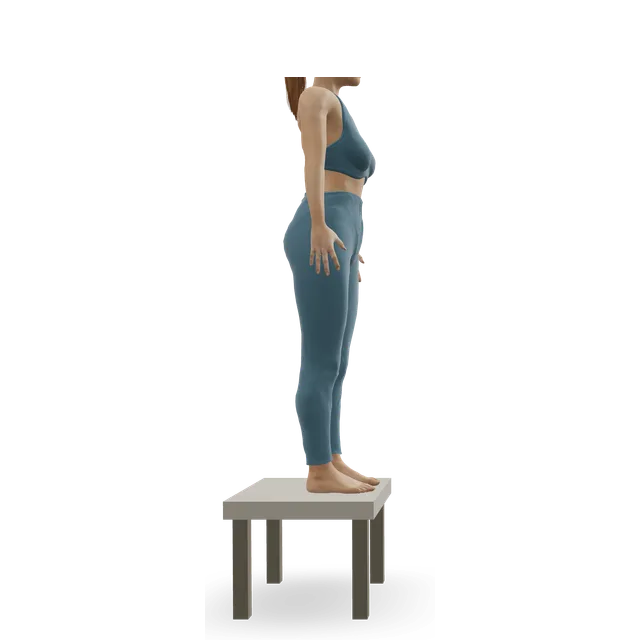 3D demoDepth jumpAdvanced · A step
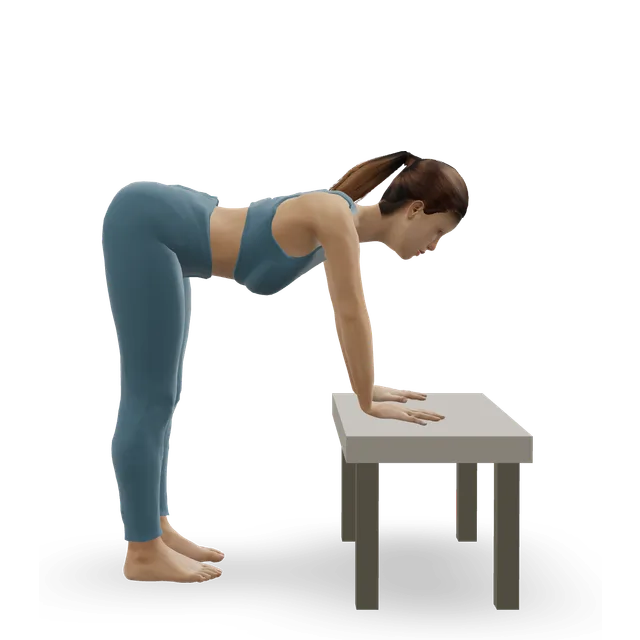 3D demoDonkey calf raiseIntermediate · Other / check instructions
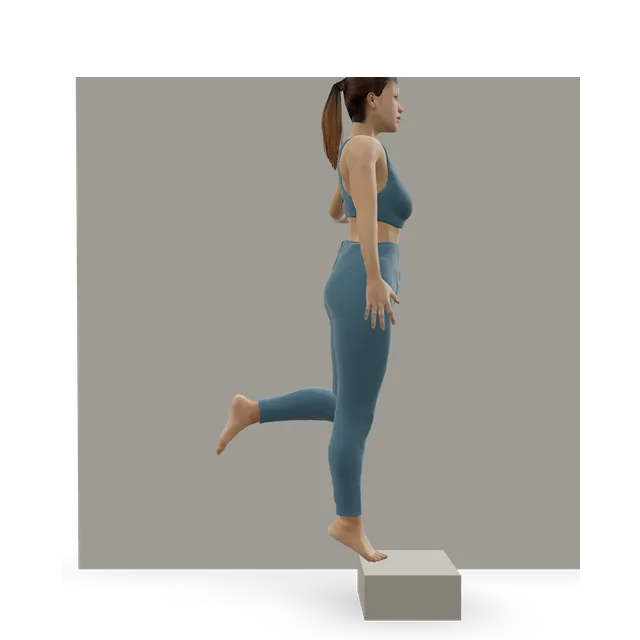 3D demoEccentric heel dropIntermediate · A step
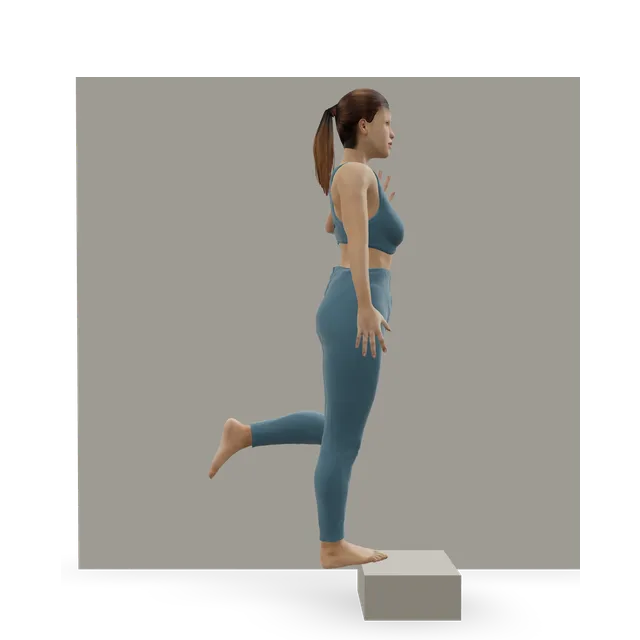 3D demoHeel raise with a towel under the toesIntermediate · A step + Other / check instructions
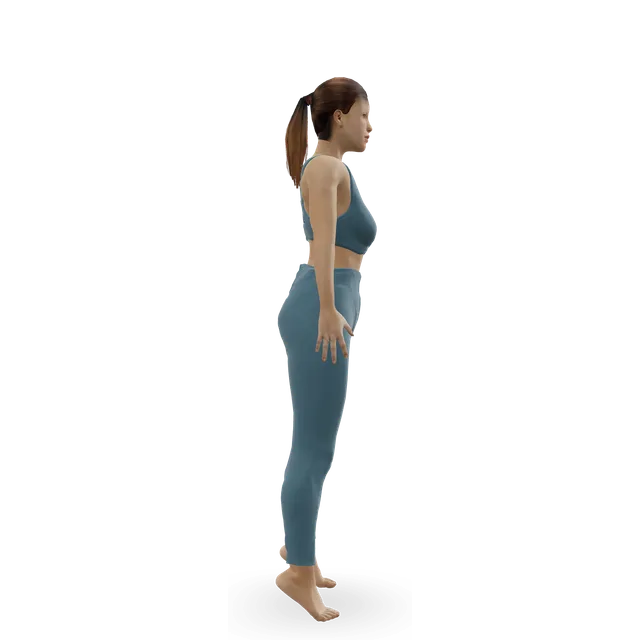 3D demoIsometric calf raise holdBeginner · A wall
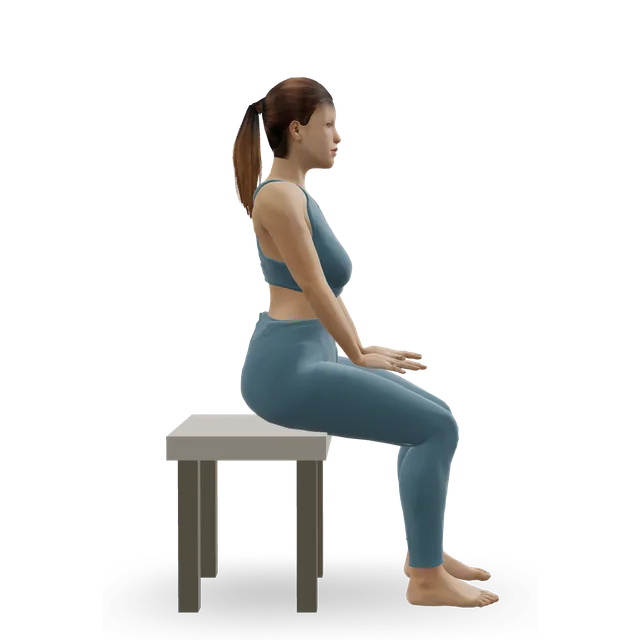 3D demoSeated bent-knee calf raise (soleus raise)Beginner · A bench or box
Browse more
Questions people ask
What muscles does the Pogo hops work?
Mainly the calves, with help from the quads and shins.
What equipment do I need for the Pogo hops?
No equipment: your body weight and a little floor space.
Is the Pogo hops good for beginners?
It is graded intermediate. If it is too hard right now, start with the Ankle bounces (mini pogo).
What is an easier alternative to the Pogo hops?
Try the Ankle bounces (mini pogo) or the Skipping. Both are written steps in the same progression.
How do I make the Pogo hops harder?
Progress to the Single-leg pogo hops or the Alternate-leg bounding. Follow that guide’s technique and any stated timing.