Tibialis raise
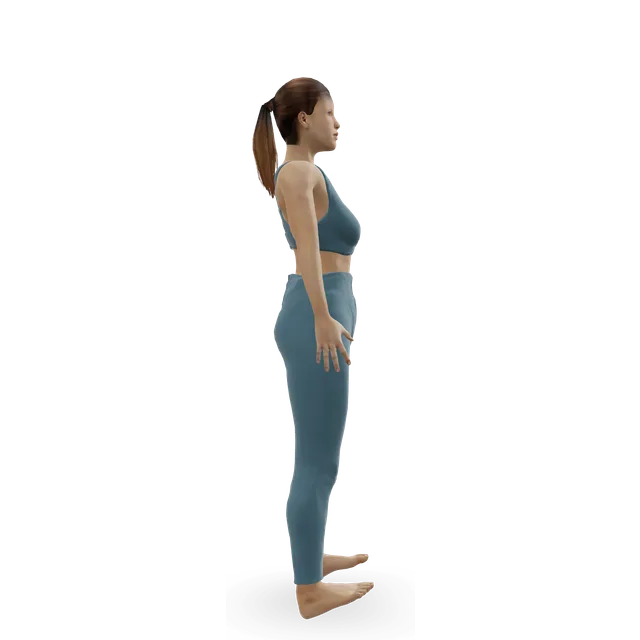
Standing tall, both forefeet lift toward the shins with the heels down and lower slowly: it works the muscle beside the shin bone, which strengthening programmes for shin splints and for balance in later life target.
Shin strength family
Tibialis raise
Loading the 3D figure…
Source-researched guide. Clinical review is pending.
How to move
- Stand tall with the feet hip-width, the back near a wall or a hand on a chair if you like.
- Lift both forefeet toward the shins, the heels staying down, and hold a moment.
- Lower slowly.
Form cues
- Keep the knees straight and the body tall.
- Lower over two or three seconds.
Practice and cautions
No universal dose is assigned. Choose a manageable amount for your current capacity, leave room for controlled repetitions, and allow recovery. A clinician’s individual plan takes priority.
This is movement education, not an assessment or treatment prescription. Stop for sharp or increasing pain, dizziness, numbness or tingling; seek individual guidance for symptoms, injury or restrictions.
Sources and review status
Sources support the educational description; they do not establish that this exercise is suitable for you.
- Galbraith & Lavallee 2009 · Conservative treatment of medial tibial stress syndrome (strengthening the muscles beside the shin) ↗
- Liu 2007 · Dorsiflexor resistance training in older adults (RCT, PEDro) ↗
No variation is labeled clinically validated.
What it works
Equipment
None: body weight and floor space.
Level
Beginner. See the easier and harder options above.
Workouts that use it
- Strength workout for runners at home · 40 min
- Strength and balance exercises for seniors · 40 min
- Knee strengthening workout: from first steps to full range · 25 min
- Foot and ankle strengthening routine: toes, arches, calves and balance · 15 min
- Hiking training workout · 35 min
- Exercises for peripheral neuropathy: balance and leg strength in shoes · 35 min
- Strength workout for dancers: feet, hips, hamstrings, trunk and landings · 55 min
- Off-ice workout for figure skaters: landings, jumps, legs, hips, ankles and trunk · 45 min
Show all 26 workoutsShow fewer workouts
- Balance, agility and speed workout for roller skaters: the 4-week school team programme · 50 min
- Calf pump exercises for varicose veins and heavy legs · 15 min
- Dance fitness strength and landing workout: calves, ankles, hips, knees, trunk and quiet landings · 40 min
- Haemophilia joint exercises: knees, ankles and elbows · 20 min
- Beginner jump rope workout · 20 min
- Calf workout: straight-knee and bent-knee raises with a step · 25 min
- Yoga for legs: a 25-minute strength and stretch routine for thighs, glutes and calves · 25 min
- Yoga for circulation: a 20-minute legs-first class with no head-down poses · 20 min
- Shin release routine: roll, stretch, strengthen · 20 min
- Machine calf workout: the standing calf machine, the leg press and the seated calf machine · 20 min
- Yoga for shin splints: a 25-minute class with calf, shin and hip strength, and no jumping · 25 min
- Ankle mobility routine: the knee-to-wall test, calf stretches and full-range calf raises · 12 min
- Impact-free Pilates for shin splints: a 25-minute class for calf and shin endurance, the hips and one-leg balance · 25 min
- Double-under progression: bounce, spring and timing · 20 min
- Calf-pump Pilates for varicose veins: a 25-minute standing, legs-raised and side-lying class · 25 min
- Ankle-steadying Pilates after a sprain: a 25-minute class for ankle strength, hips and one-leg balance · 25 min
- Trail-ready Pilates for hikers: a 25-minute class for ankles, a trunk that carries a pack, hips, the lowering leg and one-leg balance · 25 min
- Landing-leg Pilates for netball players: a 25-minute class for the ankles, the landing leg for quick stops, trunk control, the hips and shoulders · 25 min
Pain guides that use it
Part of a staged plan, with when to get help first.
- Shin splints exercises: settle, strengthen, return to running
- Foot pain: where it hurts, what helps, and when to get it checked
- Ankle pain: where it hurts, what helps, and when to get it checked
- Sprained ankle: what to do now, exercises, and stopping the next one
- Chronic ankle instability: exercises for an ankle that keeps rolling
- Ankle arthritis and stiff ankles: what exercise can and cannot do
- Ball of foot pain (metatarsalgia): shoes, pads, insoles and exercises
- Bunions (hallux valgus): what exercise can and can't change
Show all 52 pain guidesShow fewer pain guides
- Big toe arthritis (hallux rigidus): exercises, shoes and when surgery helps
- Morton's neuroma: shoes, pads, injections and what exercise can do
- Sever's disease: heel pain in active children, and how to keep them playing
- Recovering from a broken hip (hip fracture): a guide for you and your family
- Sesamoiditis: pain under the big toe joint, and how to offload it
- Hammer, claw and mallet toes: shoes, pads, toe exercises and when surgery helps
- High arches (pes cavus): foot pain, ankle sprains and when to get them checked
- Posterior ankle impingement: pain at the back of the ankle when you point your foot, from rehab to surgery
- Anterior ankle impingement (footballer's ankle): pain at the front of the ankle when you squat, lunge or climb
- Accessory navicular syndrome: a painful extra bone on the inner side of the foot, in teenagers and adults
- Tailor's bunion (bunionette): shoes, padding, what exercise can't change, and when surgery helps
- Plantar fibroma (Ledderhose disease): a lump in the arch, when to get it checked, and what helps
- Freiberg's disease: pain under the second toe joint, offloading, and getting back to sport and dance
- Foot drop: when it's urgent, braces and stimulation, and exercises while the nerve recovers
- Toe walking in children: when it's normal, the signs to get checked, and what helps
- Foot pain when running: heel, arch, top or ball of the foot, stress fractures to rule out, and shoes
- Numb, burning or painful feet when cycling: shoes, cleats, insoles and when to get it checked
- Foot pain when walking: the heel, arch, ball of the foot and toes, shoes, insoles and what helps
- Ankle pain when walking: an old sprain, the tendons, arthritis, shoes, supports and what helps
- Pain on top of the foot: tight laces and tendons, a stress fracture, the midfoot, gout and nerves
- Arch pain: plantar fasciitis, the tibialis posterior tendon, flat feet, nerves, shoes and insoles
- Shin pain: shin splints, a stress fracture, compartment syndrome and the muscles at the front
- Big toe pain: arthritis, a bunion, gout, turf toe, the sesamoids, an ingrown toenail or a break
- Lower leg pain: the shin, the calf, the Achilles, nerves, circulation or a clot, and what helps
- Foot pain in women: bunions and shoes, heel pain, Morton's neuroma, pregnancy and the menopause
- Foot pain in children: heel pain, flat feet, growing feet and shoes, sport and the signs to check
- Foot pain in older adults: arthritis, heel pain, bunions and toes, numb feet, circulation and shoes
- Ankle pain in older adults: arthritis, tendons and flat feet, swelling, falls, gout and circulation
- Foot pain in men: heel pain, gout, the Achilles, stress fractures, work boots and sport
- Ankle pain in women: sprains, tendons and flat feet, heels, loose joints and swollen ankles
- Ankle pain going down stairs: the front of the ankle, the Achilles, arthritis and old sprains
- Ankle pain when squatting: the front of the ankle, an old sprain, the Achilles and what helps
- Foot pain from jump rope: the ball of the foot, arch and heel, stress fractures, floors and shoes
- Ankle pain when doing lunges: a pinch at the front, the back leg, the outer ankle and your stride
- Shin pain on the treadmill: shin splints, a stress fracture, incline, stride and what helps
- Foot pain on the treadmill: the heel and arch, the ball of the foot, numb toes, shoes and what helps
- Foot pain on the elliptical: numb toes, the ball of the foot, the heel, laces, shoes and what helps
- Shin pain when hiking: shin splints, stress fractures, descents, boots and laces, and what helps
- Shin pain from jump rope: shin splints, stress fractures, floors, landings and what helps
- Foot pain after dancing: the ball of the foot, the big toe, heels and pointe, and what helps
- Ankle pain after dancing: pointe, plié, landings, sprains and the Achilles, and what helps
- Ankle pain from basketball: rolled ankles, high ankle sprains, the Achilles, braces and what helps
- Ankle pain after football (soccer): sprains, footballer's ankle, the Achilles, Sever's and help
- Ankle pain from netball: sprains, repeat sprains, the Achilles, braces, shoes and courts, and help
Guides that use it
- Pilates for neuropathy guide
- Pilates for the feet guide
- Pilates for bunions guide
- Pilates for shin splints guide
- Pilates for varicose veins guide
- Pilates after an ankle sprain guide
- Pilates for hikers guide
- Pilates for netball guide
Show all 53 guidesShow fewer guides
- Pilates for circulation guide
- Pilates for the calves guide
- Pilates for the ankles guide
- Yoga for legs guide
- Yoga for neuropathy guide
- Yoga for feet guide
- Yoga for circulation guide
- Yoga for dancers guide
- Yoga for hikers guide
- Yoga for shin splints guide
- Yoga for bunions guide
- Yoga for varicose veins guide
- Yoga for the lower body guide
- Yoga for the ankles guide
- Knee joint guide
- Ankle and foot guide
- Shins guide
- Runners guide
- Feet guide
- Exercise for older adults
- Exercise for osteoporosis and osteopenia
- Exercises for peripheral neuropathy
- Exercises for varicose veins
- Exercise with haemophilia (hemophilia)
- Duck feet guide
- Incline walking guide
- Calf raises guide
- How to get bigger calves guide
- Tibialis raises guide
- Seated calf raises guide
- Calf raise machine guide
- Treadmill guide
- Sled drags guide
- Strengthen your knees guide
- Strengthen your ankles guide
- Strengthen your feet guide
- Strengthen your calves guide
- Ankle mobility guide
- Circulation guide
- Running uphill guide
- Training for a hike guide
- Rucking guide
- Double-unders guide
- Hiking and hillwalking guide
- Zumba and dance fitness guide
Similar moves
Browse more
Questions people ask
What muscles does the Tibialis raise work?
Mainly the shins.
What equipment do I need for the Tibialis raise?
No equipment: your body weight and a little floor space.
Is the Tibialis raise good for beginners?
It is graded beginner, so it suits most people starting out. When it feels easy, try the Single-leg tibialis raise.
How do I make the Tibialis raise harder?
Progress to the Single-leg tibialis raise or the Heel walk. Follow that guide’s technique and any stated timing.