Doorway chest opener
One forearm flat on a door frame with the elbow at shoulder height and bent square, the chest turning away from it: with the arm held out to the side at shoulder height the small chest muscle stretches further than with the shoulder blades simply drawn back, and of three stretches compared this one-arm doorway stretch lengthened it most.
Chest stretch family
Doorway chest opener

Loading the 3D figure…
Source-researched guide. Clinical review is pending.
How to move
- Stand in a doorway and place one forearm flat on the frame, the elbow at shoulder height and bent to a right angle.
- Step the same-side foot a little forward.
- Turn the chest gently away from that arm until the front of the chest and shoulder stretch; hold about 30 seconds, then change sides.
Form cues
- Keep the forearm planted and the shoulder down, away from the ear.
- Ease off for tingling down the arm or a pinch at the front of the shoulder.
Practice and cautions
No universal dose is assigned. Choose a manageable amount for your current capacity, leave room for controlled repetitions, and allow recovery. A clinician’s individual plan takes priority.
After a shoulder dislocation, start with the elbow low and stop at any feeling of the shoulder slipping. This is movement education, not an assessment or treatment prescription. Stop for sharp or increasing pain, dizziness, numbness or tingling; seek individual guidance for symptoms, injury or restrictions.
Sources and review status
Sources support the educational description; they do not establish that this exercise is suitable for you.
- Borstad & Ludewig 2006 · Three pectoralis minor stretches compared (the one-arm self-stretch in a doorway lengthened it most, 2.24 cm; JSES) ↗
- Higuchi 2021 · Acute effects of the doorway stretch (the shoulder held out to the side, as in the doorway stretch, stretches pectoralis minor; JSES Int) ↗
- Umehara 2017 · Pectoralis minor stretches compared by shear-wave elastography (the arm held out to the side at shoulder height and above stretched it most; drawing the shoulder blades back ranked below at every arm angle; JSES) ↗
No variation is labeled clinically validated.
What it works
Equipment
A wall
Level
Beginner. See the easier and harder options above.
Workouts that use it
- Full-body stretch routine · 15 min
- Neck and shoulder stretches · 10 min
- 5-minute desk stretches · 5 min
- Upper back mobility routine · 12 min
- Full-body gym workout A · 45 min
- Upper body gym workout · 50 min
- Upper body gym workout B · 50 min
- Upper body workout at home · 30 min
Show all 66 workoutsShow fewer workouts
- Push day workout · 55 min
- Push day workout B · 50 min
- Strength and balance workout · 45 min
- Kyphosis exercises for seniors: a spine-strengthening routine · 30 min
- Strength and balance exercises for seniors · 40 min
- Dumbbell upper body workout B · 45 min
- Parkinson's exercise routine at home: big movements, strength and balance · 35 min
- Daily exercises for ankylosing spondylitis · 20 min
- Shoulder mobility and rotator cuff routine (with a band) · 25 min
- Bench press technique workout · 30 min
- Mobility routine for cyclists · 15 min
- Overhead press technique workout · 30 min
- Wheelchair workout: seated cardio and shoulder-protecting strength · 30 min
- Full-body machine workout (gym) · 45 min
- Stress relief workout: a 12-minute move, loosen and breathe reset · 12 min
- Full-body superset workout (gym) · 40 min
- Drop-set workout: shoulders and arms · 20 min
- Cool-down routine: 10 minutes after any workout · 10 min
- Baseball arm care warm-up · 12 min
- Cystic fibrosis workout: get moving, then huff · 35 min
- Powerlifting mock meet: warm-up ladders, the referee's commands and openers · 90 min
- Bronchiectasis workout: walk, huff and get stronger · 35 min
- Strength workout for spin classes: legs, jumps for bone, back, neck and shoulders · 45 min
- Resistance band workout B: rows, push-ups, split squats and hip hinges · 35 min
- Pilates for posture: upper back, shoulders and neck · 20 min
- Massage ball routine: feet, forearms and chest · 15 min
- Chest workout at home: push-ups, floor presses and flys · 30 min
- First gym workout: five machines and easy cardio · 45 min
- Chest and back workout: presses paired with pulls (gym) · 55 min
- Bench press strength workout: heavy sets, close-grip presses and the upper back · 60 min
- Smith machine workout: squats, presses, rows and split squats on one machine · 50 min
- Cable machine workout: a full-body session on one cable station · 40 min
- Chest and triceps workout: presses, flys, dips and extensions · 55 min
- Cable chest workout: one cable station, four angles · 40 min
- Landmine workout: presses, rows and rotations with one barbell · 40 min
- Yoga for Parkinson's: a 30-minute class at a counter, sitting then standing · 30 min
- Clap push-up progression: from wall bounces to clap push-ups · 25 min
- Yoga for cyclists: 25 minutes after a ride or on a rest day · 25 min
- Battle rope workout for beginners: 30-second waves, building to 10 rounds · 25 min
- Yoga for TMJ and jaw tension: a 20-minute jaw, neck and breath class · 20 min
- Big-movement Pilates for Parkinson's: a 25-minute chair, counter and mat class · 25 min
- Spine-extension Pilates for ankylosing spondylitis: a 25-minute class for posture, rotation and breathing · 25 min
- Medicine ball workout: throws, slams and an interval finisher · 30 min
- Chest release routine: press, stretch, strengthen · 12 min
- Machine chest workout: chest press, incline press, pec deck and dip machine · 35 min
- Dumbbell chest workout: flat, incline and neutral-grip presses, flys and a pullover · 35 min
- Air bike workout for beginners: steady riding, then short pushes on the fan bike · 25 min
- Yoga for frozen shoulder: a 20-minute gentle class, with a 10-minute version for the painful stage · 20 min
- Unilateral workout: one leg and one arm at a time (dumbbells) · 45 min
- More push-ups workout: harder sets, quick practice sets and a pull · 30 min
- Arm exercises for seniors: push, pull, curl, press and carry, seated or standing · 25 min
- Shoulder release routine: roll, stretch, strengthen · 14 min
- Yoga for bodybuilders: a 25-minute rest-day class for the chest and front of the shoulders, the upper back, hips, thighs and calves, one-leg balance and a slow wind-down · 25 min
- Between-splits Pilates for bodybuilders: a 25-minute class for the shoulder blades and upper back, trunk control while you breathe, the hips and a slow wind-down · 25 min
- Gentle yoga after breast cancer: a 25-minute class for the shoulder, chest and breath, with no planks, no twists and no weight on your arms · 25 min
- Wheelchair Pilates: a 20-minute seated class for breathing, the trunk and the shoulders, with pressure relief between blocks · 20 min
- Push-and-pull Pilates for the upper body: a 30-minute class with a band · 30 min
- Yoga for opening the chest: a 25-minute class for the chest, shoulders and upper back · 25 min
Pain guides that use it
Part of a staged plan, with when to get help first.
- Stiff neck or wry neck: how to ease it, and how long it lasts
- Tech neck: what really helps desk and phone neck pain
- Frozen shoulder: exercises matched to how sore it is, and what really helps
- Thoracic outlet syndrome: exercises, the warning signs, and when surgery helps
- Costochondritis: chest wall pain, why the heart comes first, and what helps
- Jaw pain and TMJ disorder: self-care, jaw exercises and what the evidence shows
- Pulled chest muscle or torn pec: how to tell, when it needs surgery, and the way back to pressing
- Scheuermann's disease (Scheuermann's kyphosis): a stiff, rounded upper back in teenagers, and what helps
Show all 11 pain guidesShow fewer pain guides
Guides that use it
- Pilates for posture guide
- Pilates for Parkinson's guide
- Pilates for kyphosis guide
- Pilates for frozen shoulder guide
- Pilates for rounded shoulders guide
- Pilates for TMJ and jaw pain guide
- Pilates for bodybuilders guide
- Pilates for breast cancer guide
Show all 87 guidesShow fewer guides
- Pilates for spinal cord injury guide
- Pilates for the upper body guide
- Pilates for the chest guide
- Pilates for neck and shoulders guide
- Yoga for shoulder pain guide
- Desk yoga guide
- Yoga for Parkinson's guide
- Yoga for cyclists guide
- Yoga for swimmers guide
- Yoga for TMJ guide
- Yoga for ankylosing spondylitis guide
- Yoga for arms guide
- Yoga for kyphosis guide
- Yoga for frozen shoulder guide
- Yoga for boxers guide
- Yoga after a spinal cord injury guide
- Yoga for bodybuilders guide
- Yoga for nurses guide
- Yoga for firefighters guide
- Yoga for breast cancer guide
- Yoga for rounded shoulders guide
- Yoga for your shoulders guide
- Yoga for the upper body guide
- Yoga for opening the chest guide
- Yoga for the neck and shoulders guide
- Yoga for shoulder mobility guide
- Shoulder joint guide
- Fascia exercises guide
- Myofascial release guide
- Trigger points guide
- Scar tissue guide
- Massage balls guide
- Chest guide
- Shoulders guide
- Exercise for older adults
- Exercise for type 2 diabetes
- Exercise for Parkinson's
- Exercises after a stroke
- Exercises for ankylosing spondylitis
- Exercise for migraine
- Exercise for wheelchair users
- Exercise for stress relief
- Exercise and eating disorders
- Exercise with cystic fibrosis
- Exercise with a pacemaker or ICD
- Exercises after breast cancer surgery
- Exercise with scleroderma
- Exercise with bronchiectasis
- Exercise after heart surgery
- Exercise after a brain injury
- Exercise after a spinal cord injury
- Exercise while breastfeeding
- Posture guide
- Sitting posture guide
- Forward head posture guide
- Rounded shoulders guide
- Kyphosis guide
- Flexibility guide
- Cooling down guide
- Dumbbell pullovers guide
- Pec deck guide
- Cable crossovers guide
- Decline bench press guide
- Decline push-ups guide
- Battle ropes guide
- Floor press guide
- Band pull-aparts guide
- Wall angels guide
- Chest press machine guide
- Dumbbell bench press guide
- Squeeze press guide
- Air bike guide
- Overhead carry guide
- Shoulder mobility guide
- Lung capacity guide
- Walking pad guide
- Cycling guide
- Baseball and softball guide
- Spin classes guide
Similar moves
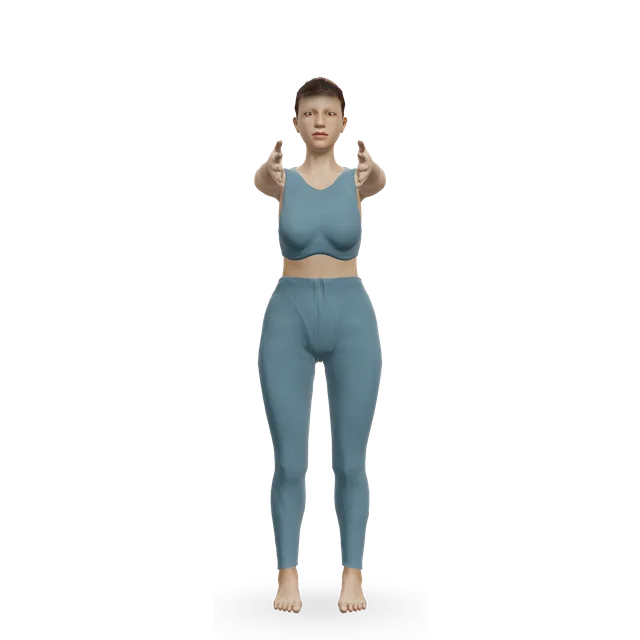 3D demoDynamic chest stretchBeginner · No equipment
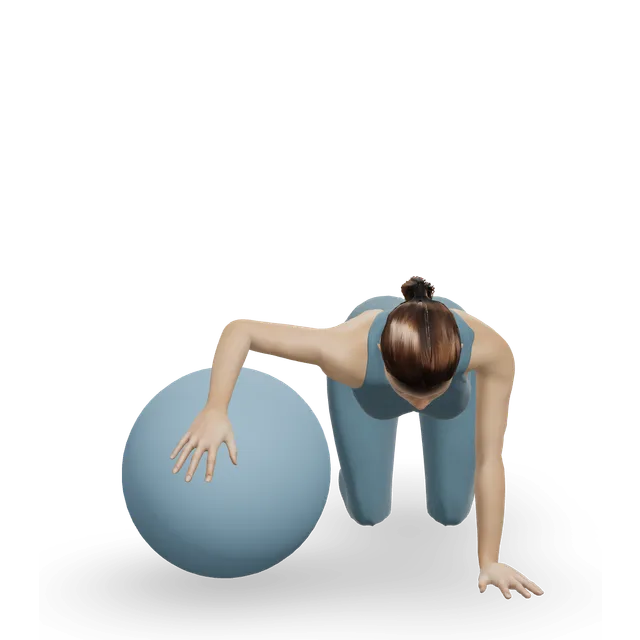 3D demoKneeling chest stretch on a stability ballBeginner · Exercise ball
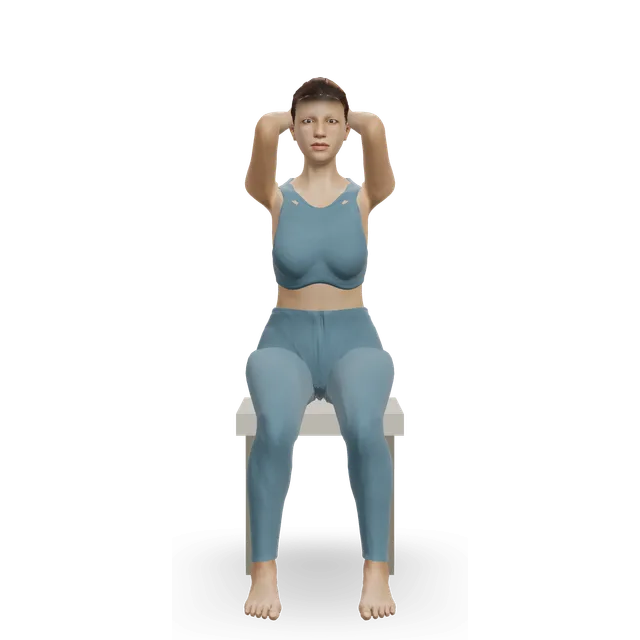 3D demoElbow opening with hands behind the headBeginner · No equipment
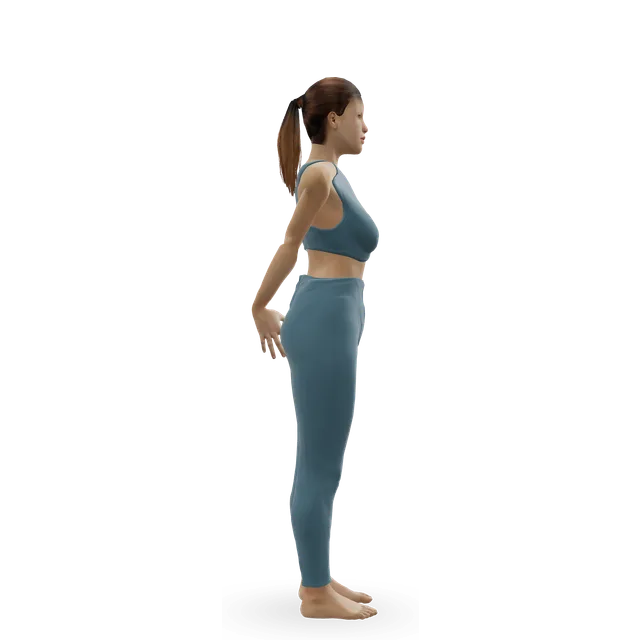 3D demoStanding biceps stretchBeginner · No equipment
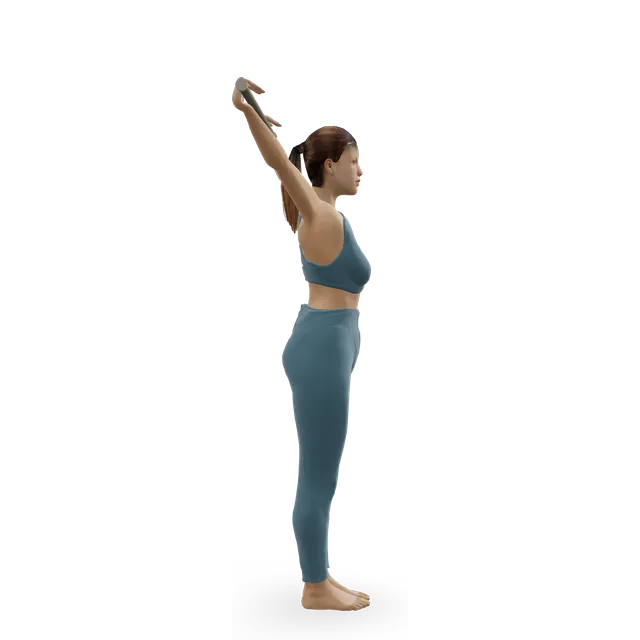 3D demoOverhead stick stretchBeginner · Other / check instructions
Browse more
Questions people ask
What muscles does the Doorway chest opener work?
Mainly the chest, with help from the shoulders.
What equipment do I need for the Doorway chest opener?
A wall.
Is the Doorway chest opener good for beginners?
It is graded beginner, so it suits most people starting out. When it feels easy, try the Fish pose (Matsyasana).
What is an easier alternative to the Doorway chest opener?
Try the Elbows back. Both are written steps in the same progression.
How do I make the Doorway chest opener harder?
Progress to the Fish pose (Matsyasana). Follow that guide’s technique and any stated timing.