Bird dog, one limb at a time
The bird dog's first step: on hands and knees, one arm or one leg reaches out at a time while the other three stay planted, so the back learns to stay still before the opposite arm and leg lift together.
Bird dog family
Bird dog, one limb at a time
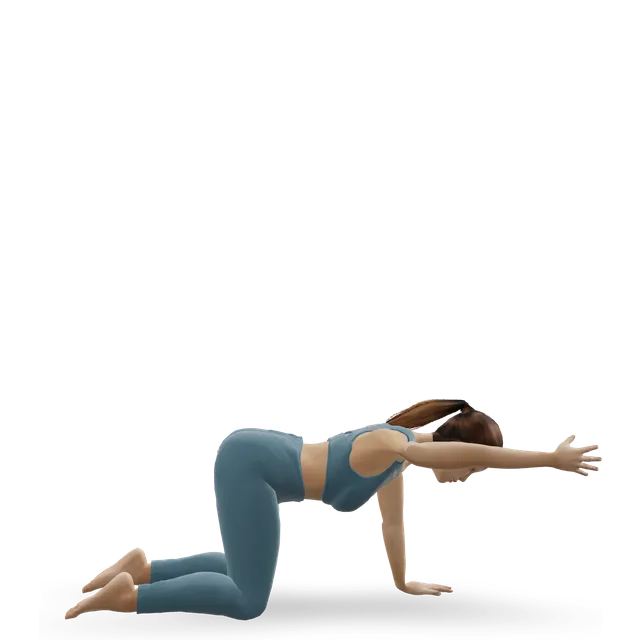
Loading the 3D figure…
Source-researched guide.
How to move
- Kneel on all fours, hands under the shoulders and knees under the hips, the back flat and the neck long.
- Reach one arm forward to ear height, hold, and lower it; then the other arm.
- Slide one leg back and lift it to hip height, hold, and lower it; then the other leg.
Form cues
- Keep the hips and shoulders level: no rocking toward the lifted side.
- Once each limb lifts without the back moving, lift the opposite arm and leg together (the bird dog).
Practice and cautions
No universal dose is assigned. Choose a manageable amount for your current capacity, leave room for controlled repetitions, and allow recovery. A clinician’s individual plan takes priority.
After a knee replacement, don't kneel on the new knee until your doctor says you can, as the NHS advises. After that, kneeling is often uncomfortable but hasn't been shown to harm a new knee, so kneel on a cushion, as one NHS trust's leaflet suggests. This is movement education, not an assessment or treatment prescription. Stop for sharp or increasing pain, dizziness, numbness or tingling; seek individual guidance for symptoms, injury or restrictions.
Sources and review status
Sources support the educational description; they do not establish that this exercise is suitable for you.
- South Tees Hospitals NHS · Arm raise in four point kneeling (one arm at a time) ↗
- Physitrack · Sequential bird dog (the leg lifts first, then the opposite arm joins it) ↗
- NHS · Recovering from a knee replacement: don't kneel on your new knee until your doctor says you can ↗
- Royal Berkshire NHS Foundation Trust · Advice and exercises after a total knee replacement: kneeling won't harm the replacement; start on something soft, then use a cushion (physiotherapy leaflet, 2024) ↗
- Wylde 2019 · Kneeling after knee replacement: often difficult, with no evidence of a clinical reason not to kneel (narrative review, EFORT Open Rev) ↗
No variation is labeled clinically validated.
What it works
Muscles
Main: Abs, Back. Also: Glutes, Shoulders.
Anatomy: Rectus abdominis, Obliques, Transversus abdominis, Latissimus dorsi, Teres major, Trapezius.
Equipment
None: body weight and floor space.
Level
Beginner. See the easier and harder options above.
Workouts that use it
- Pregnancy Pilates workout (no lying on your back) · 20 min
- Kyphosis exercises for seniors: a spine-strengthening routine · 30 min
- Hypermobility exercises: a strength and control routine · 25 min
- Prenatal yoga workout (no lying on your back) · 20 min
- Gentle exercises for endometriosis: breathe, steady and stretch · 20 min
- Plank challenge workout · 12 min
- Pregnancy strength workout (no lying on your back) · 30 min
- Exercise after rhabdomyolysis: a light session for the first weeks back · 30 min
Show all 49 workoutsShow fewer workouts
- Low-impact dance fitness workout: no-jump cardio to music, with trunk and pelvic floor work · 35 min
- Strength workout with a prolapse: pelvic floor first, no impact, no crunches · 25 min
- Pilates for your pelvic floor: squeeze, move, release · 20 min
- Pilates for MS: seated, standing and mat options · 25 min
- Strength workout for acid reflux: upright moves, no head-down poses · 25 min
- Pilates for hypermobility: a supported 20-minute class · 20 min
- Pilates for neck pain: a 20-minute head-supported class · 20 min
- Yoga for sciatica: a gentle sequence that lets your leg decide · 25 min
- Yoga for shoulder pain: a 20-minute sequence that builds up weight on the arms · 20 min
- Yoga for posture: a 25-minute back-strengthening practice · 25 min
- Core session B: side planks, bird dogs and a carry · 12 min
- Yoga for osteoporosis: a 30-minute class with the safe swaps built in · 30 min
- Lower back strengthening workout: bird dogs to supermans, no equipment · 20 min
- Big-movement Pilates for Parkinson's: a 25-minute chair, counter and mat class · 25 min
- Yoga for wrists: a 20-minute class that warms, strengthens and slowly loads the wrists · 20 min
- Yoga for hypermobility: a 25-minute stability-first class · 25 min
- Yoga for ankylosing spondylitis: a 25-minute breathing, extension and rotation class · 25 min
- Yoga for SI joint pain: a 20-minute even, strength-first class · 20 min
- Gentle postnatal Pilates: a 20-minute class from about 6 weeks after birth, with an early stop point and caesarean options · 20 min
- Chair-to-mat Pilates for bigger bodies: a 30-minute class standing, at a chair and on the mat, with a chair-only option · 30 min
- Gentle postnatal yoga: a 20-minute class from the first weeks after birth, with an early stop point and caesarean options · 20 min
- Even Pilates for SI joint pain: a 20-minute both-sides class, strength first · 20 min
- Pilates for a herniated disc: a 20-minute knees-bent class that lets your leg decide · 20 min
- Pilates for spinal stenosis: a 25-minute bend-forward class, from chair to mat to counter · 25 min
- Yoga for spondylolisthesis: a 25-minute class with the spine still, bending forward to rest and no backbends · 25 min
- Spine-still Pilates for spondylolisthesis: a 25-minute class with no deep arching · 25 min
- Pilates for men's pelvic floor: a 20-minute lying, seated and standing class · 20 min
- Pilates after tummy surgery: a 25-minute return class in three stages, with a stop point after each · 25 min
- Yoga with a buddy for Down syndrome: a 20-minute strength, balance and calm class with nothing on the head or neck · 20 min
- Upright Pilates for acid reflux: a 25-minute class with no lying flat or head-down moves · 25 min
- Yoga for over 50s: a 30-minute class for strength, balance and a strong back · 30 min
- Remission-day Pilates for Crohn's and colitis: a 25-minute class for core levels 2 and 3, standing strength for bones and muscles, and a flare-day stop point · 25 min
- Spine-still yoga after spinal fusion: a 25-minute class for the first months, with no bending, twisting or arching of your back · 25 min
- Back-still Pilates after spinal fusion: a 25-minute return class in three stages, with a stop point after each · 25 min
- Yoga for diastasis recti: a 25-minute class for a tummy gap, with head lifts and no planks · 25 min
- Gentle yoga after a hysterectomy: a 25-minute class in three stages, with a stop point after each · 25 min
- Gentle yoga after gallbladder removal: a 25-minute class in three stages, with a stop point after each · 25 min
- Yoga for longevity: a 35-minute class for strength, balance, stamina and getting up from the floor · 35 min
- Same-order Pilates: a 20-minute quiet class for autistic children and adults, with plain cues, a wall for balance and an optional rest · 20 min
- Buddy Pilates for Down syndrome: a 25-minute class for trunk control, balance and strength, with nothing on the head or neck · 25 min
- Yoga for women over 50: a 35-minute class for strength, bone, balance and the pelvic floor · 35 min
Pain guides that use it
Part of a staged plan, with when to get help first.
- Lower back pain: exercises that help, and when to get it checked
- Back spasm or pulled back muscle: what to do now, and what helps it settle
- Herniated, bulging or slipped disc: what the scan means and how to exercise
- SI joint pain: exercises, belts and what the evidence really shows
- Sciatica exercises: what helps, nerve glides, and when to worry
- Spondylolisthesis and spondylolysis: exercises for a slipped or cracked vertebra, at any age
- Facet joint pain in the lower back: what it is, what helps, and what injections can do
- Exercises after back surgery: discectomy, decompression and fusion, stage by stage
Show all 39 pain guidesShow fewer pain guides
- Pelvic girdle pain (SPD) in pregnancy and after birth: what helps, exercises and when to get help
- Lower back pain on one side, right or left: the back, the kidneys and other causes, and what helps
- Middle back pain: the muscles, joints and ribs, the organs that can cause it, and how to build back
- Lower back pain in women: the back itself, periods, pregnancy, the menopause, bones and the kidneys
- Back pain in pregnancy: why it happens in each trimester, what helps, and the signs to call about
- Hip pain in pregnancy: pelvic girdle pain, the outer hip at night, sciatica, and the signs to act on
- Rib pain in pregnancy: the bump, kicks and heartburn, what helps, and the pain to check the same day
- Back pain in menopause and perimenopause: the back itself, thin bones, fractures and what helps
- Lower back pain when twisting: strains, the facet joints, discs, golf, lifting and what helps
- Lower back pain when doing planks: the sag, the hip flexors, holding too long and what helps
- Shoulder pain when doing planks: the front and top of the shoulder, the shoulder blade, side planks
- Lower back pain when doing burpees: the plank, the landing, tiredness and the swaps that help
- Lower back pain when doing ab wheel rollouts: the sag, how far to roll, the hip flexors and swaps
- Lower back pain on the treadmill: incline walking, the rails, running on the belt and what helps
- Lower back pain on the stair climber: leaning on the rails, posture, speed and what helps
- Lower back pain climbing stairs: leaning forward, the hips, stenosis, carrying and what helps
- Lower back pain on the elliptical: leaning on the handles, stride, the ramp, stenosis and what helps
- Lower back pain when hiking: the pack, uphill and downhill, the nerve signs, poles and what helps
- Lower back pain from golf: the swing, which side, discs and nerves, range practice and what helps
- Lower back pain from tennis: the serve, load, stress fractures in young players and what helps
- Wrist pain from yoga: downward dog, plank and arm balances, where it hurts and what to change
- Knee pain after Pilates: kneeling, reformer footwork, the kneecap, locked knees and what to change
- Back pain from skiing: the stance, long days, falls and lifts, snowboarders' backs and what helps
- Back pain from horse riding: sitting trot, saddle and stirrups, the tailbone, the yard and falls
- Back pain from surfing: paddling, pop-ups, wipeouts, surfer's myelopathy and what helps
- Back pain from basketball: jumping, landing, contact, stress fractures in teens and what helps
- Back pain from pickleball: bending for low balls, twisting, lunges, stenosis and what helps
- Back pain from volleyball: spiking and serving, jumping, stress fractures in teens and what helps
- Back pain after football (soccer): kicking, tackles, young players' stress fractures and what helps
- Back pain after rugby: scrums, rucks and tackles, young players' stress fractures and what helps
- Back pain from hockey: field and ice hockey, the crouch, drag flicks, young players and what helps
Guides that use it
- Pilates for beginners guide
- Pilates for your core guide
- Pilates for back pain guide
- Pilates for seniors guide
- Pilates in pregnancy guide
- Pilates for the pelvic floor guide
- Pilates for sciatica guide
- Pilates for MS guide
Show all 93 guidesShow fewer guides
- Pilates for hypermobility guide
- Pilates for neck pain guide
- Pilates for diastasis recti guide
- Pilates for Parkinson's guide
- Pilates for fertility guide
- Pilates for chronic pain guide
- Postnatal Pilates guide
- Pilates for plus-size bodies guide
- Pilates for SI joint pain guide
- Pilates for kyphosis guide
- Pilates for prolapse guide
- Pilates for a herniated disc guide
- Pilates for spinal stenosis guide
- Pilates for spondylolisthesis guide
- Pilates for cervical spondylosis guide
- Pilates for the prostate guide
- Pilates with a hernia guide
- Pilates after gallbladder removal guide
- Pilates for acid reflux guide
- Pilates after a hysterectomy guide
- Pilates after spinal fusion guide
- Pilates for cerebral palsy guide
- Pilates for whiplash guide
- Pilates for autism guide
- Pilates for Down syndrome guide
- Pilates for tinnitus guide
- Yoga in pregnancy guide
- Yoga for sciatica guide
- Yoga for shoulder pain guide
- Yoga for posture guide
- Yoga for upper back pain guide
- Yoga for the pelvic floor guide
- Yoga for endometriosis guide
- Yoga for osteoporosis guide
- Yoga for height guide
- Yoga for wrists guide
- Yoga for hypermobility guide
- Yoga for ankylosing spondylitis guide
- Yoga for SI joint pain guide
- Postnatal yoga guide
- Yoga for kyphosis guide
- Yoga for a herniated disc guide
- Yoga for spinal stenosis guide
- Yoga for spondylolisthesis guide
- Yoga for shoulder impingement guide
- Yoga for ovarian cysts guide
- Yoga for a hernia guide
- Yoga for Down syndrome guide
- Yoga over 50 guide
- Yoga after spinal fusion guide
- Yoga for diastasis recti guide
- Yoga for prolapse guide
- Yoga for rounded shoulders guide
- Yoga for chronic pain guide
- Yoga for sway back guide
- Yoga after a hysterectomy guide
- Yoga after gallbladder removal guide
- Yoga for longevity guide
- Yoga for older women guide
- Yoga for spine health guide
- Yoga for women over 50 guide
- Spine guide
- Sciatica guide
- Pregnancy guide
- Hypermobility guide
- Exercise in pregnancy
- Exercise for hypermobility
- Diastasis recti exercises
- Exercise for endometriosis
- Exercise for Down syndrome
- Rhabdomyolysis (rhabdo) and exercise
- Exercise for chronic pain
- Exercise with gestational diabetes
- Exercise with a prolapse
- Exercise with acid reflux and heartburn
- Exercise after gallbladder removal
- Exercise after appendix removal (appendectomy)
- Exercise with piles (haemorrhoids)
- Kyphosis guide
- Pelvic rotation guide
- Bird dogs guide
- Plank guide
- Supermans guide
- Core strength guide
- Strengthen your back guide
Similar moves
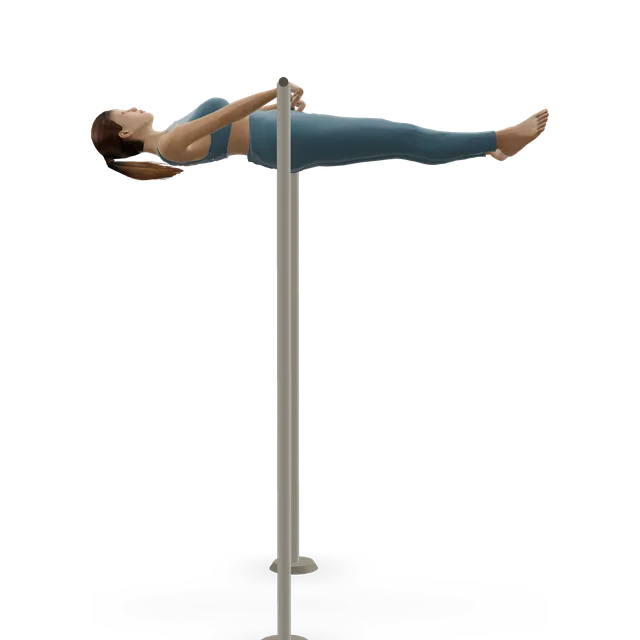 3D demoFront leverExpert · Pull-up bar
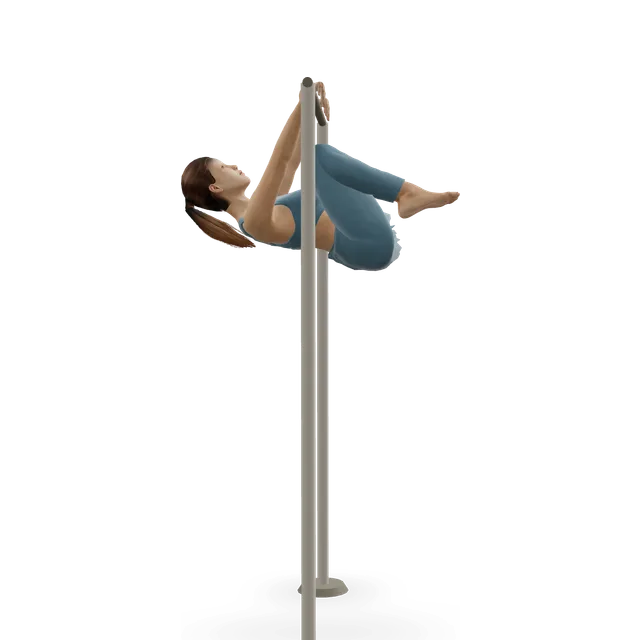 3D demoTuck front leverAdvanced · Pull-up bar
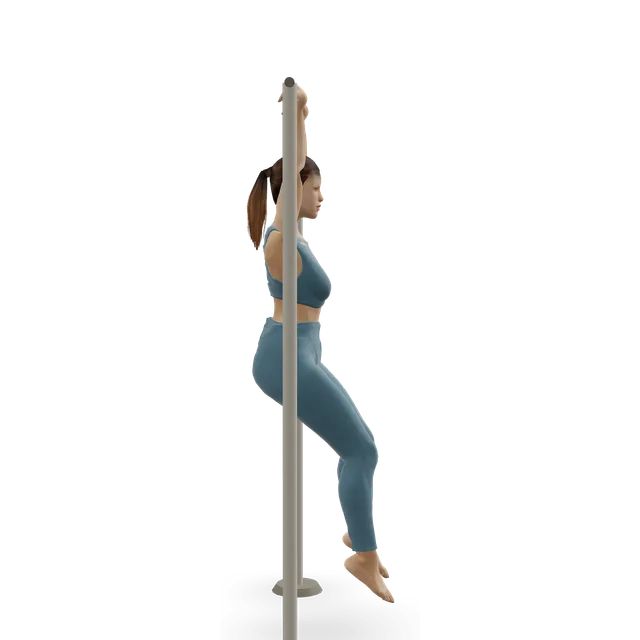 3D demoChin-up with a knee raise (gorilla chin)Advanced · Pull-up bar
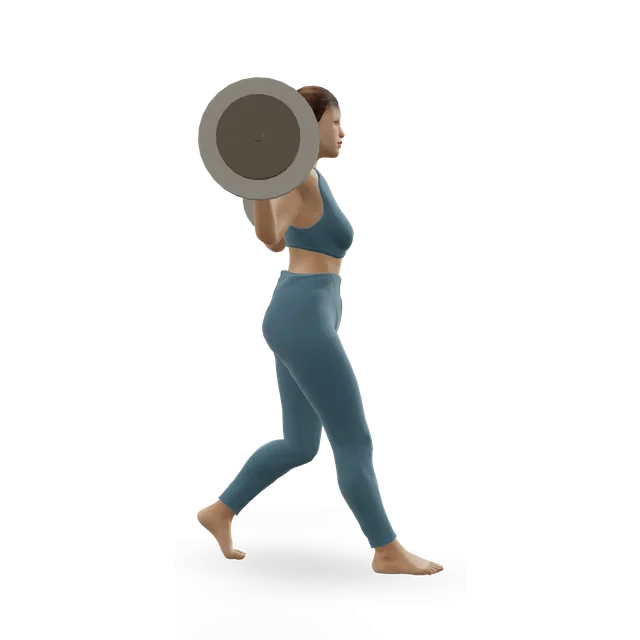 3D demoYoke walkAdvanced · Other / check instructions
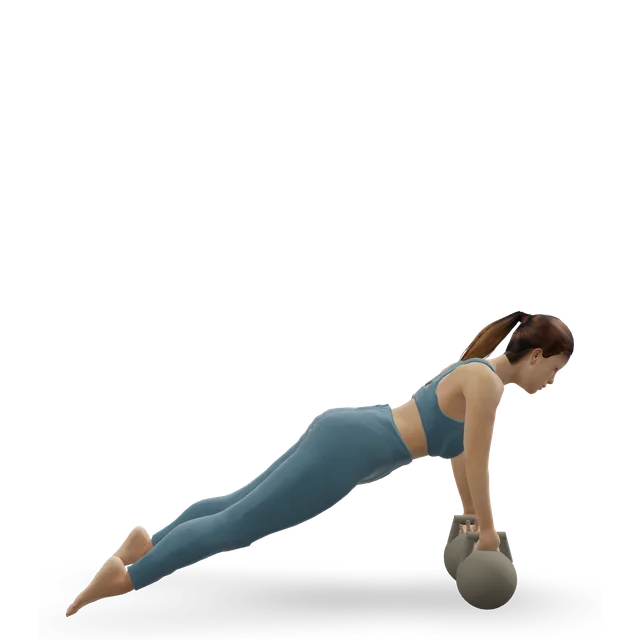 3D demoRenegade rowAdvanced · A kettlebell
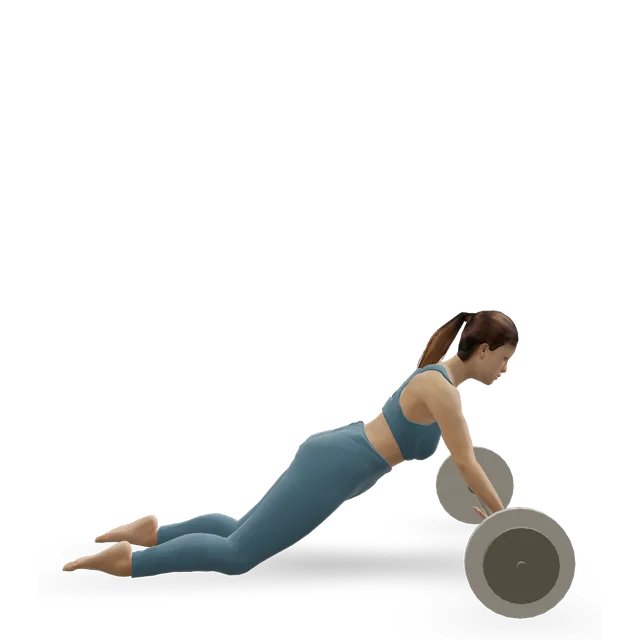 3D demoAb wheel rollout from the kneesAdvanced · An ab wheel
Browse more
Questions people ask
What muscles does the Bird dog, one limb at a time work?
Mainly the abs and back, with help from the glutes and shoulders.
What equipment do I need for the Bird dog, one limb at a time?
No equipment: your body weight and a little floor space.
Is the Bird dog, one limb at a time good for beginners?
It is graded beginner, so it suits most people starting out. When it feels easy, try the Bird dog.
What is an easier alternative to the Bird dog, one limb at a time?
Try the Side-lying tummy draw-in. It is the suggested step down from this move.
How do I make the Bird dog, one limb at a time harder?
Progress to the Bird dog or the Forearm plank. Follow that guide’s technique and any stated timing.